
One Nile, One family: Civil society, governments unite to protect basin communities
By Elias Hakizimana.
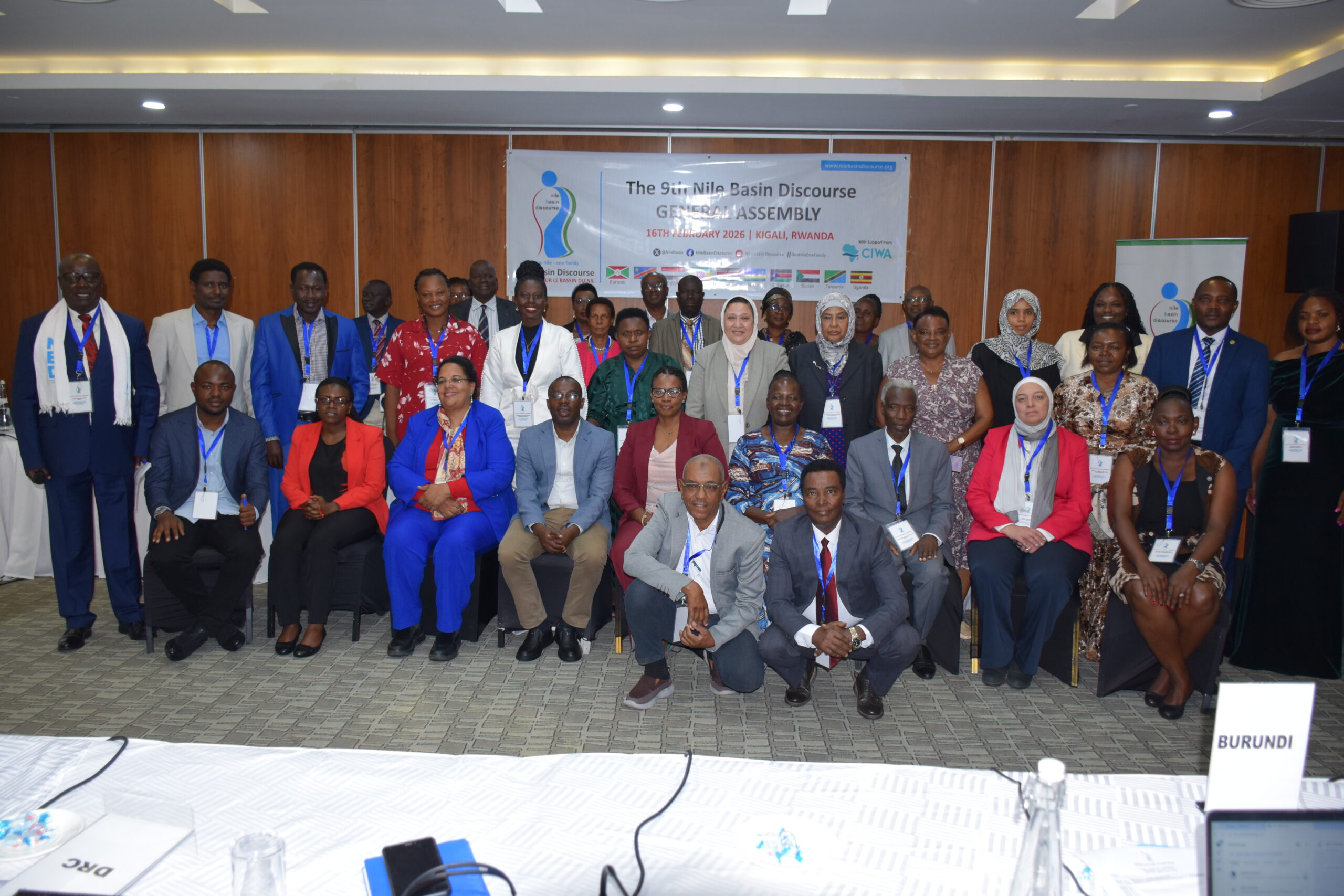
Kigali, February 16, 2026 – Delegates from the 10 Nile Basin countries converged in Kigali for the 9th General Assembly of the Nile Basin Discourse (NBD), underscoring the critical role of regional cooperation in managing the basin’s shared water resources.
Beyond the formal presentations and technical briefings, the discussions highlighted the human dimension of water governance, from smallholder farmers to urban communities relying on clean, accessible water.
NBD, a civil society platform operating across the basin, has for years advocated for inclusive and participatory water governance.
Through National Discourse Forums in each member country, the organization engages communities in transboundary water management, amplifying local voices and strengthening policy implementation.
Yet, the General Assembly also revealed ongoing challenges, including financial sustainability, uneven operational capacity, and the urgent need for evidence-based, results-oriented programming.
Verdiane Nyiramana, Chairperson of NBD Rwanda, emphasized the human stakes. “Civil society ensures water becomes a source of development, not conflict,” she said.
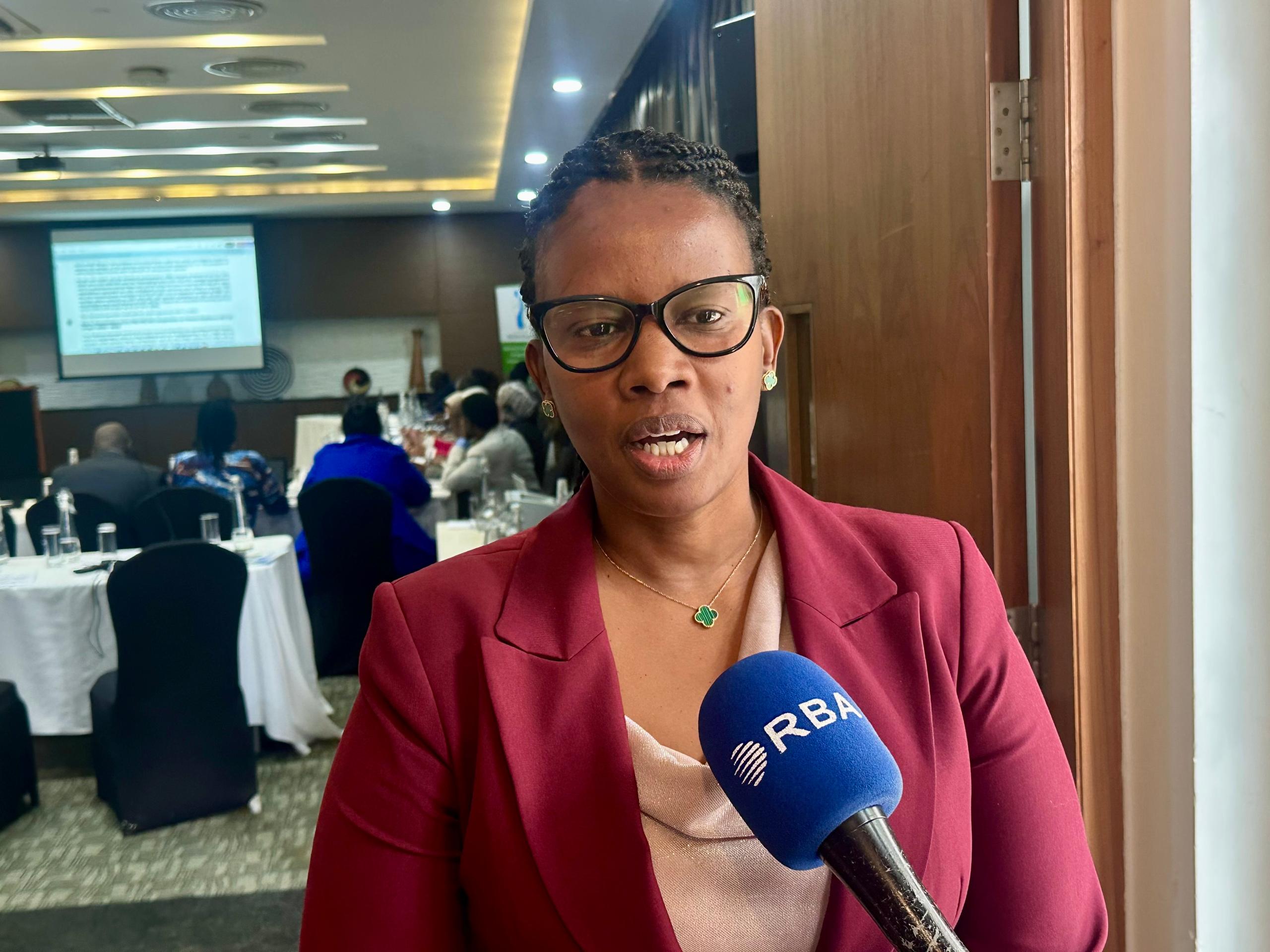
“We empower women and youth to innovate, collect data, and raise awareness about water protection. Our communities rely on these initiatives for clean water, food security, and climate resilience.” She added.
Nyiramana highlighted that across the basin, NBD supports over 600 initiatives addressing environmental protection, agriculture, and climate adaptation. Youth engagement is a priority, with young professionals participating in data collection, technology-driven solutions, and community mobilization.
Women’s networks have also been strengthened to ensure gender inclusion in water governance, she said.
Technical presentations outlined both progress and remaining obstacles.
Acting Regional Manager Ayenew Tesera Fenta reported that from 2022 to 2025, NBD contributed to early warning systems for floods and droughts, climate adaptation programs, and policy dialogue. Communities have been mobilized to implement nature-based solutions, while partnerships with governments, academia, and development partners have been expanded.
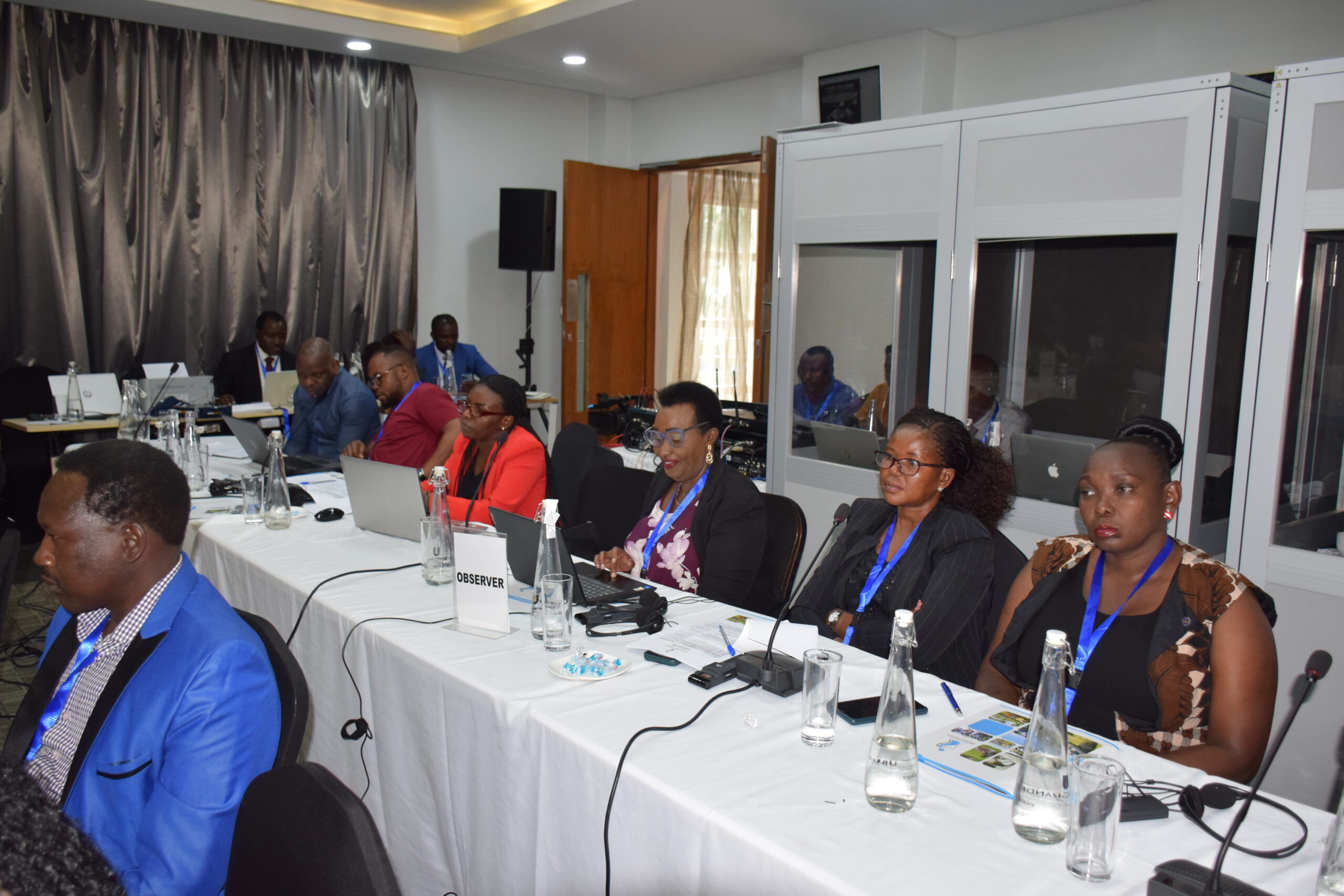
Still, NBD remains heavily reliant on donor funding, and institutional capacity varies across national forums, threatening the long-term sustainability of its work.
Government officials stressed the critical importance of community engagement
Philippe Kwitonda, Rwanda’s Director General in charge of Land, Water, and Forest Resources, noted that water is “not only a shared resource, it is a shared responsibility.”
He cited Rwanda’s efforts to protect the environment, including using 30.4 percent of land for forest cover and over 1.2 million hectares for erosion control programs, such as the Green Gicumbi project in Northern Rwanda and TREPA in the East.
Kwitonda urged civil society to provide evidence-driven recommendations for policymaking and called on the Nile Basin community to prioritize tangible results over reports.
“Meetings are important, but without action, they are not sufficient. Our communities need projects, not just reports,” he said, emphasizing transparency, accountability, and youth engagement as central to sustainable water governance.

Participants from other countries reiterated the message
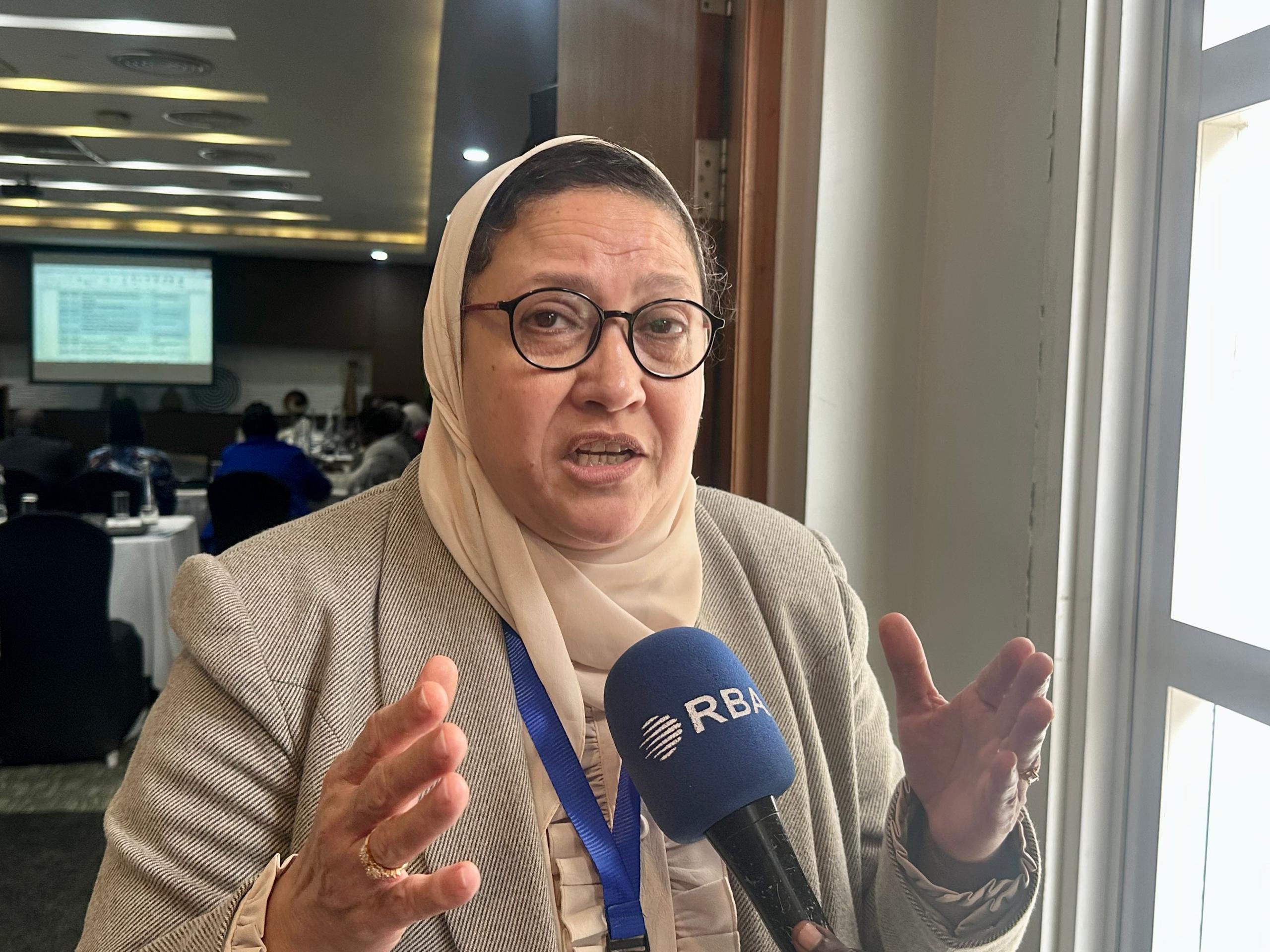
May Mohamed El Shafei, an Egyptian journalist and board member of the Nile Discourse Forum, said Egypt has long prioritized water conservation, given its downstream position and large population, including refugees.
“Every drop must be managed carefully. The Nile is life—not only for Egyptians but for all Africans,” she said. She called for integrated management of water and land resources and equitable sharing of the basin’s benefits.
The Assembly also focused on bridging policy and practice, particularly in areas of climate change, erosion control, and pollution prevention.
Delegates discussed the need for civil society to collaborate with governments to mobilize communities, clean water sources, and prevent contamination from industrial or agricultural waste.
For many delegates, the meeting highlighted a shared responsibility: protecting the Nile requires coordinated action across borders, a balance between development and conservation, and active citizen participation.
As Nyiramana concluded, “Together we remain stronger than any challenge because we are united by a common river and a common purpose. One Nile, one family.”
The 9th NBD General Assembly not only reviewed past achievements but also set a forward-looking agenda: strengthening National Discourse Forums, building financial sustainability, enhancing partnerships, and ensuring that communities—especially women and youth—are central to every decision affecting the Nile.
For stakeholders across the basin, the message is clear: managing the Nile is about governance, but above all, it is about the people whose lives depend on every drop of water.
theinspirerpublications@gmail.com



Leave a Reply