
One in three people is hungry in Eastern Africa; climate change, conflicts to blame
By Emmanuel Ntirenganya
Undernourished people in Eastern Africa increased to 137.2 million in 2016 from 122.2 million in 2015, making it the region with highest number of hungry people on the continent, and the entire world, shows a new Africa Regional Overview of Food Security and Nutrition report (2017).
The report by Food and Agriculture Organization of the United Nations (FAO) this year features the theme: “The Food Security and Nutrition – Conflict Nexus: Building Resilience for Food Security, Nutrition and Peace.” It was launched on Thursday at the joint FAO/World Health Organization Symposium for Africa on Sustainable Food Systems for Healthy Diets and Improved Nutrition, taking place in Abidjan, Côte d’Ivoire from 16 to 17 November 2017.
Adverse climatic conditions, a slow global economy and conflicts are key factors driving food insecurity in the region, the report states.
Adverse climatic conditions, often linked to the El Niño phenomenon – extreme weather patterns sometimes heavy rains, sometimes drought, resulted in poor harvests and loss of livestock. Lower commodity prices and increasingly challenging global economic conditions, coupled with the outbreak of conflicts – at times concurrently with natural calamities such as droughts.
The report, which this year features the theme: “The Food Security and Nutrition – Conflict Nexus: Building Resilience for Food Security, Nutrition and Peace” was launched today at the joint FAO/World Health Organization Symposium for Africa on Sustainable Food Systems for Healthy Diets and Improved Nutrition, taking place in Abidjan from 16 to 17 November 2019.
Overall, the report indicates that the prevalence of chronic undernourishment in Sub-Saharan Africa appears to have risen from 20.8 to 22.7 percent between 2015 and 2016.
Of the increase in total numbers of the hungry since 2010, Eastern Africa accounted for 39 percent, Western and Middle Africa accounted for 20 and 18 percent, respectively, and Southern Africa accounted for fewer than two percent, according to the survey.
In 2016, there were about 224 million undernourished people in Sub-Saharan Africa, which is 53.1 million more than in 2010.
The high number of undernourished, the report notes, also reflects the fact that population growth in sub-Saharan Africa averaged about 2.8 percent over the past ten years, as per the World Bank’s 2017 publication.
“The number of people undernourished rose from 200 to 224 million, accounting for 25 percent of the 815 million people undernourished in the world in 2016,” said Bukar Tijani, FAO Assistant Director-General and Regional Representative for Africa.
“Major factors have caused this surge in hunger: the proportion of the population that has experienced severe food insecurity because of their inability to access food has risen in the region; as well, adverse climatic conditions and conflict, often occurring concurrently, are key factors driving the recent increase in food insecurity in the region,” Tijani explained.
The prevalence of undernourishment is about twice as high in conflict-affected countries with a protracted crisis than in countries not affected by conflict, and nutrition outcomes are also generally worse in these countries.
For all countries in sub-Saharan Africa attaining food and nutrition security while addressing climate change and the degradation of the environment is a primary challenge. A further dimension is added to this challenge in countries that are in fragile situations and have weak institutions. In these countries food insecurity may itself be a trigger for conflict, and or prolong conflicts.
Effective implementation and delivery of policies and investment plans aligned with the Malabo Declaration requires adequate funding, setting the right priorities and strengthening institutional capacities, recommends the report calling for stepping up our efforts “if we are to achieve a world without hunger by 2030.”
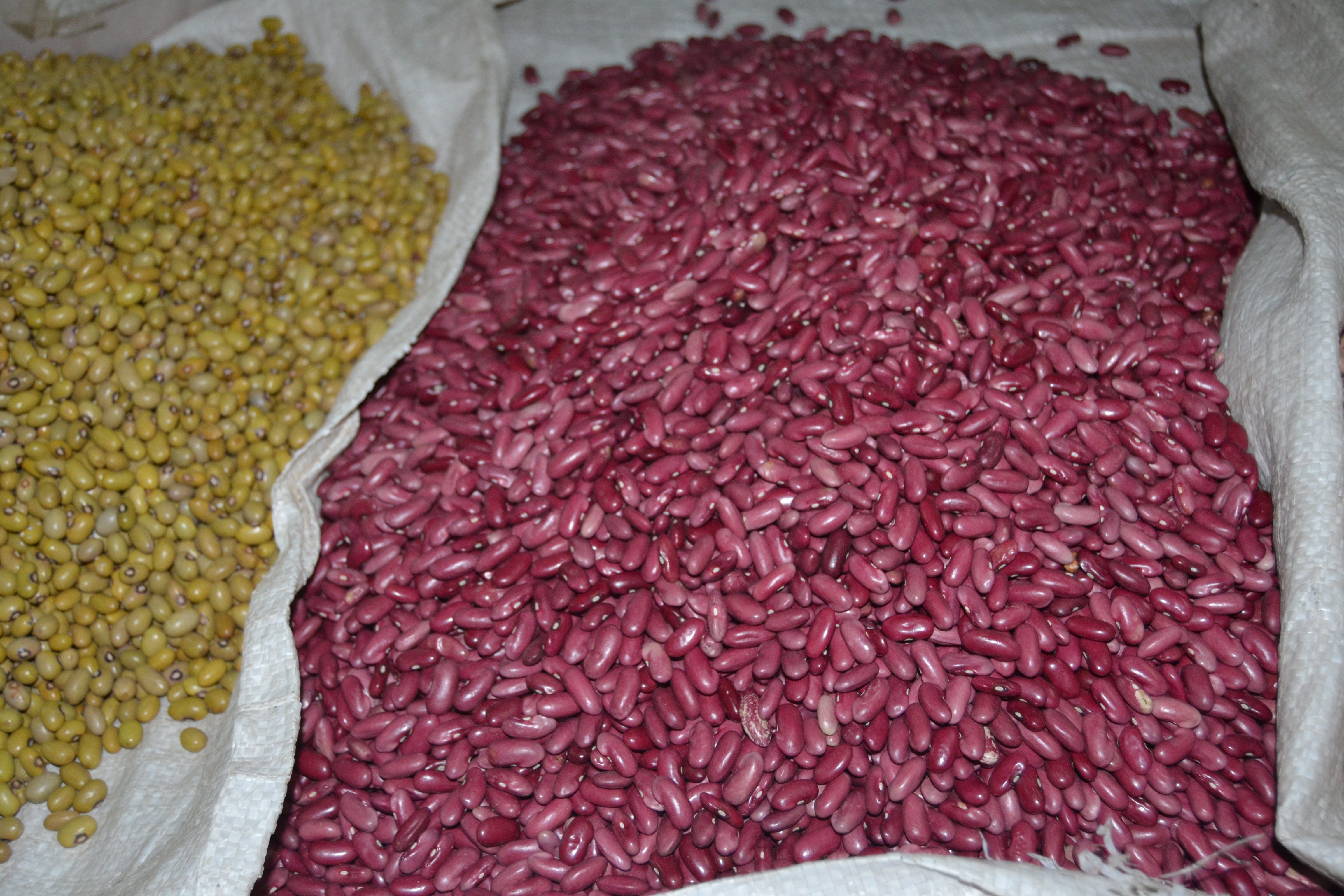
The photo on top shows some beans on sale in Kigali City Market in June 2016 (Emmanuel Ntirenganya).


Leave a Reply