
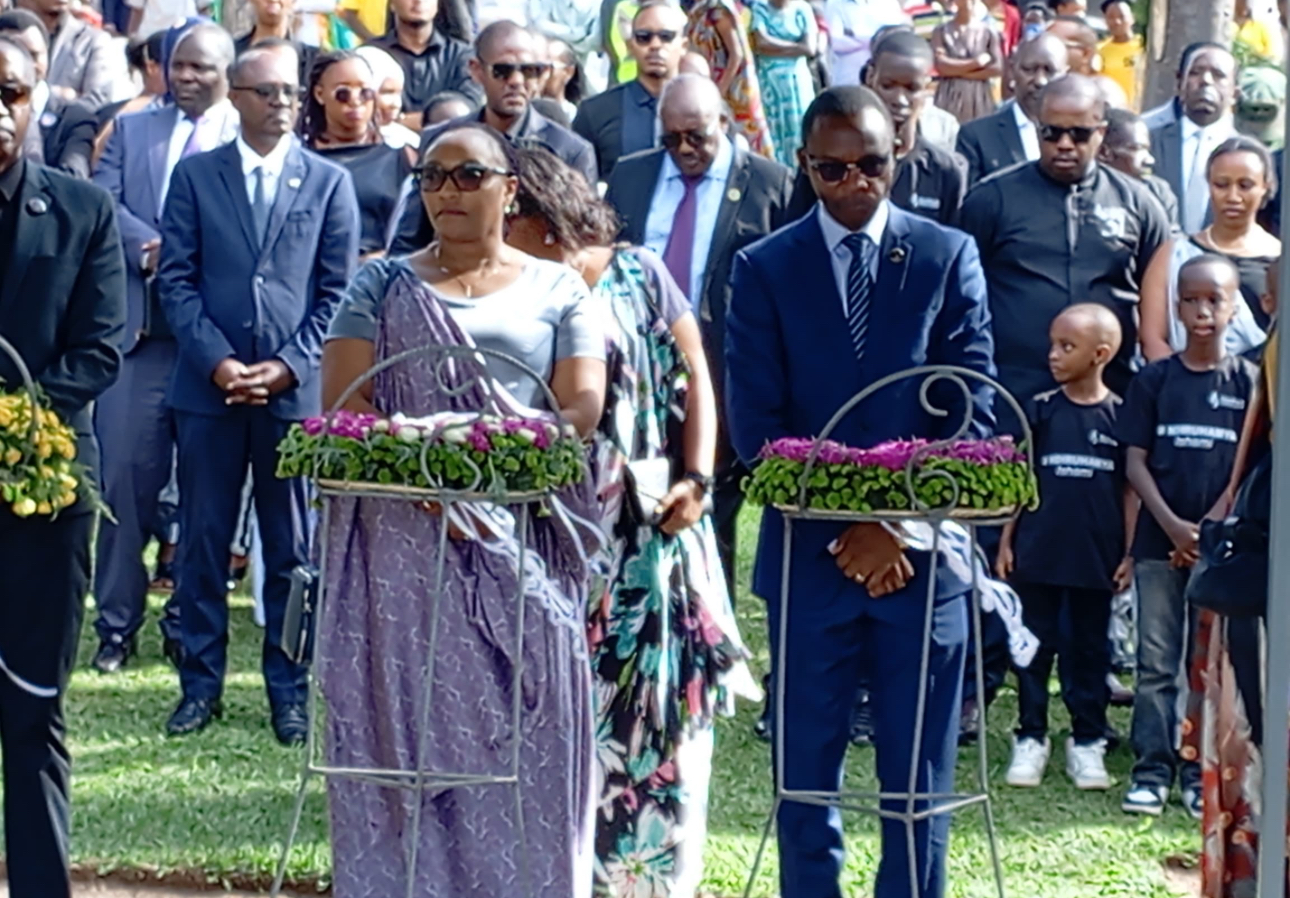
Minister Uwamariya urges Rwandans to reject divisive colonial narratives during Genocide commemoration
By Prince Boris Cyubahiro.
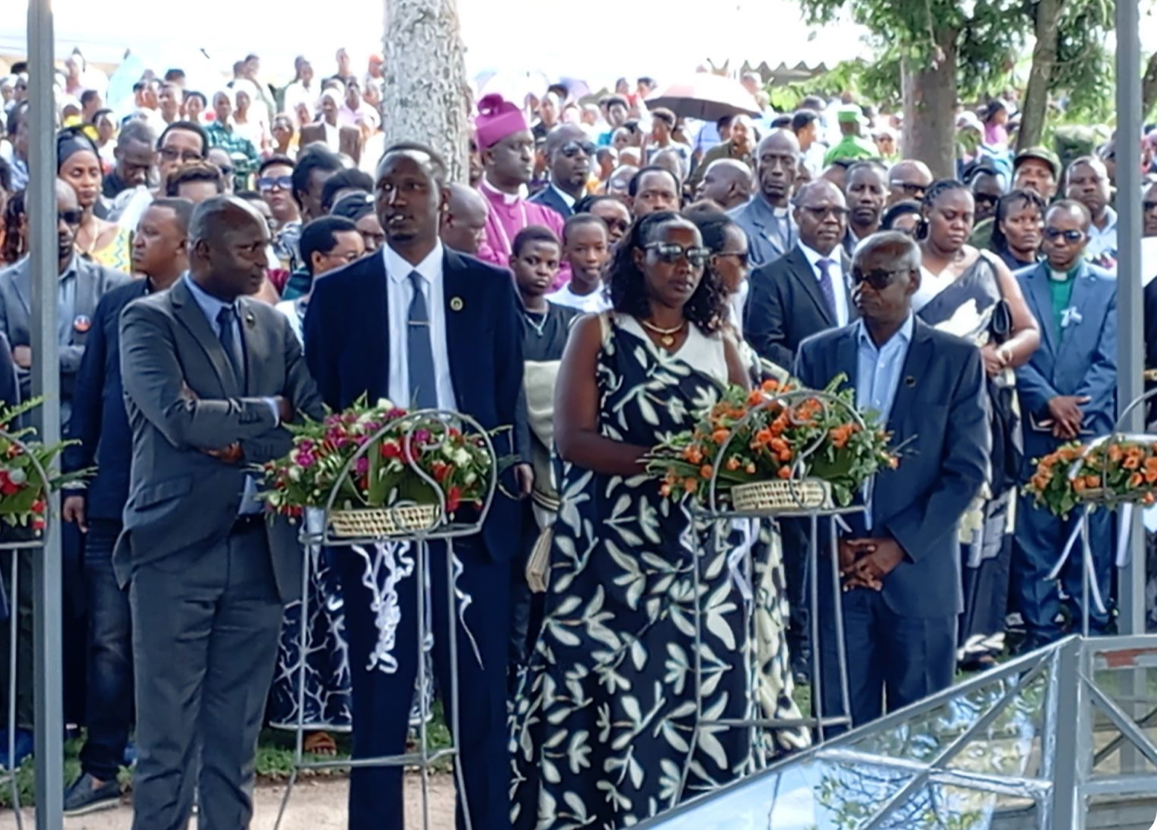
During the 31st commemoration of the 1994 Genocide against the Tutsi, Rwanda’s Minister of Environment, Dr. Valentine Uwamariya, called on Rwandans to reject the divisive narratives inherited from colonial rule—narratives that sowed ethnic division and contributed to the country’s darkest chapter.
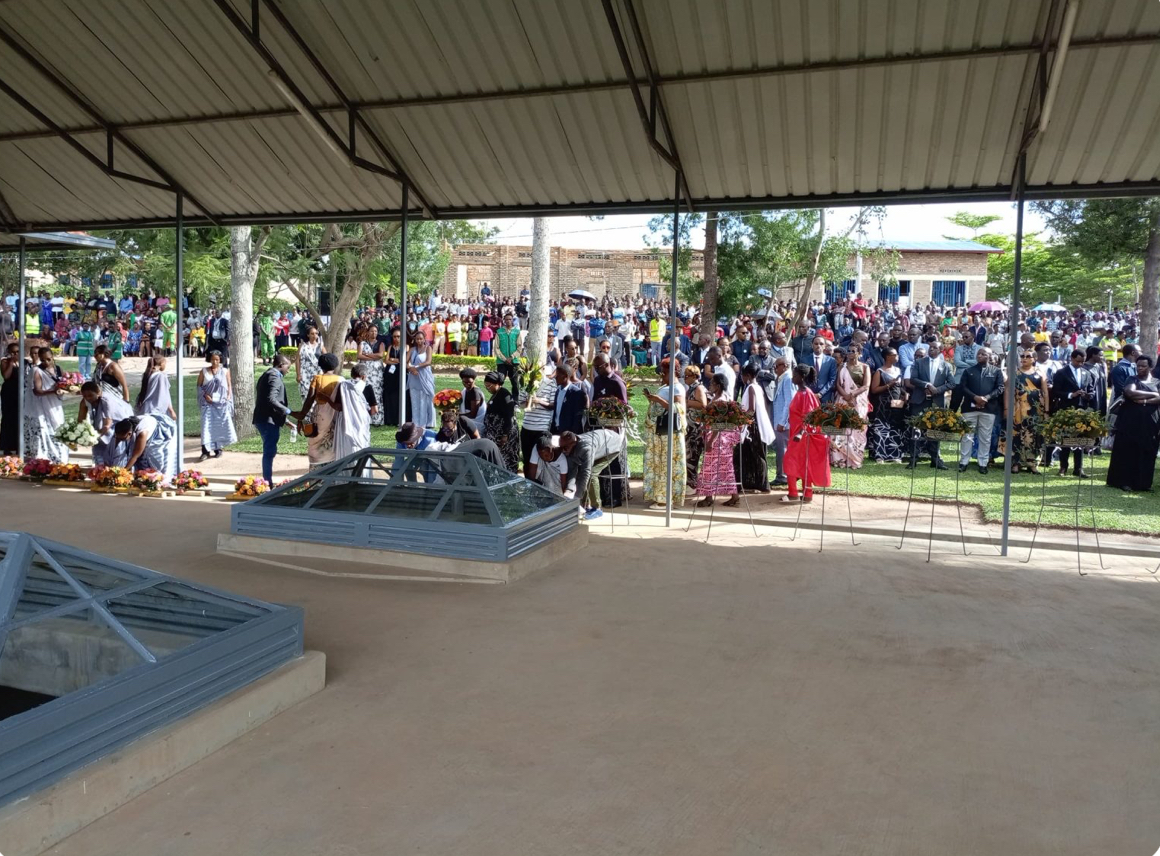
Speaking at a remembrance event in Kinazi Sector, Ruhango District, Dr. Uwamariya reflected on how colonial ideologies infiltrated Rwanda’s education system, teaching generations of Rwandans that ethnic groups such as the Tutsi and Hutu were outsiders who migrated into Rwanda and displaced the Twa. She described these teachings as a “virus” that was intentionally planted in people’s minds to justify division.
“The history we were taught was full of division. I personally learned in school that Tutsis came from Abyssinia in Ethiopia and Hutus from Bantu regions like Cameroon, supposedly finding the Twa as the land’s original inhabitants,” she said. “These ideas were spread by colonialists and were central to the ideology that eventually led to genocide.”
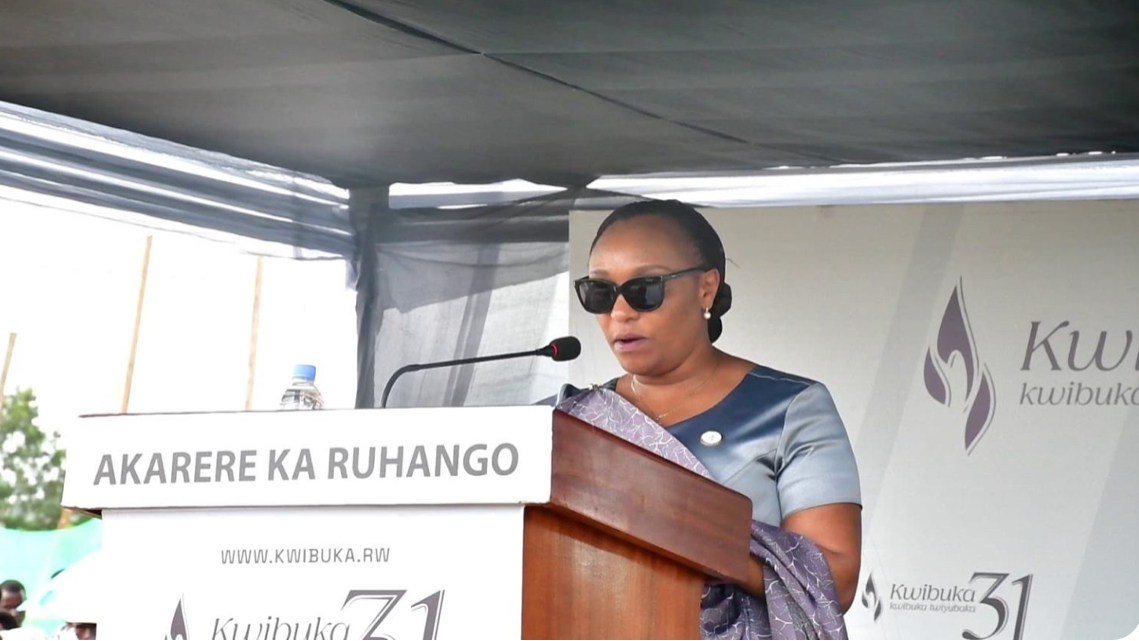
Dr. Uwamariya emphasized that these harmful narratives must no longer define Rwandan identity or memory. She urged citizens, particularly the youth, to remain vigilant against genocide ideology and to support survivors as the country continues to heal.
“Painful history should not imprison us. We must stand together to combat any resurgence of genocide ideology and ensure that survivors feel supported, especially during this difficult commemoration period,” she added.
One of the survivors in attendance, Jeanne Uwambajimana, offered a moving testimony of resilience. A resident of Kinazi Sector, she shared her experience of surviving the genocide, crediting her survival to divine intervention, the Rwandan Patriotic Army (Inkotanyi), and an individual who risked his life to save her.
“I thank God for sparing my life, and I also thank the Inkotanyi who declared that I must live. But above all, I thank James, who protected me while others tried to kill me—even paying money to save me from Burundians who had come to murder me,” she said.
Uwambajimana said she has since rebuilt her life. “I pursued my education up to university and now have children of my own. I am rebuilding not only my life but also contributing to building my country.”
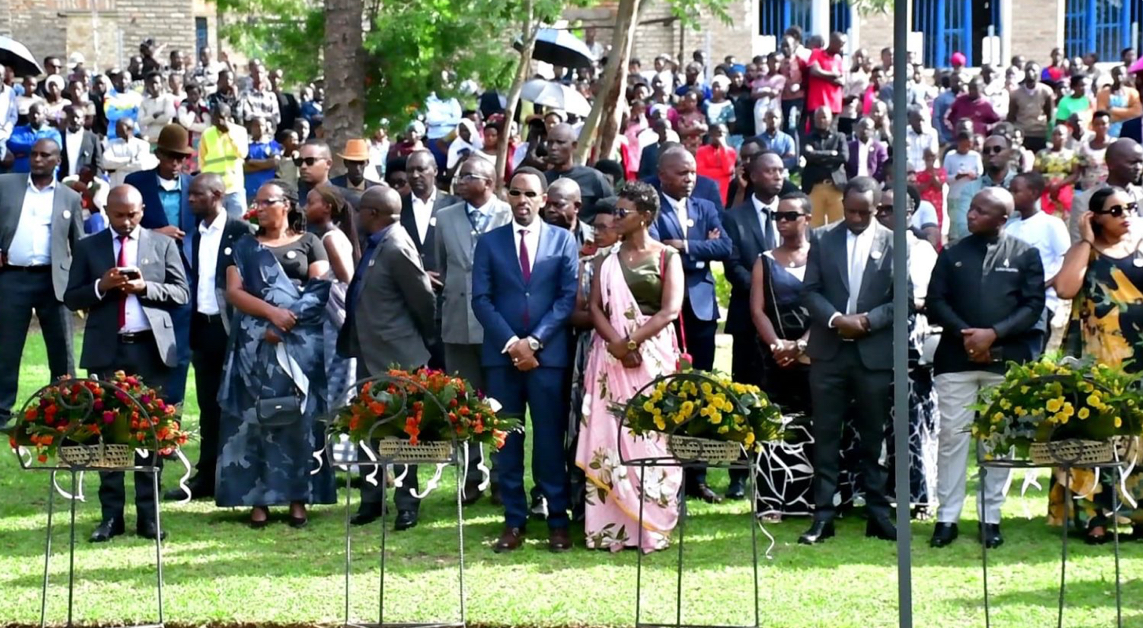
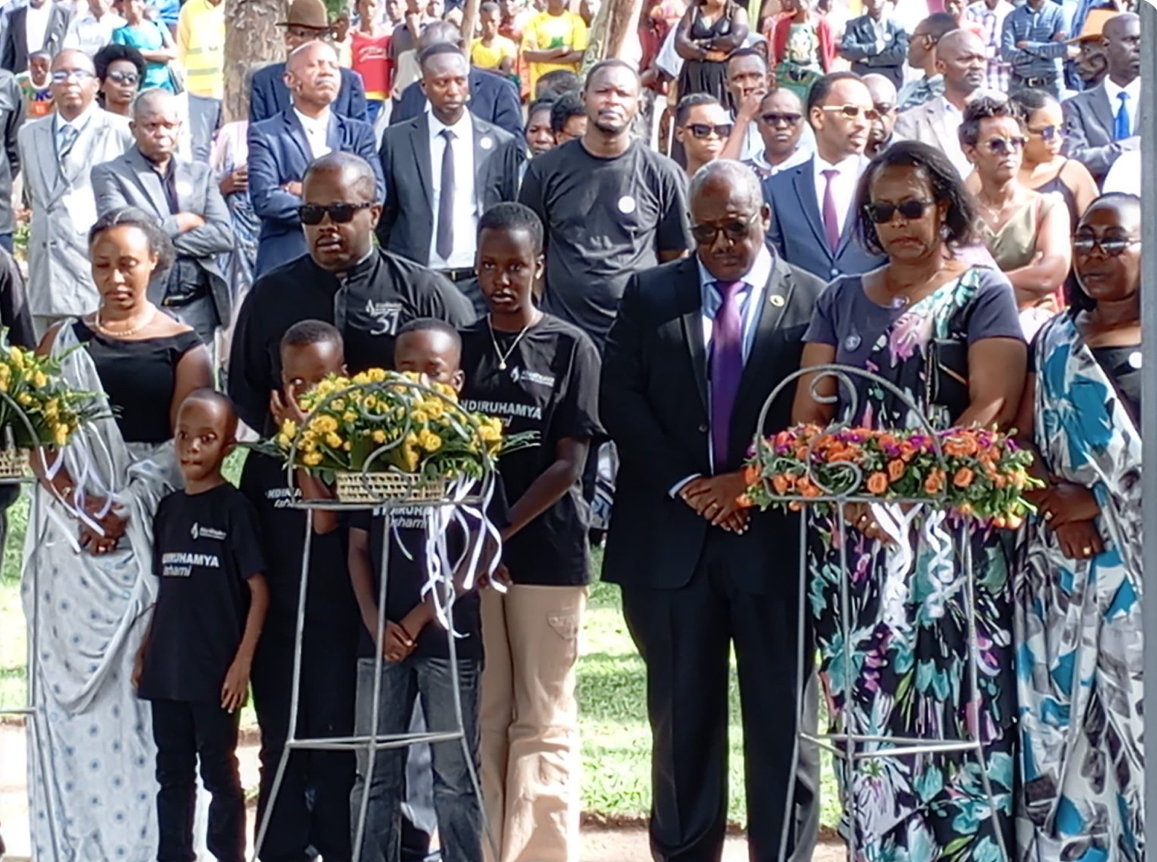
Today, more than 60,000 victims of the 1994 Genocide against the Tutsi are laid to rest at the Ruhango District Genocide Memorial in Kinazi. The site stands as a solemn reminder of the past and a call to unity, truth, and a shared Rwandan identity free from the ghosts of colonial manipulation.
theinspirerpublications@gmail.com



Leave a Reply