
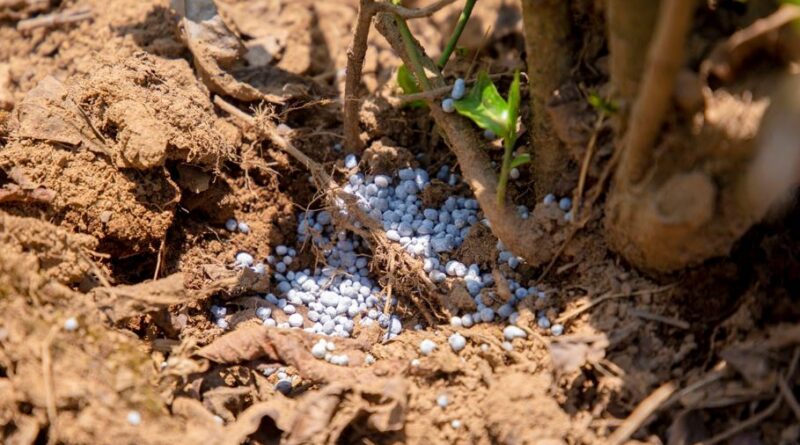
MINAGRI flags Rwf 17.2 billion funding gap in fertilizer subsidy program
By The Inspirer.
The Ministry of Agriculture and Animal Resources (MINAGRI) has revealed a funding gap of Rwf 17.2 billion in the subsidy program for seeds, fertilizers and lime, warning that the shortfall could disrupt timely access to agricultural inputs for farmers.
The ministry raised the concern before the Parliamentary Committee on Budget and State Assets during deliberations on the 2026/2027 national budget draft, noting that key agricultural programs risk delays due to limited resources despite ongoing investments in the sector.
According to MINAGRI, subsidy-related obligations are projected to reach Rwf 29.4 billion in 2026, including Rwf 25.4 billion for fertilizers and Rwf 3.97 billion for seeds.
The gap comes as government continues to scale up investments under the Crop Intensification Program (CIP), which has been allocated Rwf 83.9 billion for 2026/2027, up from Rwf 54.2 billion in the previous fiscal year.
Despite the increase, the ministry warned that the existing deficit could slow fertilizer distribution, as the sector still heavily relies on government subsidies to ensure affordability for farmers.
The Chairperson of the Budget Committee, Odette Uwamariya, said the committee will engage the Ministry of Finance and Economic Planning (MINECOFIN) to explore ways of addressing the financing gap and safeguarding priority agriculture programs.
She stressed the need for sustained investment in agriculture and livestock, citing their central role in achieving national development targets under the National Strategy for Transformation (NST2).
Other projects at risk
MINAGRI also highlighted additional initiatives that could face delays due to funding constraints, including post-harvest storage infrastructure, which faces a Rwf 7.26 billion gap for expanding storage facilities to reduce crop losses.
The ministry further noted a Rwf 4.9 billion requirement for compensation of residents affected by the Gabiro Agri-Business Hub irrigation project.
Other potentially affected programs include tea expansion, coffee rejuvenation, agricultural export promotion, and the PSAC/IFAD agro-export initiative.
While agriculture remains a national priority, MINAGRI warned that persistent financing constraints could hinder the full implementation of key programs aimed at boosting productivity, improving food security, and expanding exports.





Leave a Reply