

Kayonza: Multibillion irrigation project to support 50,000 drought-affected households
By Elias Hakizimana.
Rwanda Agriculture and Animal Resources Development Board has launched the Kayonza Irrigation and Integrated Watershed Management Project, Phase II (KIIWP-Phase 2), in Eastern Province, Kayonza District, Ndego Sector so as to rescue drought-affected citizens from hunger.
The KIIWP project aims at contributing to poverty reduction in the drought-prone Eastern Province of Rwanda.
Its development objective is to sustainably improve the food security and income of 50,000 rural households and boost their climate resilience.

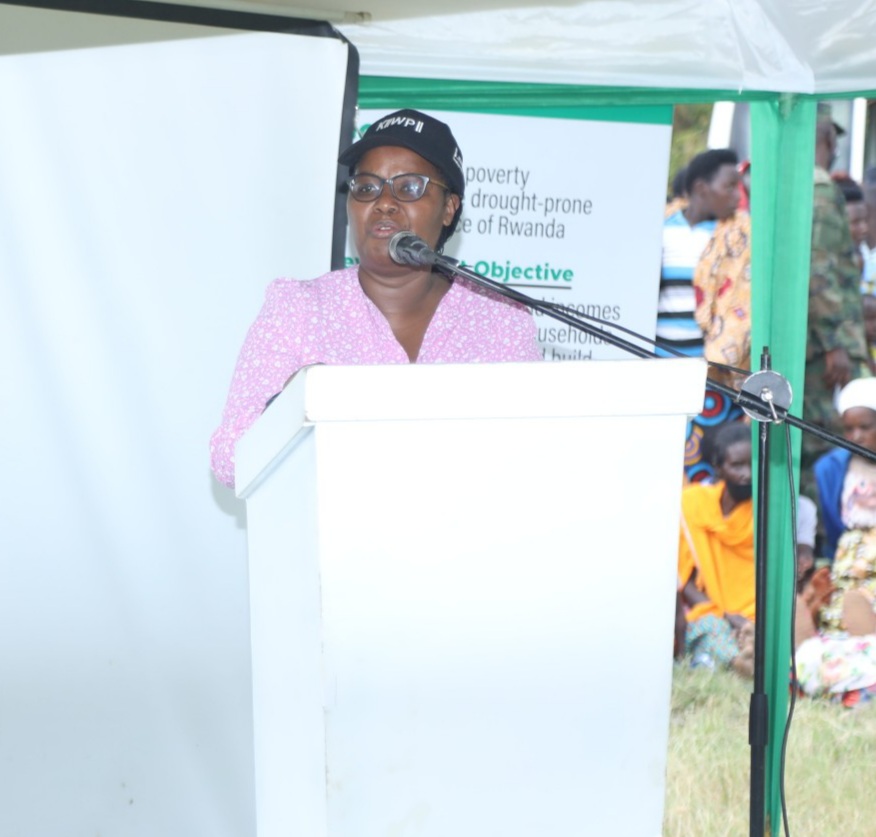
Speaking to the media at the launch in Ndego sector, Kayonza District on June 9, 2022, the Minister of Agriculture and Animal Resources Dr. Geraldine Mukeshimana said that they seek to help beneficiaries to graduate from poverty in the shortest period.
“This is a big project following serious drought related effects to farmers in Kayonza District. The government invested USD 80 million to respond to climate change effects on the Agriculture and Livestock farming. The project will help residents to graduate from the poverty line and tackle food insecurity in the area. We expect to have all the drought related challenges solved thanks to the investment,” she said.
The first phase of Kayonza Irrigation and Integrated Watershed Management Project has been implemented since June 2019 with the cost of $20.93 million (about Rwf18.7 billion).
The second phase will cost $59 million which is about Rwf53 billion according to the International Fund for Agriculture Development (IFAD).
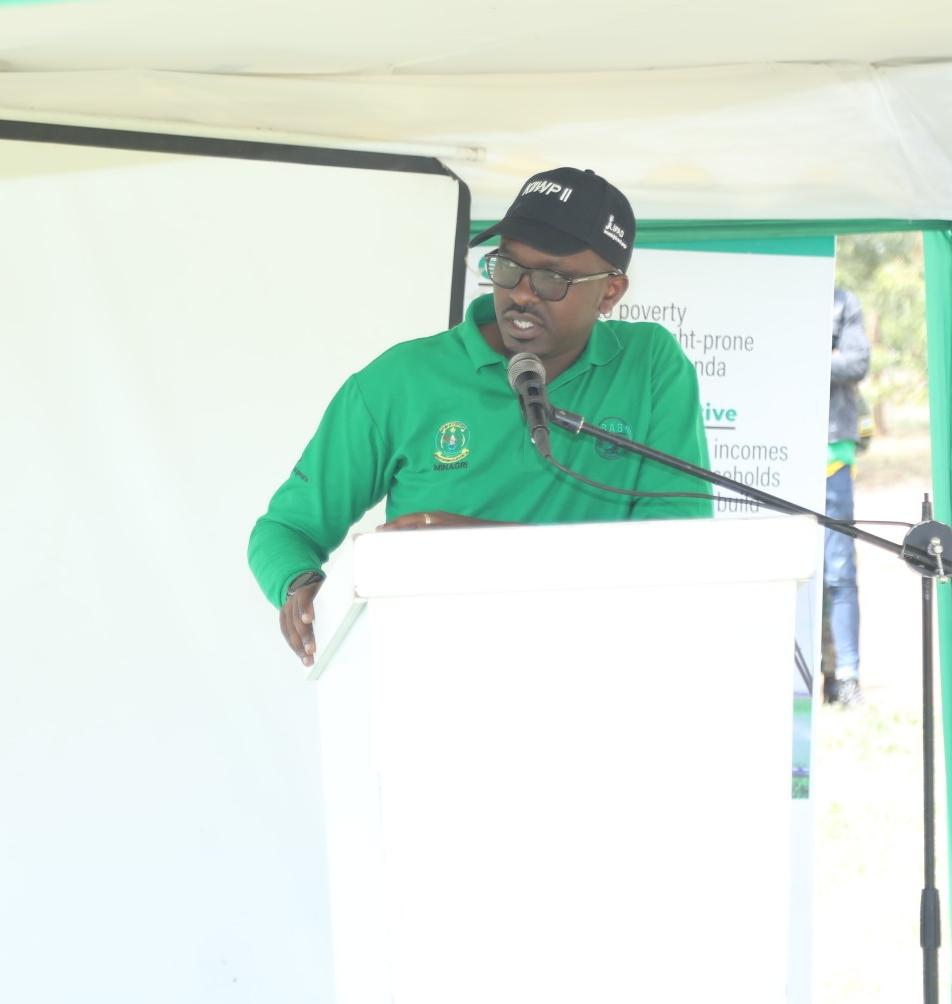
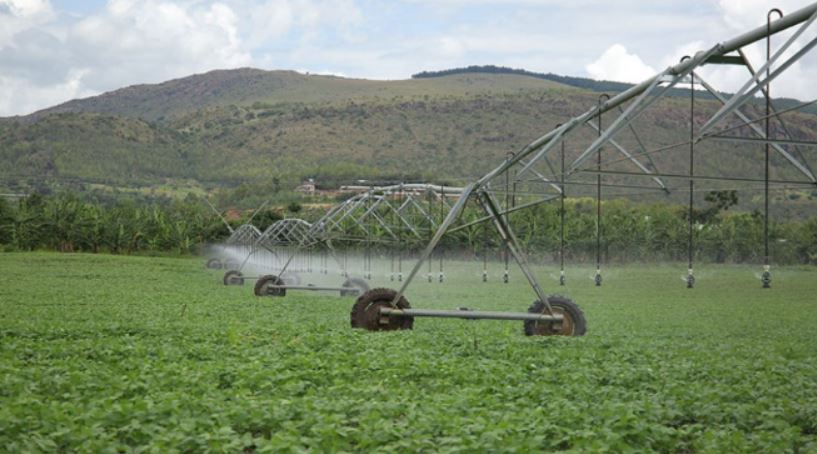
“We found better to launch the first phase of this project to be able to do more with the funds, it compiles various activities including but not limited to crop irrigation, planting crop-resilient trees such as fruits, soil inputs, farmer and livestock field school, water for cows and water for people among others,” Minister Mukeshimana explained.
Drought remains a threat to farmers’ livelihoods
Celestin Habarurema, former citizen from Ndego sector in Kayonza District who had relocated to Rwamagana District due to fear of Hunger caused by prolonged drought told The Inspirer that he had never had a good harvest since he started living in Kayonza in 1999.
“I relocated from this sector to Rwamagana District in 2012 due to drought that still persists until the moment, I used to come back here in Ndego sector because I still have some activities there. People used to get the government’s food aid as to prevent hunger,” he said.
The 50-year-old man said that it was a pleasure for them to hear that an irrigation project is coming to respond to the drought caused by climate change.
Not only Kayonza District is affected by drought, but also big parts of the Eastern Province like Bugesera, Ngoma and Kirehe Districts suffer from the same effects according to officials.
“When I was still a resident of the Ndego sector in this district, I used to grow sorghum and beans. Sorghum used to get dry at the earlier stage after developping stalks, beans could also get dry after blooming,” He added.
Habarurema said that he could plant 100 kilograms of beans on 1.5-hectare land and all would turn into loss due to drought.
Going by interpretation and average price for seeds, he was counting Rwf400,000 loss per season without considering manpower.
“During good period, I can say when we could have rain, one could harvest 3 tons of beans per 1.5 hectares, amounting to Rwf1.2 million revenues. Losing this harvest means a loss, ” He said.
From January until June 9, 2022, farmers testified it did not rain as expected in Ndego sector, and all the crops have been affected by such a persisting drought.

Timely interventions
“Following climatic history of this sector, this project comes as a response. We expect a lot from it and we believe irrigation will improve our agricultural income.” Habarurema said.
Concord Ngoga, 64, is another resident of Ndego sector in Kayonza District, in Kiyovu cell, Mwurire village.
He said that the government supported them with food aid including rice and beans by the end of 2021 when hunger was affecting them due to drought.
“Drought led us to lose 80 percent of yield we were expecting. This project is a comfort, and I hope it will bring our crops back to life,” he said.
Ngoga currently grows sorghum, cassava and beans on six hectares but better yield he got was only in 2016 and counted losses in the following years.
“I came here in 1997. The bad news is that I only got a yield of 84 sacs (8.4 tons) of sorghum on 4 hectares in 2016. I can’t grow sorghum now; I am trying with cassava,” he said.
“There has been change in weather patterns from January until May 1, 2022. All farmers who delayed to plant never got yield,” he said.
Farmers get between 4 and 8 tons of beans per hectare but all turned into losses due to prolonged dry spells.
Farmers also said that livestock especially cows have been suffering from hunger because even pastures were dried and no farmer can afford to plant other grass species.
theinspirerpublications@gmail.com




Leave a Reply