
Malaria is still spreading in Nyagatare despite ongoing efforts
By The Inspirer.
Despite continuous national efforts to fight malaria, Nyagatare District—especially Karangazi Sector—remains one of Rwanda’s most affected areas. This has raised an important question: Why is malaria still spreading so rapidly in this region?
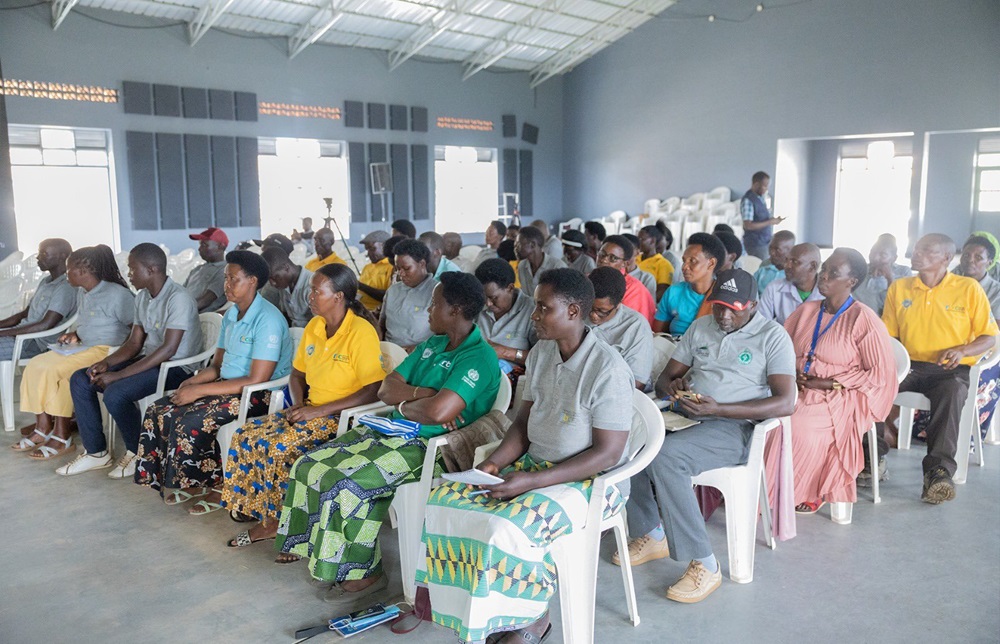
On February 22, 2025, community health workers in Karangazi received specialized training aimed at enhancing their role in combating malaria. The training, supported by the Rwanda Biomedical Center (RBC), SFH Rwanda, and the Nyagatare District leadership, focused on how malaria is transmitted, mosquito breeding habits, and up-to-date treatment methods.
Nyagatare ranks sixth nationally in terms of malaria prevalence with 4,810 reported cases. Karangazi Sector alone accounts for 3,163 cases—placing it second in the country for the highest number of infections.
Community health workers are seen as a frontline defense. In March 2025, they treated 68% of malaria patients in Nyagatare, and the majority of those patients recovered. So again, the question lingers: What’s fueling the persistent spread of malaria, even with such engagement from health workers?
Epaphrodite Habanabakize from RBC’s malaria control division says part of the issue is late health-seeking behavior among residents and persistent breeding grounds for mosquitoes. “When you empower community health workers, you bring healthcare closer to the people. But that’s only one part of the puzzle,” he explained.
Juliet Murekatete, Vice Mayor in charge of social affairs, acknowledged past limitations—each village had four community health workers, but only two were qualified to treat patients. The new training aims to close that gap.
For health worker Pauline Murekatete, the training has been an eye-opener. “I thought mosquitoes bred in bushes, but I learned that those are hiding spots, not breeding grounds. This knowledge changes how I educate my community,” she shared.
Trainer Gerard Habimana stressed that destroying breeding environments is crucial. “A single mosquito lays up to 200 eggs. If we don’t eliminate breeding sites, we’re fighting a losing battle.”
Meanwhile, RBC reports show a worrying trend: malaria cases rose from 613,415 in 2023/2024 to 657,365 by February 2025. The spike raises concerns about whether environmental factors, community practices, or health system gaps are undermining progress.
So, why is malaria still thriving in Nyagatare despite trained health workers and strategic interventions? The answer may lie in a deeper look at the social, environmental, and behavioral factors at play—areas where more targeted, long-term solutions may be urgently needed.




Leave a Reply