

How KIIWP2 Irrigation Facilities Helped Kayonza Farmers Increase Crop Productivity, Tackle Malnutrition
By Elias Hakizimana.
Farmers from the drought-affected sectors of Kayonza District report significant improvements in crop productivity and reductions in poverty and malnutrition, thanks to the Kayonza Irrigation and Integrated Watershed Management Project-Phase II (KIIWP2).
This project, aimed at combating poverty through sustainable irrigation, has been transformative for the local agricultural community.
The KIIWP2 project, launched to contribute to poverty reduction in the drought-prone Eastern Province of Rwanda, has the specific objective of ‘improving the food security and incomes of at least 40,000 rural households on a sustainable basis and building their climate resilience.’
The project’s intervention covers nine of the twelve sectors in Kayonza District: Gahini, Kabare, Kabarondo, Murama, Murundi, Mwiri, Ndego, Ruramira, and Rwinkwavu.

Significant Increase in Crop Production
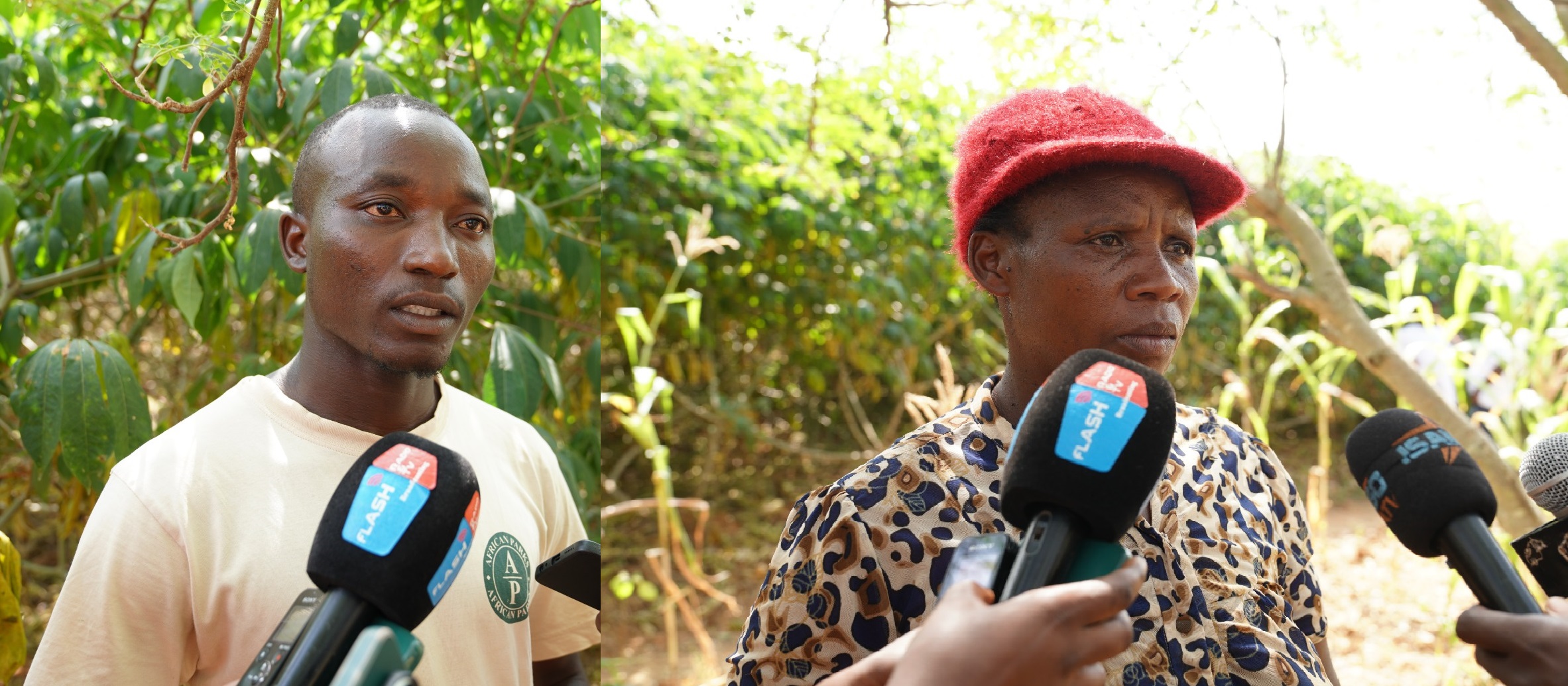
Pascal Nyandwi, president of the Terimbere Muhinzi Ndego-Byimana Cooperative in Ndego sector, highlights the project’s impact on their maize production.
“Before the project’s interventions, drought severely affected us, leading to significant losses. With solar-powered irrigation systems provided by KIIWP2, our maize production increased from 500 kilograms to 5 tons. The project also taught us how to prepare soil properly and use agricultural inputs, including quality seeds and fertilizers, contributing to household development and food security,” Nyandwi says.
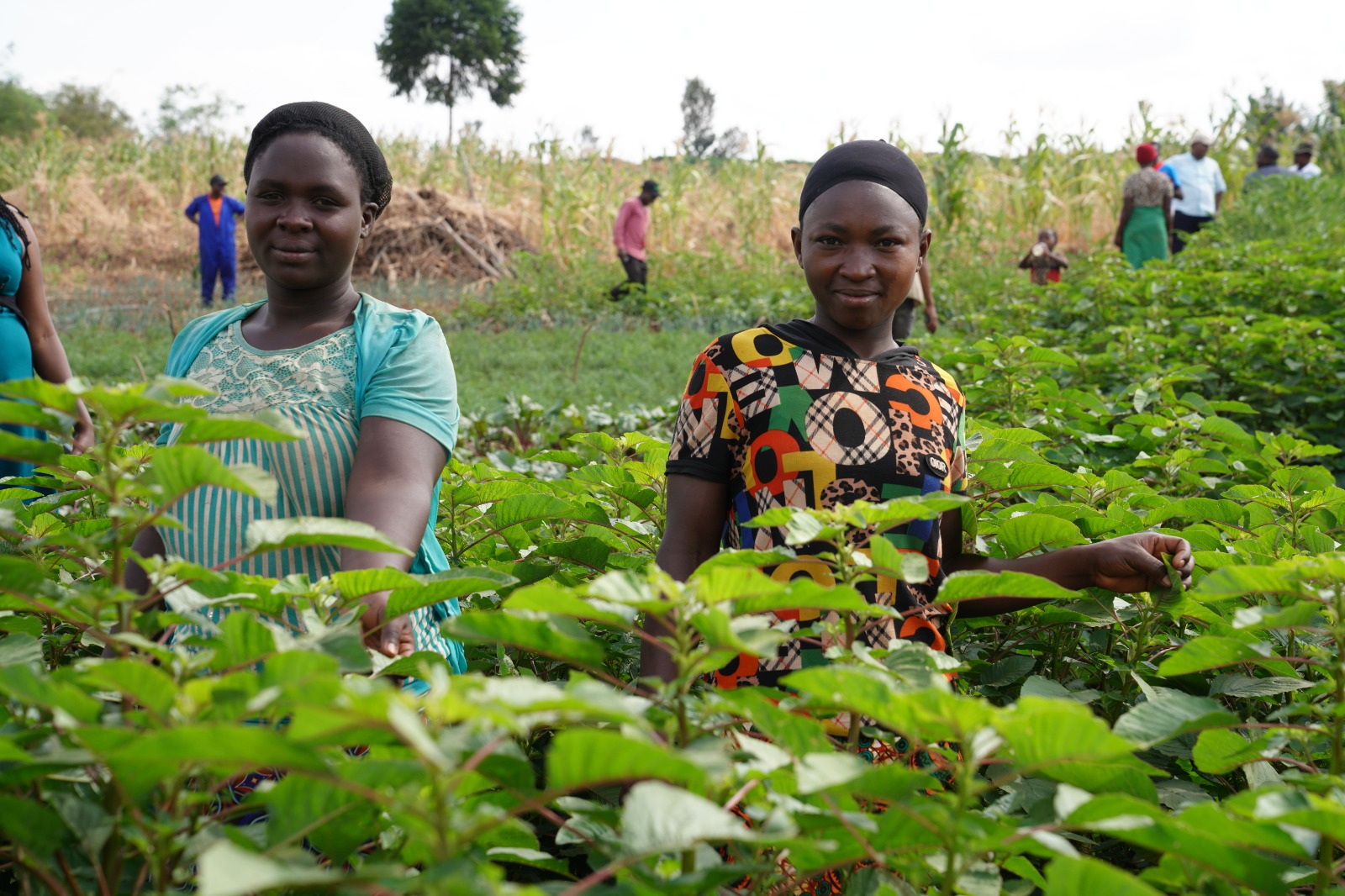
Gloriose Nyirarukundo, another cooperative member, praised the project’s support in boosting vegetable farming through farmer field schools (FFS).
“We now grow beans, vegetables, and fruits. Previously, we lacked irrigation, leading to frequent vegetable shortages and malnutrition. Thanks to KIIWP2, we now have irrigation systems, and no child in Byimana cell is undernourished. Our maize yield has also increased from 3-4 sacs to 15 sacs on half a hectare,” she adds.
Comprehensive Support for Farmers
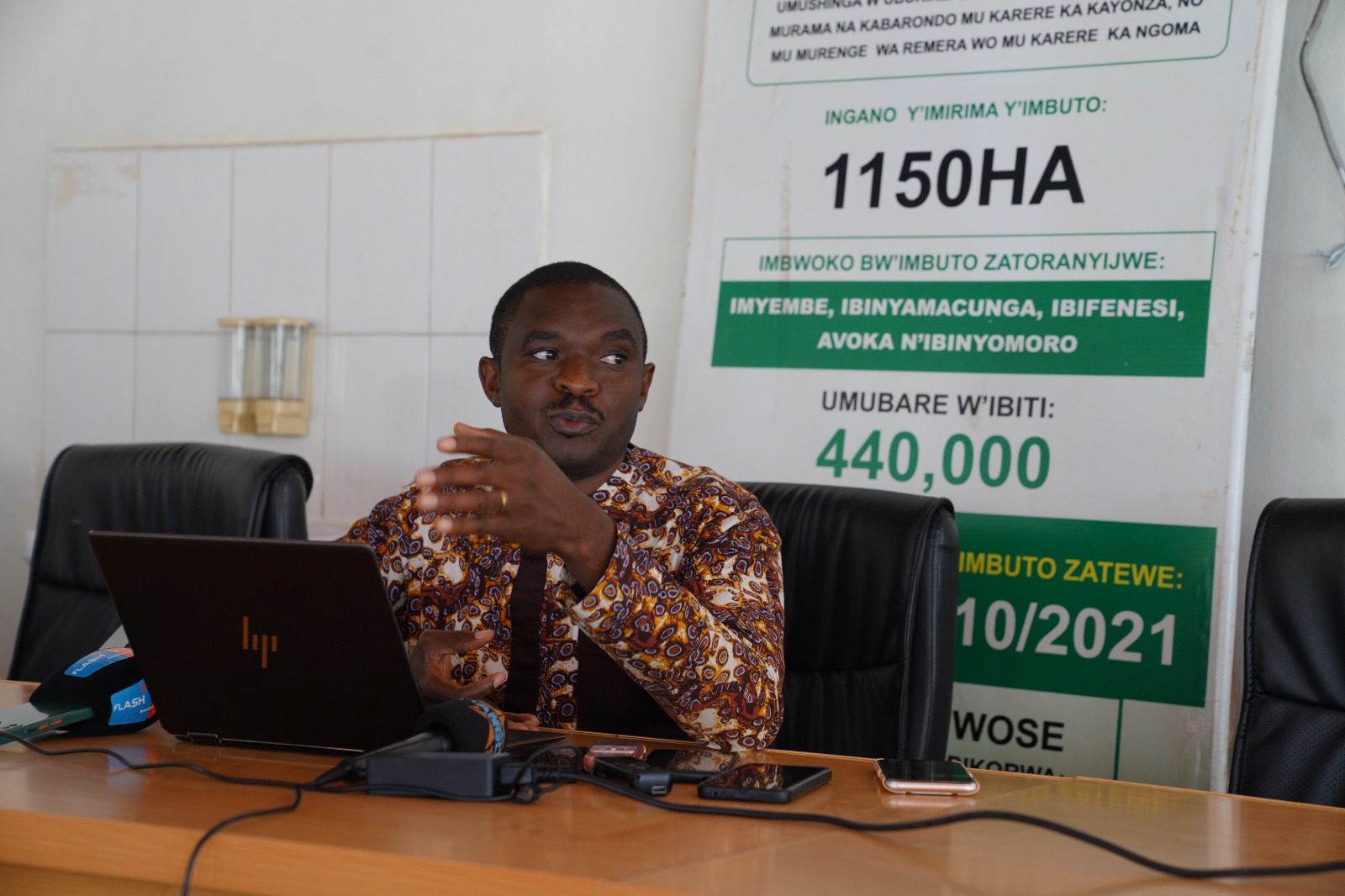
Theogene Uwitonze, KIIWP Manager, highlights the project’s comprehensive approach to supporting smallholder farmers, particularly women and youth.
“Recent assessments show a 30% increase in crop productivity for maize, yellow sweet potatoes, beans, fruits, and vegetables. We have reached 40,000 households, focusing on youth and women. We link farmers to markets and provide them with quality seeds and fertilizers, ensuring they get good returns for their produce,” he states.
Access to Markets
KIIWP2, initiated by the Government of Rwanda in collaboration with the International Fund for Agricultural Development (IFAD) and the Ministry of Agriculture and Animal Resources (MINAGRI), is implemented by the Rwanda Agriculture and Animal Resources Development Board (RAB).
The first phase, costing $20.93 million, laid a solid foundation for agricultural development. The second phase, with a budget of $61.025 million, aims to extend benefits to more households, enhance market linkages, and improve land and water management practices.
The project also focuses on climate-smart agriculture and developing farming-as-a-business skills through 550 Farmer Field Schools (FFS) and matching grants for equipment.
KIIWP2 has not only increased agricultural productivity but also built resilience against climate challenges, ensuring food security and improved livelihoods for Kayonza farmers.

theinspirerpublications@gmail.com



Leave a Reply