
How culture and heritage can be catalysts for climate resilience
By The Inspirer.
As global temperatures rise and natural disasters intensify, the world is rediscovering an overlooked ally in the fight against climate change — culture and heritage.
Across continents, traditional wisdom, ancient practices, and community stewardship are proving to be powerful tools for building resilience and shaping sustainable futures.
From the favelas of Rio to the wetlands of Mexico City, communities are merging cultural identity with climate adaptation. These local approaches are not only saving ecosystems but also reviving pride, memory, and belonging. Heritage, once seen merely as a relic of the past, is emerging as a cornerstone for a climate-ready future.
In Valencia, Spain, the Water Tribunal, recognized by UNESCO, has managed irrigation systems for over a thousand years through a community-led oral system. This ancient model balances water use, productivity, and social harmony — lessons increasingly vital as droughts grow more frequent.
In Saudi Arabia, the restoration of Diriyah Gate has gone beyond preserving mud-brick architecture; it has revived sustainable building traditions and trained a new generation of artisans in low-impact construction. Similarly, in Mexico City, the transformation of the abandoned Texcoco airport into a massive ecological park has restored wetlands, reduced flooding, and created green jobs — proof that history and sustainability can coexist.
These examples highlight a growing realization: climate resilience is not achieved by technology alone. It thrives when communities reconnect with their landscapes, traditions, and stories. “When people see themselves reflected in climate solutions,” notes sustainability expert Sarah Franklin, “they protect them more passionately.”
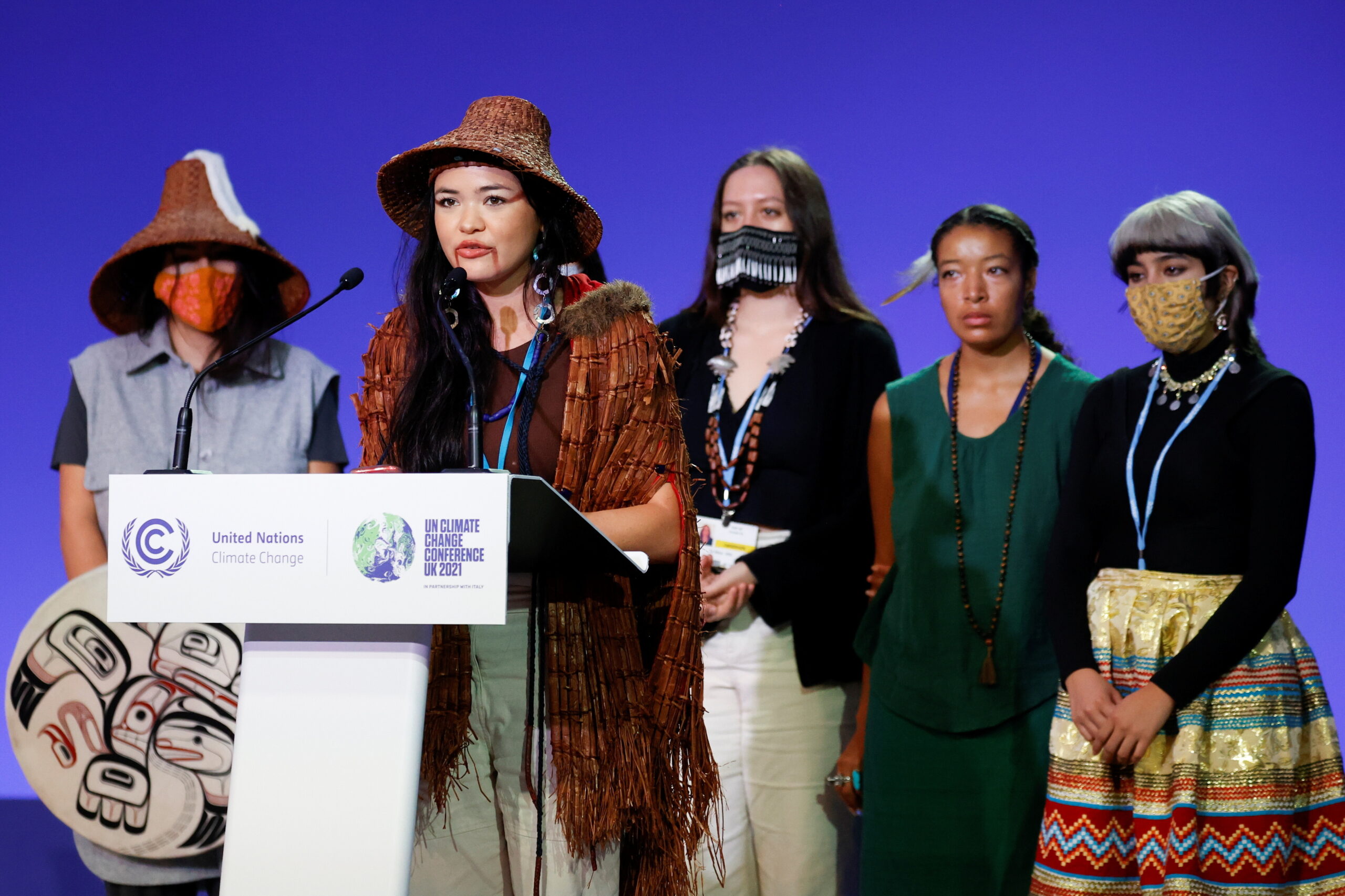
Yet, only 20 out of 65 countries include cultural heritage in their national climate plans. This gap limits the power of local knowledge that has guided societies for centuries — from Indigenous fire management in Australia to terraced farming in the Andes. Studies show Indigenous peoples, while less than 5% of the global population, safeguard over 80% of the planet’s biodiversity.
Integrating culture into urban planning, education, and policy can transform cities into “living archives” of adaptation. Heritage-led tourism, worth nearly $900 billion globally, can also fuel green economies while supporting conservation and employment.
As the world gathers for COP30 in Belém, the call is clear: move from principles to practice. Culture must no longer be an afterthought in climate strategy but a driving force — regenerating ecosystems, inspiring innovation, and ensuring no community is left behind.
Because resilience, at its heart, is not just about surviving change — it’s about remembering who we are while shaping the world we want to live in.
Source: www.weforum.org





Leave a Reply