
Homophobic attacks in the Human Rights context— A call to action
By Elias Hakizimana.
Systematic stigma, violence, and discrimination based on sexual orientation, gender identity, and expression, as well as sexual characteristics, are the main issues hindering the rights of sexual minorities in the African region.
The affected people, who are considered marginalized members of this community are grouped into various sexual orientations, such as Lesbians, Gay, Bisexual, Transgender, and Intersex (LGBTI).
Activists and advocating organizations have called for an end to the attacks these people face in the community.
A statement made recently by the Human Rights First Rwanda Association (HRFRA), revealed that the spread of hate speech against the LGBTI community has again sparked the issue of criminalization of the group.
“In the past few months, we have seen a spate of attacks directed towards people perceived or who identify as gay, lesbian, bisexual or transgender and Intersex through social media, radio, and TV stations,” Reads part of the statement.
“This vicious cycle of hatred against LGBTI people is being fueled every day. It impacts their social inclusion and hinders their access to healthcare, education, housing, employment, personal security, and freedom from violence,” it added.
The statement added that stigma at the root of violence and discrimination corrodes the social fabric. It affects values of fundamental importance, such as empathy, social inclusion, and solidarity.
“Positive and inclusive measures need to be taken on a legal and policy level, in full recognition and celebration of a diverse society,” reads the statement.
Human rights First Rwanda Association Lawyer Me Musangwa Jonathan emphasized: “It is time we all spoke up against the continued attack on the LGBTI community ‘’hate speech is punishable under the penal code of Rwanda.”
According to the Rwanda Penal Code on the Law determining offenses and penalties in general Nº68/2018 of 30/08/2018, Article 164 prohibits instigating divisions.
According to the law, A person who makes use of speech, writing, or any other act that divides people or may set them against each other or cause civil unrest on the basis of discrimination, commits an offense.
It adds that a person convicted of committing one of the acts referred to under paragraph one of this Article is liable to imprisonment for a term of not less than five (5) years but not more than seven (7) years and a fine of not less than five hundred thousand Rwandan francs (FRW 500,000) but not more than one million Rwandan francs (FRW 1,000,000).”
However, Musangwa says little has been done to the perpetrators as the responsibility for hate crimes rests with the perpetrators themselves and we all share a duty to counter intolerance and prejudice.
“Some have threatened to burn the clothes of a famous Rwanda designer and others have called to boycott all clothes from Moshions house for allegedly being gay,” he says. Adding that “some famous football promoters have taken to social media and other media outlets to spark the populace against the LGBTI community,” Musangwa says.
He adds that urgent action to combat Homophobia tendencies from State actors, including legislative, judicial, and executive, as well as non-state actors such as civil society, faith-based communities, the media, workers’ unions, and the private sector is paramount.
Another case involves a gay individual from Nyarugenge District, who identifies as a woman. Her name has been withheld by The Inspirer for security reasons. She was denied a rental house by a landlord who bluntly stated, “I cannot rent my house to a man who pierced his ears.”
Similarly, another gay individual known as Keza, also from Nyamirambo in Nyarugenge, was recently beaten in public for wearing a dress traditionally associated with women.
These are just a few examples of the many cases where the rights of LGBTQ individuals are violated. Others face discrimination in employment and are deprived of basic opportunities and dignity.
Calling for allyship to boost advocacy journey
The allyship creation with community change actors including Media, Civil society organizations, Legal aid providers, and stakeholders has been identified as a possible solution to defend the rights of LGBTQ+, thus strengthening advocacy through creating a comprehensive spectrum of allies.
Rwanda’s context
According to the observations by Human Rights activists, members of LGBTQ+ communities in Rwanda face higher rates of human rights abuses which include discrimination and violence than the general population.
Me. Juvens Kanyarushoki, senior legal officer at Human Rights First Rwanda Association (HRFRA) says that one of the main barriers facing LGBTQ+ individuals is that of stigma and fear of reprisal, where, even if they want to get help, they may be reluctant to disclose their sexual orientation or gender identity to service providers when such disclosure may mean facing future discrimination or denial of services.
Me. Kanyarushoki believes that the common understanding of sexual and gender minorities by civil society organizations, media, and the community will make a strong voice towards conducting effective advocacy.
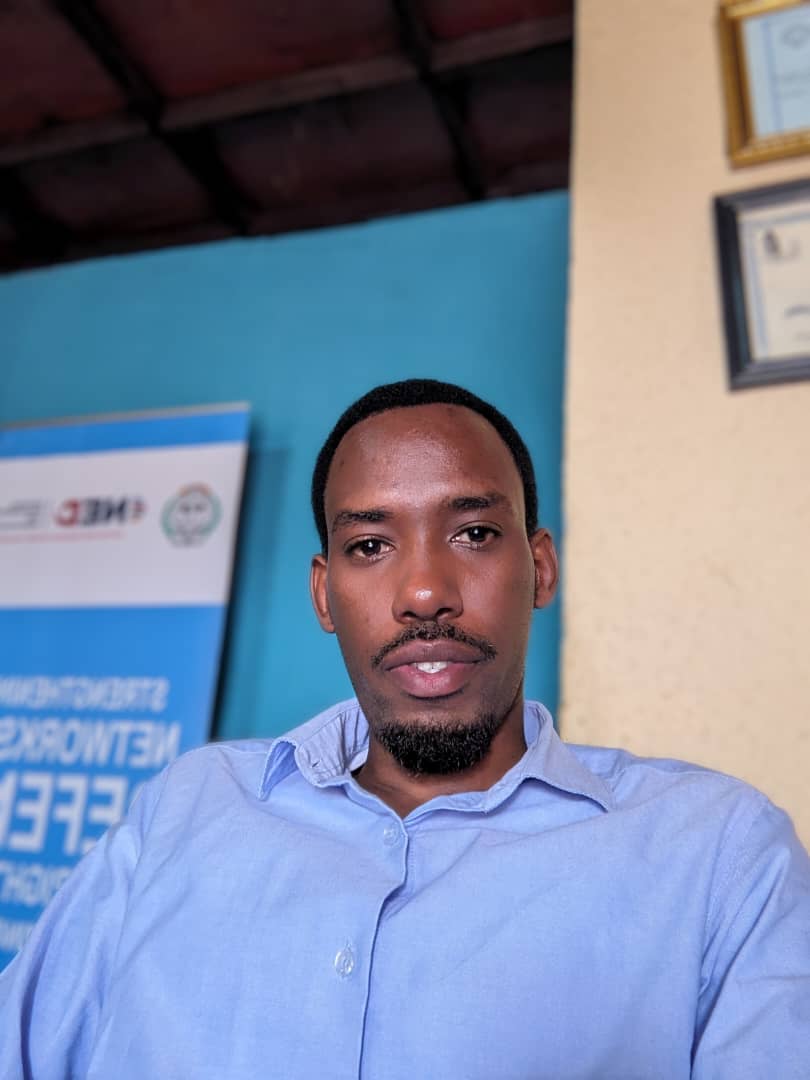
Me. Juvens Kanyarushoki, senior legal officer at Human Rights First Rwanda Association (HRFRA) during the interview with The Inspirer.
Currently, Rwanda’s laws have not yet made it clear that there are other gender identifications besides a man and a woman and the LGBTQ+ community.
Victims speak out
Clarisse, a transgender woman working as a Human Rights Activist is the Executive Director of Winners Family, a local organization in Rwanda of transgender women who strive for the rights of the LGBTQ+ community in Kayonza district, Eastern Rwanda, she says that most of the persisting challenges of this community are limited to the culture and religious beliefs.
(She) says that the Government has done a lot to ensure inclusive rights such as access to justice for all but calls for more efforts to curb discrimination against the LGBTQ+ community.
“We can see discrimination in the churches, at the workplaces, and in job competition as well as in other services,” Clarisse said.
Another transman who did not want to reveal his name defines some barriers to their community, including family exclusion and friends’ misunderstanding.
“Our families exclude us, and we become homeless, we are fired from schools, and we are limited to accessing other various services while we do have knowledge and skills like other Rwandans,” he said.
Deprivation of the right to peaceful assembly
Deprivation of the right to peaceful assembly and the freedom of association including the registration of the LGBTIQ+ organizations in their countries and in the region at large has also been among the raised issues hindering the rights of sexual minorities across the East African Region.
Nicole, a trans-man from the Democratic Republic of Congo says that discrimination against LGBTIQ+ people is engrained in DRC’s society.
“Many LGBTQ+ people in DRC have been subjected to torture or cruel, inhuman, and degrading treatment or arbitrary arrests based on their real sexual orientation and gender identity, at the hands of State actors and other society members. In fact, they do not have the right to freedom of association and assembly, and their organizations are not granted registration certificates.” (she) says.
Kenyan Mwangi, a trans-woman states that Kenya is governed by an expansive, values-based constitution that asserts principles of anti-discrimination, inclusion, and human rights promotion.
“The 2010 Kenyan Constitution recognizes the aspirations of all Kenyans for a government based on the essential values of human rights, equality, freedom, democracy, social justice, and the rule of law and the Kenyan Bill of Rights guarantees broad protections.” Says Mwangi.
However, Mwangi adds that despite this progressive constitution, Kenya’s penal code continues to criminalize “carnal knowledge against the order of nature,” and same-sex conduct is punishable.
Mr. AMUTWENDIZE Rodgers, a Lawyer who works with Human Rights First Rwanda Association pointed out that, “Preventing sexual minorities from registering their organization and to deny them their right to peaceful assembly such as meeting for prayers and other gatherings as other members of the community, is a big challenge and societal problem and a violation of their human rights,”
theinspirerpublications@gmail.com




Leave a Reply