
Health Benefits of Basmati Rice: A Nutritional Overview
By Xaverine CYIZA.
In recent times, health professionals have emphasized the nutritional advantages of incorporating Basmati rice into one’s diet compared to the more common white rice.
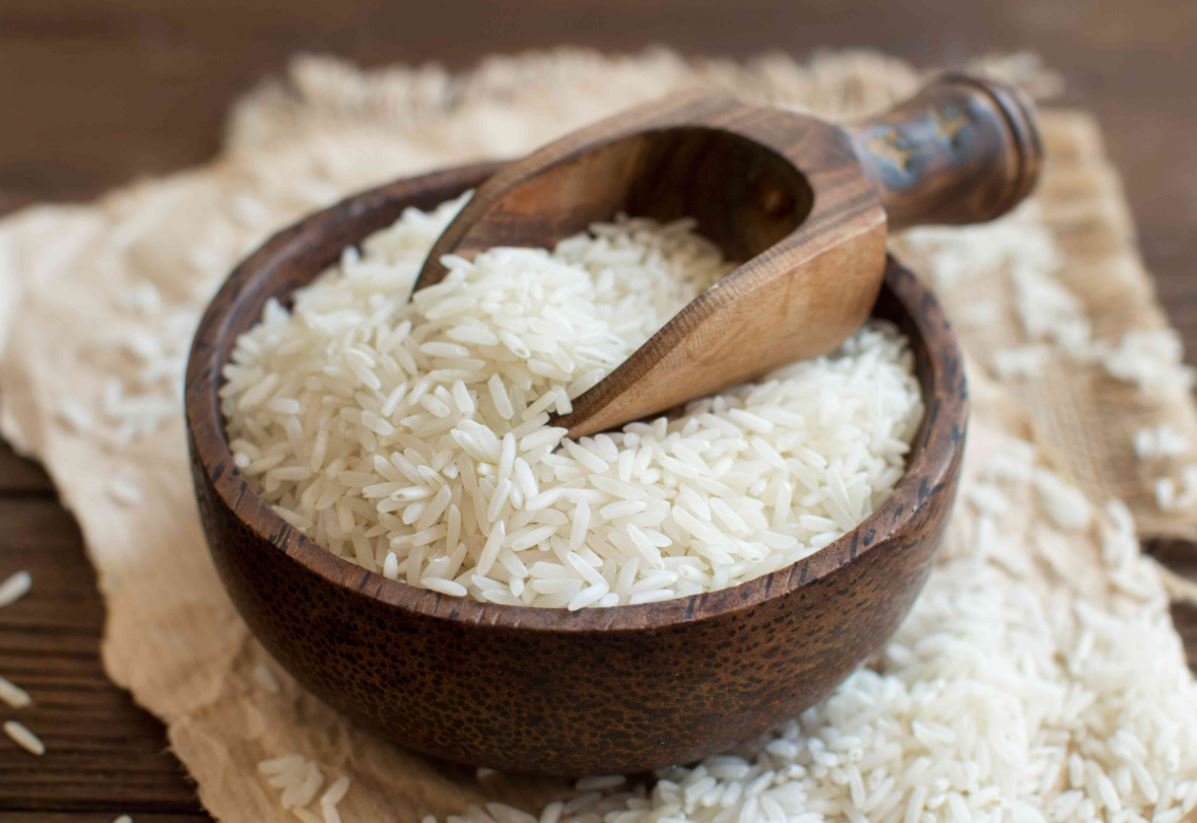
Basmati rice finds its origins in the Himalayan valleys, situated between Pakistan and India. Known for its finer grain and lower starch content, Basmati rice has gained popularity not only for its taste but also for its distinct nutritional profile.
While acknowledging its robust flavor that might not appeal to everyone, experts highlight the numerous health benefits associated with Basmati rice consumption.
Fiber Content and Glycemic Index
Basmati rice is notably high in fiber content, which plays a pivotal role in improving its glycemic index. This characteristic makes it a favorable option for individuals concerned about blood glucose levels. However, Priyadarshini Akula, M.Sc., a nutritionist from India, advises moderation due to its carbohydrate content, potentially leading to blood sugar spikes.
Heart Health:
Whole grains, such as Basmati rice, have been linked to a reduced risk of heart disease, according to health experts. These grains aid in lowering blood cholesterol levels and mitigating the risk of high blood pressure—an established factor contributing to heart-related issues.
Diabetes Management
The low glycemic index of Basmati rice, attributed to its low starch content, makes it a suitable choice for individuals with diabetes. Its consumption is less likely to cause abrupt spikes in blood sugar levels, aligning it with dietary recommendations for those managing diabetes.
Recommended for Children
Experts recommend Basmati rice for one-year-old children, as it contributes to their daily requirements of carbohydrates and fiber. Additionally, its inclusion in their diet promotes dietary diversity, supporting overall nutritional needs during early development.
Despite its nutritional benefits, it is crucial to be aware of potential pesticide residues in Basmati rice, depending on cultivation and processing methods. Many producers employ pesticides in crop cultivation, raising concerns about the presence of these chemicals in the final product.
Basmati rice emerges as a healthier alternative to white rice, offering improved fiber content, a lower glycemic index, and various health benefits. While its strong flavor may not be universally appreciated, its positive impact on heart health and suitability for individuals with diabetes make it a noteworthy addition to a balanced diet.
theinspirerpublications@gmail.com




Leave a Reply