
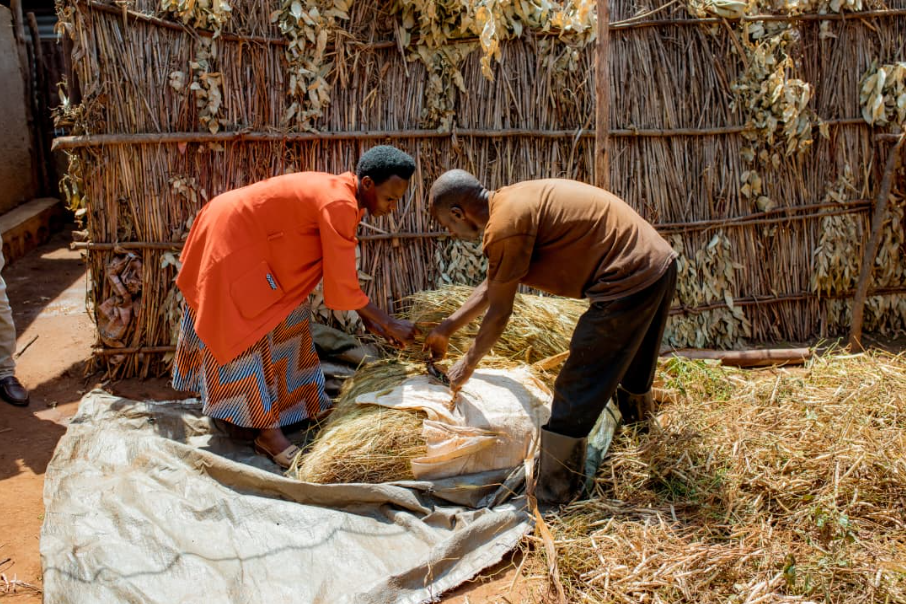
From family conflict to shared prosperity: How GALS is transforming couples’ wellbeing in Kayonza
By Elias Hakizimana.
Families in Kayonza District who once struggled with persistent household conflicts say their lives are being reshaped by a participatory behaviour-change and development approach known as the Gender Action Learning System (GALS).
Couples report improved trust, joint decision-making and tangible economic progress after embracing the methodology, which encourages women and men to plan their futures together using visual tools.
GALS was introduced in Kayonza through the second phase of the Kayonza Irrigation and Integrated Watershed Management Project (KIIWP2), implemented by the International Fund for Agricultural Development (IFAD) in partnership with the Rwanda Agriculture and Animal Resources Development Board (RAB).
The approach focuses on resolving gender-based inequalities at household level, which project implementers say are often at the root of poverty, low productivity and family instability.
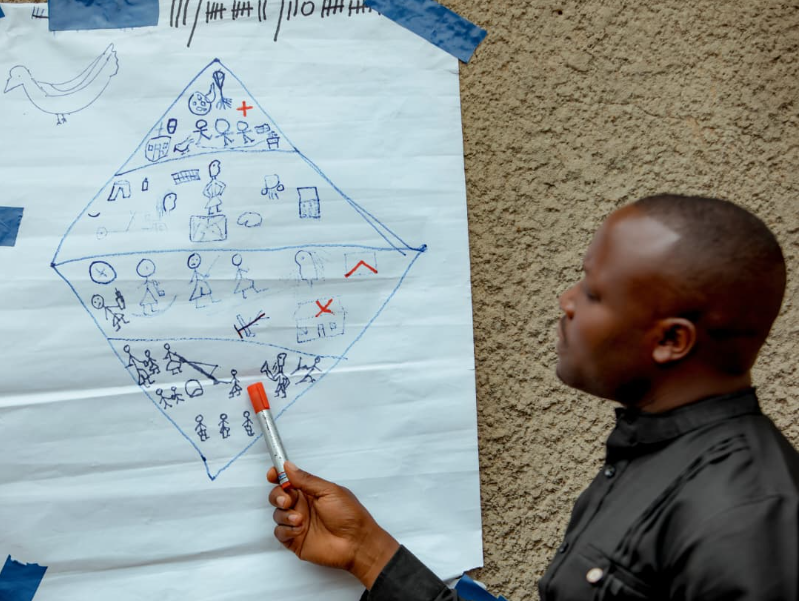
Under GALS, couples and families draw their visions for a better life, analyse who does what at home and on the farm, and agree on fairer ways to share responsibilities, income and decision-making. The approach is now credited with reducing domestic tensions while accelerating economic development among participating households.
Beathe Uwaritatse, a GALS lesson representative from Kabarondo Sector, says the methodology has reached deep into communities.
“So far, we have trained about 16,000 people, and more than 5,000 others are still attending GALS classes,” she says.
Uwaritatse explains that the model revolves around three main pillars commonly used by facilitators at community level: a shared dream of sustainable growth, the gender equality and equity tree, and the diamond dream that helps households prioritise and protect their most important goals.
“For us rural farmers, most dreams point to agricultural development, building decent houses and expanding income sources,” she notes.
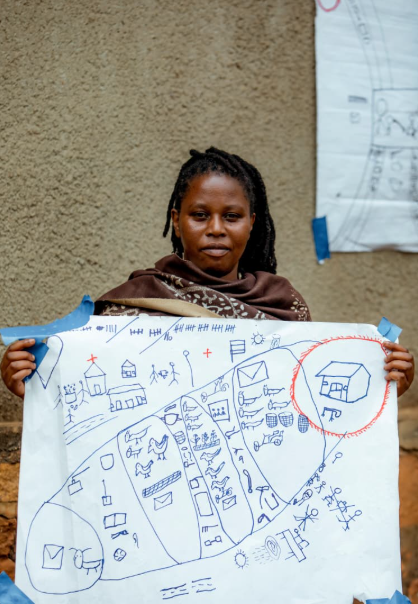
She says exposure visits organised through KIIWP2 helped local champions see what was possible.
“I travelled to areas like Huye and Nyagatare where GALS had already yielded results. Back home, many champions stopped family conflicts, bought land, built greenhouses, expanded farming and invested in small businesses,” Uwaritatse adds.
For Donat Musabyumuremyi, a father of three from Kabarondo Sector, GALS marked a turning point in his marriage and livelihood. Having dropped out of school because of poverty, he says he carried harmful attitudes into adulthood.
“Before GALS, I took my wife’s entire salary and decided alone how to use it,” he recalls. “She became stressed and sick, while our home was never peaceful.”
After joining GALS lessons, Musabyumuremyi says his mindset changed. As a trained champion, he was later selected for a learning tour in Ngoma District, where he received a facilitation allowance of RWF 97,000.
“When I returned, I combined what remained with my wife’s salary and enrolled in culinary training,” he says. “I earned a certificate and now work as a professional caterer. We are a happy family.”
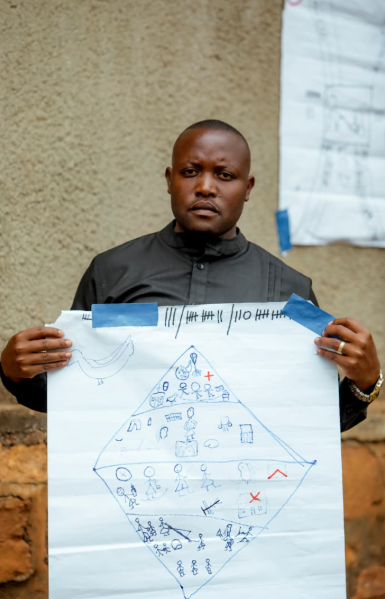
He believes GALS should be introduced to young couples before marriage.
“It prepares people for equality, wealth creation and peaceful homes,” he says.
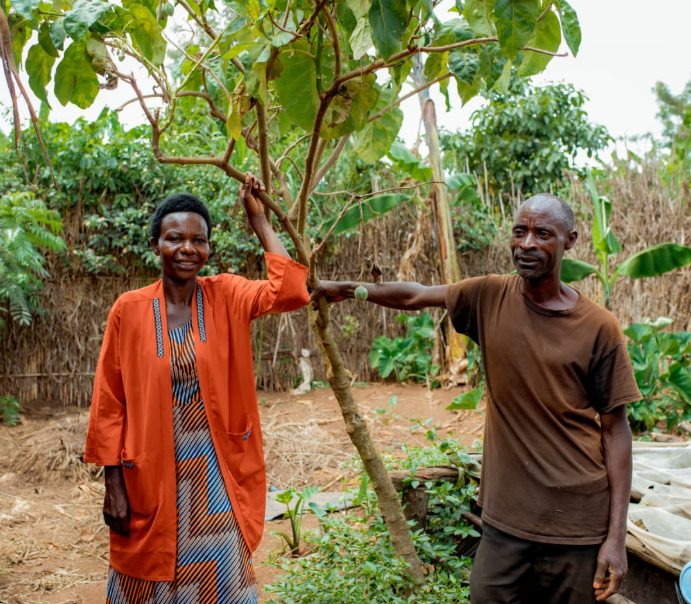
In Gahini Sector, Odette Nyirahabimana says the approach helped her confront her own role in perpetuating inequality.
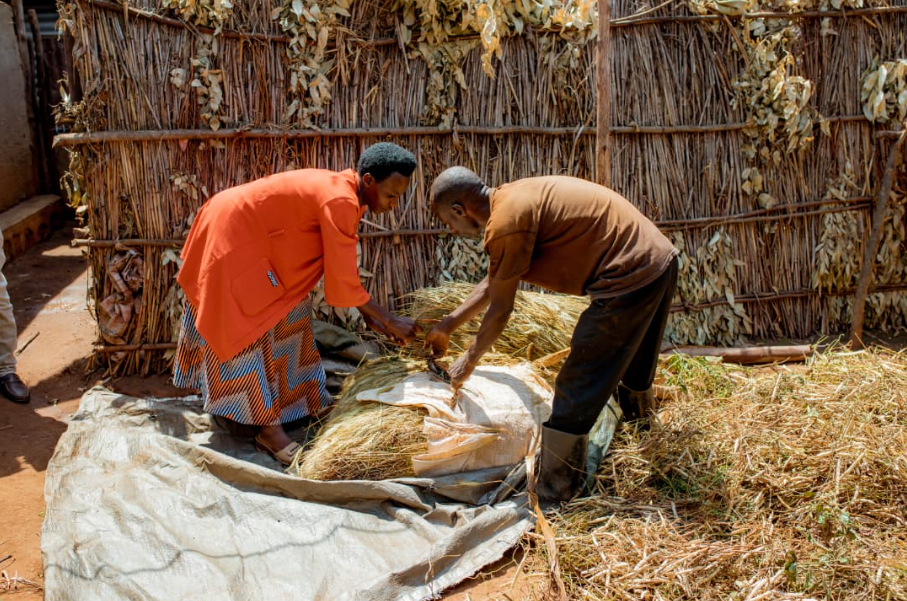
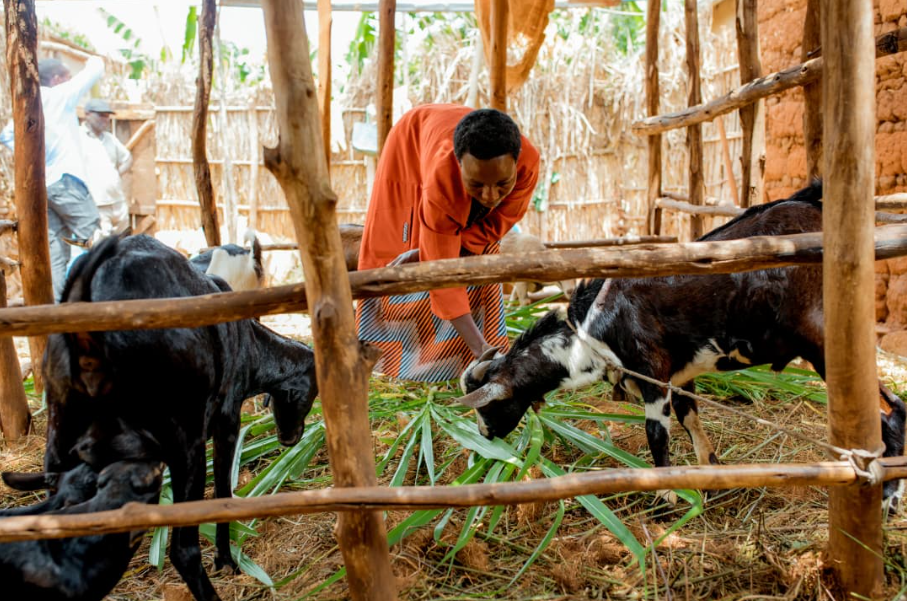
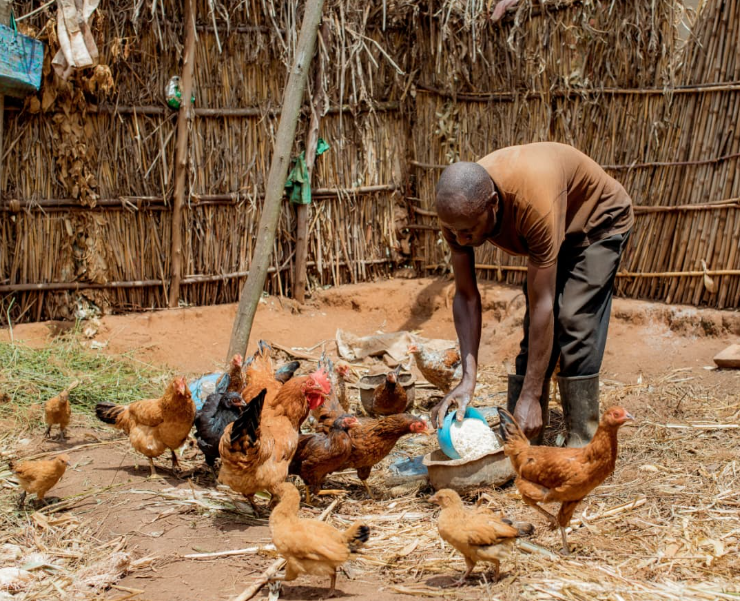
“I used to leave almost all household and farm responsibilities to my husband,” she says. “Even after farming together, he would continue fetching water, firewood and forage while I rested.”
Through the gender equality tree tool, Nyirahabimana says she realised the imbalance was harming both her husband and their development. Together, they set three shared goals: expanding their land, paying school fees for their children and building a decent house. “GALS illuminated our home, our lives and our future,” she says.
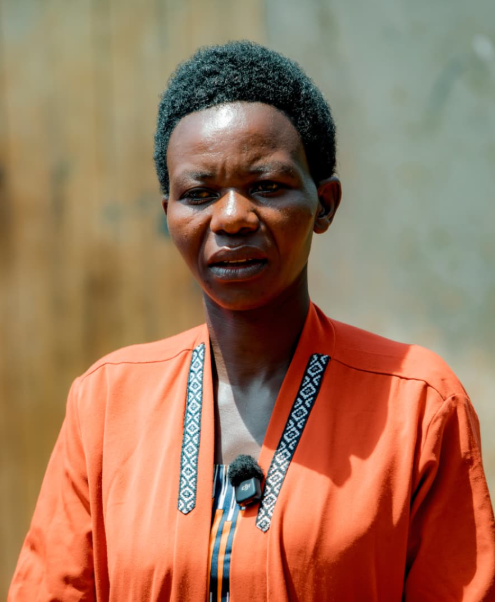
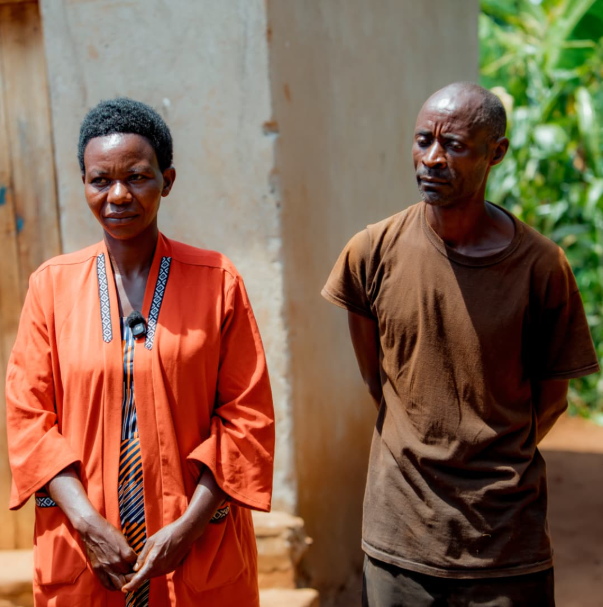
Trust between the couple has since grown to the extent that financial decisions are no longer a source of conflict. Nyirahabimana recalls selling a cow for RWF 510,000 to buy land while her husband was away. “When I informed him later, he congratulated me,” she says.
Her husband, Pascal Ntirimeninda, admits he initially doubted the approach. “I did not understand GALS at first, but I lived with silent anger,” he says. “I carried all the household burdens alone and dreamed of harmony without knowing how to achieve it.”
After his wife joined the lessons, Ntirimeninda says the situation changed. “She understood my vulnerability and began sharing responsibilities she had never done before,” he says.
The couple now serves as GALS champions, training others in their community. “We have already taught more than 100 people because the approach transformed our own family,” he adds.
At district level, local leaders say the impact goes beyond individual households.
Catherine Tunga, the Kayonza District Coordinator of the National Women Council, says GALS has helped redefine what a stable family looks like.
“It is not only about gender equality, but about building capable, safe and developed households,” she says.
According to Tunga, out of about 1,000 couples recently trained, roughly 800 have registered clear positive change. She adds that GALS has also strengthened savings culture.
“Women and men are joining Village Savings and Loan Associations (VSLAs) together. A VSLA of 30 women can now share up to RWF 15 million at the end of the year,” she notes.
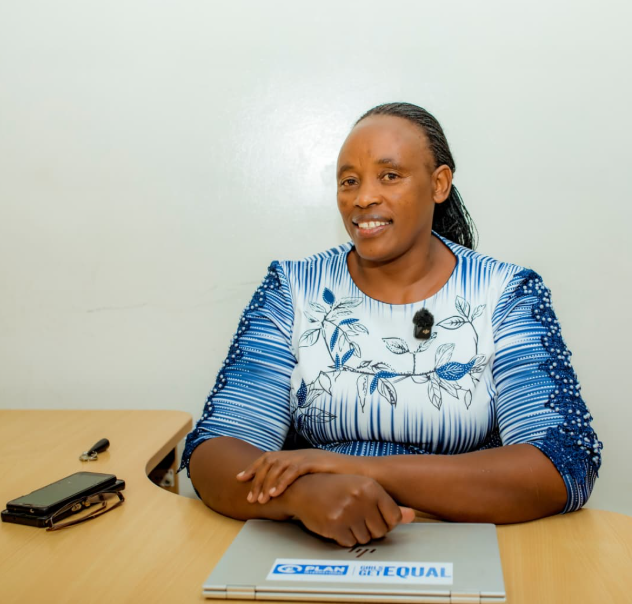
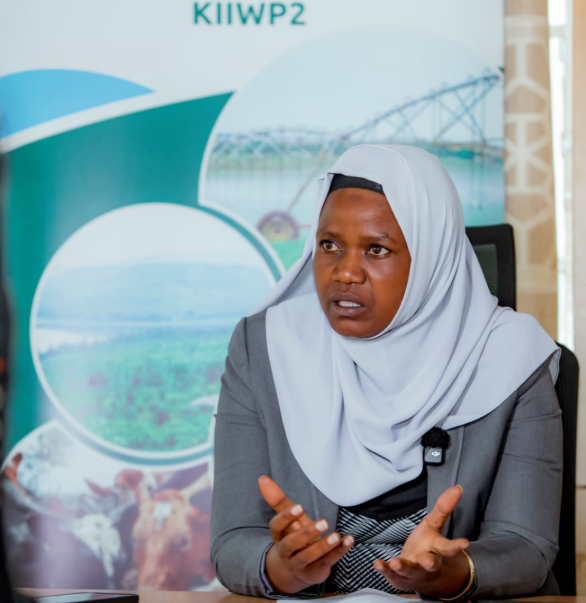
Shakila Gisa, Community Development, Gender and Youth Specialist at RAB-SPIU, says evidence from the field shows GALS is addressing community challenges at scale.
“Based on testimonies, the approach solves up to 80 percent of household-level social and economic issues,” she says.
Gisa adds that attitudes toward gender equality have shifted significantly. “Before, the concept was poorly understood. Today, more than 500 couples in Kayonza have decided to legalise their marriages after going through GALS,” she says.
Currently, about 20,000 families in Kayonza have received GALS education, with only around 600 still facing unresolved conflicts. Through a network of 1,200 trained trainers of trainers, each champion is expected to reach at least 20 new households every year. The target is to train 40,000 families across the district by 2028.
For couples already benefiting, GALS is no longer just a methodology but a shared language for peace, planning and prosperity.
theinspirerpublications@gmail.com


Leave a Reply