

[Featured]: RWAJEFBA excited over great potential for Jersey dairy breed in Rwanda and joins effort in its promotion
By Elias HAKIZIMANA.
In a concerted effort to increase the proportion of the dairy cattle population comprised of higher-producing ‘exotic’ breeds, such as Jersey, in Rwanda, the newly formed Rwanda Jersey Farmers and Breeders Association (RWAJEFBA) is making significant strides in promoting sustainable Jersey cattle farming through targeted genetic improvement and crossbreeding programs.
Established just three months ago, RWAJEFBA joins the existing efforts and initiatives of promoting the Jersey breed by supporting smallholder farmers in accessing quality Jersey breeding stock and advancing the overall promotion of the breed in Rwanda.
Cosmas Ntare, President of RWAJEFBA, underscores the association’s commitment:
“Our vision is to be the leading Rwandan and regional Jersey farmers and breeders’ organization through sustainable production of high-quality Jersey cattle and products.” This vision is driven by a clear understanding of the breed’s comparative advantages and the growing demand for Jersey cows in Rwanda and the region.
Addressing farmers’ challenges
Jersey cattle farmers in Rwanda face numerous challenges that threaten the sustainability of their operations. Among the most pressing issues are inadequate and unreliable veterinary services, particularly in artificial insemination (AI), which has led to breeding inefficiencies and production losses.

“AI services have faced challenges in reliability, with inconsistent conception rates and limited access to quality semen, which have posed significant difficulties for our farmers. RWAJEFBA is addressing these issues through a multi-faceted approach that includes advocacy, capacity building, and strategic partnerships,” explains Cosmas.
The association is actively working to forge collaborations with key stakeholders such as the Rwanda Agricultural and Animal Resources Board (RAB) and the Rwanda Council of Veterinary Doctors (RCVD) to ensure that members have access to reliable AI and veterinary services.
“We are committed to supporting our members by facilitating access to high-quality Jersey semen and ensuring that veterinary services are available and effective,” says Cosmas.
Enhancing the quality of Jersey cattle
Central to RWAJEFBA’s mission is the improvement of Jersey cattle genetics and the professionalization of farming practices among its members. The association places strong emphasis on using high-quality semen to produce superior offspring, which will help maintain the purity and productivity of the Jersey breed in Rwanda.
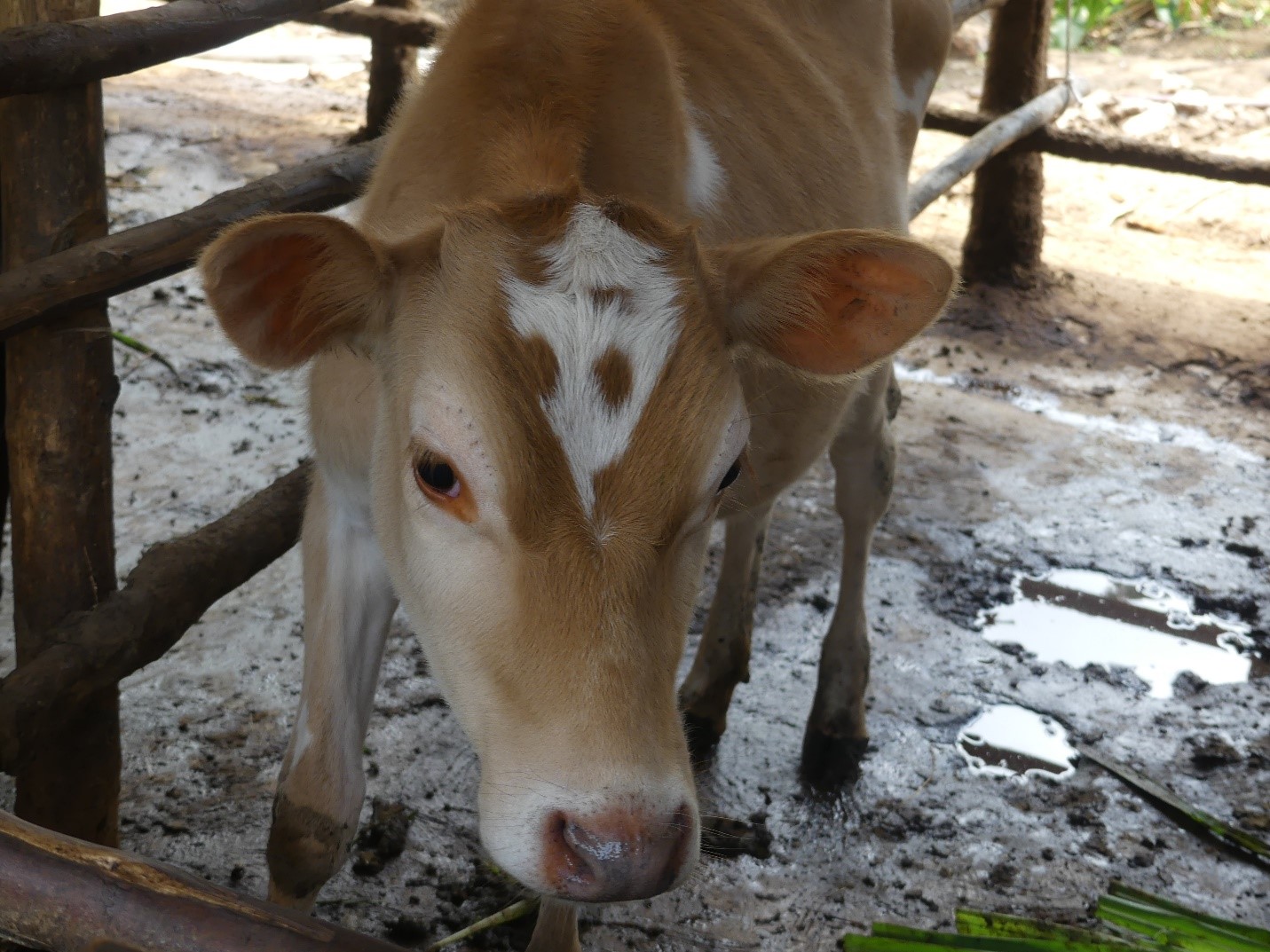
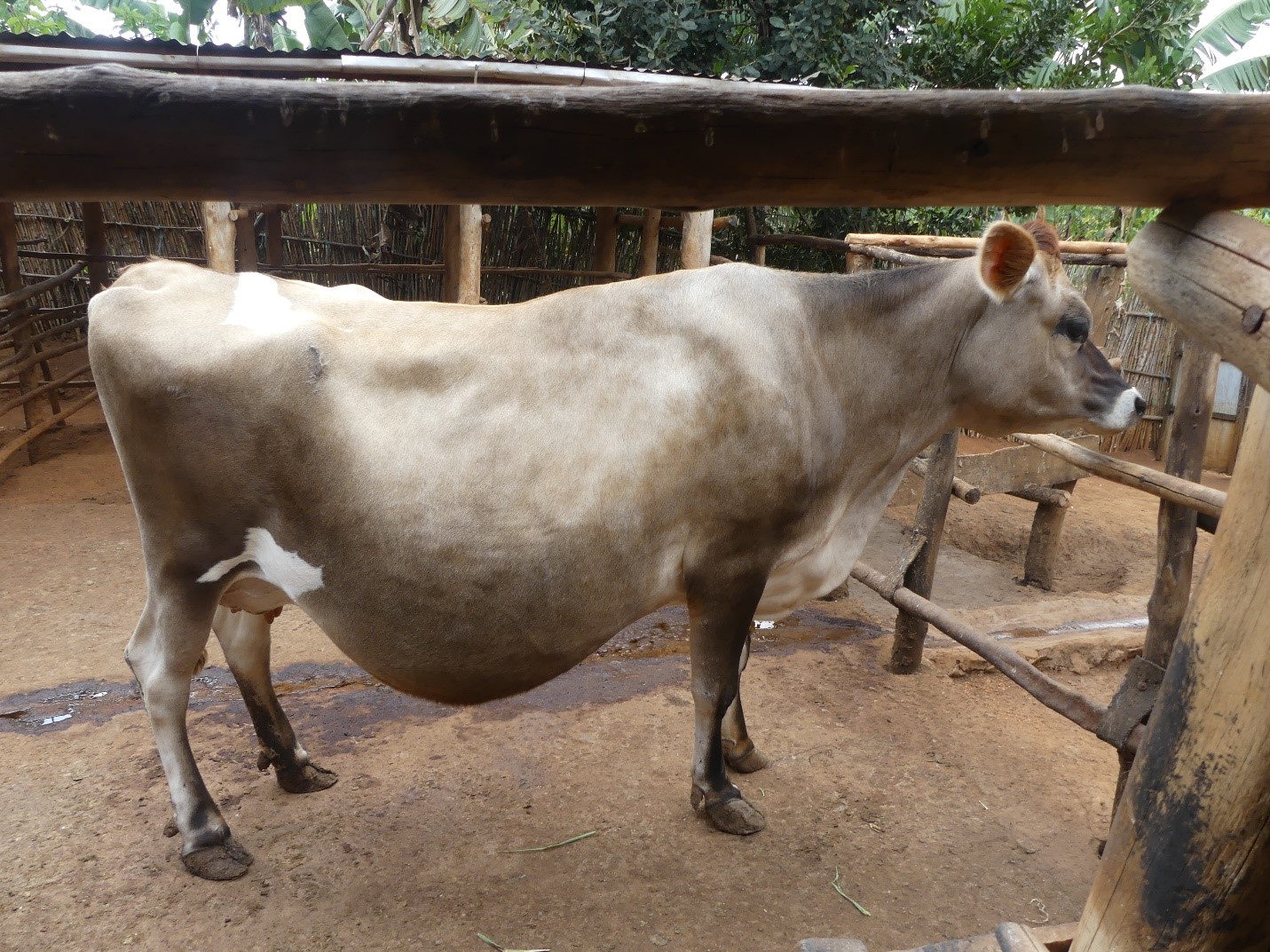
Jersey cows, though smaller than other dairy breeds, are cost-effective for small-scale farmers as they can thrive in smaller spaces and pasture. They also mature and reproduce quickly, offering an extended milking period, and are highly resistant to diseases caused by parasites.
The cows are efficient in converting nutrients into high-quality milk, rich in fat and protein, and into quality manure. Moreover, they tolerate heat better than other exotic breeds and are easy to manage, making them ideal for smallholder farmers.
Leveraging the Agri-show platform
RWAJEFBA’s presence at the recently concluded 17th Rwanda Agri-show was a strategic move to amplify its outreach efforts and attract new members. The event provided a unique opportunity for the association to engage with a wide audience of livestock farmers, many of whom were unfamiliar with the benefits of Jersey cattle.
“Our goal is to meet as many farmers as possible, educate them about Jersey cattle, and encourage them to join our association,” Cosmas notes.

By participating in such events, RWAJEFBA extends its influence and promotes the advantages of Jersey cattle on a larger scale.
Farmer experiences with Jersey Cattle
Flora Uwera, a 79-year-old farmer from Sabiro Village in Cyuru Cell, Rukomo Sector, Gicumbi District, shared her success story as a member of RWAJEFBA. Having raised Jersey cows since 2003, she credits them with transforming her family’s financial well-being.

“I began raising Jersey cows in 2003, and they have played a crucial role in improving my family’s financial status. With the income from these cows, I was able to build a decent house, pay school fees for my children through university, and expand our land to grow forage for the cows and other crops,” Uwera shared.
Uwera highlighted the advantages of being a part of RWAJEFBA, stating, “The association has been helpful. It has allowed me to connect with fellow Jersey farmers, share knowledge, and experiences. Jersey cows are known for producing high-quality milk, and I truly appreciate RWAJEFBA’s dedication to advancing jersey breed.”

Jean Damascène Ngendahayo, 56, from Rusekabuye Village, Mahaza Cell, Ntarabana Sector in Rulindo District, reflected on his transition from raising traditional cows to Jersey breeds.
“About two decades ago, I began raising traditional cows that I inherited from my father. These cows only produced 2 to 3 liters of milk per day. In 2009, a project was introduced in our area, and I received a Friesian cow as a beneficiary. While Friesians produce more milk, they require a lot of feed. In 2012, I purchased a Jersey cow, which doesn’t consume as much yet provides milk for an extended period,” Ngendahayo explained.
Being part of RWAJEFBA has been beneficial for Ngendahayo: “Our aim is to boost milk production and inspire other farmers to use Jersey semen for inseminating their cows.”
Future outlook: Expanding jersey farming
Looking ahead, RWAJEFBA has outlined a comprehensive action plan to further strengthen Jersey farming in Rwanda. Key priorities include conducting nationwide assessments to establish a database of Jersey farmers, providing targeted training sessions on breeding techniques, and ensuring consistent access to high-quality semen.

The association plans to expand its outreach by participating in district-level exhibitions and leveraging local government events to disseminate information about Jersey cattle.
“Our strategy is to increase the number of Jersey cattle in the country while ensuring that farmers have the necessary resources and knowledge to succeed,” says Cosmas.
With a focus on best farming practices and strategic partnerships, RWAJEFBA is well-positioned to significantly contribute to promoting Jersey cattle farming in Rwanda, in line with the nation’s broader agricultural and economic goals.




theinspirerpublications@gmail.com


Leave a Reply