
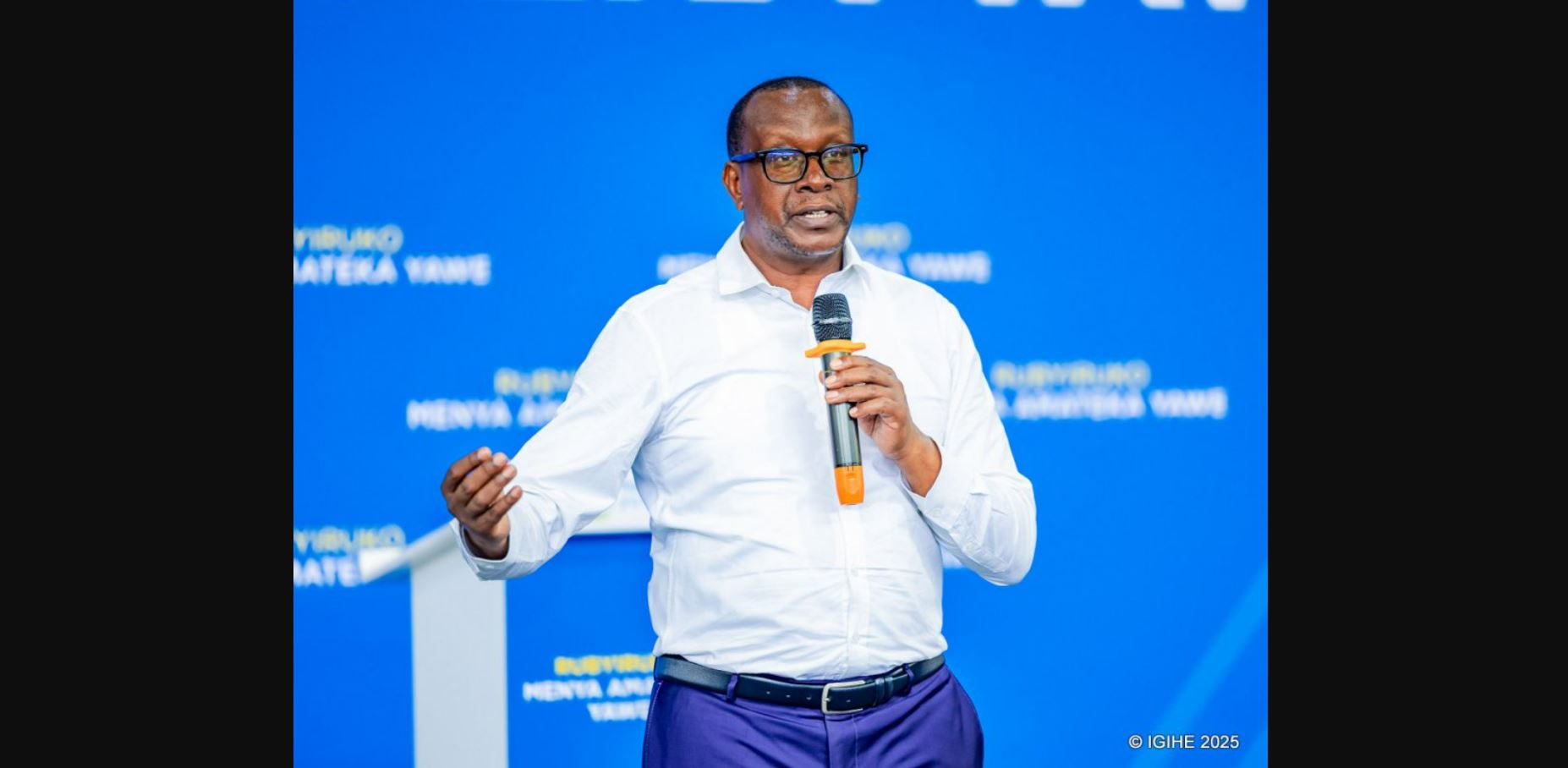
Dr. Bizimana on the ongoing fight against genocide ideology: “it’s not like treating Malaria”
By The Inspirer.
Dr. Bizimana Jean Damascène, the Minister of National Unity and Civic Engagement, has emphasized that addressing genocide ideology is an ongoing process, as those who harbor it continue to revive and spread it.
He urged people, especially survivors of the 1994 Genocide against the Tutsi, to remain strong and support one another in the face of such challenges.
While engaging with young people in Kigali, Dr. Bizimana was asked why some members of the younger generation exhibit genocide ideology despite being born after the genocide, and what measures can be taken to eradicate it completely.
He explained that genocide ideology is something that is transmitted across generations, with some young people inheriting it from those around them.
He also noted that eradicating this ideology is a long-term process, citing examples from other countries that have experienced genocide, where denial and distortion persist even decades later.
“Treating genocide ideology is not like treating malaria, where you simply take a pill or receive an injection and recover. It requires continuous education, awareness, and fostering unity among all Rwandans. This is what Rwanda has been building and will continue to uphold,” he said.
Dr. Bizimana added, “There are still people consumed by ethnic divisions, hatred, and discrimination against the Tutsi. Do not assume they will disappear overnight. For example, the Holocaust against the Jews happened over 75 years ago, yet even today, some still deny or distort its history.”
He stressed the need to educate young people about the truth so they can distance themselves from genocide ideology.
Additionally, he called on genocide survivors to remain strong, particularly when confronted by those who continue to hold such beliefs and refuse to disclose the locations of victims’ remains.
He highlighted that in the 31 years since the genocide was stopped, the government has consistently urged people to provide information about victims’ remains. While some have cooperated, others have remained silent.
“There are those who refuse to cooperate because they were deeply involved in hate-driven politics. Some of them are older and burdened by their past. These individuals are unlikely to provide any information, but you must focus on healing and resilience so that their actions no longer cause you pain,” he concluded.
theinspirerpublications@gmail.com





Leave a Reply