
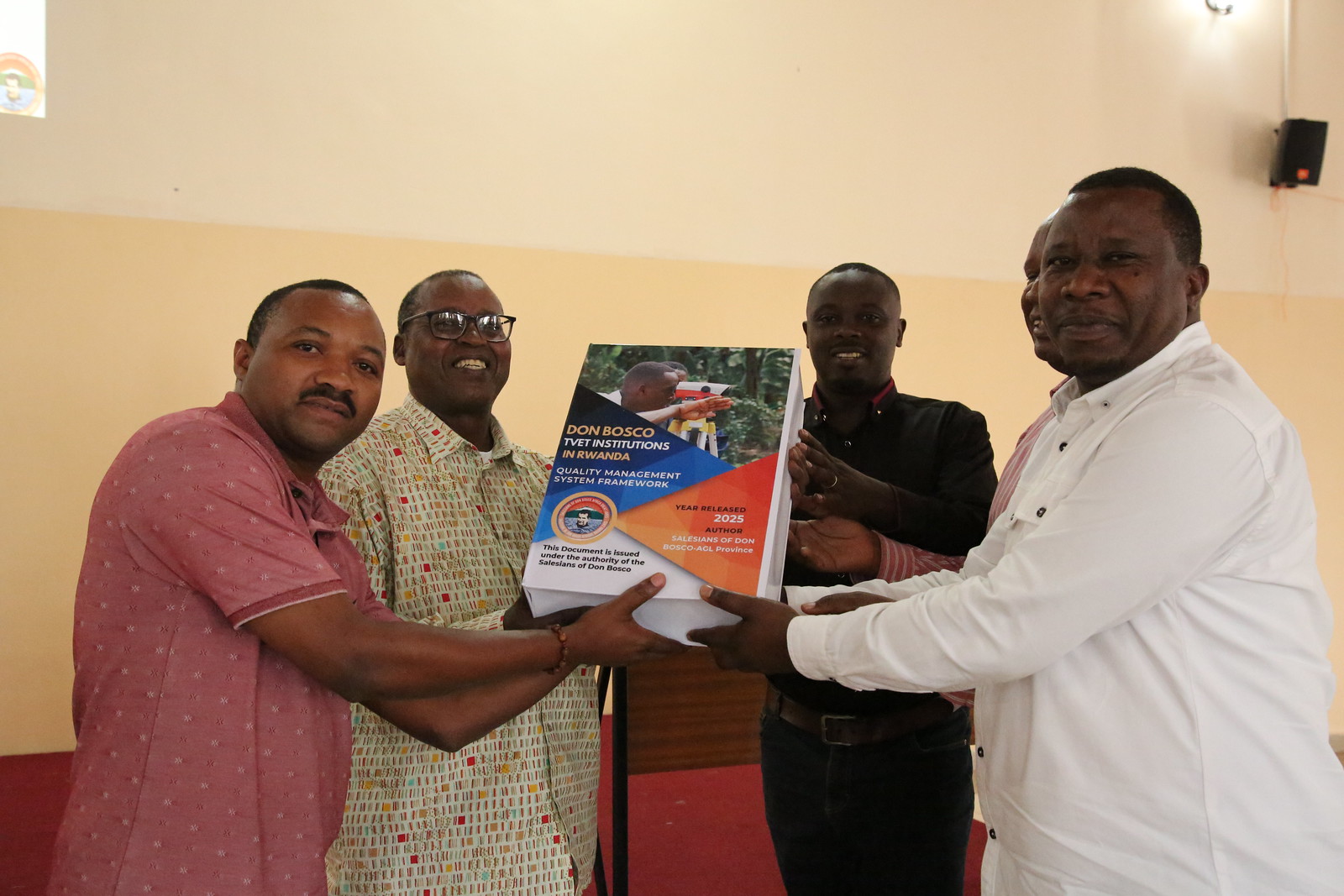
Don Bosco TVET schools introduce ISO-aligned Quality Management System to boost skills and employability
By Elias HAKIZIMANA.
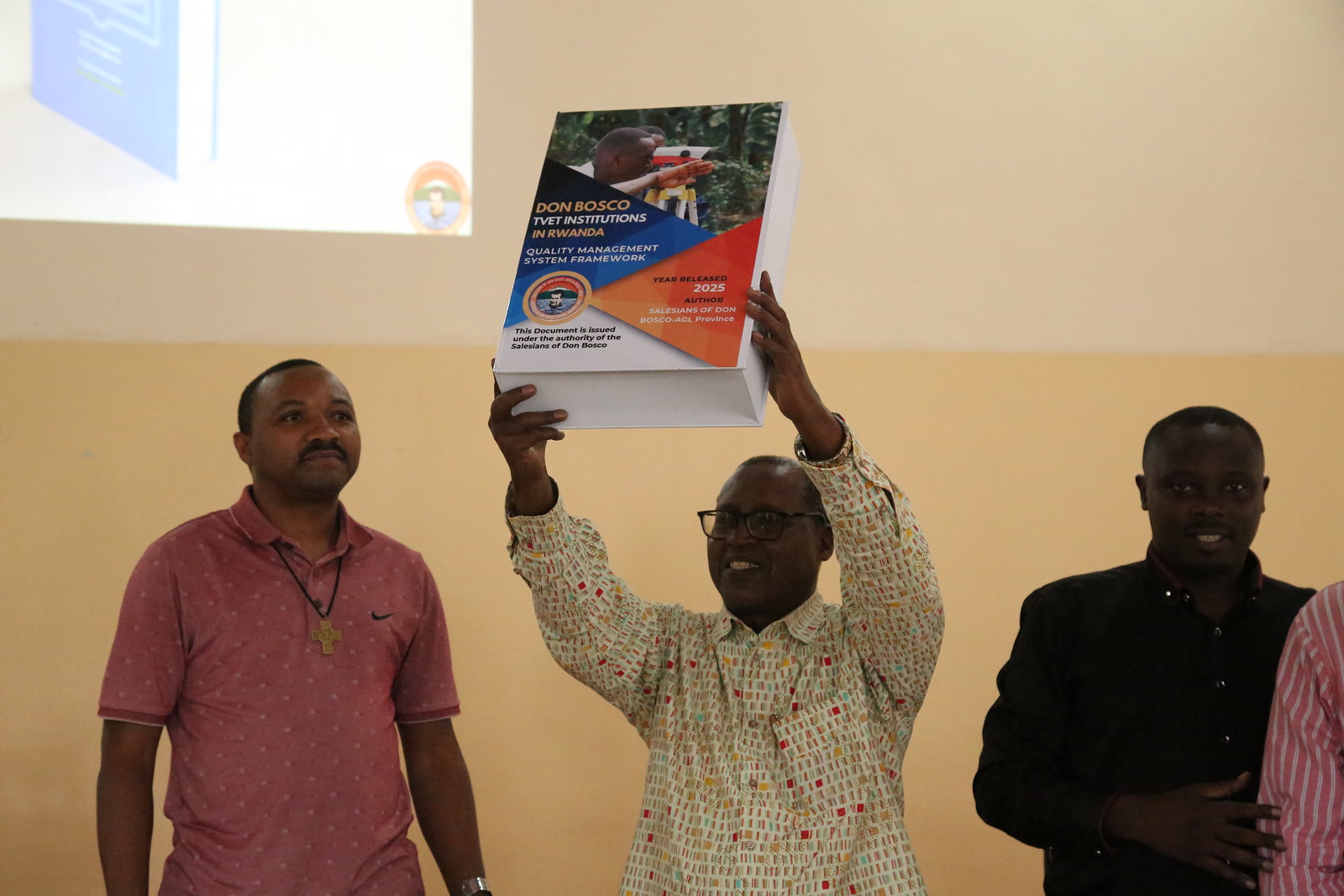
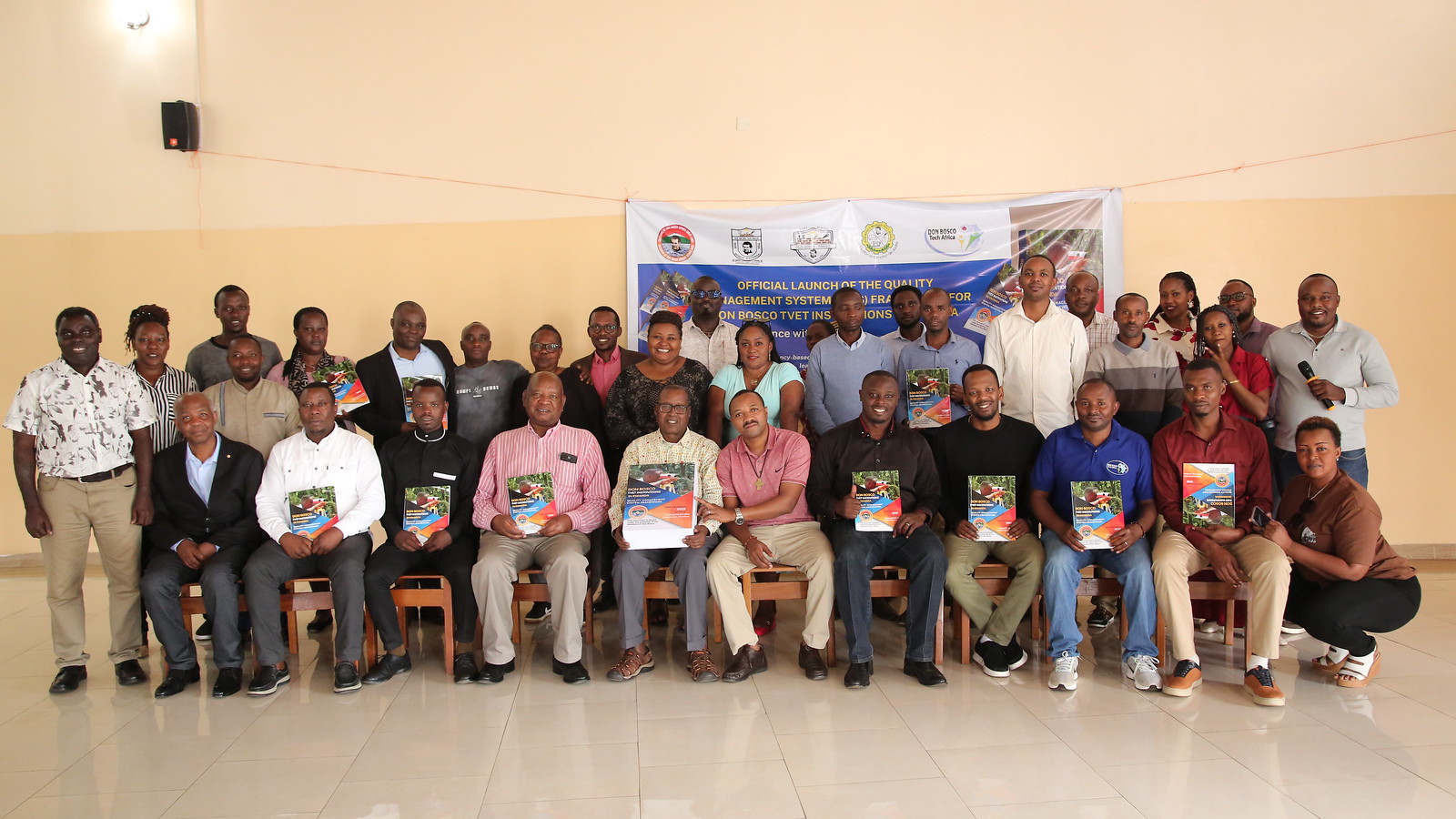
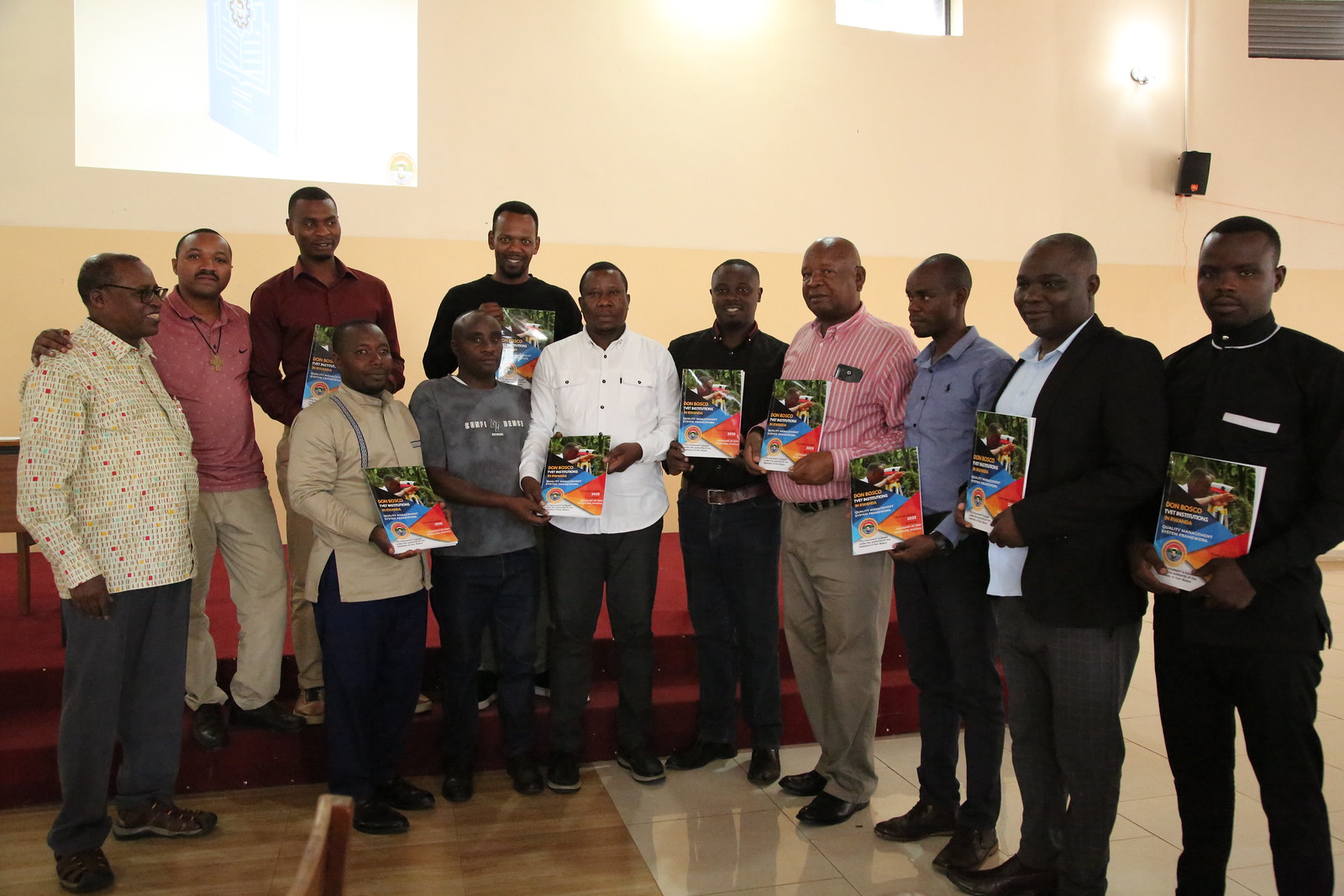
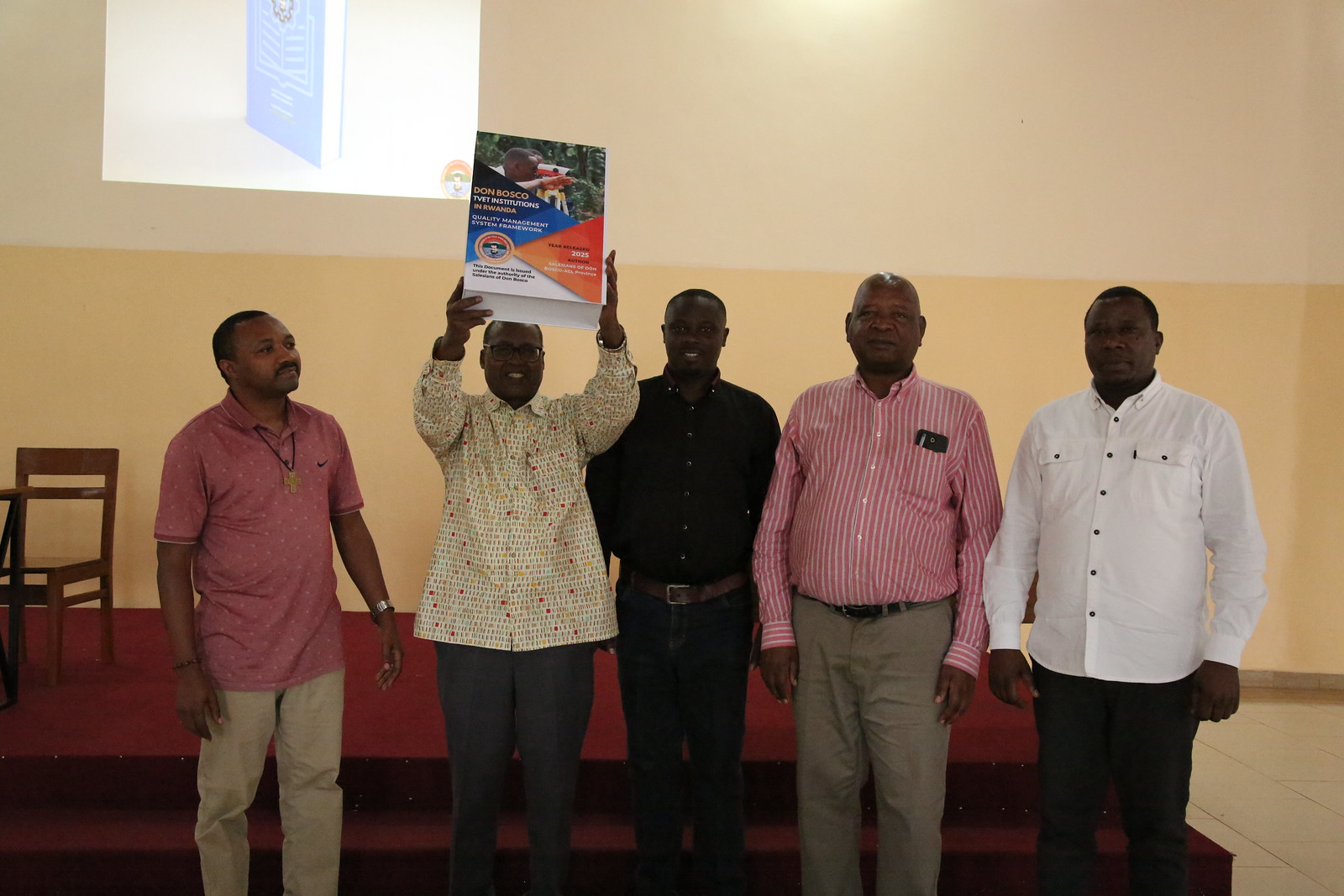
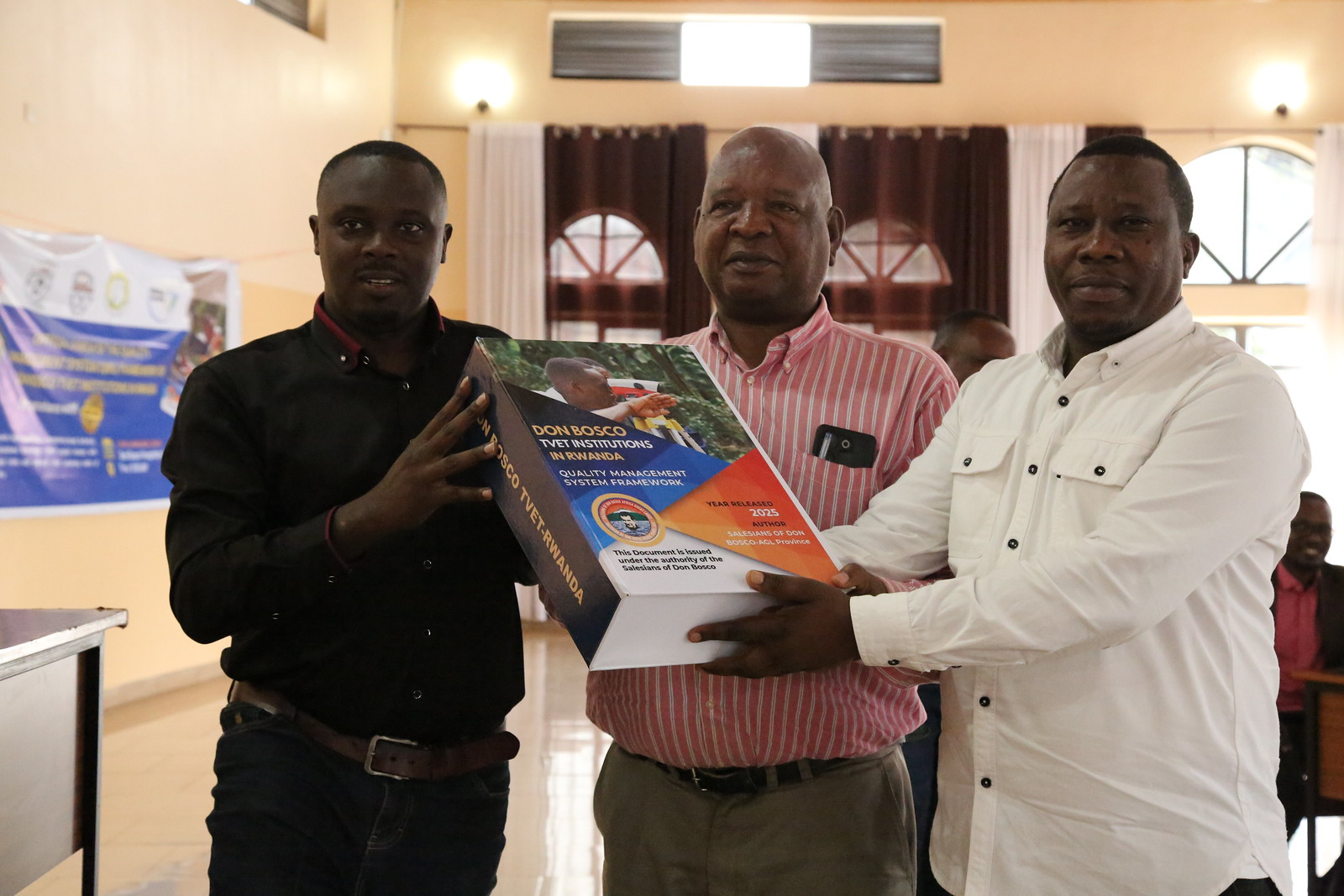
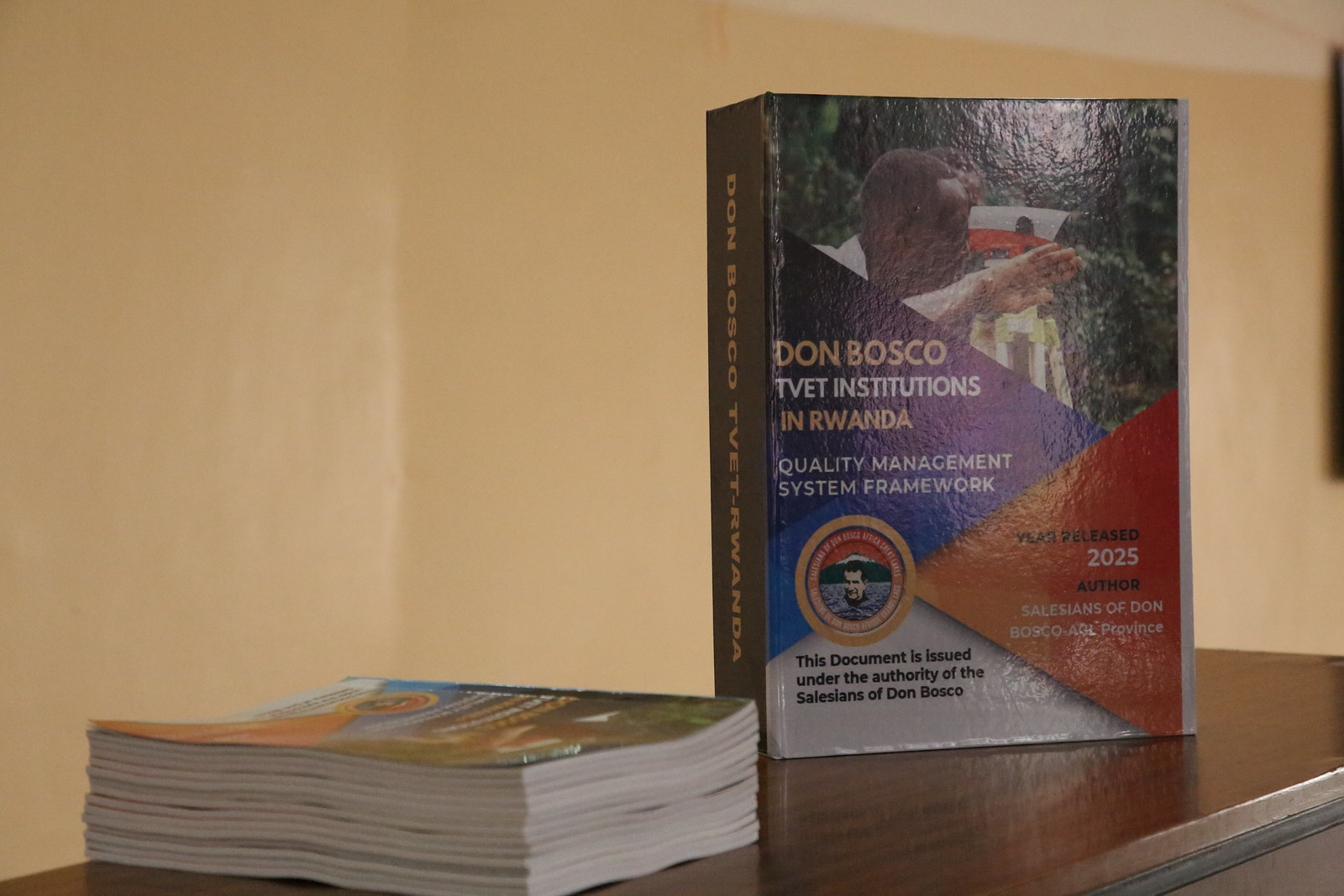
Kigali, Rwanda – 10 January 2026 – The Salesians of Don Bosco Rwanda, through the Don Bosco Planning and Development Office (PDD), officially launched the Quality Management System (QMS) Framework for Salesian TVET Institutions.
The event took place at the Don Bosco Hospitality Center in Kigali.
The QMS Framework, developed during the Planning, Development, and Alignment (PDA) Convening held in December 2025, represents a milestone in enhancing quality assurance, accountability, and continuous improvement across Salesian Technical and Vocational Education and Training (TVET) institutions in Rwanda.
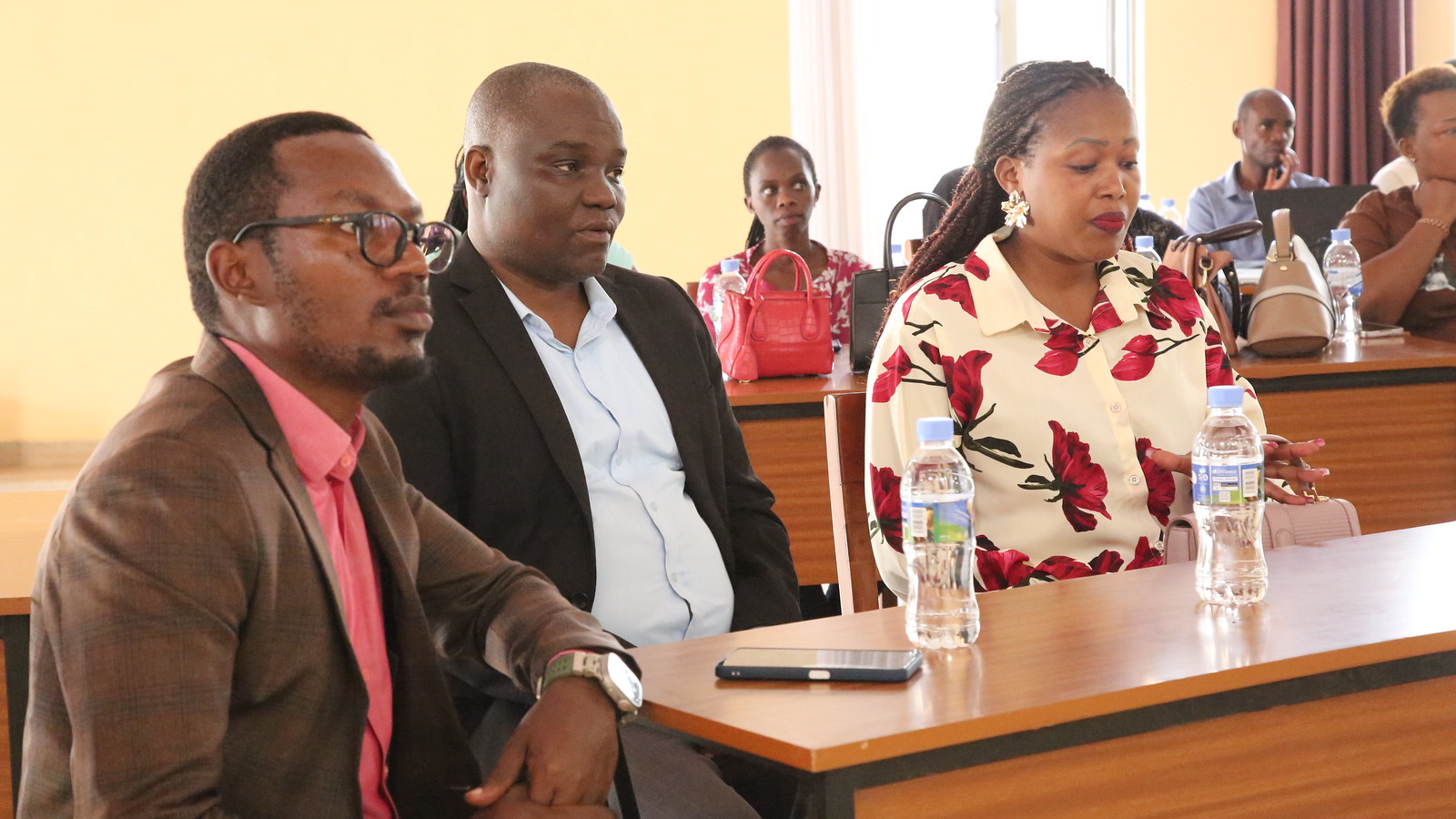
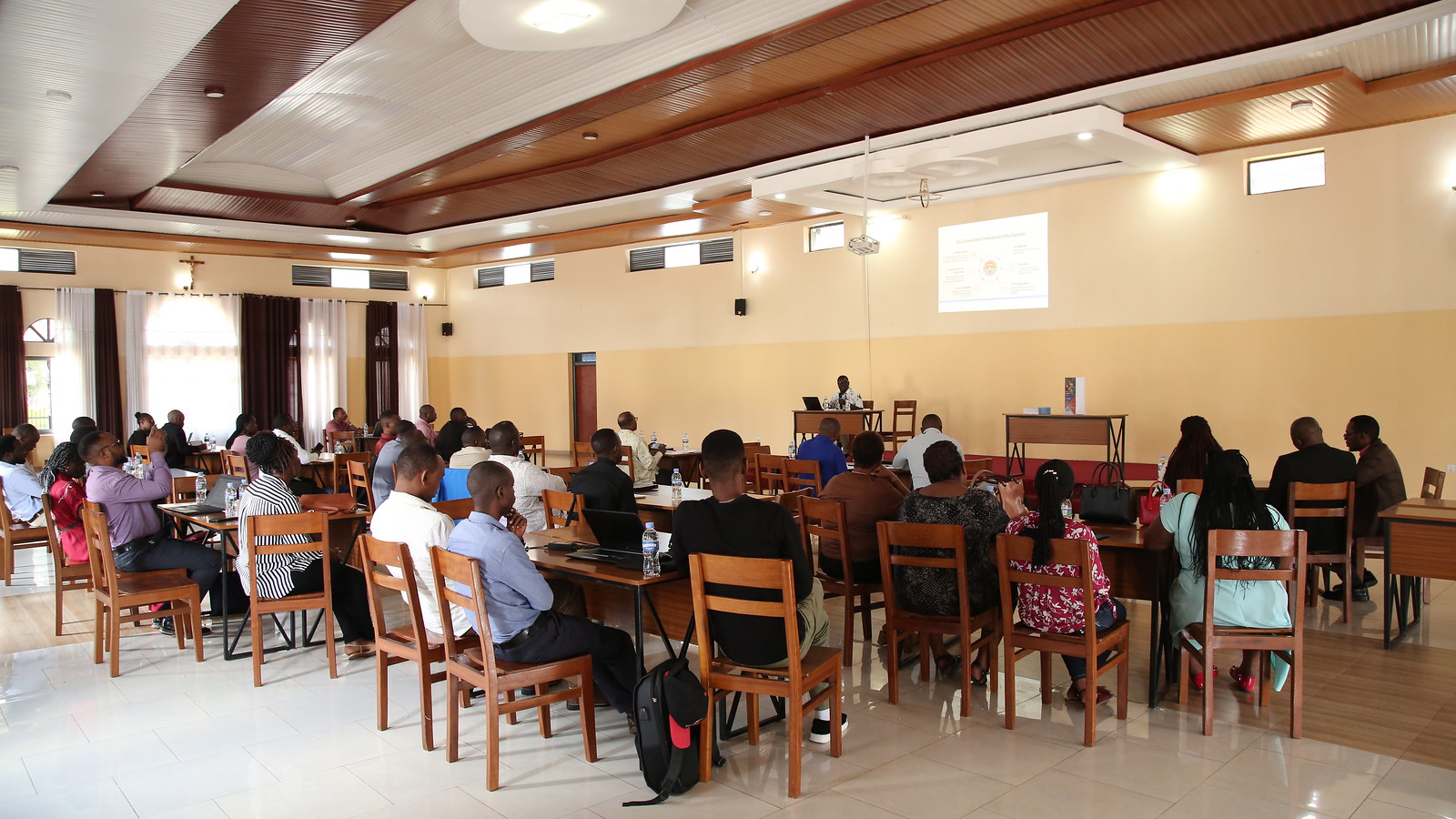
The Kick-Off Meeting brought together TVET stakeholders, institutional leaders, and designated QMS Champions to introduce the framework, present outcomes from the December workshops, and outline implementation strategies.
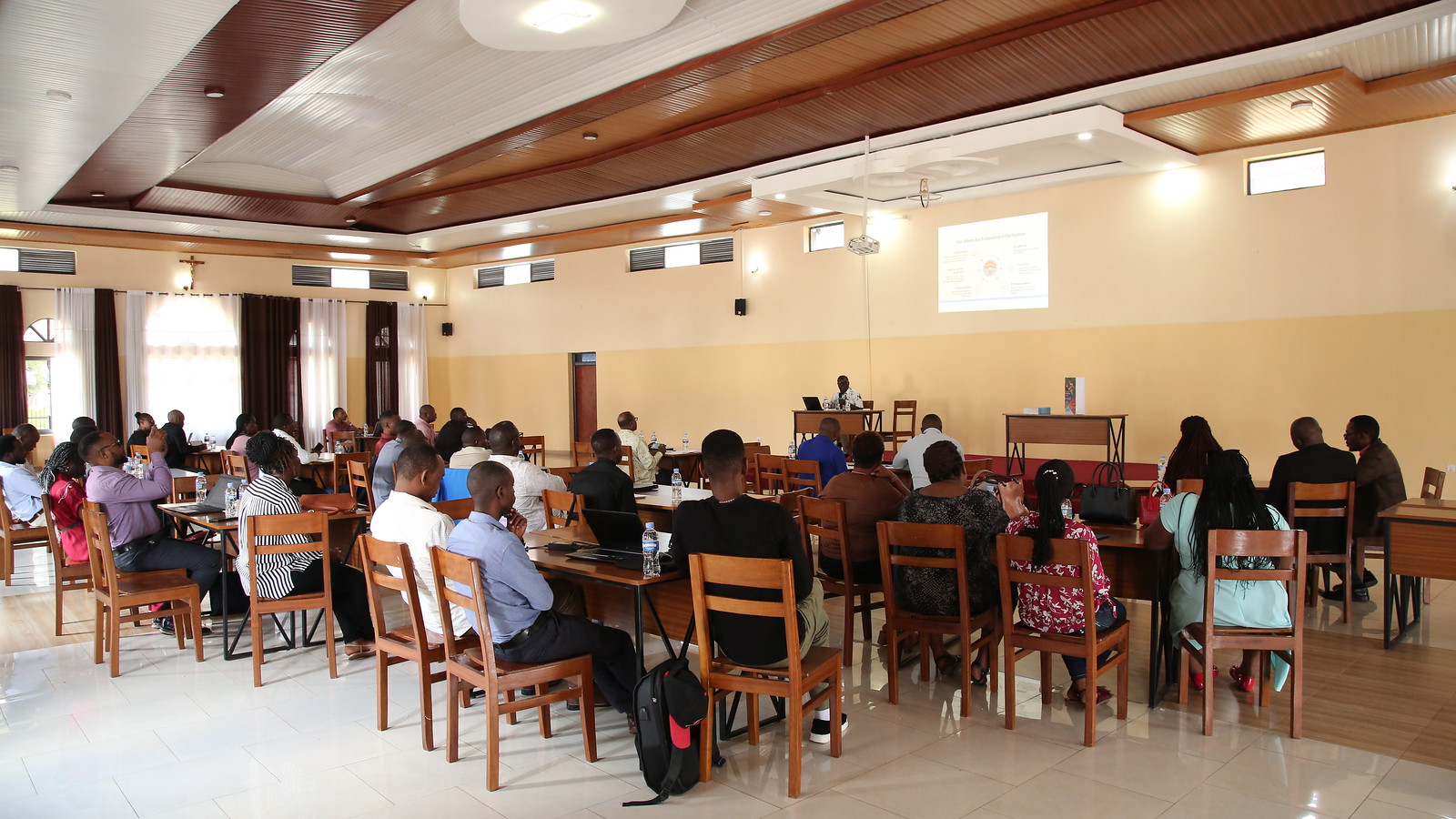
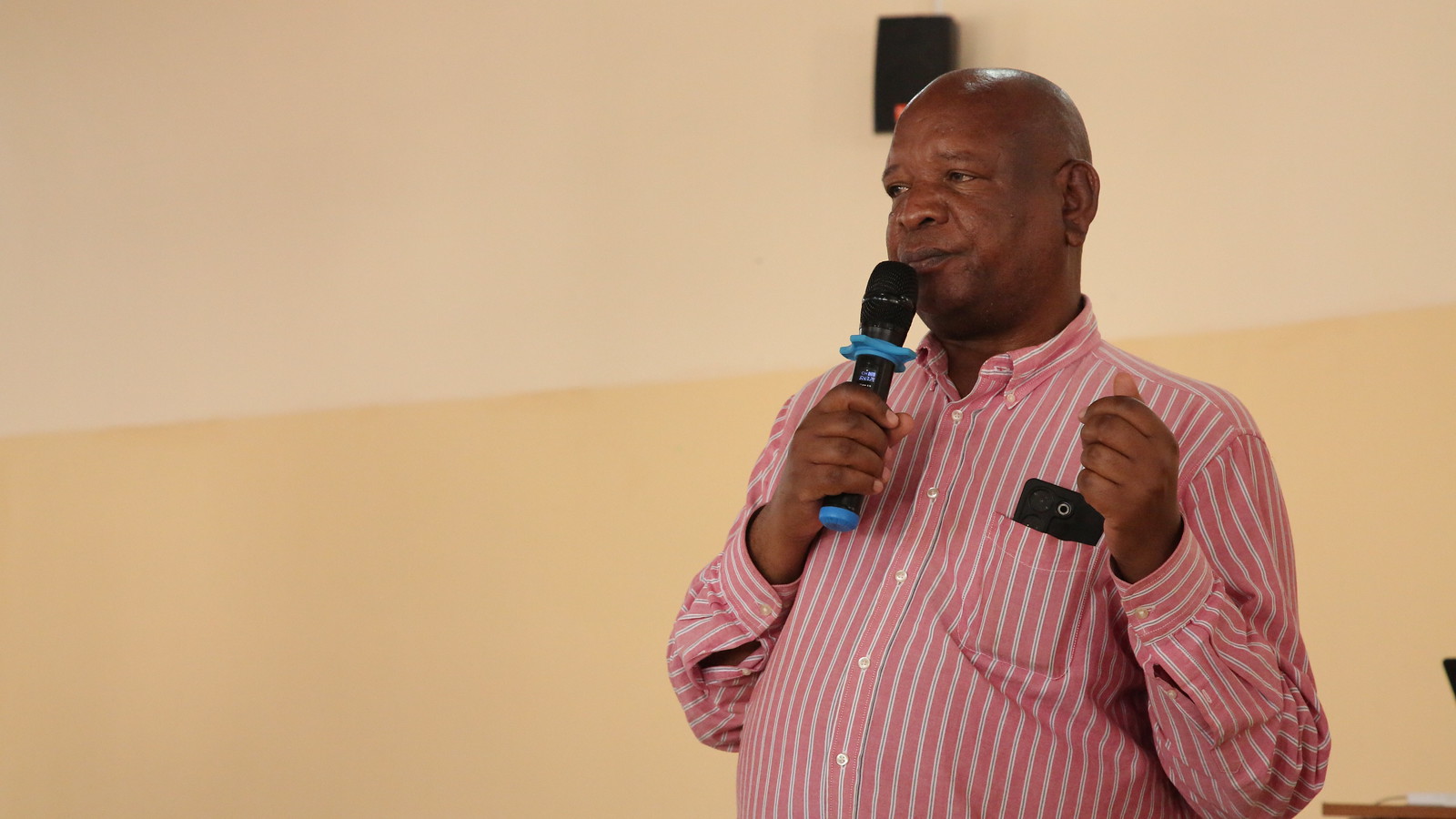
Speaking at the launch, Father Servilien Ufitamahoro, Don Bosco Provincial Representative, said the institution’s success lies on “a skilled and motivated team dedicated to delivering high-quality technical and vocational education.”
He highlighted the commitment to continuous TVET development, collaborative decision-making, and a learner-centered culture, adding that Don Bosco TVET Rwanda is “deeply committed to upholding the highest standards of quality in education and student support.”
To sustain this, the institution has implemented a QMS aligned with ISO 9001:2015 that “captures best practices, ensures compliance, and drives continuous improvement.”
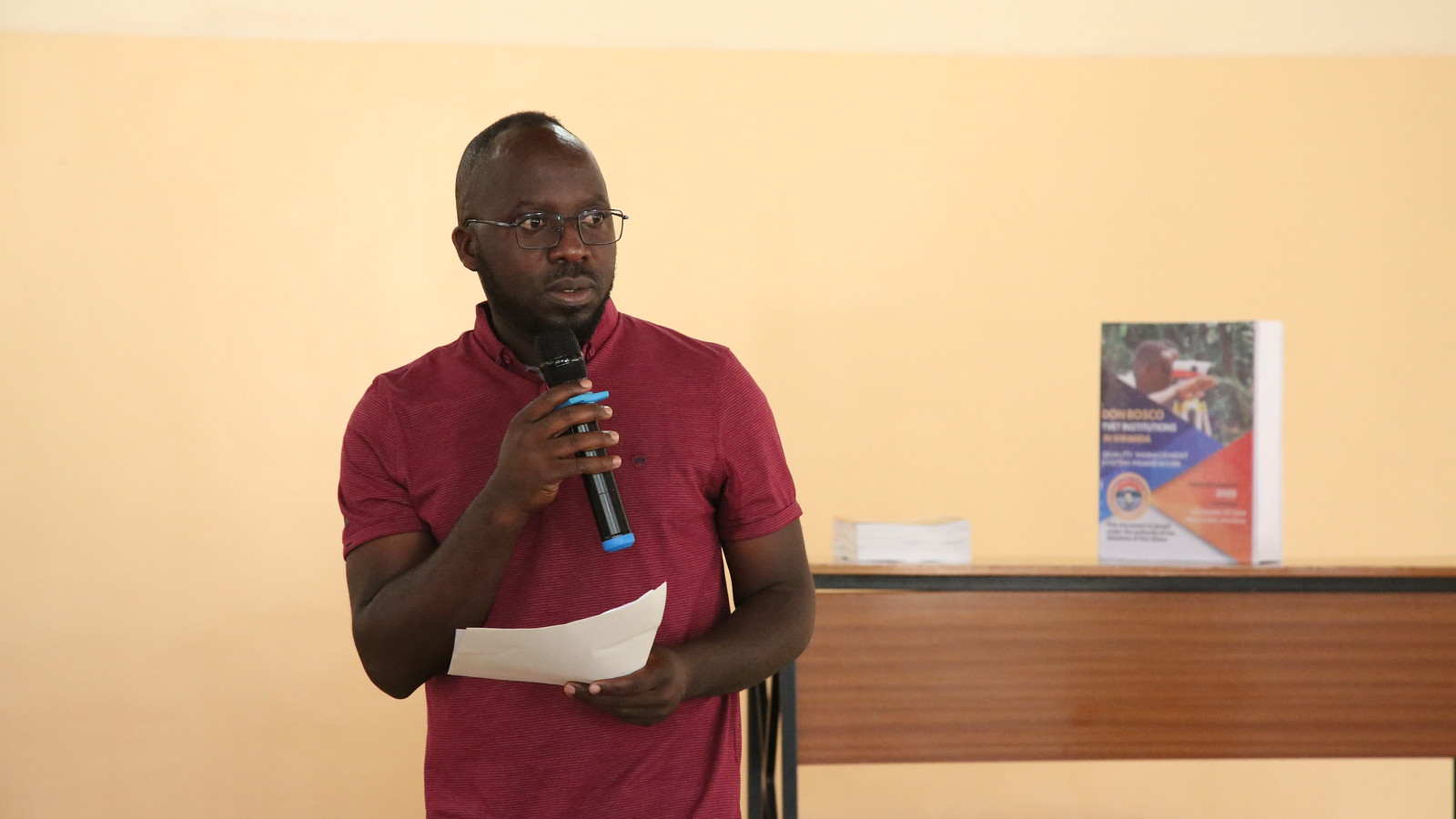
Dominique Poli Uwarugira, Project Manager for QMS, explained the vision and mission of Don Bosco TVET Rwanda. He noted that the Salesians operate in 133 countries and have over 100 years of service in Africa, currently supporting more than 20,000 young people in Rwanda, Burundi, and Uganda.
Highlighting East Africa’s growing need for a skilled workforce, he emphasized that TVET is critical for employability and economic growth. The QMS, he explained, is built on learner-focused principles, evidence-based decisions, strong partnerships, and a process-driven approach that ensures quality, accountability, and continuous improvement.
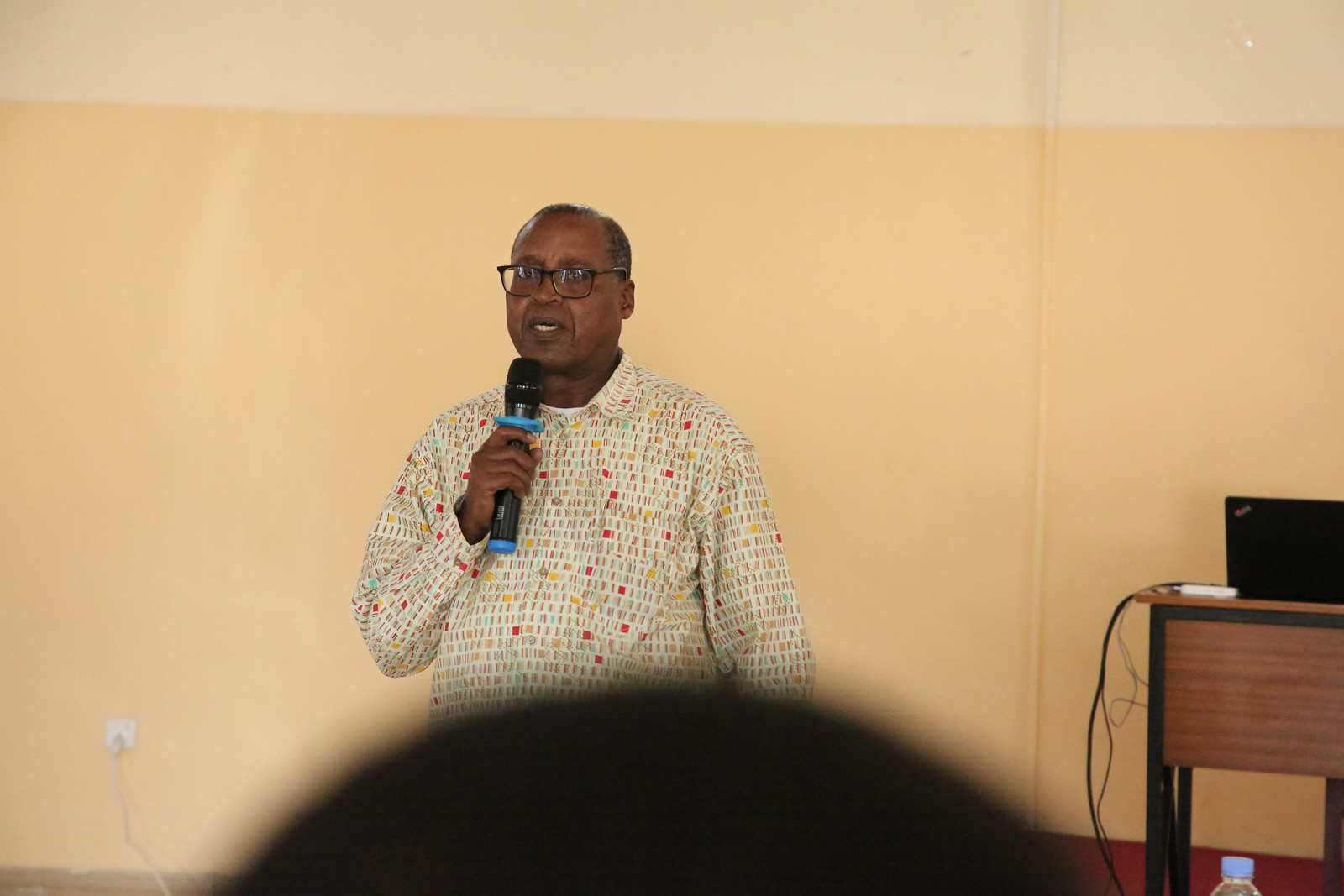
Professor Felicien Majoro, a Water Resources Engineering lecturer at the University of Rwanda, outlined the development journey of the QMS. He described three progressive workshops held in August, October, and December 2025, from general quality management introduction to Training of Trainers (TOT) and a seminar aligning QMS principles with Salesian TVET institutions.
“This work is not just theory; it is a foundation for continuous improvement and shared learning,” he said, noting that the process included extensive research and the compilation of a certified reference document.
Romouald Bagaragaza, another key technical contributor, provided an in-depth explanation of the QMS in line with ISO 9001 standards. He emphasized that students are the primary customers of TVET institutions and that training must meet evolving industry needs.
The QMS, he explained, follows a structured, process-based cycle of planning, implementation, monitoring, feedback, and continuous improvement. This ensures graduates leave with relevant skills and are prepared for employment. He thanked Don Bosco leadership and partners for their support, noting that their commitment has been essential in championing quality, accountability, and sustained improvement.
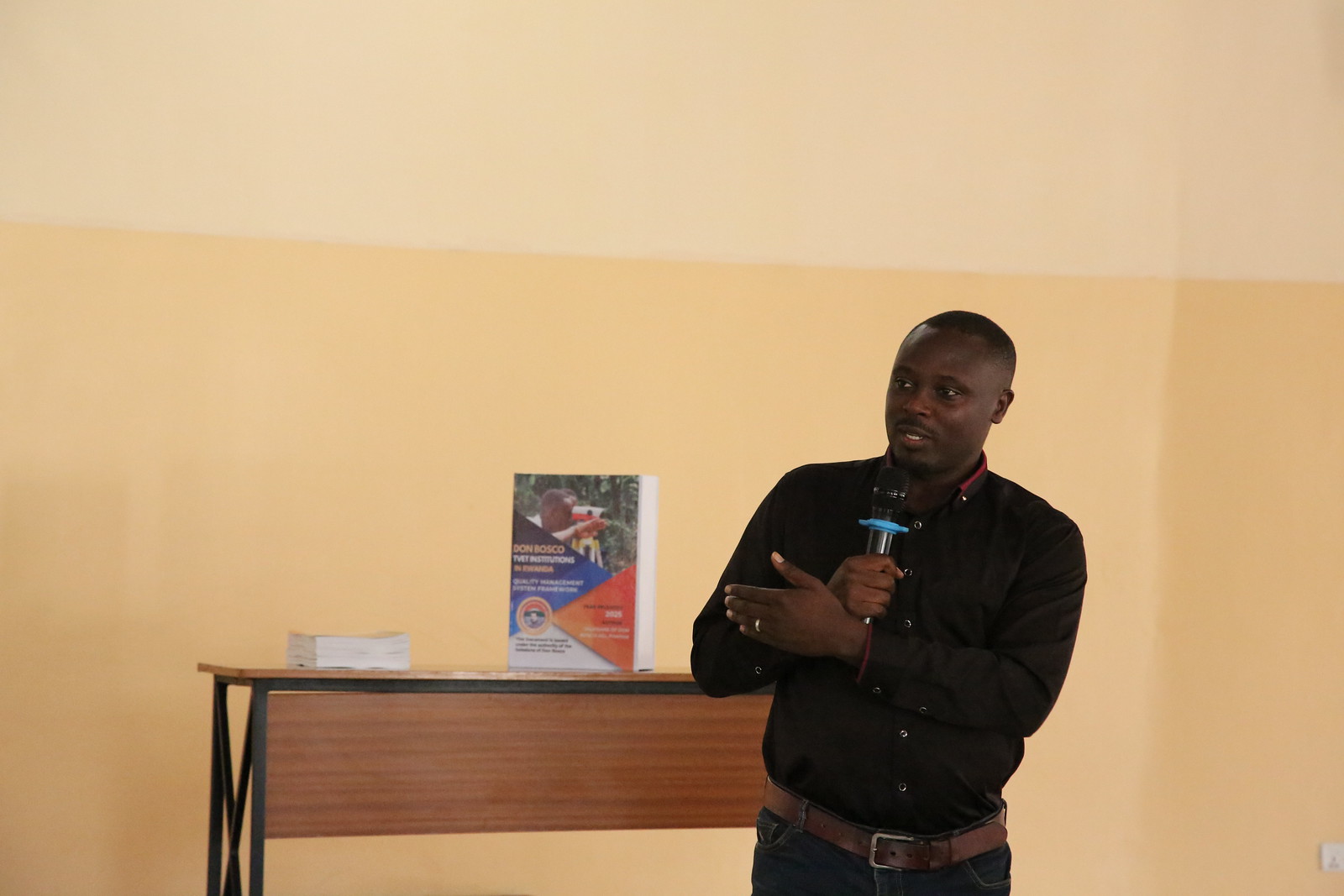
In an interview with journalists, Father Innocent Gatete, Don Bosco Rwanda Legal Representative, described QMS as a strategic tool to enhance technical education, foster innovation, and enable student development for the benefit of the country and Africa.
“From Kigali and Huye districts, we aim to expand the tool countrywide and enhance creativity in the system gradually,” he said. On sharing the framework with other schools, he added: “We are ready to collaborate to develop the TVET sector. This QMS belongs to the Salesians of Don Bosco, but we will welcome others who wish to adopt it.”
Don Bosco TVET Schools currently offer courses in electricity, building and construction, hospitality, welding, carpentry, plumbing, hairdressing, and beauty. Since resuming operations after the 1994 genocide, Don Bosco Rwanda has graduated around 2,000 trainees, contributing significantly to youth empowerment and skills development in the region.
theinspirerpublications@gmail.com



Leave a Reply