
Consumers to pay more for goods as law on plastics takes effect
Rwanda Today.
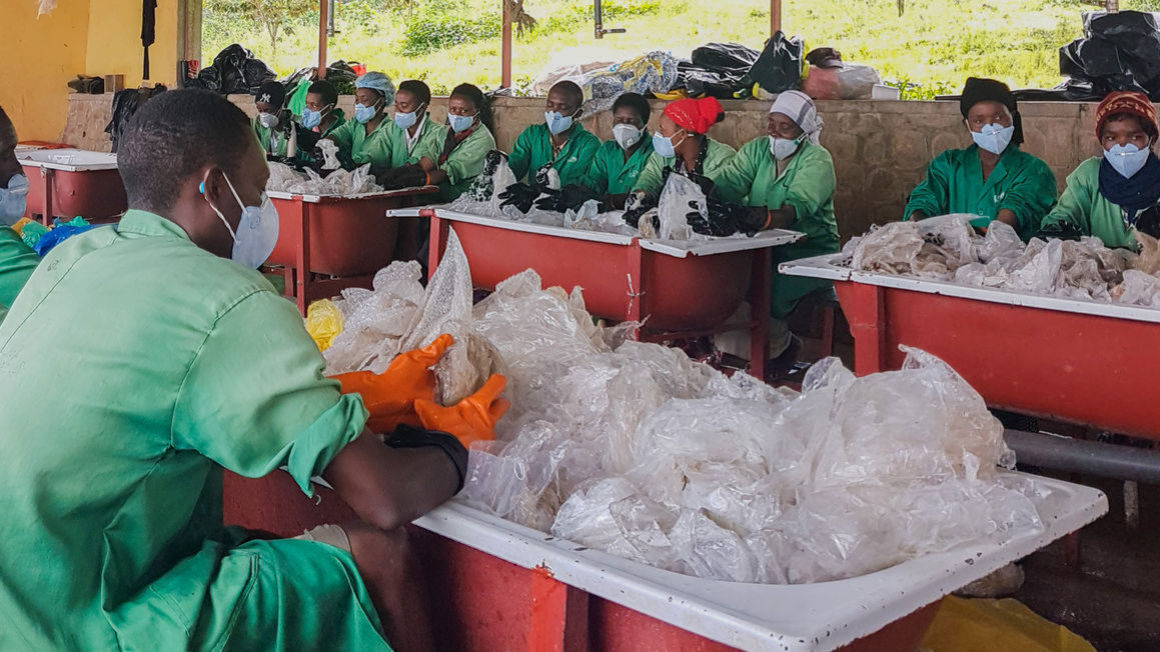
The Private Sector Federation (PSF) is set to contribute Rwf690.9 million for collecting, transportation, disposal and recycling of single-use plastics in the next five years.
However, the cost of importing single-use plastics will fall on the shoulders of the final consumer, as the government seeks to find a solution for the bulging mass of waste.
It is not yet clear if the government will make good its plan to ban single-use plastics when the grace period expires next month.
The 2019 law that prohibits manufacturing, importation, use and sell of plastic bags and single-use plastics gave a two-year grace period to businesses to find alternatives.
Small and medium-sized manufacturers of packaged juices, nuts, potato crisps, beauty products, honey and other products have still found themselves in a bind as they can’t find alternatives to replace plastics.
But along the way, the Rwanda Environmental Management Authority (REMA) came up with a project that involves collecting money from importers and manufacturers of single-use plastics, which would be put into a waste collection fund.
The money that will be collected for the next five years, is planned to be used in the collection, transportation, disposal, and recycling of single-use plastics.
The burden will, however, be passed onto the final consumers through increased prices of goods, yet they already have to dig deeper into their pockets to afford a wide range of goods, which have doubled in price due to pandemic-related cargo disruptions and delays.
Much as some importers have welcomed this approach, their sigh of relief is likely to be short-lived because according to an official from REMA, the collections will not replace the ban.
“This is a project-based on waste management, it does not replace what the law on the ban of single-use plastic says, the two years given to companies to find alternatives will expire in September, that’s when it will be decided what to do next,” said Jean Marie Vianney Mutabazi, an environmental inspector at REMA PSF and REMA in a statement announced that all eligible manufacturers and importers should have made their contributions by August 16, but Mutabazi said by close of business on 17, they hadn’t got any importer with proof of payment.
All importers of single-use plastics have to first have their orders approved by REMA before they are allowed into the country, and going forward no plastics consignment will be allowed into the country unless the owner has paid the money.




Leave a Reply