

Can milk consumption improve children’s academic performance [Testimonies]
By Elias HAKIZIMANA.
Many studies have revealed how diet is a factor that is significant in the formative ages of humans, and nutrition showed cognitive abilities for academic performance in school children.
Milk consumption in childhood has long been assumed to be beneficial for growth, as milk is a good source of fluid to help beat thirst and keep children well hydrated. Experts say that having milk available in school can develop the milk drinking habit according to the research.
A case study in Nyagatare District at G.S Tabagwe shows that a number of pre-primary children who drink milk at school grow well and perform in class.
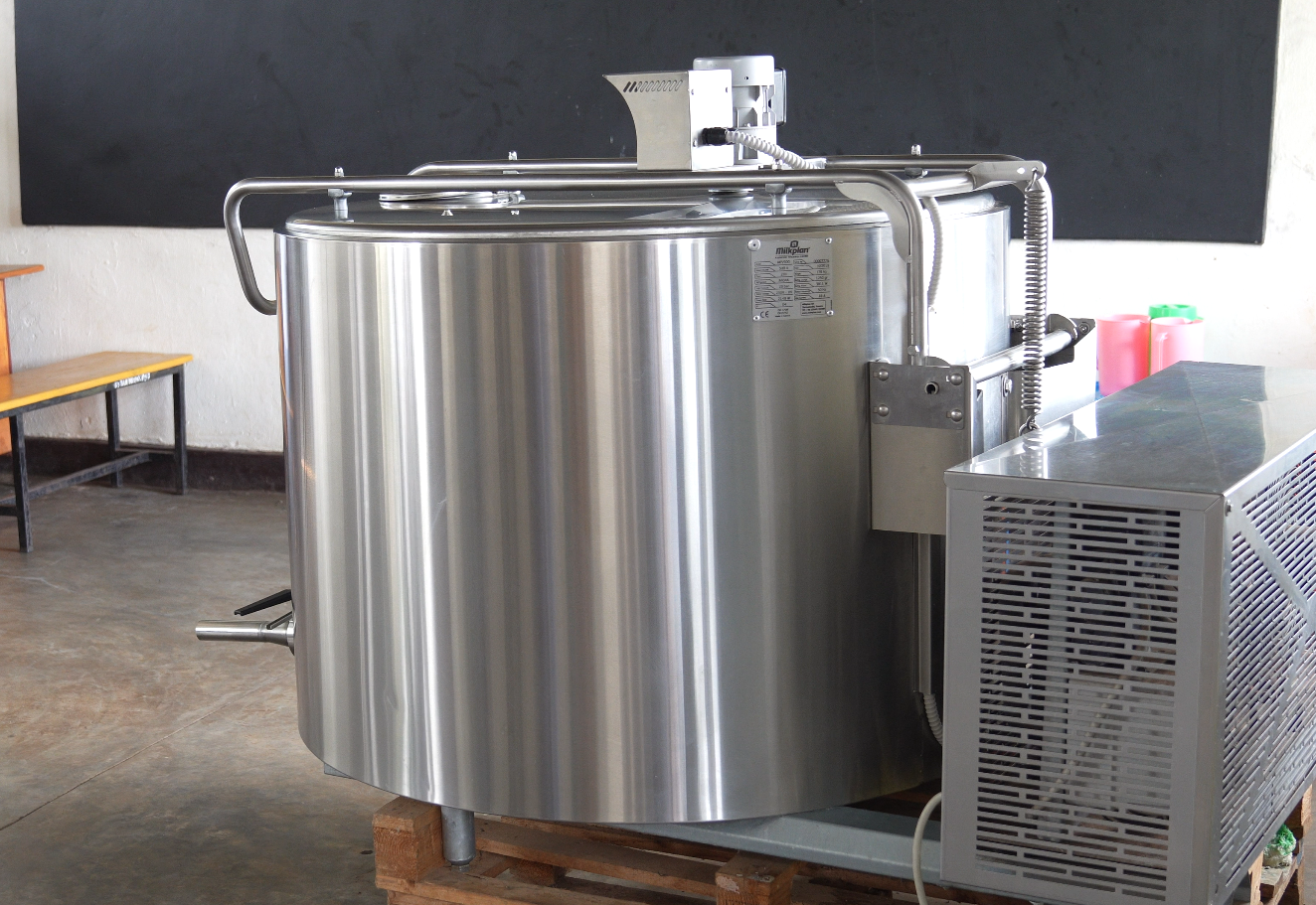
Under the school feeding program, the school was given two milk coolers, one donated by Rwanda Dairy Development Project (RDDP) and another by Nyagatare district to ensure quality milk for children and since they started giving milk to children in 2022, the number of absences in classes has reduced according to Moses Rurangwa, Headteacher of G.S Tabagwe.

Some children of kindergarten and pre-primary are given a cup of milk for free to supplement their meal at school, the district signed a contract with a milk processing factory to distribute milk at lower cost to ensure children access this milk.
“All children from kindergarten and p1 and p2 drink milk at school, secondary school students also can access the milk at a good cost here at school. We thank RDDP project and the district for these coolers, milk boosts academic performance of a child and improves his/her growth, it also supplements the school feeding program by the Government of Rwanda. The initiative has drastically reduced children’s absenteeism,” Rurangwa says.
The school could receive 246 liters of milk from Inyange Industries Ltd in 2022 but this quantity reduced to 136 liters due to drought that affected cattle in the Eastern-Rwanda.
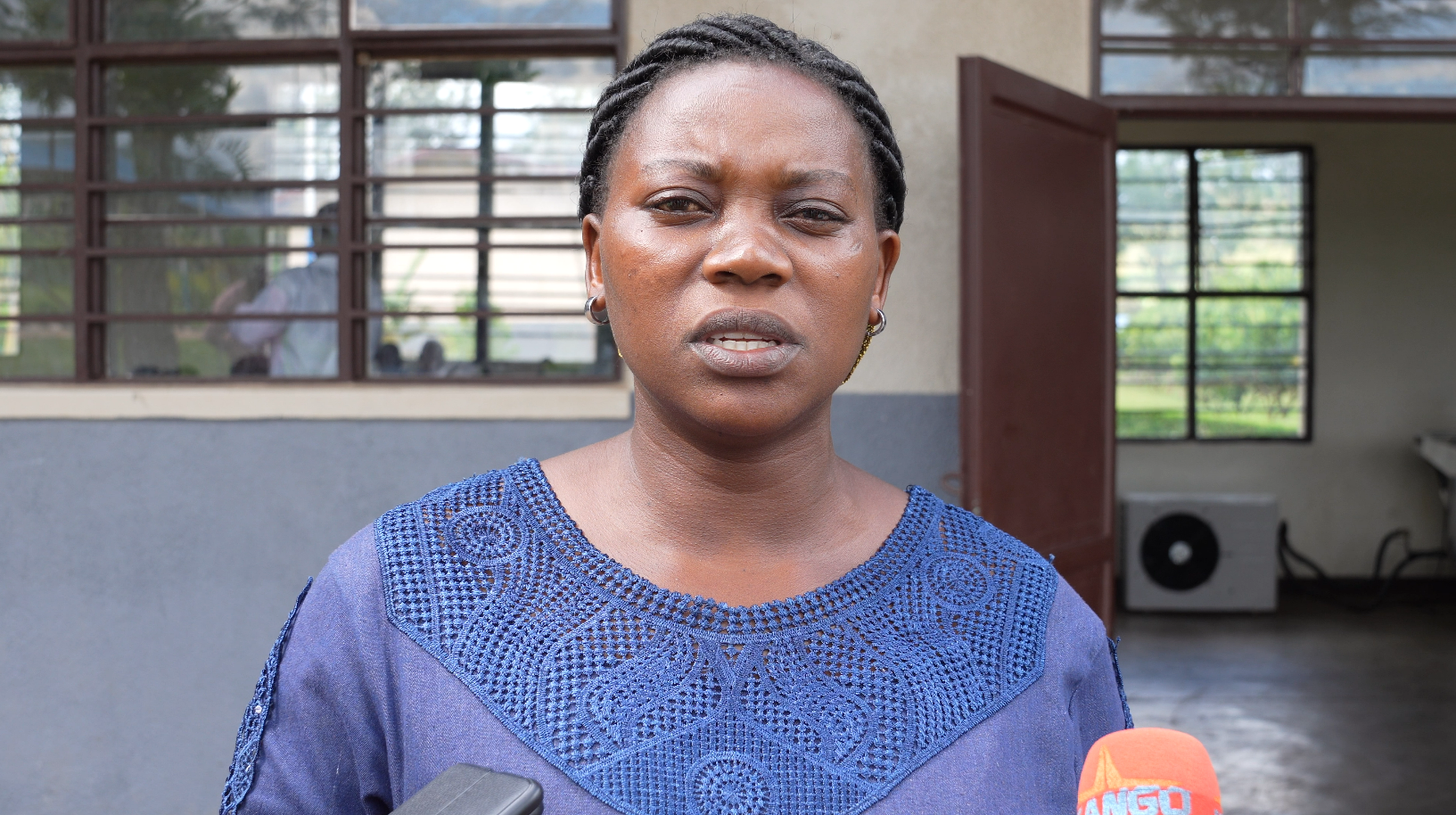
Doreen INGABIRE, a Mathematics and Sciences teacher in Primary 1 at G.S Tabagwe says that a child who drinks milk differs from the one who does not drink it when it comes to both body growth and academic performance.
“A child who drink milk at school is always happy, can’t sleep in class and likes to attend class every day,” she says.
Ingabire could start the term with 150 children in 2013 and remain with only 80 children at the end of the term, she says the improvement was made since they started giving milk to children.

Vestine Mukanoheli, a parent at G.S Tabagwe reiterates the benefits of milk to school children. This mother has two children studying at this school who all drink milk.
“The impacts of drinking milk among school children can be observed in two sides, one is that milk improve student’s performance in class, and it reduces hunger when a child returns home after class and children do not beg milk from neighbours because they drink enough at school every day,” Mukanoheli says.
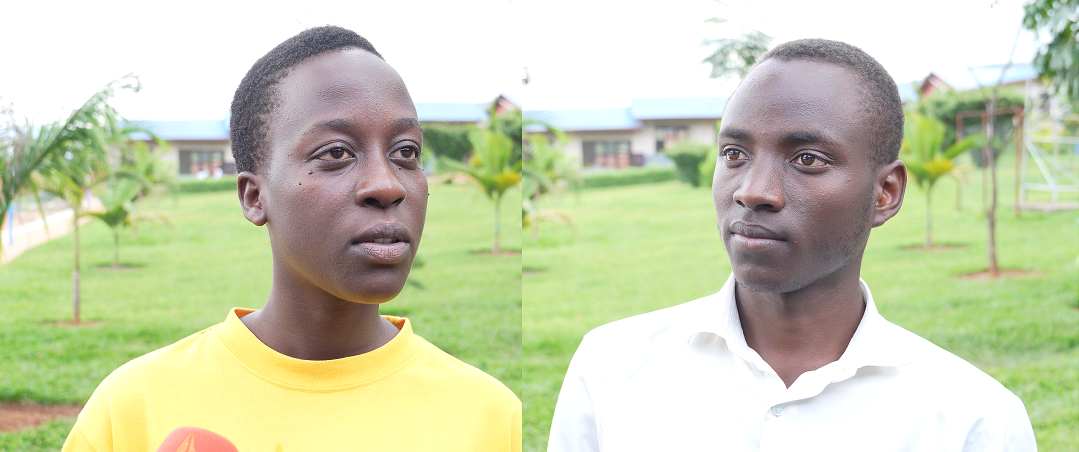
Students’ testimonies
Ondine Umutoni, 18, is a secondary school student in senior 5, at G.S Tabagwe, doing History, Economics and Literature (HEL). She says: “Milk helps us we cannot be tired while following a lesson and it helps those who suffer stomachache, we buy it here at school,”
Bonfils Imanzi, 19, also a student at G.S Tabagwe in senior 5, he studies Physics, Chemistry and Biology (PCB). He says: “Milk has nutrients that help a student in class, you cannot sleep in class when you have milk consumption habit and it improves performance level,”
G.S Tababwe has a total of 1,374 students, with 154 children of kindergarten, 411 children in primary and 814 in secondary. The bad news is that the quantity of milk served at the moment can’t satisfy this number.
The government of Rwanda has committed to increase the milk production and reduce malnutrition rate by helping school children to get a cup of milk to supplement their diet.
The national milk production has increased from 142,511 Metric Tons in 2005 to almost 1 billion Metric Tons in 2022 and is expected to reach 1,274,554 Metric Tons of milk per year by 2024 as per the National Strategy for Transformation (NST1). There is a plan ahead to continue availing milk for school children in the near future according to officials.

theinspirerpublications@gmail.com
Follow us @theinspirerpubl


Leave a Reply