
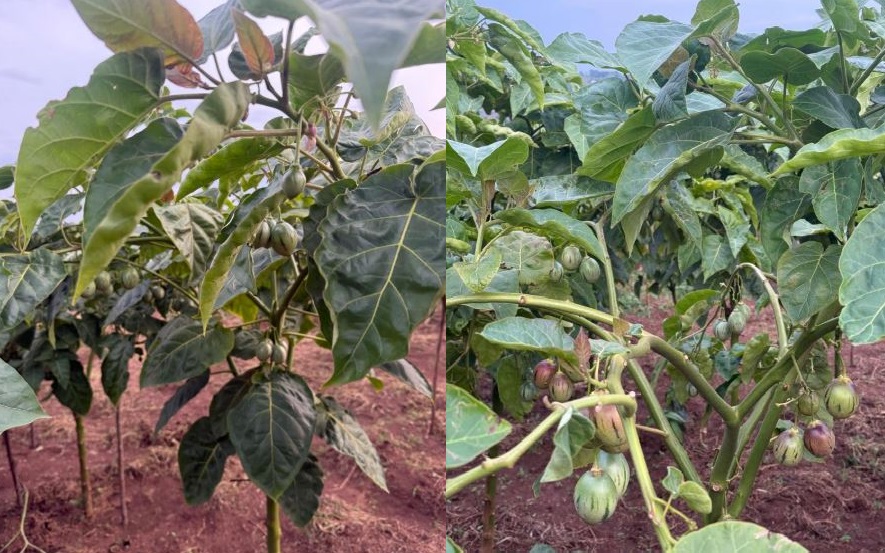
Bugesera farmers boost yields and incomes with SAIP2 irrigation support
By Elias Hakizimana.
Farmers in Bugesera are steadily improving production and market access through small-scale irrigation and targeted training under the Sustainable Agricultural Intensification and Food Security Project Phase II (SAIP2).
Rather than relying solely on rainfall, local farmers are now able to irrigate their plots, ensuring consistent vegetable production even during dry periods. Joseph Kayonga Nkuranga, Executive Secretary of Kayonza District, said the initiative has helped communities stabilize harvests and secure household food supplies.
“This support has allowed farmers to plan and grow crops reliably, reducing losses caused by irregular rainfall,” Kayonga noted.
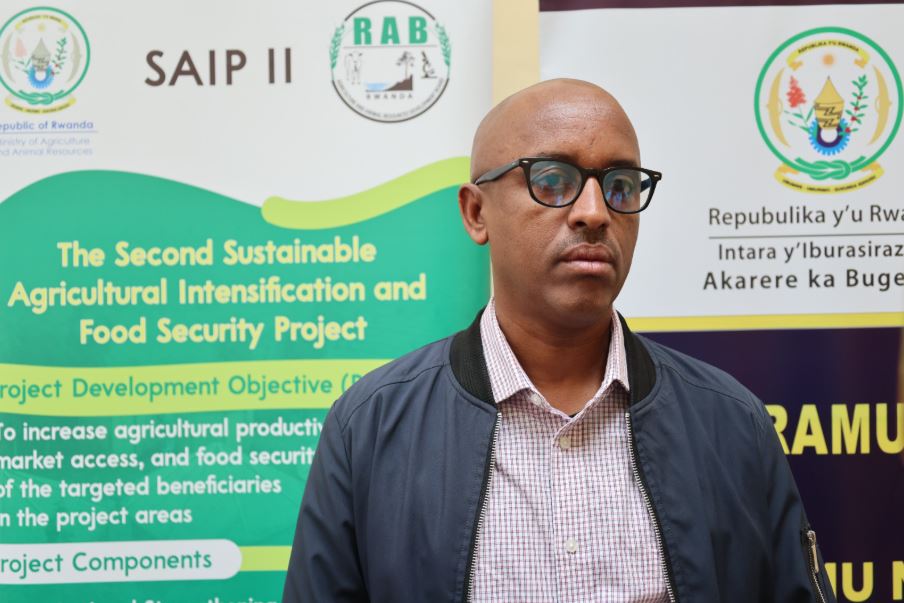
Training has been equally important in reinforcing the impact of irrigation. Vedaste Mugisha, coordinator at RAB/SPIU, explained: “We teach farmers not only to manage irrigation equipment but also to improve overall farm management practices. Knowledge and planning are critical to sustaining production and growth.”
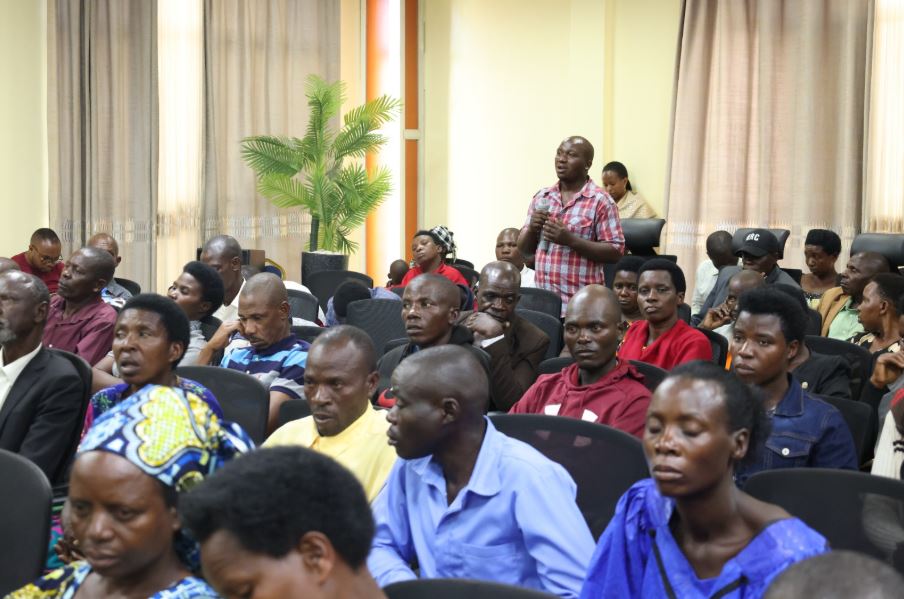
Cooperatives are leading the way in scaling production. UMUCYO Cooperative, under the leadership of Eliphase Hakizimana and representing 512 members, has expanded its operations to 10 active associations.
The cooperative now produces compost, applies mechanized farming on 30 hectares, and reduces labor costs for its members.
For KOAKU Cooperative, irrigation has helped move beyond subsistence farming. Suleiman Mujyambere said: “Before, planting and harvesting were highly uncertain. Today, we consistently supply buyers from Kigali and beyond, and we are negotiating contracts with a factory in Ngoma for green beans and tomatoes. SAIP2 support is critical for sustaining this growth over the next three years.”
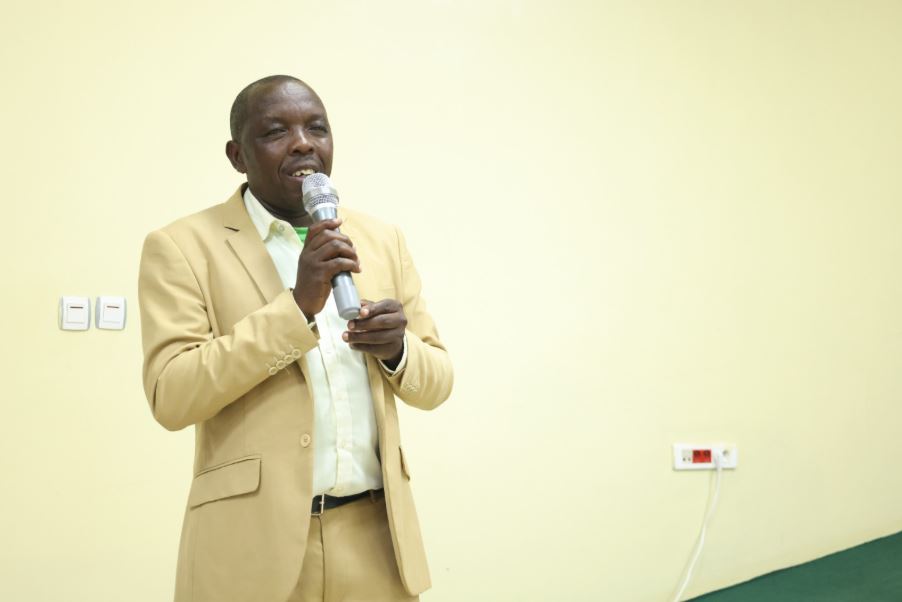
Market access has become a central factor in increasing farmer incomes. Ange Gaella Ikirezi, managing ARMOND GREEN FARM LTD, a horticulture exporter, said: “We work with farmers who have reliable irrigation and sufficient land, providing contracts before planting. This ensures they grow what the market demands and secure steady income.”
Over 81 hectares in Bugesera and surrounding districts have benefited from the Small-Scale Irrigation Technology matching grant program under SAIP II. Solar-powered irrigation systems covered 40.6 hectares with a total investment of RWF 374 million, mostly funded by SAIP II, while farmers contributed RWF 93 million. Petrol and diesel pumps covered 40.4 hectares, with costs shared equally between SAIP II and farmers. The program uses a cost-sharing approach to expand irrigation while ensuring farmers’ active participation and ownership.
theinspirerpublications@gmail.com




Leave a Reply