
ARDE/KUBAHO in research to promote geological agriculture
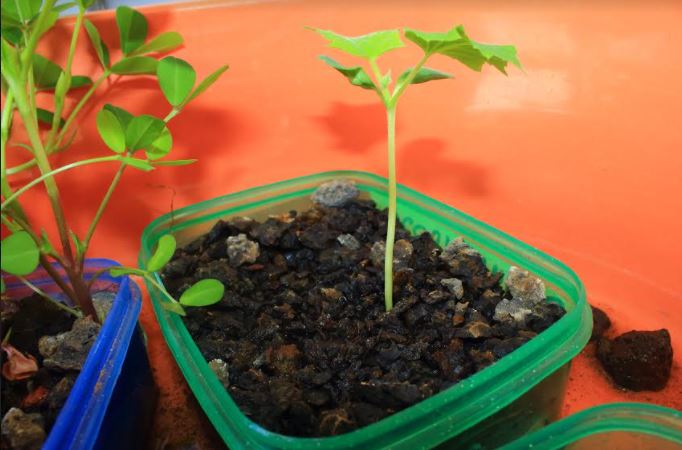
ARDE/KUBAHO, a Rwandan local NGO is conducting research on geological agriculture that could see Rwanda growing crops in rocks.
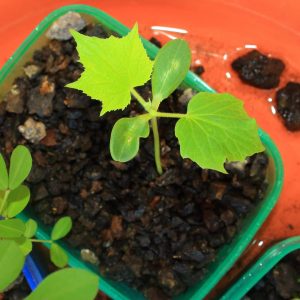
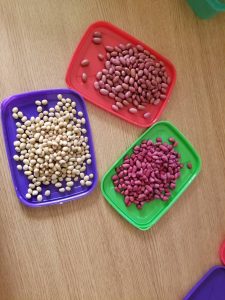
The research has started with growing peanuts and soybeans in rocks.
Geological agriculture is the study of the possibility of growing plants in rocks without the use of neither soil nor fertilizers.
GeoAg came to help to overcome some challenges that the world is facing mainly land scarcity, climate change, unavailability of fertilizers, and so on.
Producing food without the usage of agricultural input may be the easiest and cheapest way nowadays.
In GeoAg there are two types of ways to grow plants namely outdoor and indoor.
Within Outdoor, plants are put out of houses where the sun can reach easily, while within indoor plants are grown inside houses.
Geological agriculture application
Researchers explain that the 1st step involves gathering all materials needed around (sand, rocks, container, seeds, and water)
The 2nd step includes making holes around the container; this is to enable the oxygen to circulate around the roots of plants into the container.
The 3rd Step requires putting all materials in the container for planting while The 4th step is watering.
ARDE/KUBAHO is in collaboration with Tennessee State University in the United States has spent four months in trials.
The so-called Geological Agriculture (GeoAg) was started in the United States, after a thorough study of the types of rocks found in a particular area and the plants that can be grown there.
The study was launched in Rwanda in July 2020.
Marie Diane Uwayezu, a Program officer in charge of Agriculture and food security at ARDE/KUBAHO said that the trials would help cope with food shortage and land shortage.
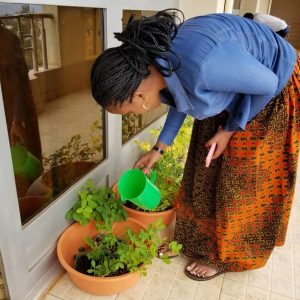
“ In the past few months of trials, we have grown crops including beverages, beans, Soybeans, cucumbers, peppers, and others,” she said.
“Even though we are still in the research, every Rwandan will understand how well it is. We often lack rainfall but our farming can be done indoors where light can help in photosynthesis. No rain is needed and what is needed is water for irrigation. ”
To do this farming, Uwayezu said there is a need for less sand, small stones are known as gravel containers such as cups, basins, buckets, and seeds to be planted.
“When we start farming we put sand on the ground, then rocks and then we plant. Sand and rocks are our lands. Then we plant the seeds with other few other stones as well as water. All you have to do is check if the water is still in the container,” she said.
Other requirements include light meaning a ventilated area so that the plant can grow properly.
“Everything that happens needs air. We cut holes in the container so that the air can reach the roots, when the air does not reach the roots, crops can die.”
ARDE Kubaho said the first plants are promising that it will be possible.
Richard Campbell, a close observer of the project who also works with Tennessee State University, who is also the director of the To Soil Less organization, said the advantage of this farming is that it does not require too much and that the plants are not affected by pests.
He said the goal was to fight global food shortages by looking for non-soil farming methods.
“The goal is to reduce food shortages. We will continue to train various people in Rwanda who want to try it with seeds grown in the country,” he said.
He said each country would carry out research, write, and how available rocks could be used to grow a variety of crops.
ARDE/KUBAHO Executive Director Bahati Augustin said the goal is to reach out to those farmers, contributing to the fight against food shortages as one of the world’s biggest concerns.

He said that once the first phase of the research is completed and found more convenient, they will share it with other Rwandans, both in urban and rural.
He called on donors to support the study so that the benefits can be shared with the wider Rwandan community.
The founders of this agriculture say that it is good because it does not require land as it requires uses less water, no fertilizer.
Initially, it was tested in other countries, such as Cameroon, Togo, Senegal, the United States, and others.


Leave a Reply