
AI-powered waste sorting unveiled at Kigali trade fair as Rwanda targets greener expos
By Elias Hakizimana.
An artificial intelligence-powered waste-management system is being piloted at the 29th International Trade Fair in Kigali as Rwanda’s private sector explores new ways to improve waste sorting, recycling and environmental monitoring.
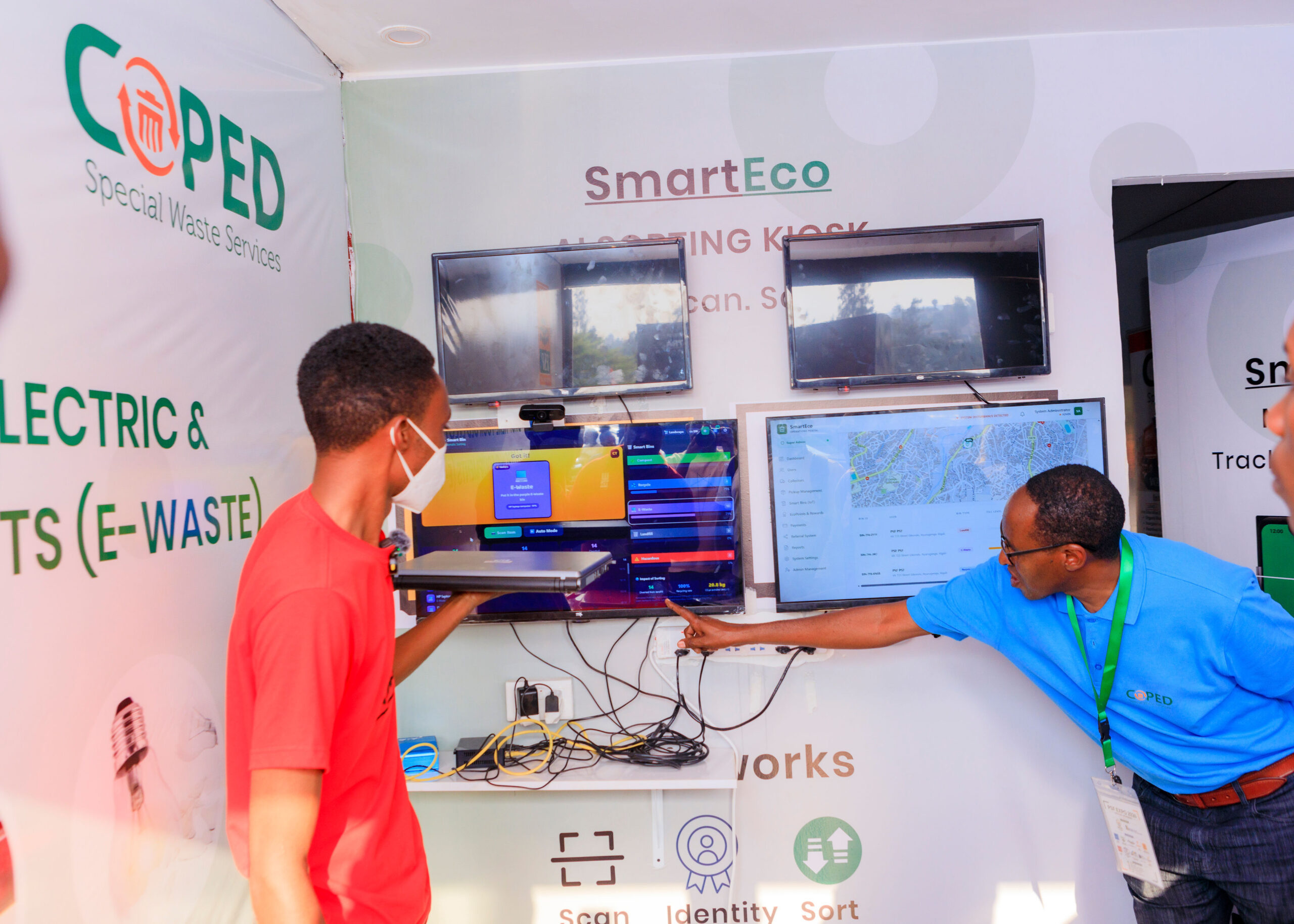
The technology is being demonstrated at the Private Sector Federation (PSF) Expo Ground in Gikondo through a partnership between waste-management company COPED, PSF and US-based CT Consult Tech.
The initiative is part of a three-year Green Expo project aimed at reducing the amount of waste generated at exhibitions that ends up in landfills, while increasing recycling and recovery.
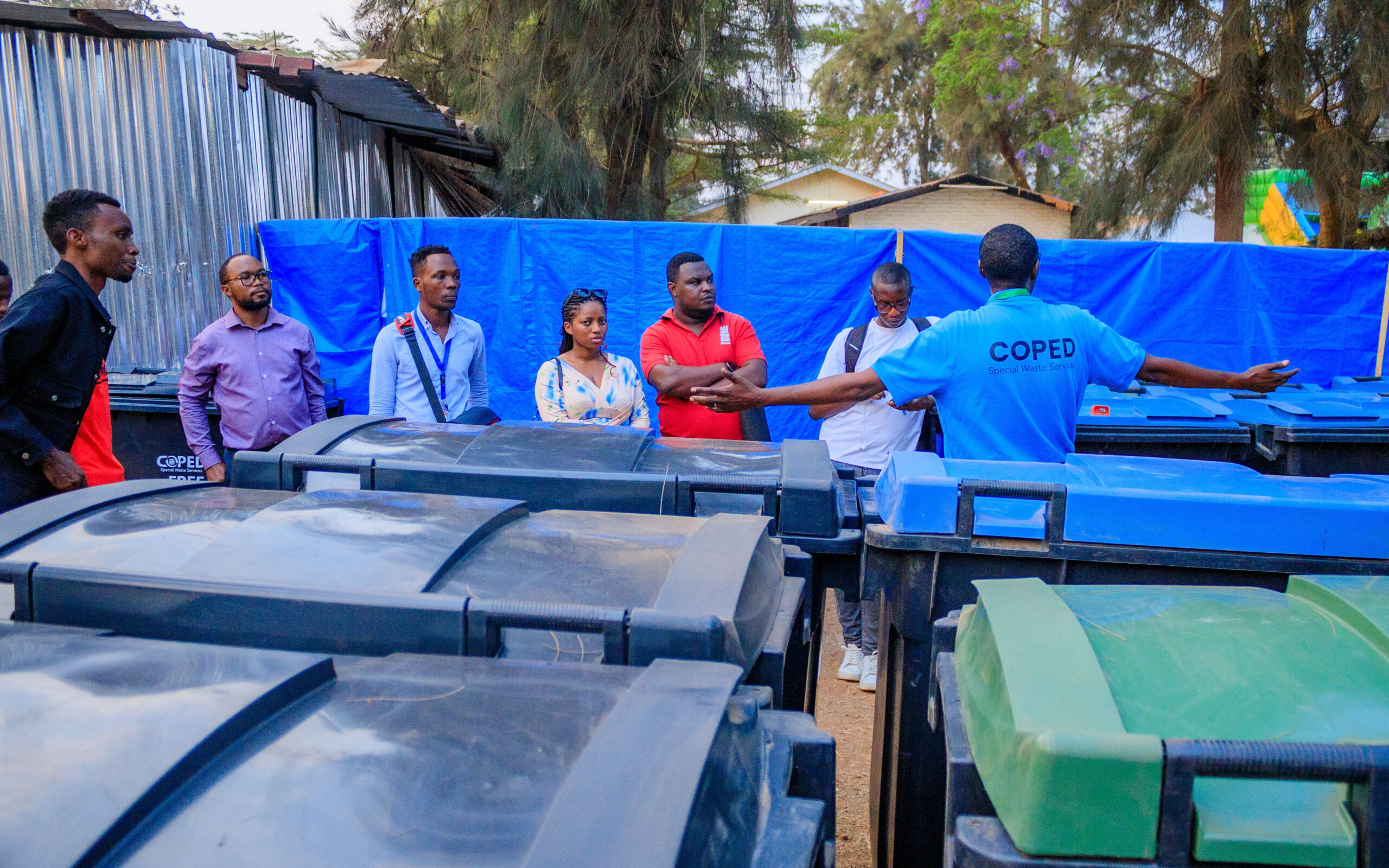
Paulin Buregeya, CEO of COPED, said the company’s approach covers the entire waste-management chain, from educating waste generators to sorting, collection and recovery of valuable materials.

“COPED is a company that deals with waste management in general. We start at the waste-generator level, where waste is produced. We support our clients to properly sort their waste, educate them and provide training on proper waste management,” Buregeya said.
He said COPED then collects the sorted waste and works to recover value from it, including through recycling.
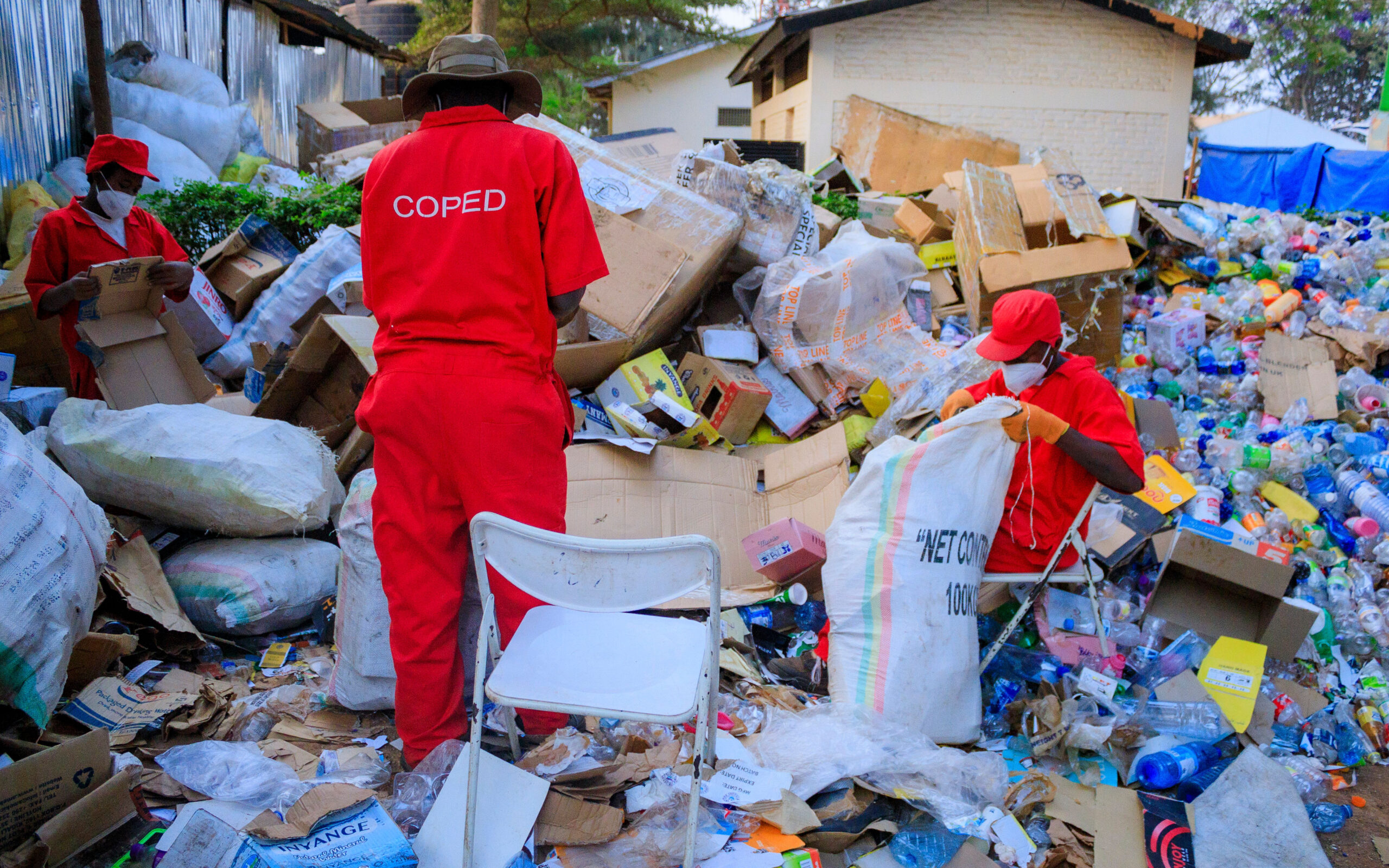
At the trade fair, COPED is working with PSF to collect and sort waste, particularly hazardous materials and electronic waste.
“We have already collected some e-waste materials and will continue collecting them from this stand. The expo will eventually close, but our collection activities will continue,” Buregeya said.
Under the Green Expo concept, waste generated at exhibitions is separated, measured and channelled either to recycling industries or appropriate disposal facilities.
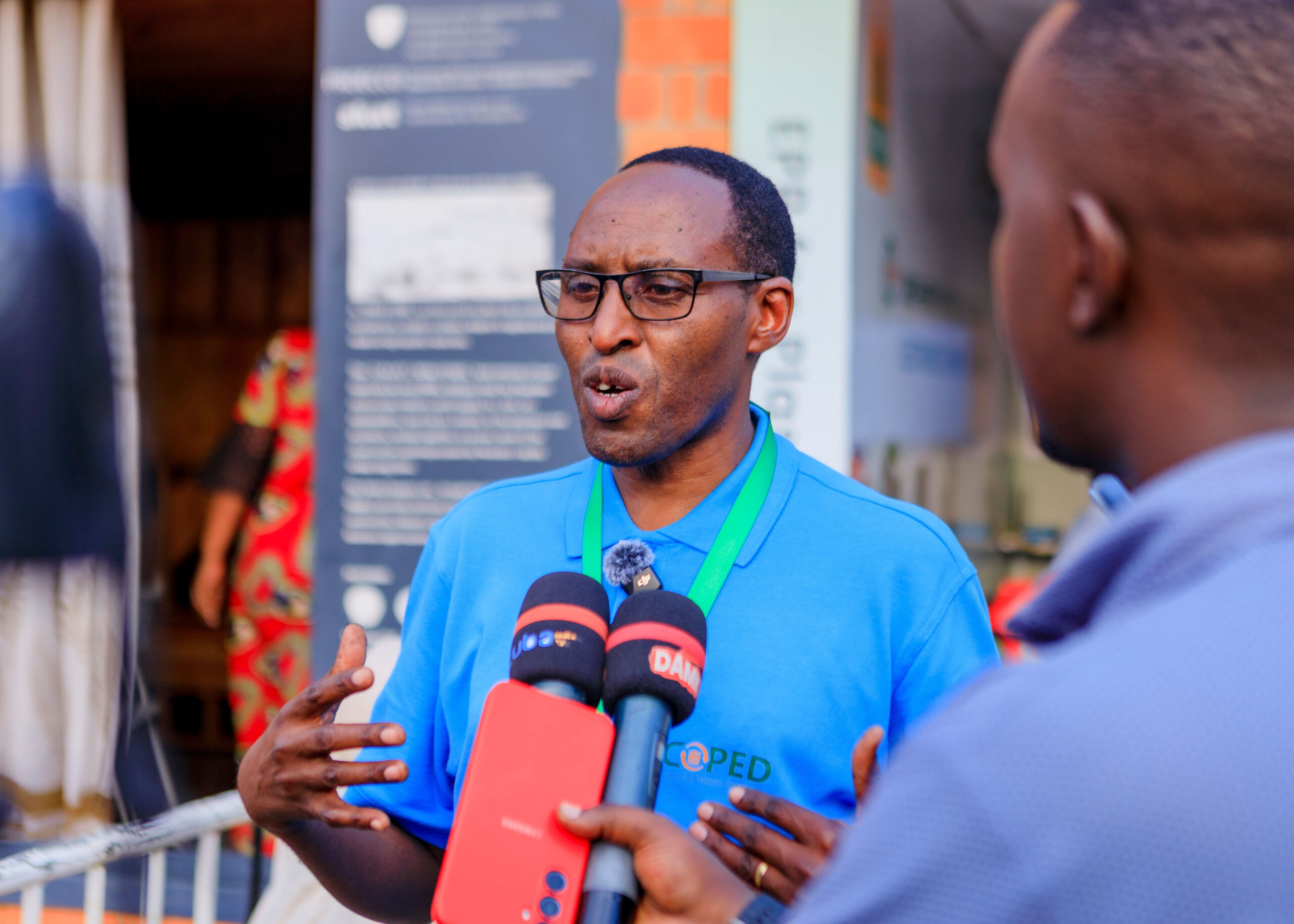
Buregeya said the model also creates an economic incentive for communities because people can earn money from waste they bring for collection.
He said COPED pays between Rwf100 and Rwf200 per kilogramme for e-waste, depending on the material, and up to Rwf100 per kilogramme for plastics.
The collected materials are then sold to specialised recycling companies, creating a chain in which households, waste-management companies and recyclers can all benefit.
Buregeya said the technology could eventually support a decentralised collection network across Kigali and Rwanda, with data generated from different collection points helping authorities and waste-management operators understand waste flows.
He added that artificial intelligence can help people who are unsure how to sort particular materials by identifying the appropriate waste category and supporting better separation.

Smart platform combines AI, sensors and data
Abdoul Razak Hamissou of US-based CT Consult Tech is the developer behind the Smart Eco-Platform being demonstrated at the expo.
Hamissou said he began developing the platform around 2021 after asking how Kigali could move beyond being a clean city to becoming a greener city through better recycling.
The platform has four main components: a mobile application, an administrative portal, smart bins equipped with sensors and an AI-powered waste-sorting system.
The mobile application allows users to request waste collection and track the process. It can also provide information from smart bins connected through Internet of Things technology.

The smart bins monitor waste levels and temperature and can detect whether a bin has tilted or fallen, allowing operators to respond when intervention is needed. The system can also help locate bins if they are moved.
The AI component is designed to help users identify waste and determine where it should be placed.
Hamissou said the system can provide more detailed information than simply identifying something as e-waste, helping users understand what an item is and how it should be handled.
The platform is also designed to show the environmental impact of recycling, including information on the amount of waste recycled and potential carbon emissions avoided by keeping waste out of landfills.
“This is a very great tool for the hospitality business, but also for all businesses. At the end, it is going to be for everyone in Rwanda, even in households,” Hamissou said.
He said Rwanda was chosen for the pilot because of Kigali’s reputation for cleanliness, providing a strong foundation for testing technology that seeks to move the city towards greater recycling and resource recovery.
The developers hope to expand the model across Rwanda and eventually to neighbouring African countries.
PSF targets wider rollout
Steven Karake, a PSF staff member in charge of research and quality, said the federation has been working with the government on waste-collection initiatives and began its Green Expo project in 2021.
PSF started working with waste-management companies in 2022, with funds provided through the federation used to support collection and recycling activities.
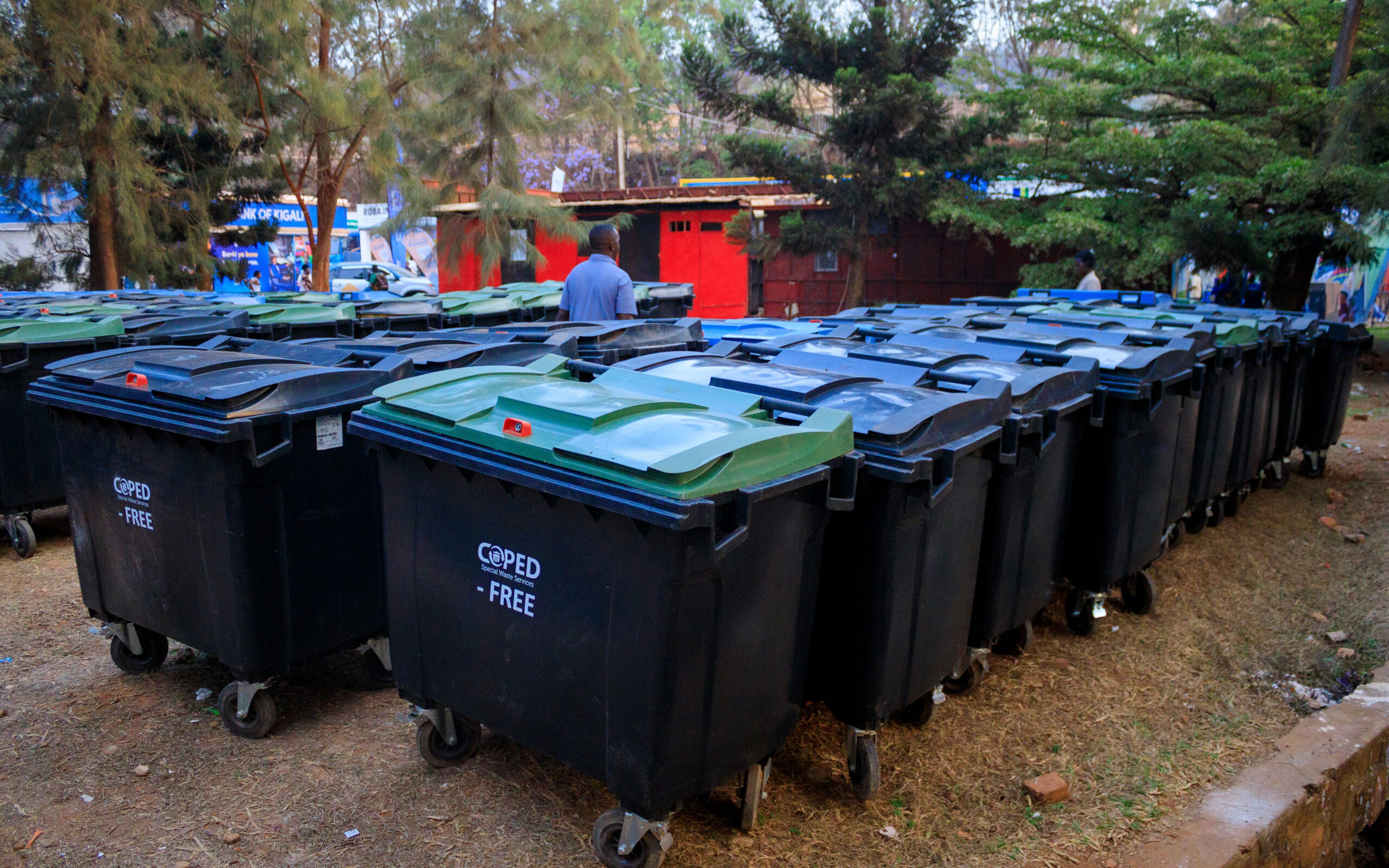
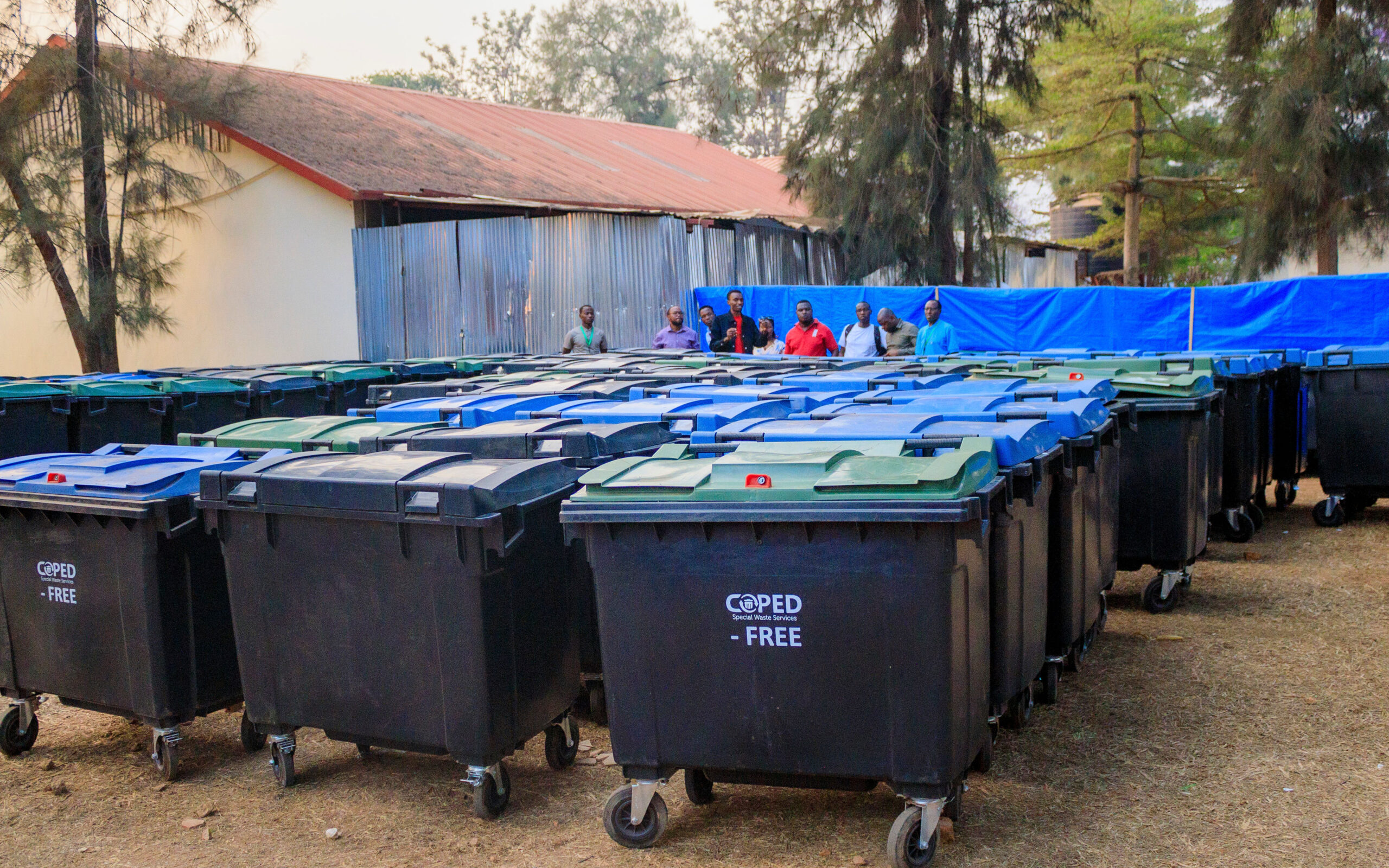
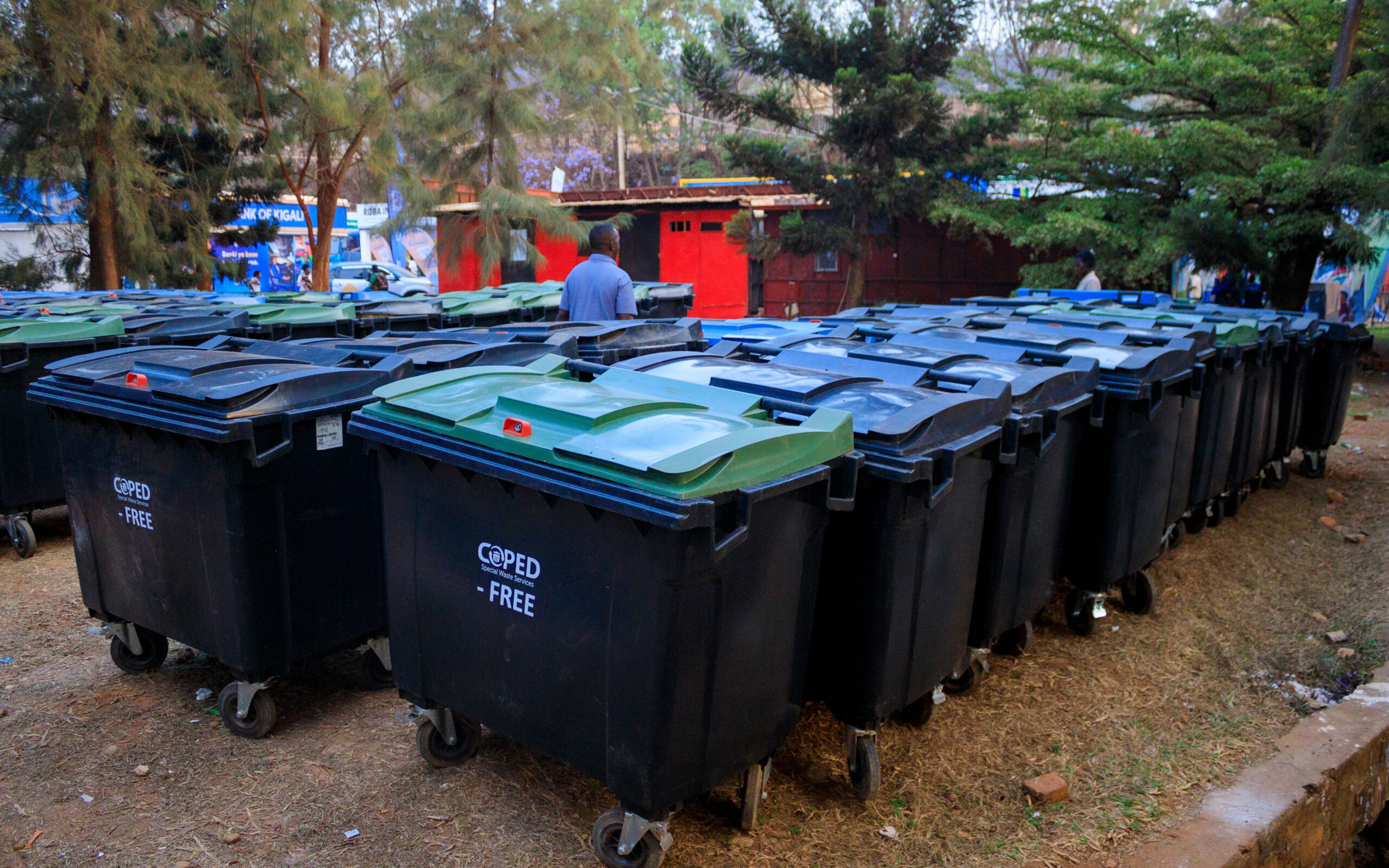
At the current trade fair, waste is being separated into four categories: general waste, recyclable waste, hazardous waste and e-waste.

Karake said more than 330 kilogrammes of e-waste had been collected by Friday, while more than 3,000 tonnes of plastic waste had been collected, with figures still being assessed.
He said the technology being tested at the expo could be replicated in hotels, factories and other businesses.
After the expo, PSF plans to establish additional waste-collection points, including at Kazi Ni Kazi Town, Gisozi Agakiriro and Kimironko, while expanding public awareness on where residents can take used electronic equipment and recyclable materials.
The broader ambition is to expand the Green Expo model beyond the annual trade fair and create a more systematic waste-management system across Rwanda.
With AI-assisted sorting, smart monitoring and financial incentives for waste collection, the partners hope the pilot will demonstrate how technology can turn waste management from a disposal challenge into an environmental and economic opportunity.
theinspirerpublications@gmail.com
More photos:
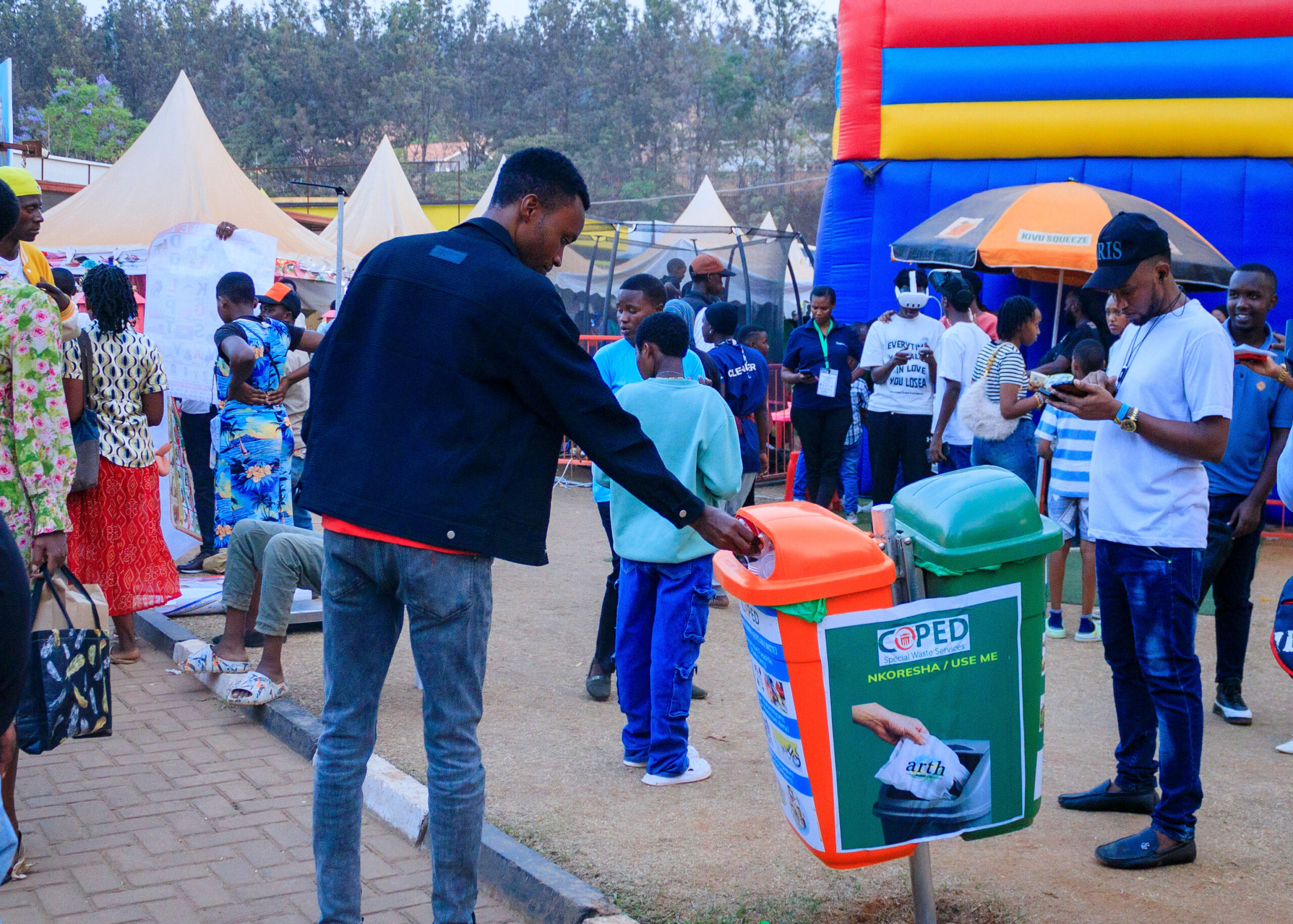
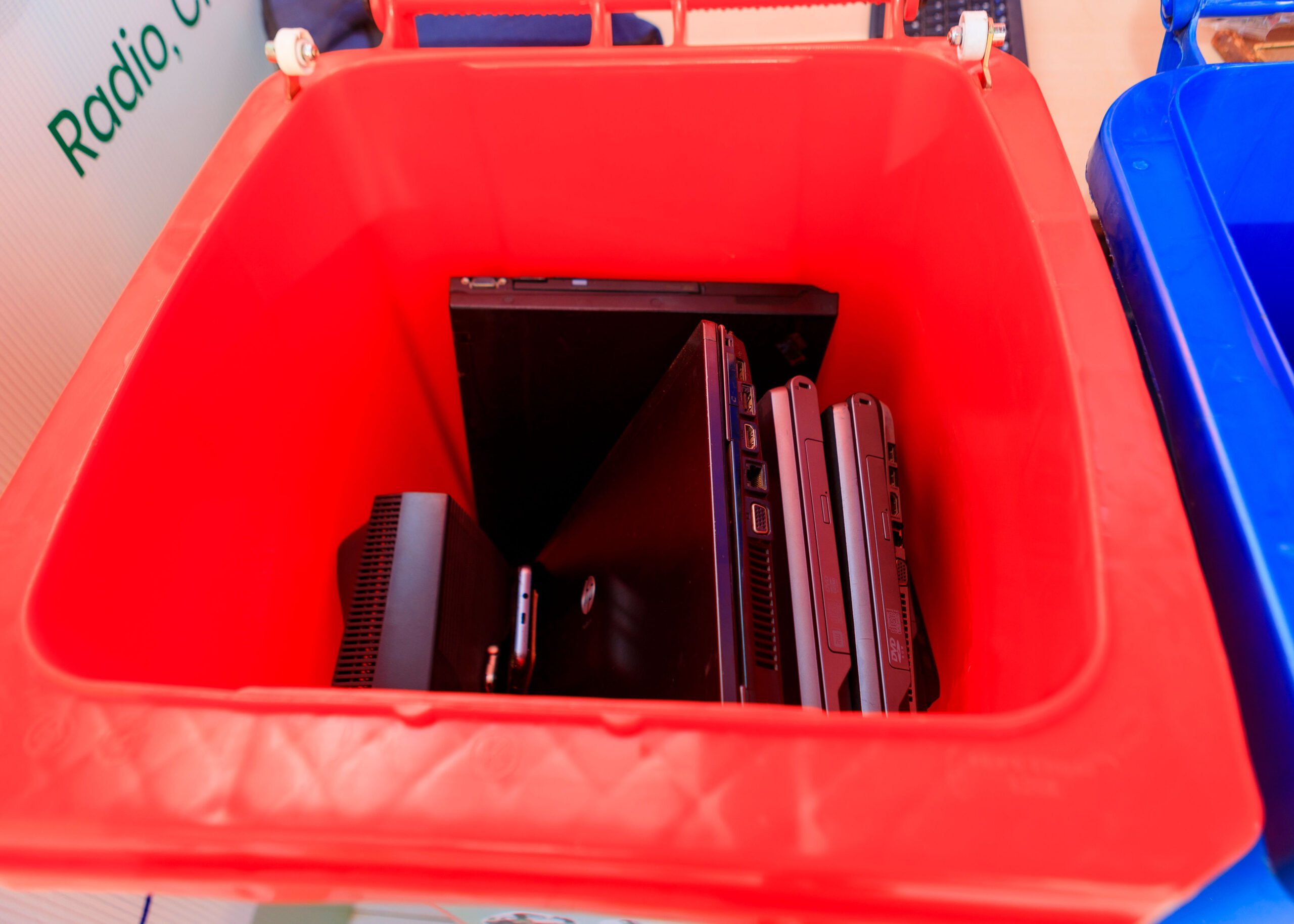 Electronic wastes
 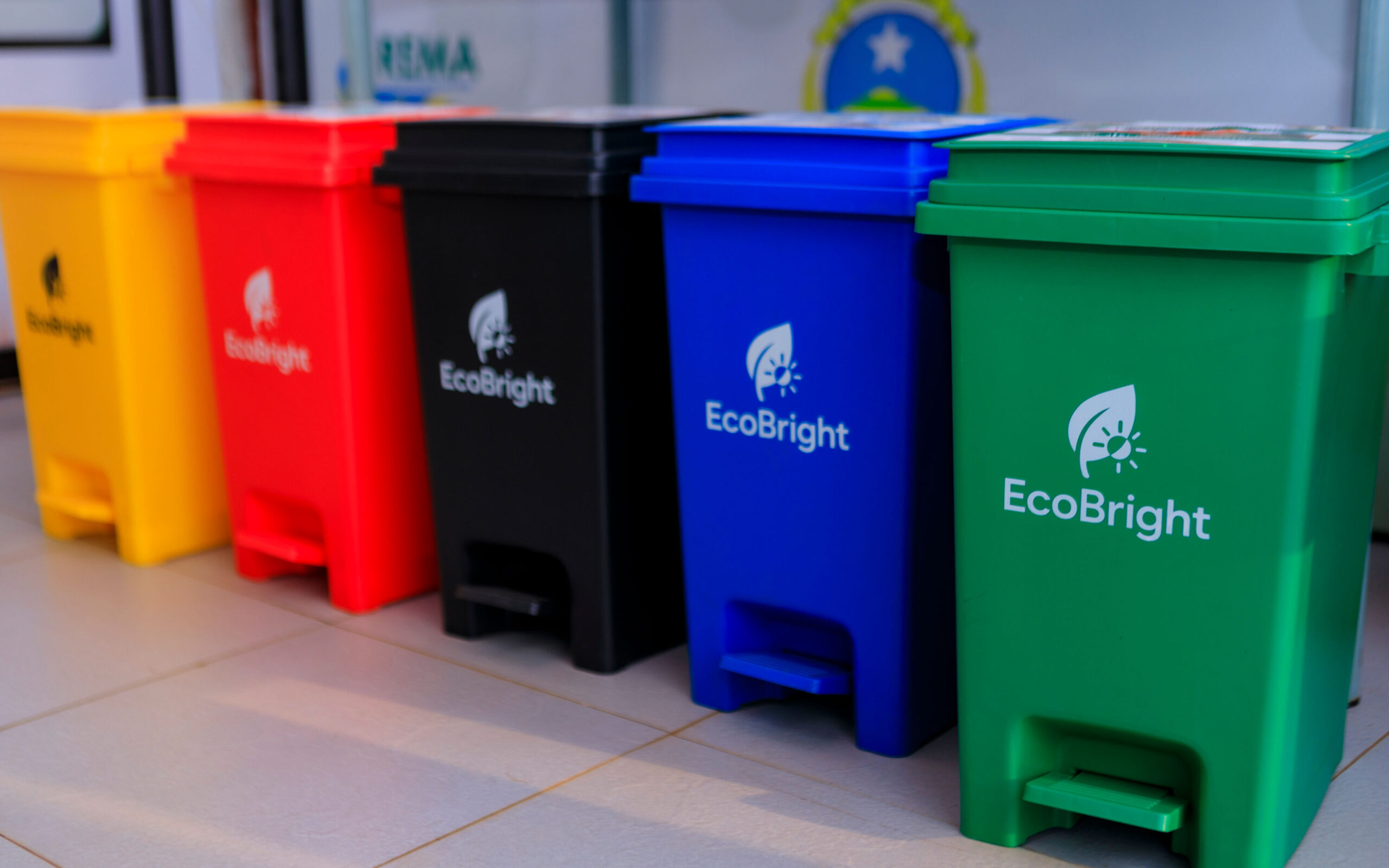 Waste collected at the trade fair is separated into general, recyclable, hazardous and electronic waste categories.





Leave a Reply