
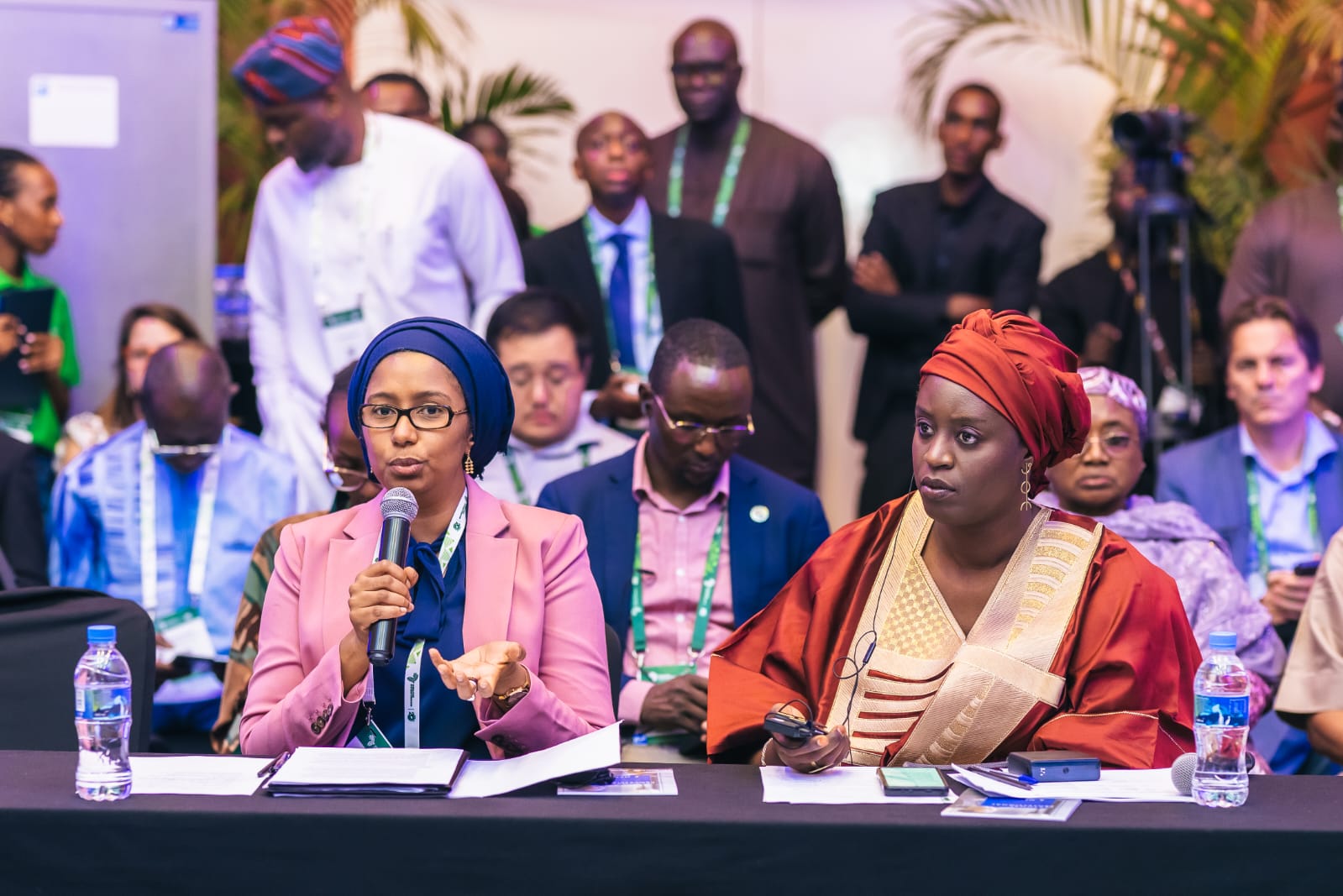
Sahel seeks investment to turn vast agricultural potential into jobs, food security
By Elias Hakizimana.
Sahel countries are seeking major investment in irrigation, livestock, agro-processing and agricultural value chains as they try to turn the region’s vast natural potential into food security, jobs and economic growth.
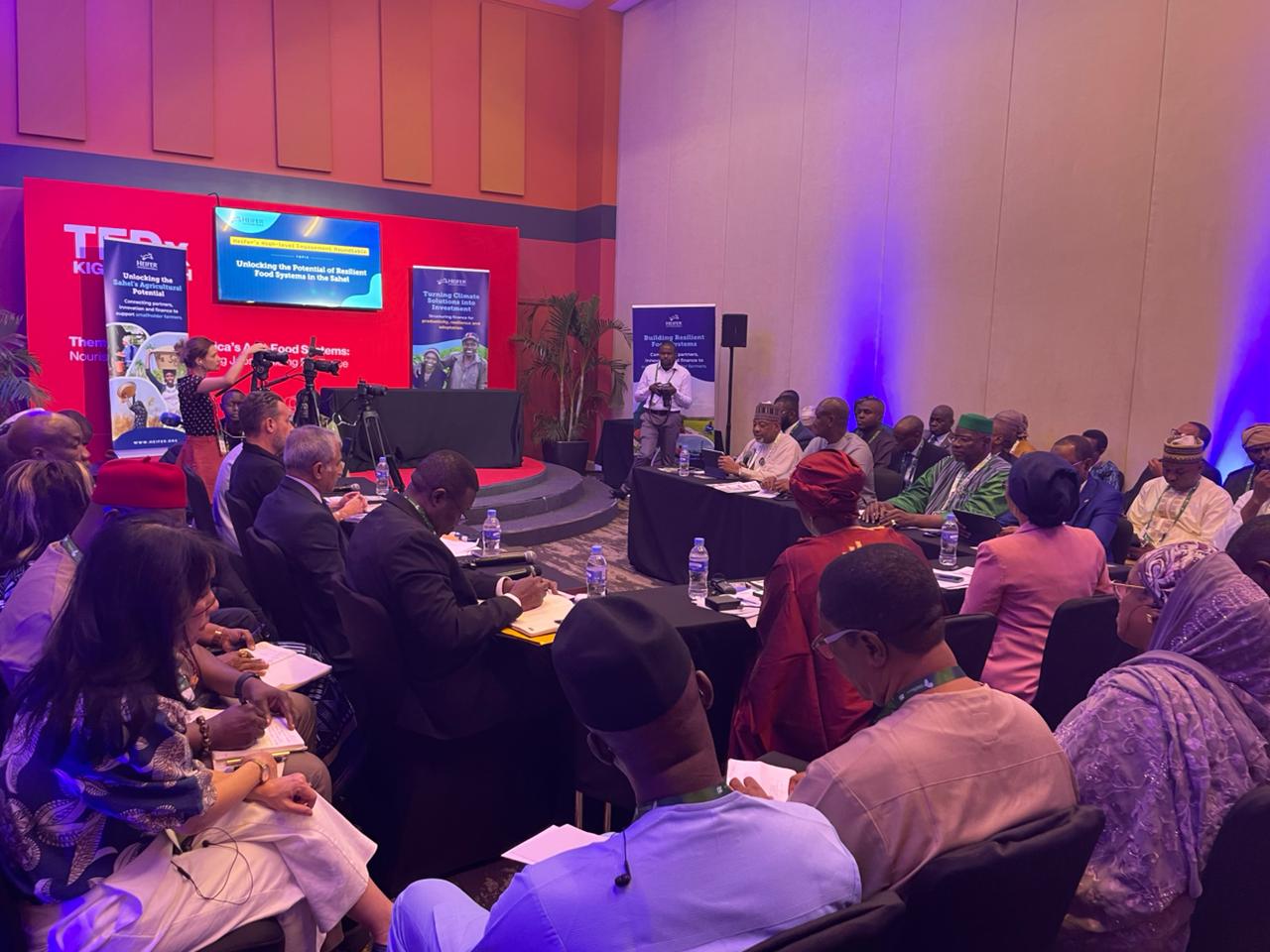
Government officials from Niger and Mali made the case for increased investment during a high-level roundtable on the Sahel’s agri-food systems in Kigali, arguing that the region must move beyond responding to recurring food and climate crises.
“The Sahel brings a formidable economic opportunity that is little known,” said Safia Boly, Senior Vice President for Africa at Heifer International.
Boly said demographic growth would increase demand for employment, incomes and business opportunities, making investment in agri-food systems increasingly important.
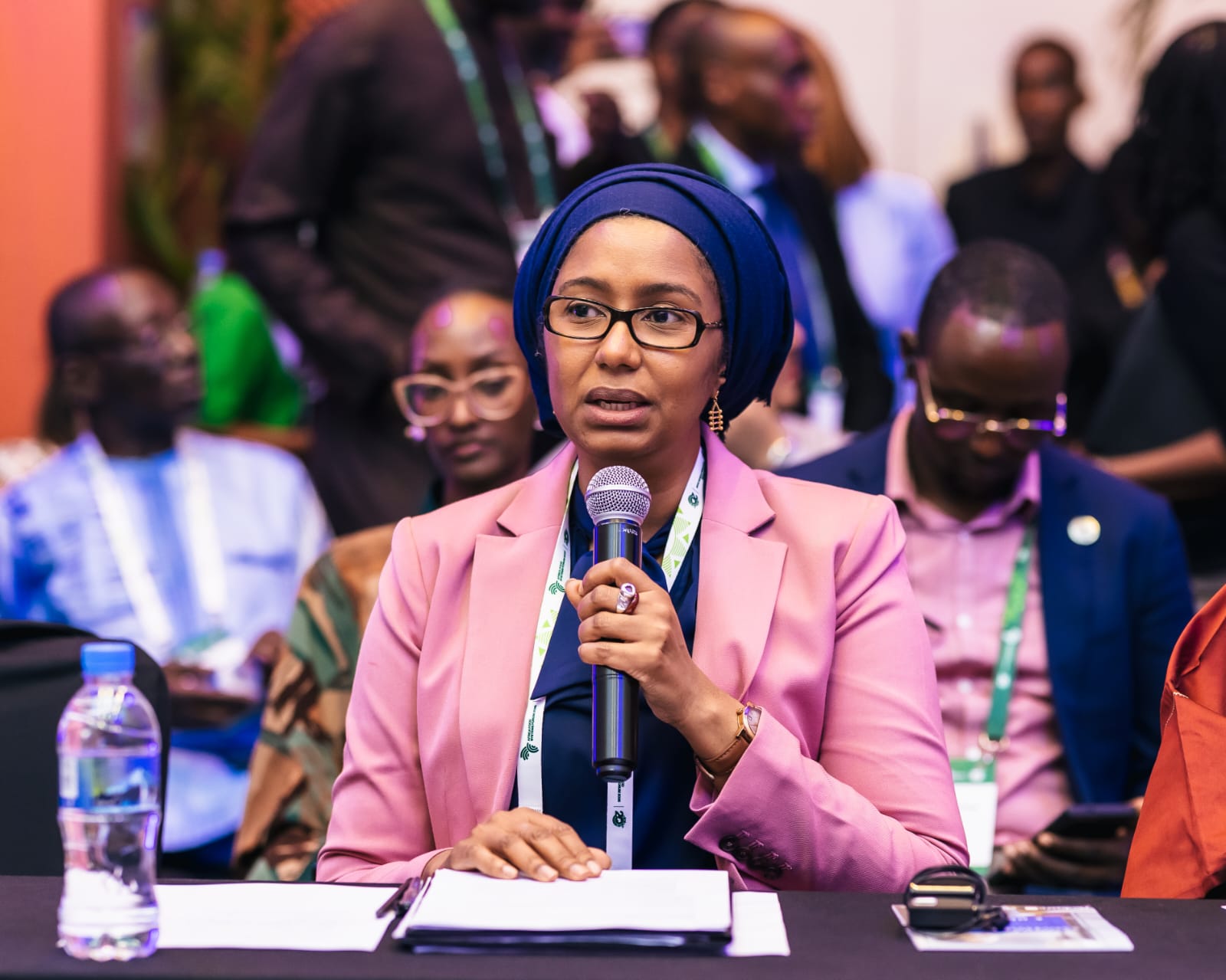
She said Heifer International expects to invest about $40 million in Africa across eight countries, with partnerships accounting for a significant share of the organisation’s financing.
“The partnership is at the heart of the way we operate,” Boly said, calling for governments, development institutions, philanthropies and private investors to combine their resources.
Niger’s Minister of Agriculture and Livestock, Colonel Mahamane Elhadj Ousmane, said the country wants to shift from emergency responses toward sustained production.
“We must move from an economy of response to an economy of production,” Ousmane said.
He said Niger’s strategy puts food sovereignty at the centre of development, with irrigation identified as a priority for producing throughout the year despite climate pressures.
The minister highlighted the scale of Niger’s livestock sector and opportunities to develop animal feed, dairy processing and poultry production.
He argued that greater local processing could help the country capture more value from its agricultural and livestock resources instead of importing processed products.
Niger also wants partners to support projects through co-investment rather than traditional aid.
“We are not asking partners simply to help us; we are asking them to co-construct,” Ousmane said.
In Mali, the government is seeking 215 billion CFA francs for livestock and fisheries-related value chains, including 200 billion CFA francs for livestock and 15 billion CFA francs for fisheries.
The proposed investment would support 75,000 hectares of irrigated crops, 125 water points and 10 livestock markets, alongside infrastructure for processing, certification and marketing.
The Malian delegation said the projects could produce about 180,000 tonnes of processed meat and create approximately 80,000 jobs, including 32,000 for women and 24,000 for young people.
Mali is also developing 11 agro-poles under its agricultural transformation strategy, designed to link production with processing, marketing and transport.
The figures point to both the scale of the opportunity and the investment gap facing the region.
Niger, meanwhile, is seeking to expand local dairy production and processing despite having a large livestock population and substantial domestic demand for milk.
Participants said regional cooperation could further expand markets by connecting producers and processors across West Africa and beyond.
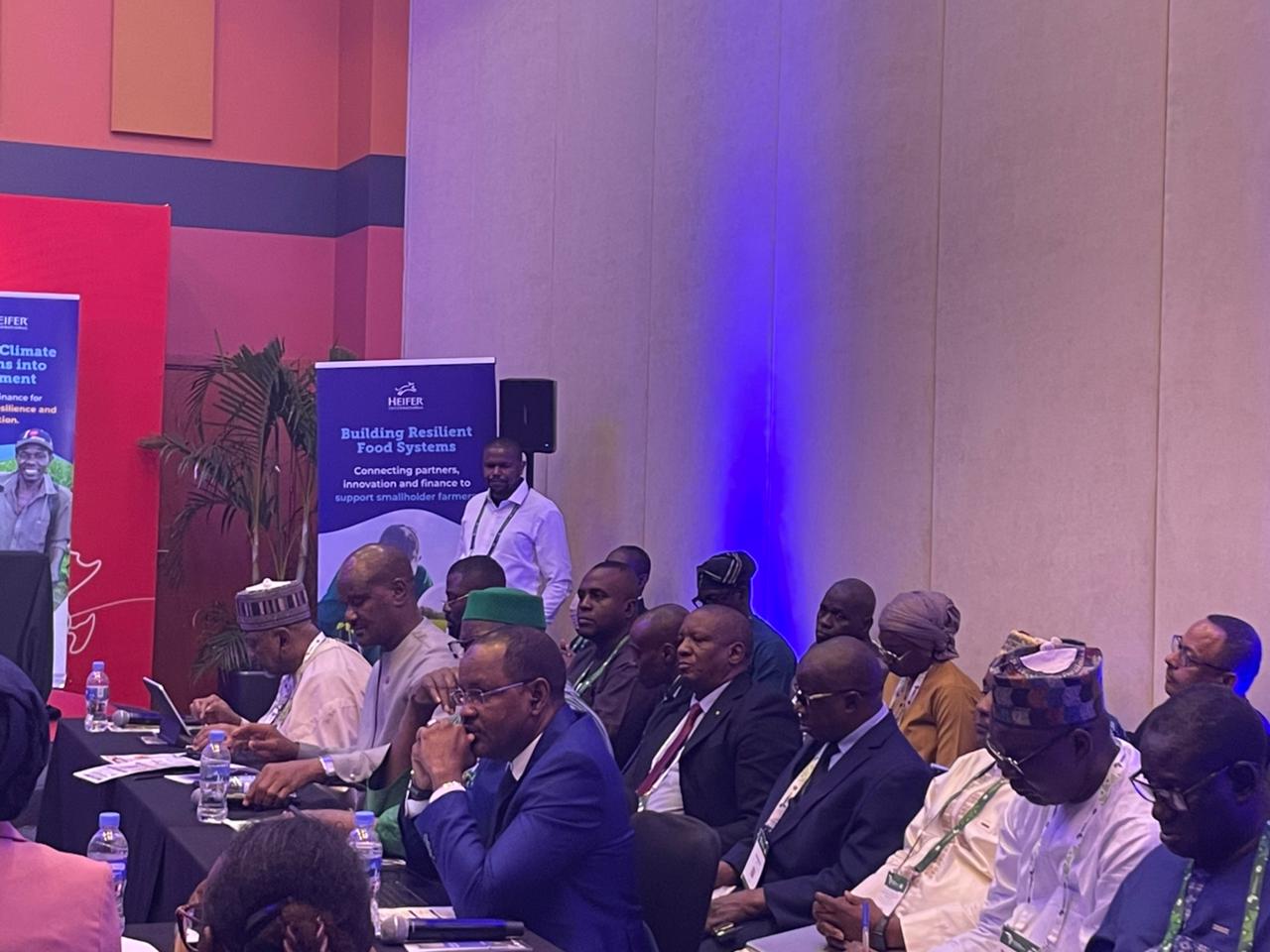
The roundtable brought together ministers, development partners and other stakeholders around a common question: how can investment be mobilised to transform the Sahel from a region largely associated with vulnerability and food crises into a competitive agricultural economy?
For Ousmane, the answer lies in changing the way the region is viewed.
“The Sahel is not only a Sahel of crises; it is a Sahel of potential,” he said.
theinspirerpublications@gmail.com



Leave a Reply