
Productivity gains push Rwanda’s milk output beyond one billion litres
By Rachid Bugirimfura.
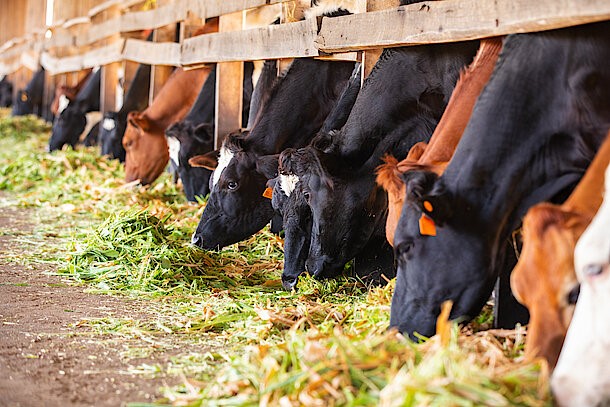
Rwanda’s dairy sector has crossed a major development milestone, with national milk production surpassing one billion litres over the past seven years—an achievement driven by productivity gains, herd expansion and sustained public investment in livestock systems.
Figures from the Ministry of Agriculture and Animal Resources (MINAGRI) show that between 2017 and 2024, Rwanda’s cattle population grew from 1.2 million to 1.6 million head, an increase of 26.2 percent.
Over the same period, total milk production rose by 29 percent, from 776 million litres to more than 1.09 billion litres.
The data were highlighted as members of the Senate of Rwanda launched nationwide field visits from January 20 to 28, 2026, to assess how livestock policies and investments are translating into household income growth, nutrition gains and broader rural development outcomes.
Productivity, not just herd growth
Speaking to senators ahead of the visits, the Minister of Agriculture and Animal Resources, Telesphore Ndabamenye, said the growth in milk output reflects improvements in productivity alongside herd expansion.
He noted that average daily milk production has reached about 1.1 million litres, underscoring gains from better animal health services, improved breeds and expanded milk collection infrastructure. The government, he said, aims to scale production further as part of Rwanda’s food systems transformation agenda.
However, Ndabamenye cautioned that future growth will depend largely on addressing structural constraints—particularly the availability and affordability of quality animal feed.
Feed constraints remain a binding challenge
Despite the gains, maize and soybean production—key ingredients in animal feed—remains insufficient to meet the growing demand from both livestock and human consumption. This has pushed up feed prices, squeezing farmer margins and limiting productivity gains, especially for smallholder producers.
Official data show that by 2024, Rwanda had only seven animal feed manufacturing plants nationwide, highlighting limited industrial capacity in a sector critical to sustaining livestock growth.
As part of their field visits, senators are examining how feed shortages, quality concerns and high costs are affecting farmers, and whether current policies are adequate to unlock private investment in feed production and processing.
Broader livestock gains
MINAGRI data indicate that growth in the dairy sector mirrors wider expansion across livestock value chains. Meat production increased by 43 percent, from 117,000 tonnes in 2017 to 207,000 tonnes in 2024. Fish production rose by 45 percent, from 26,000 tonnes to 48,000 tonnes over the same period.
The poultry subsector has also expanded steadily. The national chicken population grew from 5.2 million to 6.2 million birds—an increase of 16.7 percent—while egg production surged by 64 percent, from 7,000 tonnes to 20,000 tonnes.
These trends, officials say, point to rising demand for animal-source foods as incomes grow, but also underscore the pressure being placed on feed systems and input markets.
Senate oversight focuses on economic impact
The President of the Senate, Kalinda François-Xavier, said the upper house’s fieldwork is aimed at understanding whether productivity gains are being sustained at farm level and whether policy interventions are easing key bottlenecks.
“The Senate wants to understand how animal feed is accessed, because only well-fed livestock can deliver the productivity needed to improve household incomes and strengthen food security,” he said.
Policy incentives and the road ahead
To support livestock producers, the Government of Rwanda has introduced measures to reduce production costs, including tax exemptions on inputs used in animal feed manufacturing, subsidies for pasture seeds, and support for essential livestock equipment.
Development economists note that while the one-billion-litre milestone is significant, the next phase of growth will depend on deepening feed markets, improving processing capacity and ensuring that productivity gains translate into stable incomes for smallholder farmers.
MINAGRI says sustained investment in feed production, private-sector participation and farmer support systems will be critical if Rwanda’s dairy sector is to remain a reliable engine for rural growth, nutrition and economic resilience.




Leave a Reply