

Rwanda marks World Blood Donor Day 2025 with youth at the heart of voluntary giving
By Elias Hakizimana.
Rwanda has on Saturday, June 14, 2025 , joined the global community in marking World Blood Donor Day (WBDD) 2025, with national celebrations held in Musanze District, Northern Province.
Organized by the Rwanda Biomedical Center (RBC), through its Blood Transfusion Division, the event emphasized the power of youth and voluntary blood donation in saving lives and supporting a resilient health system.
Held at the Regional Centre for Blood Transfusion (RCBT) in Ruhengeri, the commemoration brought together national and local health authorities, youth groups, medical professionals, and long-time blood donors in a call for regular, unpaid blood donation.

A nationwide media campaign was also launched to amplify the message and engage more citizens, particularly the youth.
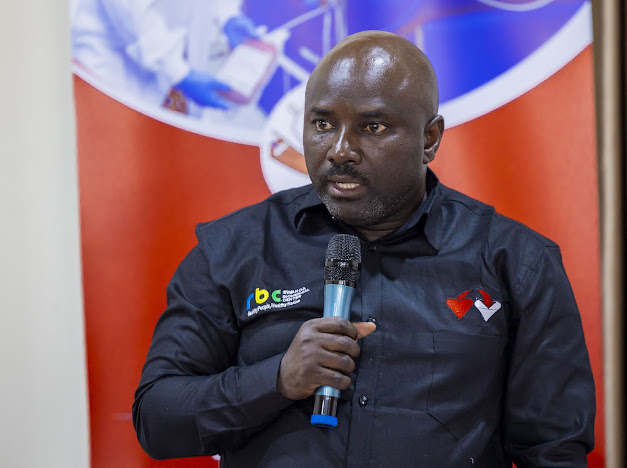
Dr. Muyombo Thomas, widely known as Dr. Tom Close, Director General of the Blood Transfusion Unit at RBC, urged all eligible citizens to give blood regularly.
“No Rwandan should die due to lack of blood,” said Dr. Muyombo.
“We want every citizen to understand that blood is life. Donating is a simple but powerful act of solidarity.”

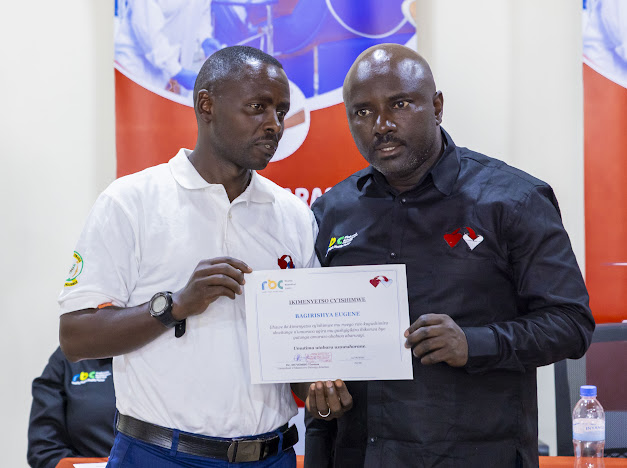
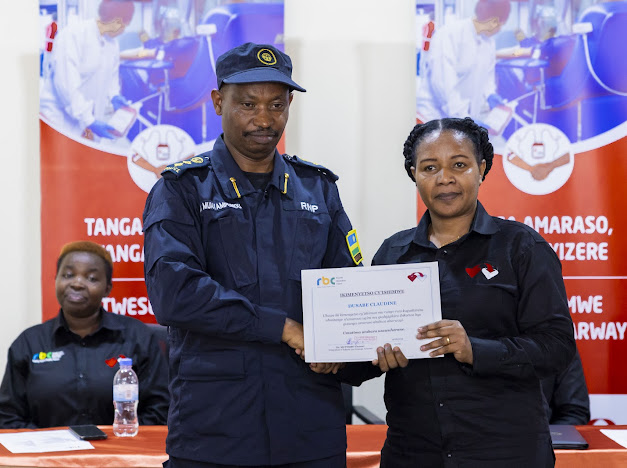
The event also featured a recognition ceremony honoring Rwanda’s top 10 most consistent blood donors in 2024, with each regional center awarding the best male and female donor. These symbolic honors highlighted individuals who have repeatedly donated blood, some for over a decade.
According to RBC’s 2024 report, 58,653 Rwandans donated blood, last year, with 17% of the contributions coming from the Northern Province.
Of all patients in need, 89.7% received blood transfusion support, reflecting the significant role of regular donors.
Lifelong commitment to saving lives
During interviews, several long-time donors shared their motivation.
Jean Bosco Manizabayo, 34, from Kinigi Sector, said he has donated 47 times since he was in Primary 6 in 2010.
“I have Group B. I donate because I know this blood saves lives — women giving birth, children, accident victims,” he said.
Cyprien Ndayambaje, 50, from Gataraga Sector, reiterated the good will to save lives through blood donation.
“There is no danger in donating blood. I rest for 10 minutes and return to normal. I’ve donated 47 times.”
Leonidas Niyonzima, 53, recalled his first donation while a student at Petit Séminaire.
“This is my 30th time donating. Blood saves lives. I even encouraged my children to join.”
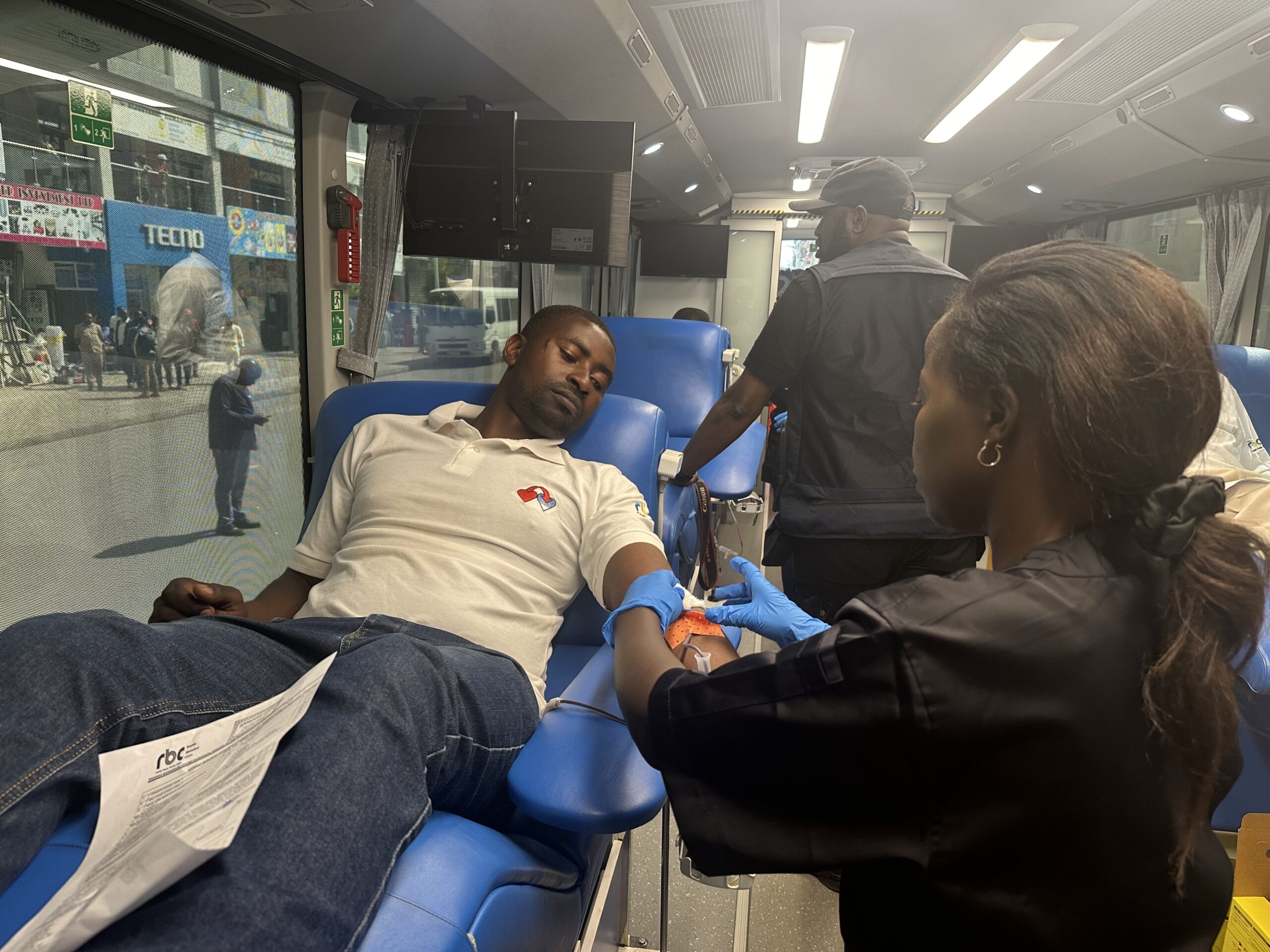
Other donors included Focus Nizeyimana, 42, who has donated 35 times, and Jean Marie Habimana, 40, on his 7th donation, who described it as “an act of love.”
Eugene Bagirishya, 43, started in 1999 at the age of 17 and has donated blood 72 times.
“A single packet of blood can save one or more lives. That’s why I never stopped,” he said.

Government commits to increased awareness
Governor of the Northern Province, Maurice Mugabowagahunde, applauded the contribution of donors and urged more people to get involved.
“Too many people need blood, especially accident victims,” said Mugabowagahunde. “Healthy individuals can also prevent disease by donating blood regularly. It’s a win-win act of compassion and care.”
He added that in 2024, more than 10,000 donors came from the Northern Province alone.
“We now target youth in schools and communities to boost this number through ongoing sensitization campaigns,” he said.
The governor also encouraged preventive health, calling on citizens to avoid blood-borne diseases and reduce the risk of non-communicable diseases through healthy lifestyles, balanced diets, and regular physical activity.
Youth at the center
Dr. Thomas Muyombo emphasized the central role of young people in sustaining Rwanda’s blood supply.
“In 2024, 67% of donated blood came from the youth. We plan to engage students in secondary schools and universities to make blood donation a culture,” he said.
“Even pregnant women with stable hemoglobin levels can donate after 12 months of giving birth. Let’s make blood donation a national value.”
Looking ahead
World Blood Donor Day, established in 2004, is observed every June 14 to honor the birth of Karl Landsteiner, the scientist who discovered blood groups.
Rwanda’s 2025 commemoration, though awaiting the WHO’s official global theme, focused on celebrating life, selflessness, and the hope that voluntary blood donors bring to hospitals across the country.
“Countries that risk shortages in the future must learn from Rwanda. Our people donate from the heart, and with that spirit, no patient will be left behind.” Dr. Muyombo concluded.
theinspirerpublications@gmail.com




Leave a Reply