

Rwanda Takes Global Stage as Minister Calls For Africa-Led Health Innovation At 12th EDCTP Forum
By Elias HAKIZIMANA.
Rwanda has cemented its status as a rising force in global health research as it hosts the 12th Forum of the European and Developing Countries Clinical Trials Partnership (EDCTP)—a landmark event drawing over 1,600 delegates from 76 countries to Kigali for six days of high-level dialogue on infectious diseases, clinical trials, and science diplomacy.
Held under the theme “Better Health Through Global Research Partnerships,” from June 15-20, 2025, the forum comes at a pivotal moment for Africa’s health research agenda.
The event is jointly hosted by the Rwanda Biomedical Centre (RBC) and Global Health EDCTP3, with support from the European Union and African Union, bringing together leading researchers, policymakers, funders, and youth scientists from across the world.
Opening the forum at the Kigali Convention Centre, Rwanda’s Minister of Health, Dr. Sabin Nsanzimana, issued a galvanizing call for the continent to “go fast and far” in closing the global health research gap.
“Ten years ago, Africa contributed just 2% to global clinical trials. Today, we’re at 3%. That’s still not enough,” said Dr. Nsanzimana. “We must move to 20%—why not 50%? And those solutions can come from Kigali, Lagos, Djibouti, or anywhere. Africa must lead too.”

Highlighting the paradox of Africa bearing 25% of the global disease burden while contributing only a sliver to global research, Nsanzimana challenged stakeholders to invest boldly in local talent, infrastructure, and partnerships that prioritize equity and innovation.
He pointed to Rwanda’s own advances—such as the newly launched National Health Intelligence Center and hosting of the Africa Medicines Agency (AMA)—as examples of the kind of structural commitment needed to change the research landscape.
“We must fund people, build labs, develop regulatory systems, and publish together. No idea or initiative is too small to matter,” he added.
A continental call to action
Other key African institutions reiterated the call. Dr. Mosoka Papa Fallah, Acting Director of Science, Research, and Innovation at Africa CDC, emphasized the continent’s readiness to lead with evidence-based strategies:
“Thanks to our EDCTP-supported roadmap, we’re now tracking over 40 clinical trials, including promising work on Marburg virus and post-exposure prophylaxis,” he said. “This is not just policy—it’s real data, real capacity, and real solutions for Africa.”
He highlighted EDCTP’s support in training over 150 epidemiologists and biostatisticians and building regional networks capable of responding rapidly to disease outbreaks.

WHO-AFRO’s Afu Consens Asunluti reinforced the urgency of African-driven research agendas. “The strength of Africa’s health system lies in its ability to generate and use local evidence,” she said, announcing a forthcoming MoU between WHO-AFRO and EDCTP to support ethical, regulated vaccine research on the continent.
Global partnerships in a time of donor fatigue
European delegates also weighed in. Dr. Henning Gadecki, Chair of the EDCTP Association Board, acknowledged donor fatigue and shifting priorities in global funding but insisted that Africa-Europe partnerships remain vital.
“Research for global health is not a luxury—it impacts millions. This forum must reaffirm EDCTP’s central role in the EU’s future research framework,” he said.
Spain’s Secretary General for Research, Eva Ortega-Kaino, addressed the forum via video, confirming Spain’s growing role in global health science and announcing a bid to host the next EDCTP Forum in Madrid in 2027.
“In 2023 alone, Spain was involved in 17 EDCTP-funded projects, including 13 clinical trials. We are proud to back high-quality, cross-continental science,” she said.
From beneficiary to leader
The hosting of this high-level forum in Kigali signals a paradigm shift: Africa is no longer a passive recipient of aid and knowledge—it is now a generator of innovation and solutions. Rwanda’s leadership in this space is both symbolic and strategic.
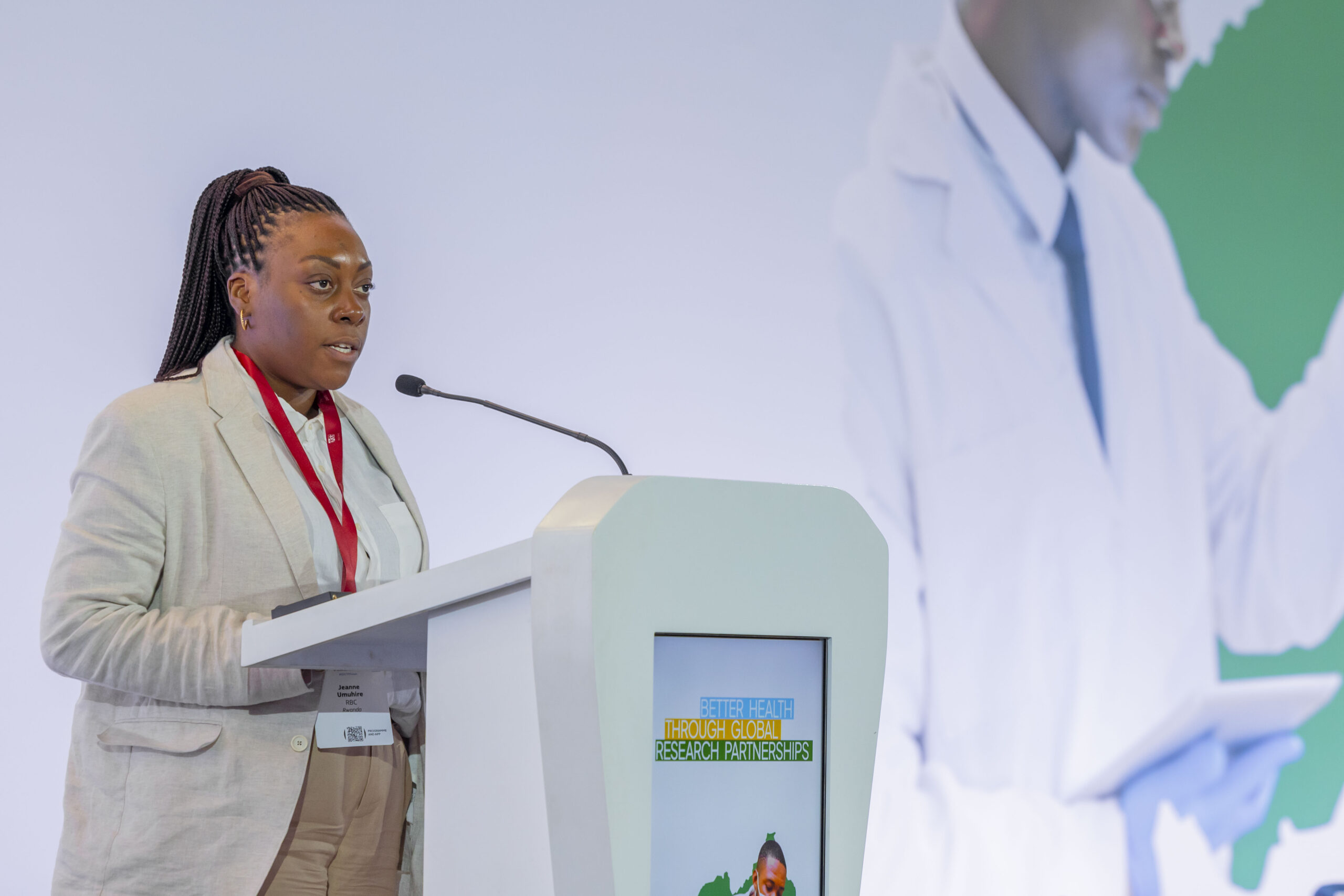
Jeanne Umuhire, Deputy Director General of RBC, said “From malaria to HIV, research has been the cornerstone of our success. Let this forum be a platform not only for scientific exchange but for long-term relationships built on shared purpose.”
Throughout the week, sessions will explore pressing issues—from supporting early-career researchers to pandemic preparedness, data sovereignty, and science diplomacy.
“There are no borders in health emergencies,” said forum moderator Jackie Lumbasi. “No country can tackle global health threats alone. We need partnerships built on mutual respect and shared commitment.”
As Kigali plays host to global minds and policy architects, the message is clear: Africa’s moment in science is now—and Rwanda is helping lead the charge.
theinspirerpublications@gmail.com





Leave a Reply