

Malawi, Rwanda Strengthen Cooperation on Inclusive Education with RISE Project
By Prince Boris Cyubahiro
Rwanda and Malawi are reinforcing their commitment to inclusive education for children with disabilities through the Realising Inclusive and Safe Education (RISE) Project.
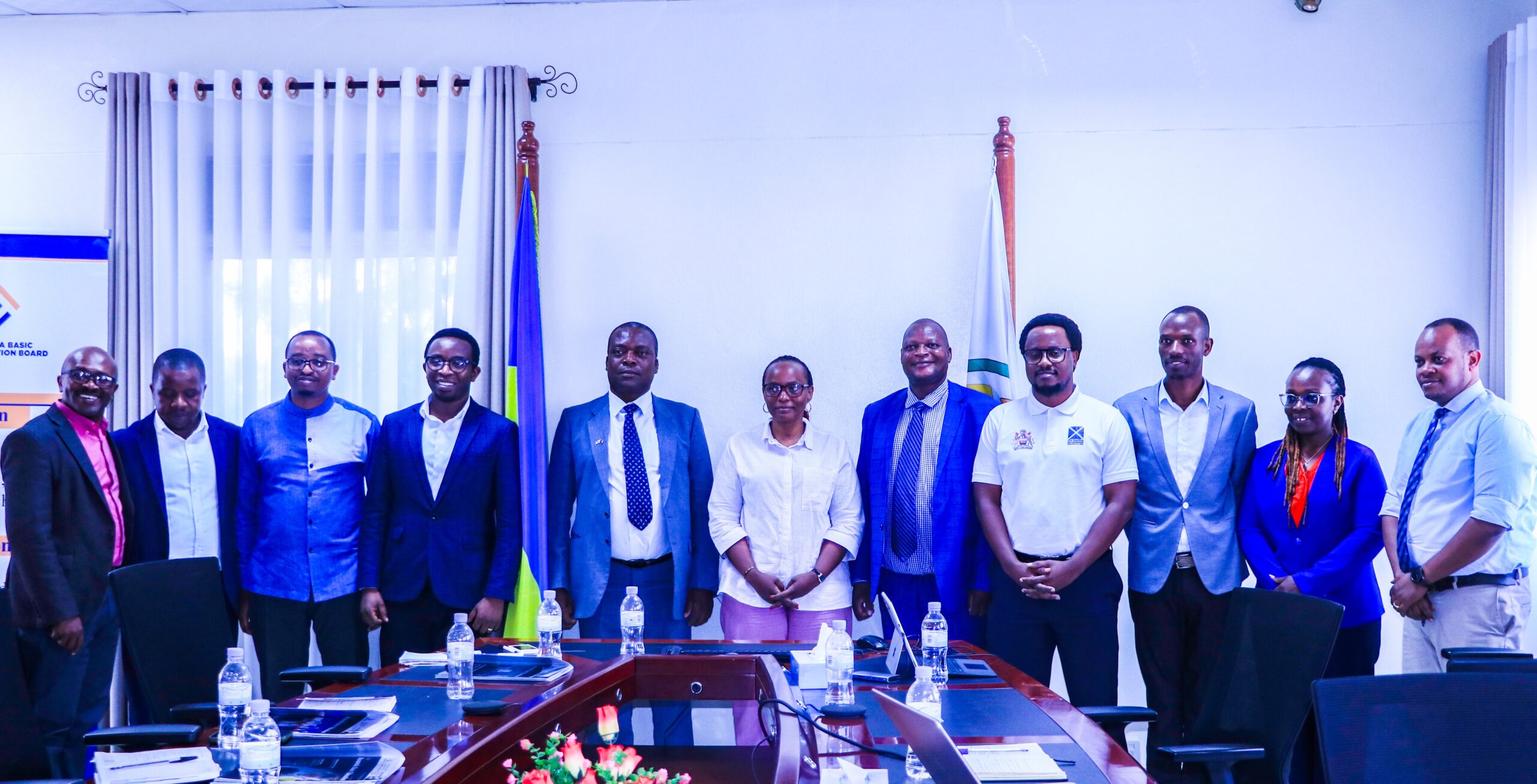
During a high-level meeting in Rwanda on March 13th and 14th, 2025, officials from both countries discussed the progress made and the challenges that remain in ensuring equal access to quality education for all children Including children with disabilities and other special educational needs.
The Malawi delegation includes two staff members from the Ministry of Education and one representative from Link Community Development Malawi, a partner organization implementing the RISE Project in Malawi, similar to the role of CHANCE FOR CHILDHOOD in Rwanda.
Progress in Rwanda’s inclusive education
Dr Flora Mutezigaju, Deputy Director General of the Rwanda Basic Education Board (REB), highlighted Rwanda’s advancements in inclusive education, noting a significant rise in school enrollment for children with disabilities—from 29,000 to nearly 43,000 over the past five years.
Despite this progress, she acknowledged that misconceptions about children with disabilities remain a major barrier.
“Inclusive education is not just about bringing children with disabilities into classrooms; it’s about ensuring they are supported, valued, and given equal opportunities to succeed,” Mutezigaju emphasized.
To enhance inclusive education, REB has introduced specialized teacher training programs focusing on disability awareness, students’ rights, and effective teaching strategies.
These initiatives promote integrated learning, where children with and without disabilities study together, fostering a more supportive learning environment.
RISE project: a platform for cross-border learning
The RISE Project, which is being implemented in Malawi, Zambia, and Rwanda, facilitates knowledge-sharing across countries. As part of this initiative, Malawian education officials visited Rwanda to observe best practices in integrating children with disabilities into mainstream schools.

Felicien Turatsinze, Rwanda’s Country Representative for Chance for Childhood, emphasized that Rwanda is emerging as a model for inclusive education in Africa. He underscored the importance of continuous teacher training and the adoption of technology-assisted learning tools, such as sign language and audio lessons, to support students with disabilities.
Malawi looks to adopt Rwanda’s model
Mafios Kumpare, Principal Education Officer for Special Needs Education at Malawi’s Ministry of Education, praised Rwanda’s efforts in inclusive education.
“We’ve seen well-organized inclusive schools where children with disabilities thrive alongside their peerswithout disabilities. Rwanda’s tailored curricula for different disabilities is something Malawi aims to adopt,” he said.
Both Malawi and Rwanda reaffirmed their commitment to expanding inclusive education through the RISE Project, ensuring that children with disabilities receive equal opportunities to learn and succeed.

Rwanda’s ongoing commitment to inclusive education
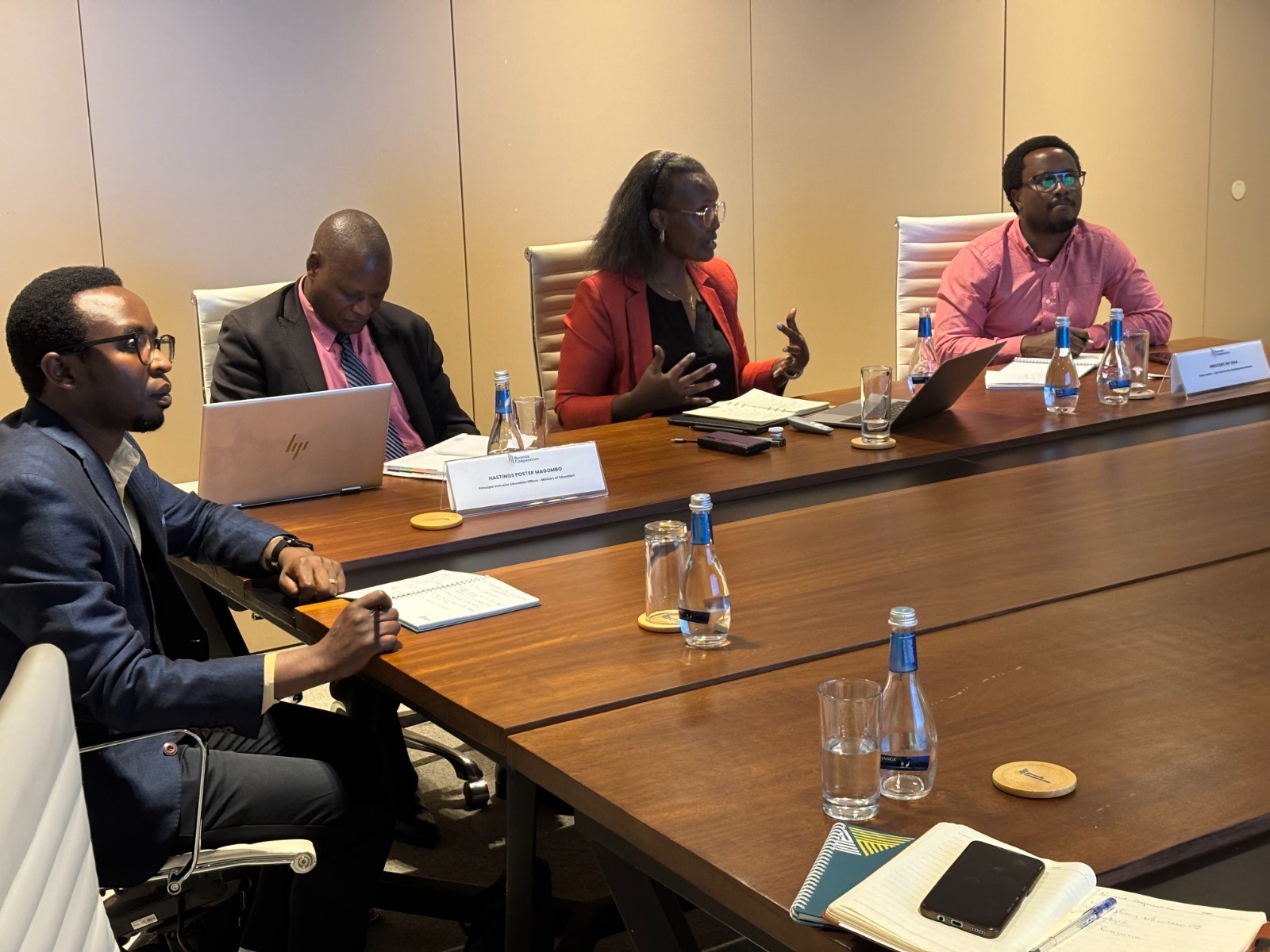
During a discussion with a Malawian delegation from Chance for Childhood, Rose Baguma, Director General for Education Policy at the Ministry of Education, emphasized the importance of safeguarding the progress made in inclusive education.
“We must continue to do our best while preserving the achievements we have made. We have accomplished a lot, but we have not yet reached our desired goal, especially given the many challenges we face. When you look at where we want to go, we are not there yet. However, seeing people come to learn from us is valuable.”
This growing collaboration between Rwanda and Malawi reflects a shared vision—to ensure that all children, including those with disabilities, have access to quality inclusive education and can contribute meaningfully to their personal and national development.
The visit marked the official launch of the RISE project at the Ministry of Education (MINEDUC), Rwanda Basic Education Board (REB), and National Examination and School Inspection Authority (NESA).

 Rose Baguma, Director General for Education Policy at the Ministry of Education, emphasizes the importance of safeguarding progress in inclusive education during a discussion with the Malawian delegation as part of the RISE Project visit in Rwanda.
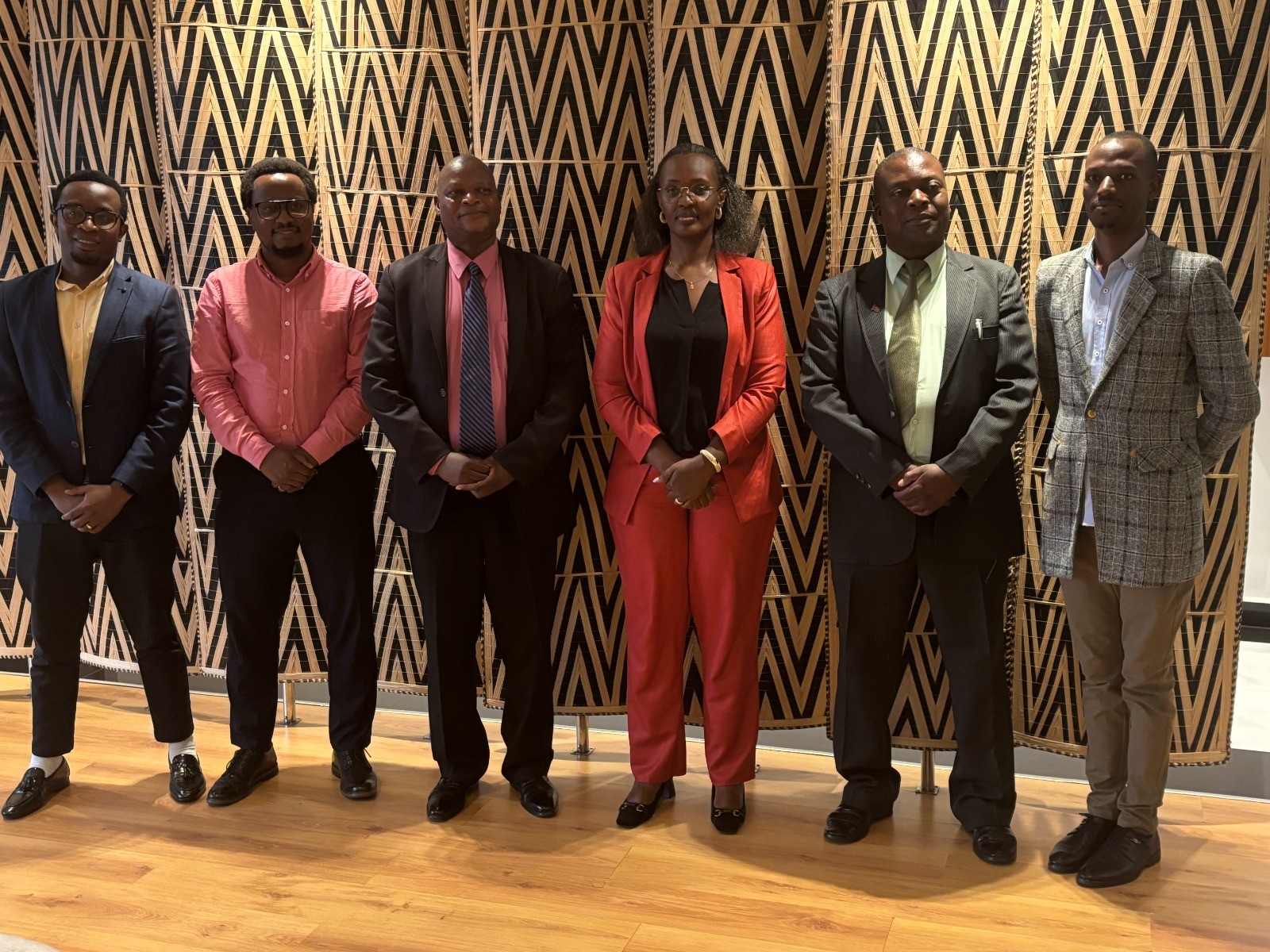
  Delegates from Rwanda and Malawi pose for a group photo during the high-level meeting on inclusive education under the RISE Project in Kigali, Rwanda. The collaboration aims to strengthen educational opportunities for children with disabilities in both countries.

theinspirerpublications@gmail.com


Leave a Reply