
Rwanda’s Climate Action Plan Faces $7 Billion Funding Gap: Urgent Measures Needed
By The Inspirer.
Rwanda is confronting a substantial funding gap of $7.1 billion (Rwf 9 trillion) to fulfill its climate action targets under the Paris Agreement by 2030.
The nation is committed to investing a total of $11.04 billion (Rwf 14 trillion) to slash carbon emissions by 4.6 million tonnes, as disclosed during the Kigali Climate Talks held on May 9.
The revelation of this funding deficit underscores the challenges Rwanda faces in achieving its climate objectives, particularly in updating its Nationally Determined Contributions (NDCs), integral to the Paris Agreement.
These contributions delineate Rwanda’s strategies for emission reduction and climate adaptation, aligning with the imperative of limiting global temperature rise to below 2 degrees Celsius, preferably 1.5 degrees Celsius.
The Ministry of Environment’s calculation of the investment gap involved excluding costs for completed projects, pre-2020 initiatives, and tentative future endeavors.
Rwanda’s climate action plan encompasses 557 specific projects and technical assistance initiatives aimed at meeting its revised NDCs.
Among these projects, 88 are planned with a value of $2.3 billion, while 190 ongoing projects amount to $3.6 billion. Additionally, 48 indicative projects total $1.1 billion, with 15 completed ventures costing $54 million.
Significantly, 216 projects currently lack funding, illustrating the critical need for financial support.
Rwanda’s strategic focus spans various sectors, with 43.2% of ongoing and planned projects allocated to energy, 24.5% to transport, 9.8% to water supply, 7.1% to sanitation, 4.7% to agriculture, 2.7% to integrated water resources management, and 4.4% to urbanization and rural settlements.
Minister of Environment Jeanne d’Arc Mujawamariya reiterated Rwanda’s unwavering commitment to the Paris Agreement’s climate objectives and the country’s long-term vision of transitioning into a developed, carbon-neutral, and climate-resilient economy by 2050.
Rwanda aims to slash greenhouse gas emissions by 38%, with substantial reductions anticipated from the agriculture (49%), energy (34%), waste management (14%), and industrial (3%) sectors.
However, achieving these targets necessitates substantial financial resources, capacity building, and technological advancements, as acknowledged by Minister Mujawamariya.
The Kigali Climate Talks serve as a pivotal platform for sharing best practices and devising solutions to bolster climate action effectiveness.
Faustin Munyazikwiye, Deputy Director General of the Rwanda Environment Management Authority (REMA), emphasized the forthcoming climate action plan’s focus on enhanced commitments and inclusivity, particularly gender and disability inclusion.
He indicated that the NDC update process would continue into 2024, with a final submission slated for the end of 2025.
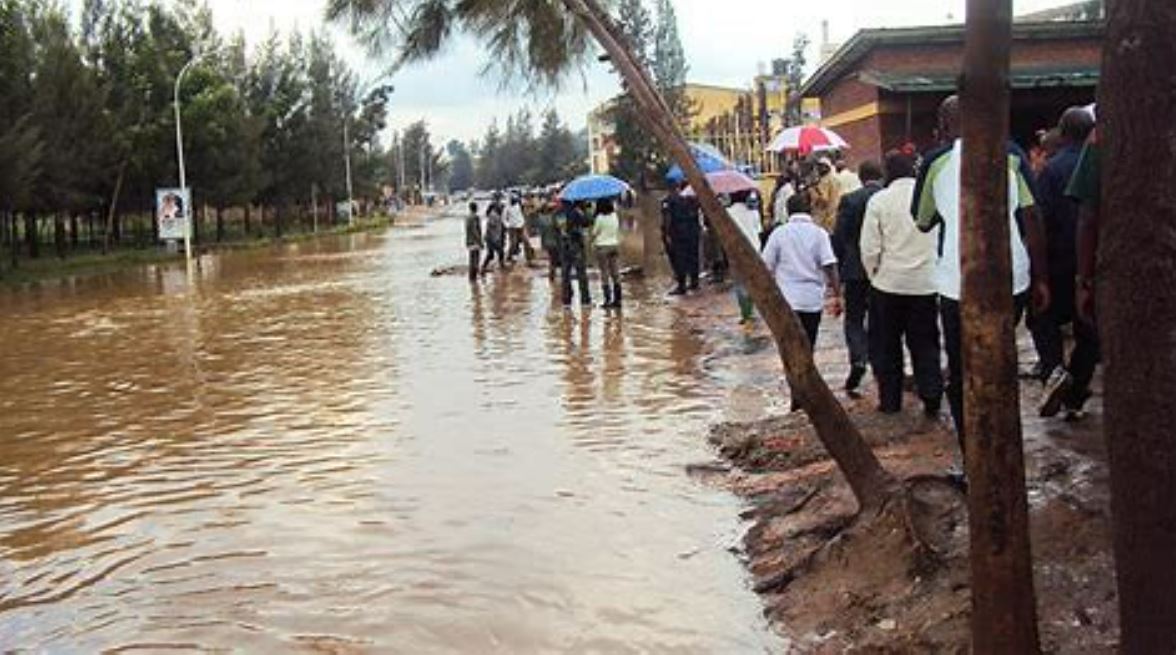
Highlighting the urgency of climate action, Germany’s Ambassador to Rwanda, Heike Dettmann, referenced the devastating floods, landslides, and other weather-related disasters that afflicted Rwanda in recent years.
While acknowledging Rwanda’s revised green growth strategy’s dedication to climate action, Ambassador Dettmann emphasized the imperative of innovative financing mechanisms to support implementation.
To address funding shortages, Rwanda and Germany launched Intego, Rwanda’s NDC Facility, in 2023 to provide financial assistance to public institutions. Through this initiative, public entities can submit proposals for climate action projects, aiming to bridge the funding gap and advance Rwanda’s climate goals.
theinspirerpublications@gmail.com



Leave a Reply