

Mosquito Nets Prove Vital in Protecting Boarding Students from Malaria
By Elias Hakizimana.
Malaria remains a significant public health challenge in many parts of the world, including Rwanda. However, in recent years, concerted efforts and innovative strategies have been implemented to combat this deadly disease.
One such strategy that has proven highly effective, particularly among vulnerable populations like boarding students, is the use of insecticide-treated mosquito nets.
The use of mosquito nets as a preventive measure against malaria has gained widespread recognition for its simplicity and efficacy. Boarding schools, where students often live in close quarters and may be more exposed to mosquito bites, have become key targets for interventions promoting mosquito net usage.
Marie Christèlle Komezusenge, a senior five student at G.S St. Joseph Kabgayi, recalls the impact of mosquito nets on their community.

“Before we had access to mosquito nets, malaria was a common affliction among students. Visits to the health facility for malaria treatment were frequent,” she says.
“However, with the distribution of free mosquito nets at school, coupled with education on their proper use, the incidence of malaria has significantly decreased.” She adds.
The testimonies of students like Marie Christèlle highlight the transformative power of simple interventions in public health. The provision of mosquito nets not only protects individuals from mosquito bites but also contributes to broader efforts to reduce the burden of malaria on healthcare systems.
Jean de Dieu Nsengimana, a senior four student at the same school, echoes these sentiments.
“Having mosquito nets available to us has made a remarkable difference. We are now more conscious about using them every night,” he notes. “This preventive measure has become a routine part of our daily lives, and the results speak for themselves.” Nsengimana adds.
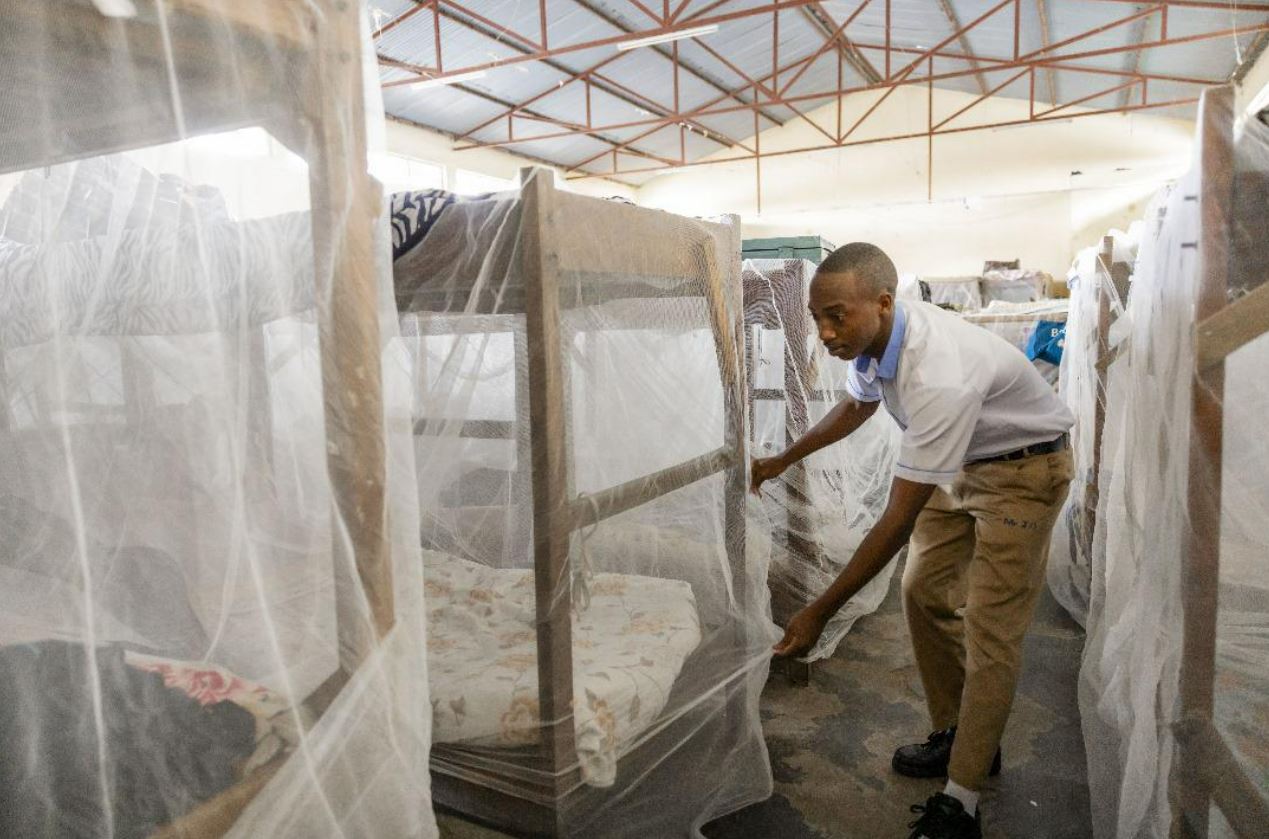
The success story at G.S St. Joseph Kabgayi is not an isolated one. Across Rwanda, similar initiatives are underway to ensure that vulnerable populations, including boarding students, have access to mosquito nets and are educated about their importance in malaria prevention.
Umulisa Karasira Anathalie, who oversees female students at G.S St. Joseph Kabgayi, plays a crucial role in reinforcing the use of mosquito nets among students.
“Ensuring that every student hangs their mosquito net before bedtime has become a priority,” she explains.
“Regular checks in the dormitories have become a norm, and students understand the significance of this preventive measure.” Umulisa explains.
The commitment of school administrators and healthcare providers is instrumental in sustaining these efforts.
Innocent Akimana, the Headteacher of G.S St. Joseph Kabgayi, emphasizes the school’s proactive approach to malaria prevention.

“We have integrated the use of mosquito nets into our school’s health protocols,” this approach has significantly reduced malaria cases among our students.” Akimana elaborates.
While progress has been made in malaria prevention, challenges persist. Rwanda, like many countries, continues to grapple with malaria-related deaths and infections.
Epaphrodite Habanabakize, Malaria Prevention Senior Officer at Rwanda Biomedical Center, acknowledges the ongoing battle against malaria.
“We have made strides in reducing malaria cases and deaths, but there is still work to be done,” she says. “Collaborative efforts involving communities, schools, healthcare providers, and government agencies are essential to achieve our goal of eradicating malaria.” Says Habanabakize.
In addition to mosquito nets, other preventive measures such as environmental sanitation, mosquito breeding site elimination, and awareness campaigns play crucial roles in malaria control.
“As Rwanda and other countries navigate the complexities of malaria control, the role of simple yet effective interventions like mosquito nets cannot be overstated. By prioritizing prevention and community engagement, we can work towards a future where malaria is no longer a threat to public health, and it is possible to end malaria by 2030.” Habanabakize says.
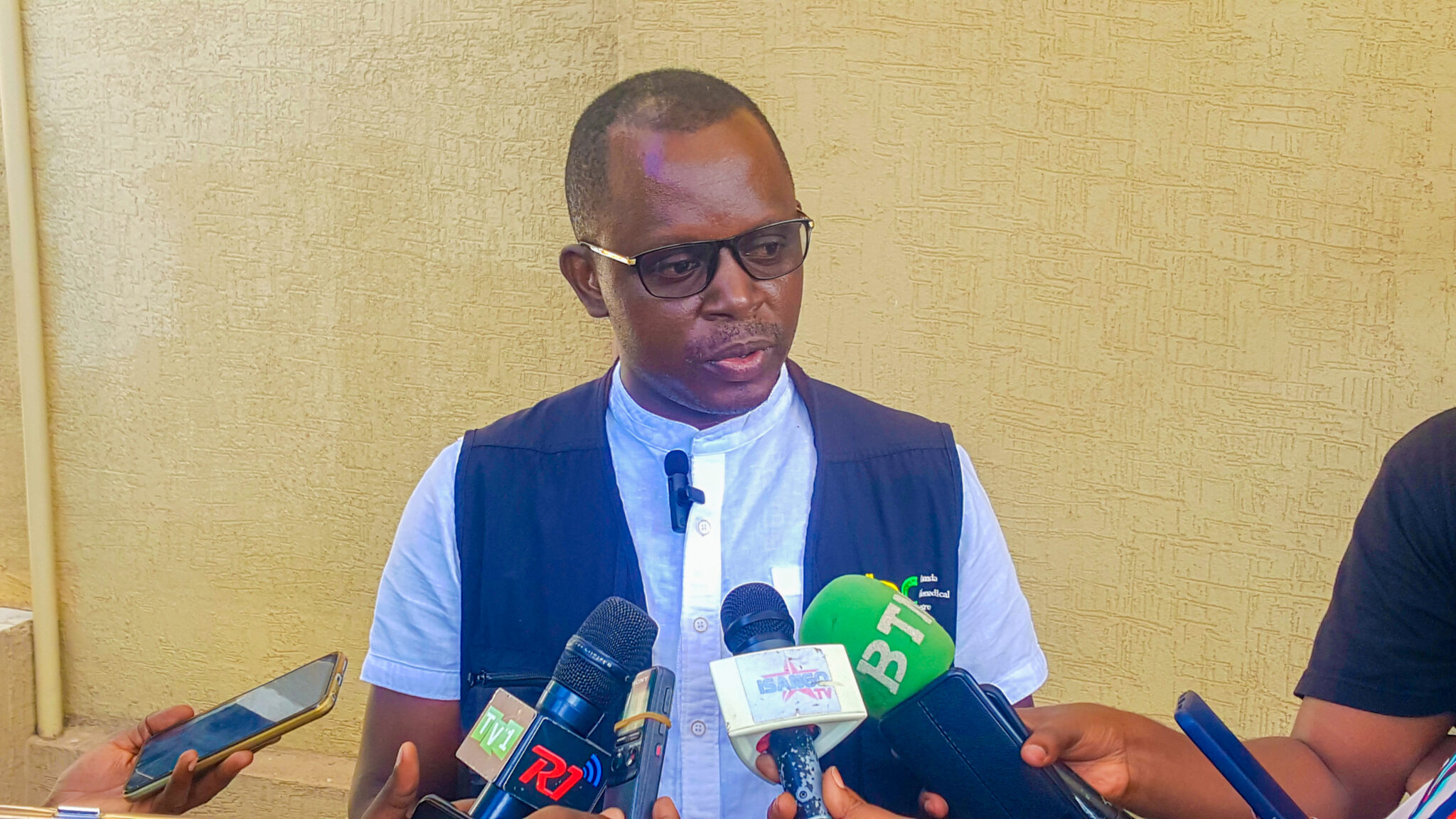
Statistics from the Rwanda Biomedical Center highlight the progress made in malaria control efforts. Between 2018 and 2023, Rwandans who suffered from Malaria decreased from 4.8 million to 630,000 patients.
The National Malaria Incidence Indicators show a significant reduction in the disease prevalence, with malaria deaths decreasing from 300 in 2018 to 51 in 2023. Severe Malaria Cases also decreased from 7,054 to 1,316 within this period.
RBC encourages the general population to continue curbing the trends of malaria prevalence by sleeping in mosquito nets, cutting bushes, and removing stagnant water that hide mosquitoes. Other measures such as indoor residual spraying complement these efforts.
Rwanda Biomedical Center, in partnership with Rwanda NGOs Forum on AIDS and Health Promotion, has distributed 236,522 Long Lasting Insecticidal Nets (LLINs) in 480 boarding schools countrywide. Only in Muhanga district, 31 boarding schools benefited from this initiative with 15,300 LLINs. G.S St. Joseph Kabgayi itself got 900 LLINs.
theinspirerpublications@gmail.com




Leave a Reply