
Parents, Teachers and Guardians urged to protect children against digital abuse
By Elias Hakizimana.
Parents, teachers and guardians are advised to protect children against any form of digital abuse when they use digital gadgets such as smartphones.
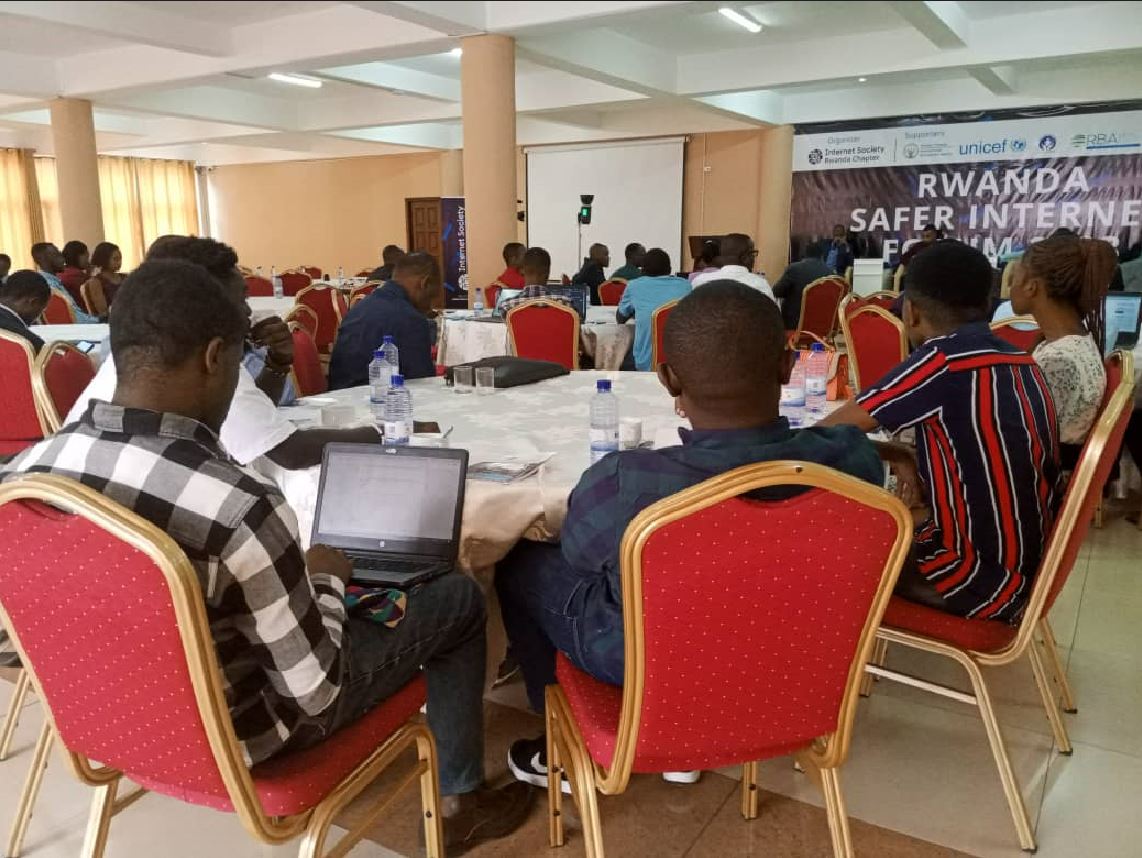
The message was delivered by different officials in Kigali on Friday, June 30, 2023, as Internet Society Rwanda Chapter (ISOC-Rwanda) holds the Rwanda Safer Internet Forum (RWSIF-2023) under the theme “Children Privacy in the Age of Social Media”.
Rwanda Safer Internet Forum is a key multi-stakeholder annual conference where all actors come together to discuss the latest trends, opportunities, risks and solutions related to child online safety and what can be done by the broader community to ensure a secure and trustworthy Internet for everyone.
This year, the forum brought together policy makers, researchers, law enforcement bodies, youth, parents, teachers, civil society, tech community representatives, experts and other relevant actors.

The overall objective of the forum is to engage the Rwandan community in the discussions related to child online safety to raise awareness on the importance of both a safer and better Internet for children and the youth.
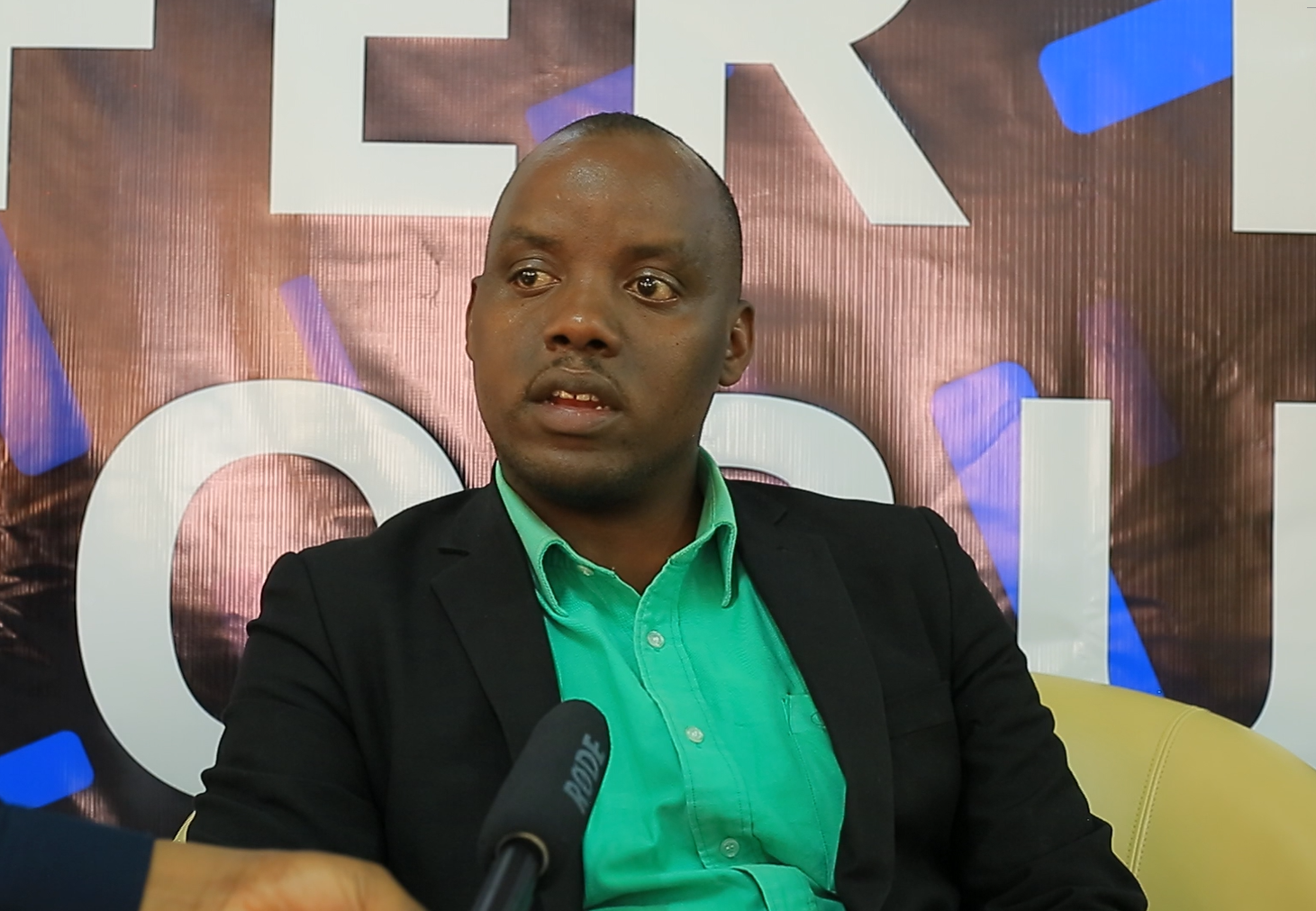
Emmanuel Mfitumukiza, ISOC-Rwanda Chapter Chairperson said that this forum is a good time to remind parents, teachers and guardians about their responsibilities of child protection, whereby they are advised to let children enjoy their digital rights protected from abusive contents.
“Rwanda is among the countries using information communication and technology (ICT) and children are part of the internet user community, parents, teachers and guardians share diverse information on social media, through this forum we need to tell parents to embark on children safety online, we need to emphasize on how a child can use internet in a safe manner,” Mfitumukiza said.
The role of media
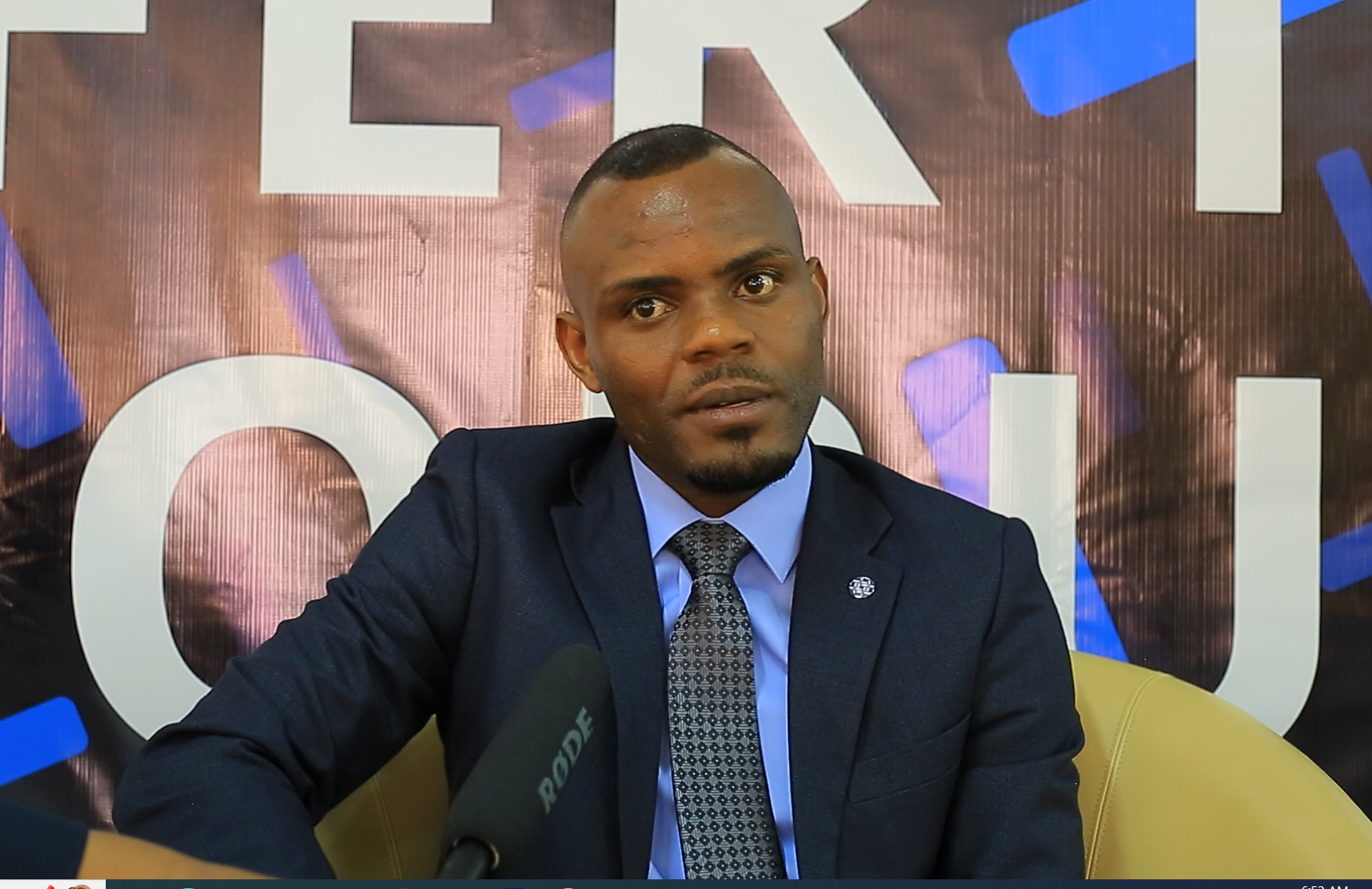
Mfitumukiza also requested the media to continue creating and disseminating the content that educate the community on children digital safety.
“The role of everyone is needed, media inclusive. We all need to communicate content that is not undermining or abusing children,” Mfitumukiza said.
Government’s intervention
“We request key government institutions to avail a space for education and to ensure that people have adequate information about internet, the government needs to establish laws and to set the way forward of how such laws should be abided with,” Mfitumukiza added.
Maxmilien Ruzigana, Executive Secretary of Coalition Umwana ku Isonga (CUI) says that parents and guardians who have main responsibilities to protect a child against violence still lack enough capacity to use internet, which is a major problem.
“There is a need for immediate and strong education campaign, Rwandans are lucky as the nation has developed quick and accessible internet as infrastructure, children navigate through many digital contents, and among them some undermine the culture, making the gap in education and parental values between the past and today’s generation. Parents, teachers and guardians should take the lead in advising and supervising children how to behave online.” Ruzigana said.
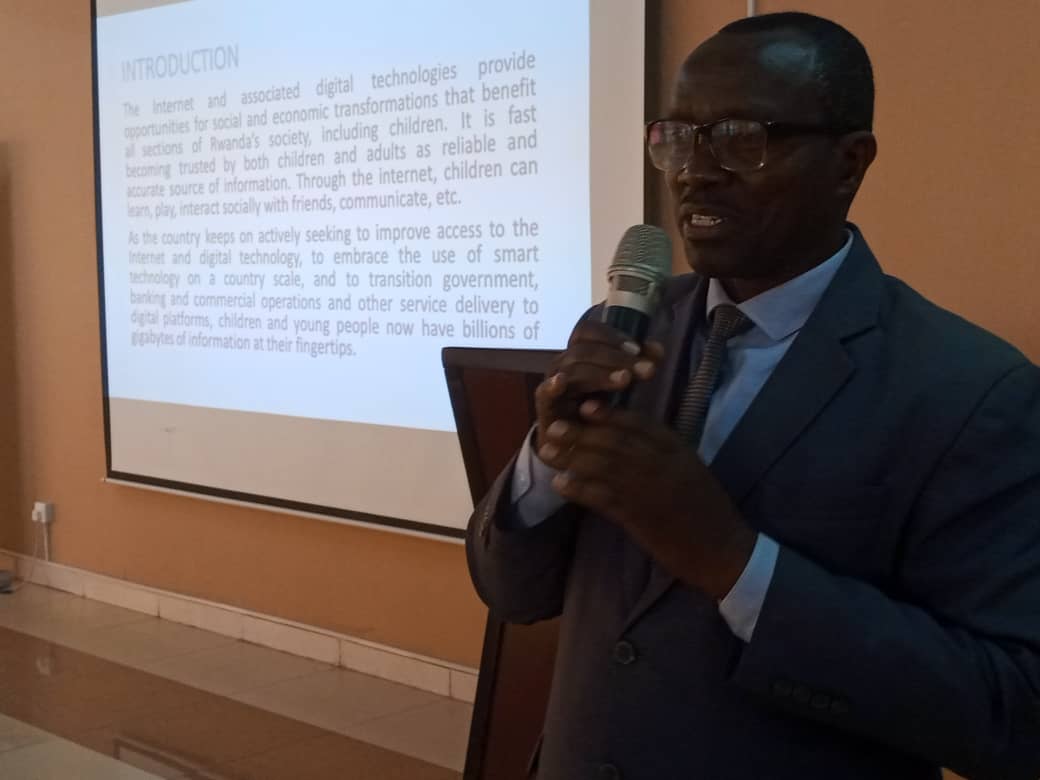
Ruzigana recommended for deep research to expose an evidence-based issue, which can be conducted by the private sector, civil society and the government to highlight the status of the burden before making informed decisions.
“The government with different stakeholders including internet providers also need to have common guidelines on how digital content can be delivered (images and other social media content) in a way that deprives access for children before their maturity age to decide and to choose,” he added.
Robert Nkusi Ford, Regional Technological Consultant said that there are different known types of harms that happen to the children, originating from children’s presence online, and the major known threats include texting, radicalization, where children are trained at very early age to get involved in actions that are harmful to them such as suicide, child online boring, and child online reputation among others.
“It is important that children use internet for their own betterment to learn, to play, to innovate, involve, to indulge and to be community players, they need internet as a tool for today and for the future, it is important that children develop their own online presence, but it is also the responsibilities of all of us to ensure that the environment is safe enough for the children to navigate through digital content,” Nkusi noted.
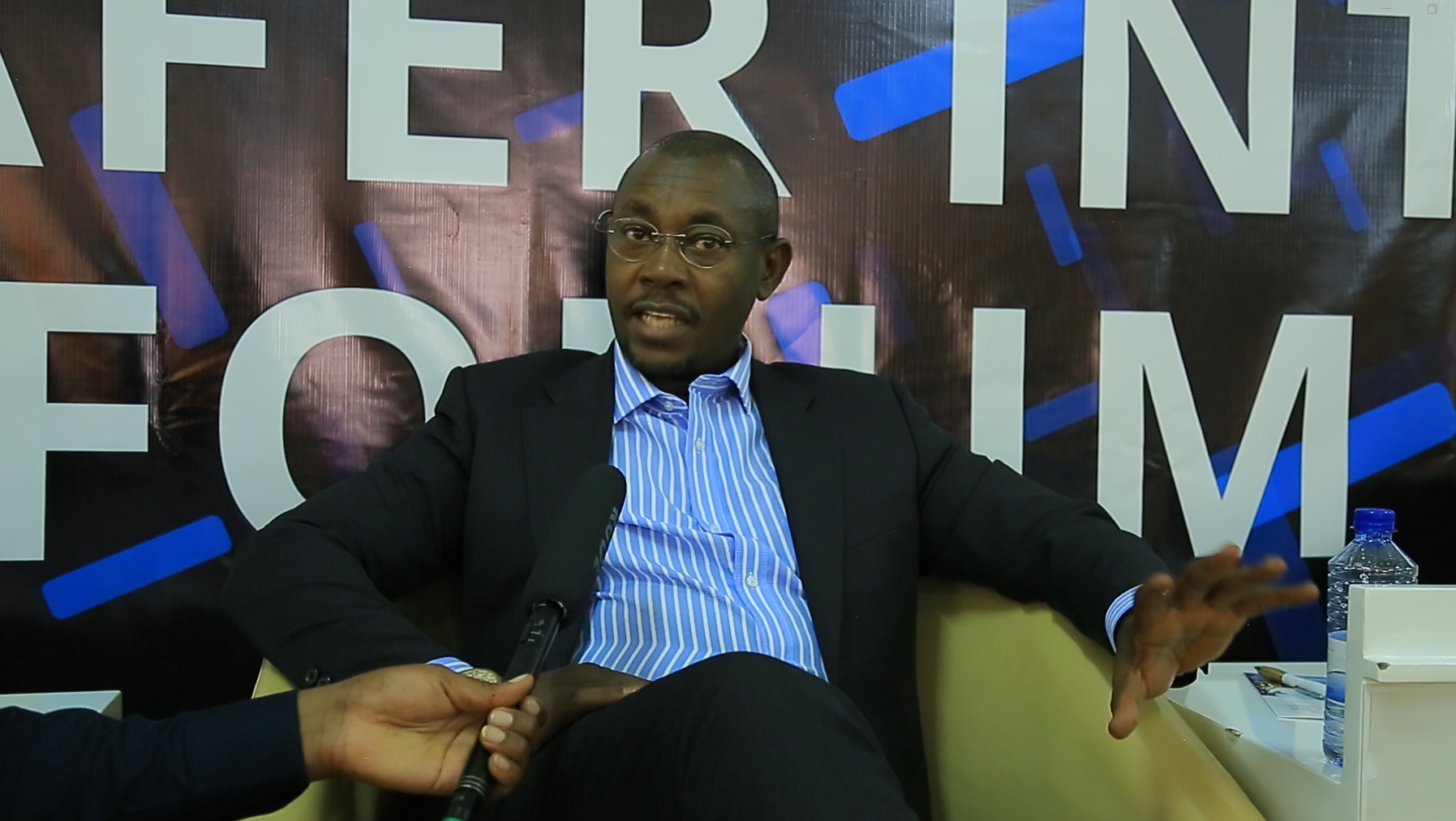
According to Flodouard Tuyishimire, Adolescent Development Specialist and the in-charge of online child protection policy at the National Children Development Agency (NCDA), Safer Internet Forum means a lot for Rwanda as a big number of internet users include children.
“As NCDA, we establish an information delivering and mobilization strategy about child online safety, some children are exposed to digital abuse and false information (lies) leading to violence, we try to solve such issues when they happen, but we are emphasizing on prevention, we need to communicate people about the laws in place, where to report cases and where to seek help from,” he said.
Children Online Research and Evidence (CORE) classifies risks and harms in 4 categories ranging from content, contact, conduct and contract. Based on these categories, many countries across the globe designed Child Online Protection (COP) policies to mitigate against those risks and harms, and to deliver a framework that meets children’s needs and fulfills their rights, while enabling them to safely and confidently navigate the digital environment.
theinspirerpublications@gmail.com
Follow us @theinspirerpubl




Leave a Reply