
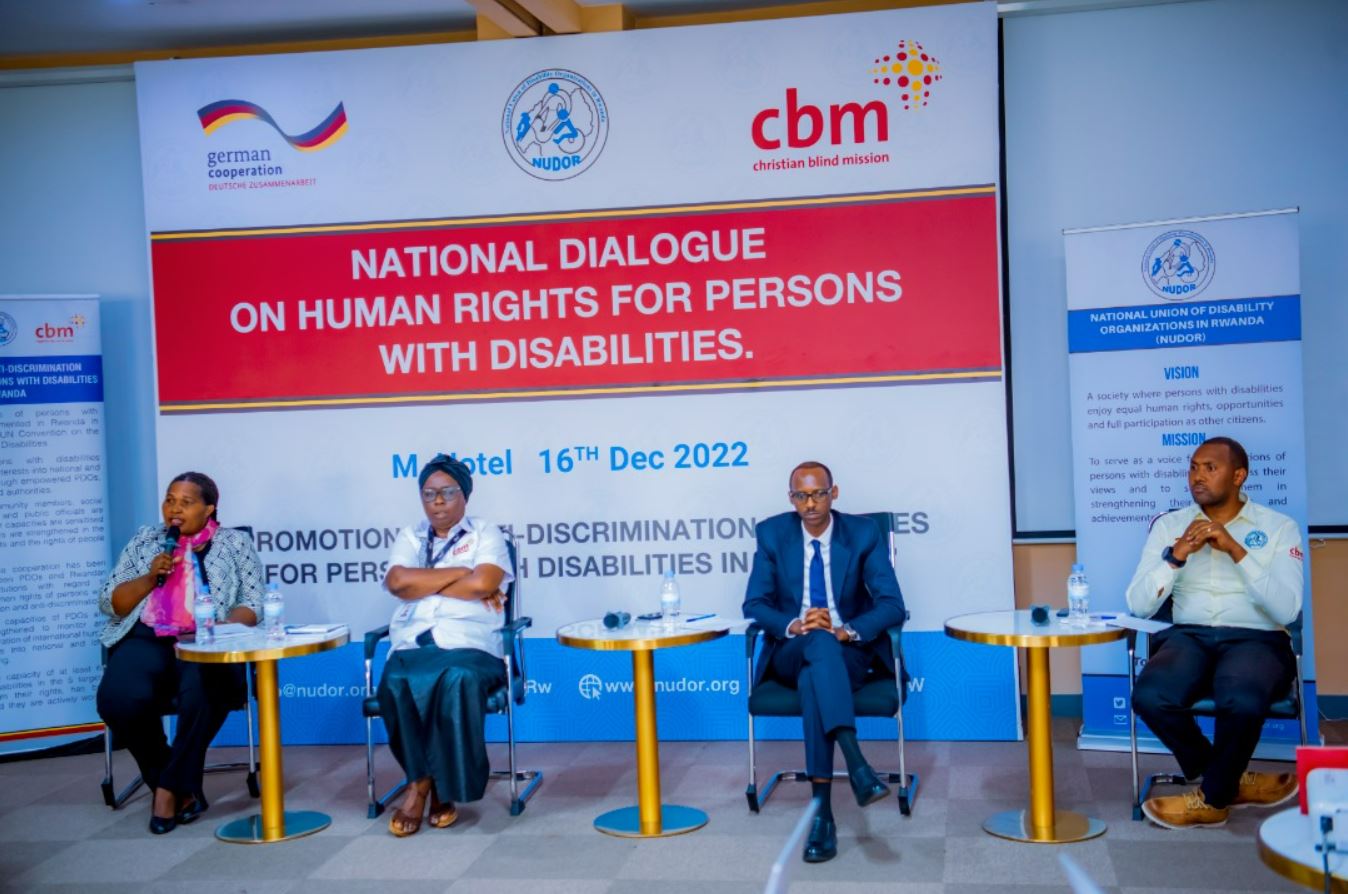
Lack of sign language and infrastructure hampers inclusive justice
By Elias Hakizimana.
Despites some achievements in realizing the rights of Persons with Disabilities (PWDs) in Rwanda, they still encounter critical challenges in regard to access to justice as the sector lacks knowledge and infrastructure on sign language.
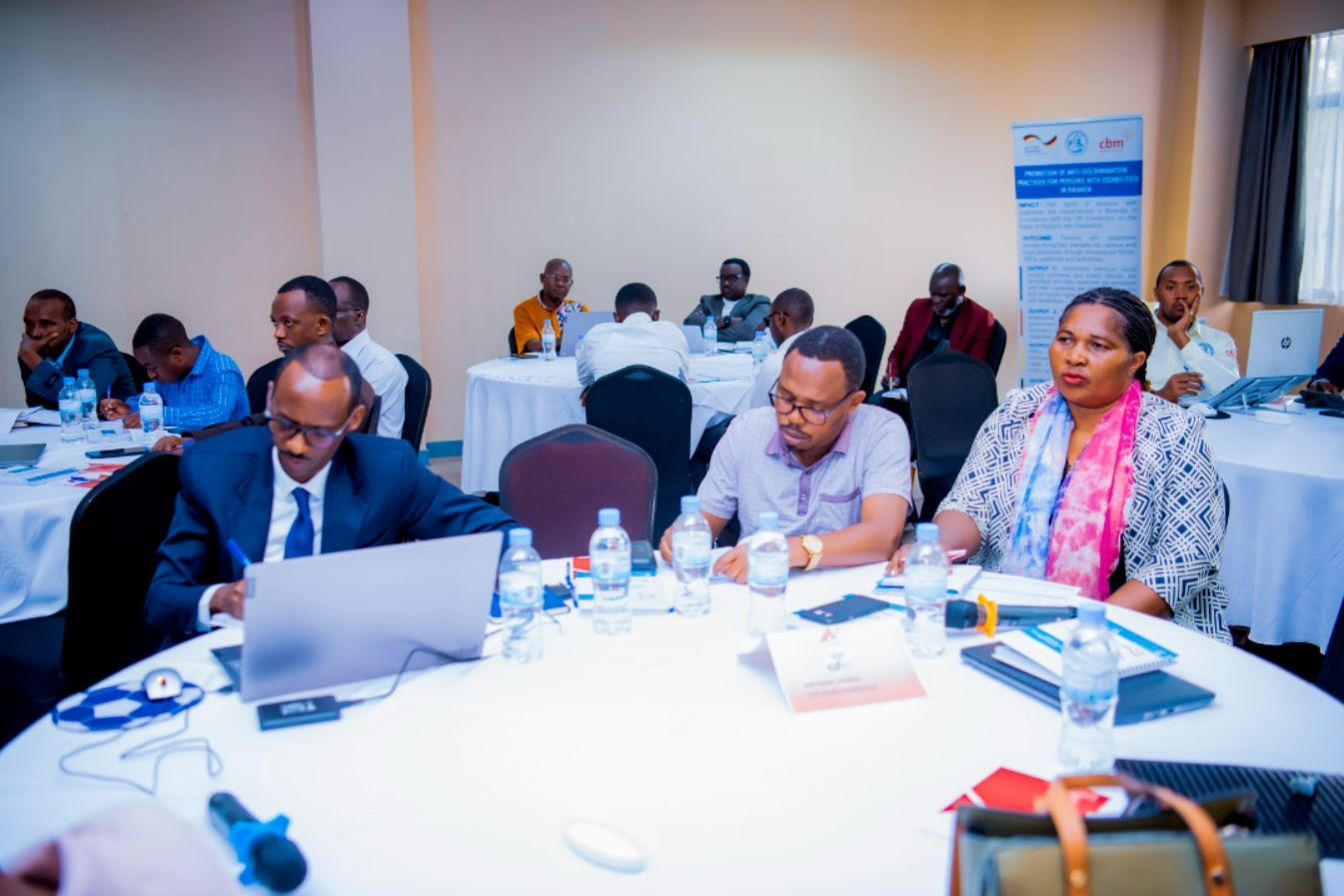
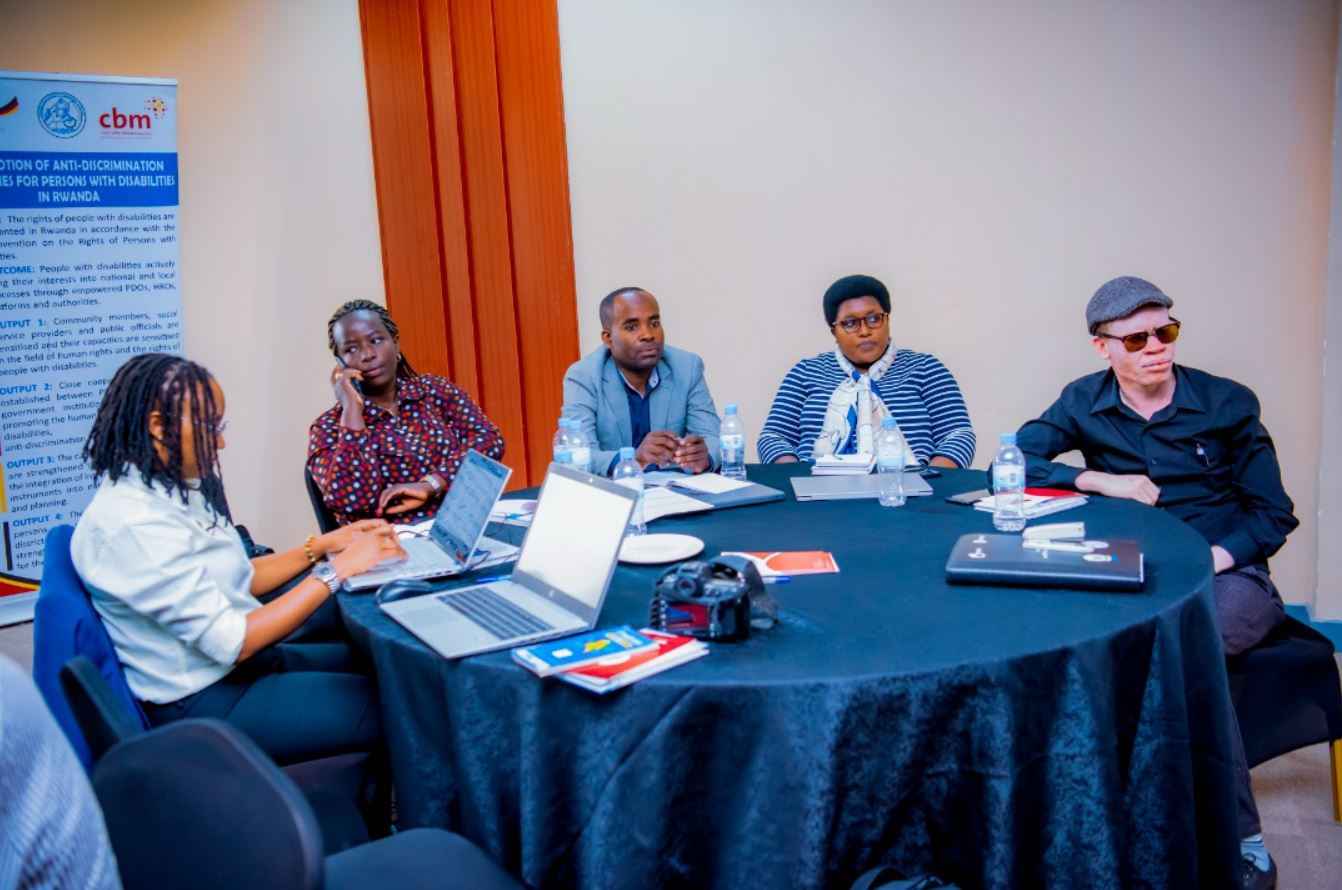
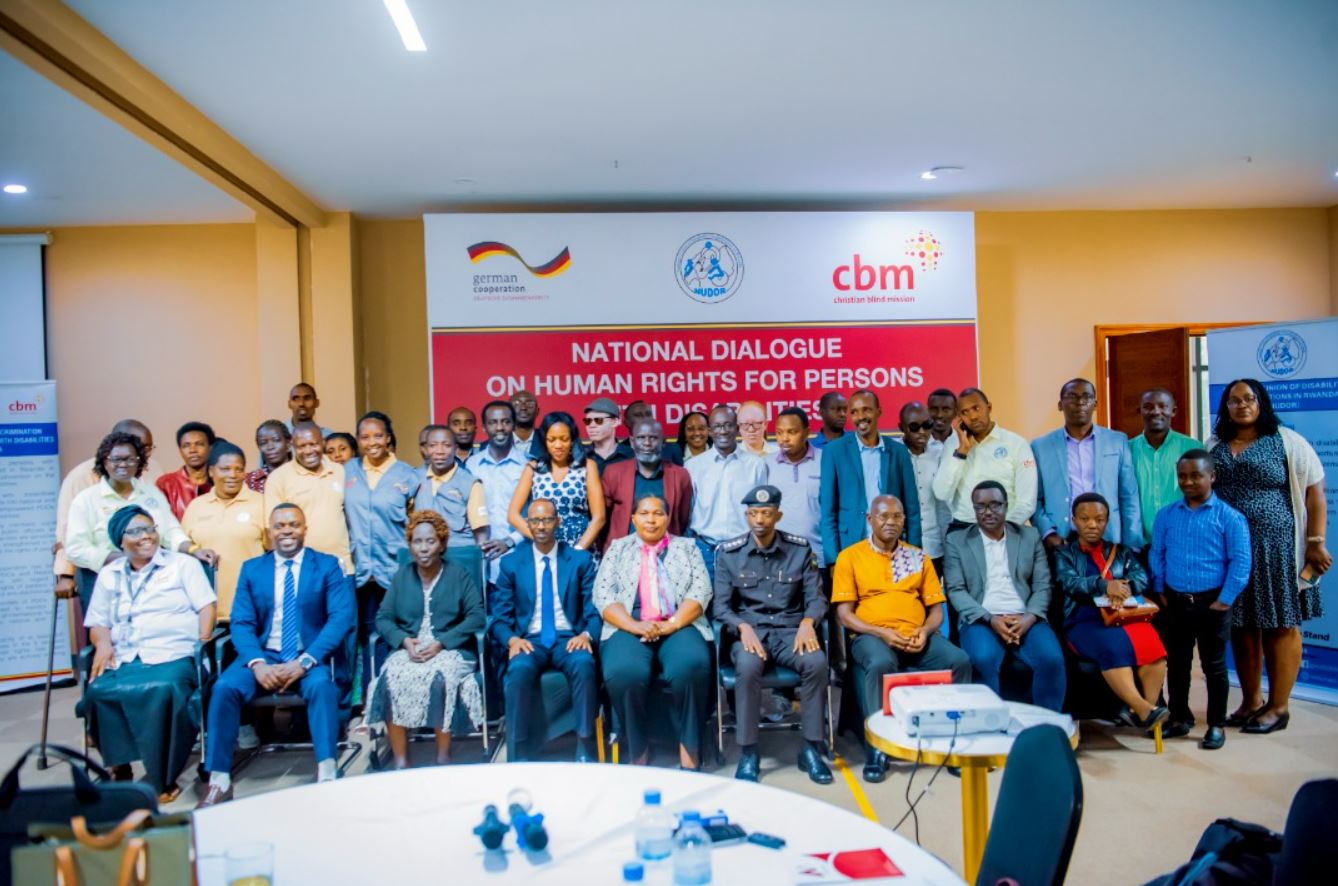
The issue has been among the subjects of discussions held in Kigali by different actors during the National Dialogue on Human Rights for Persons with Disabilities on Friday, December 16, 2022, the initiative that was supported by Christian Blind Mission (CBM) in partnership with the National Union of Disability Organizations in Rwanda (NUDOR).
It was assessed that persons with disabilities do not fully enjoy their rights to justice, from the building environment that are not conducive to their movement to the court procedures, where they need an interpreter because lawyers and prosecutors do not have knowledge on sign language.
However, there are advocacy initiatives being done by CBM to ensure that PWDs access justice without any barrier.
Odette Nyiransabimana, CBM project officer said that they work with different partners to ensure human rights for persons with disabilities, including the right to justice are realized.
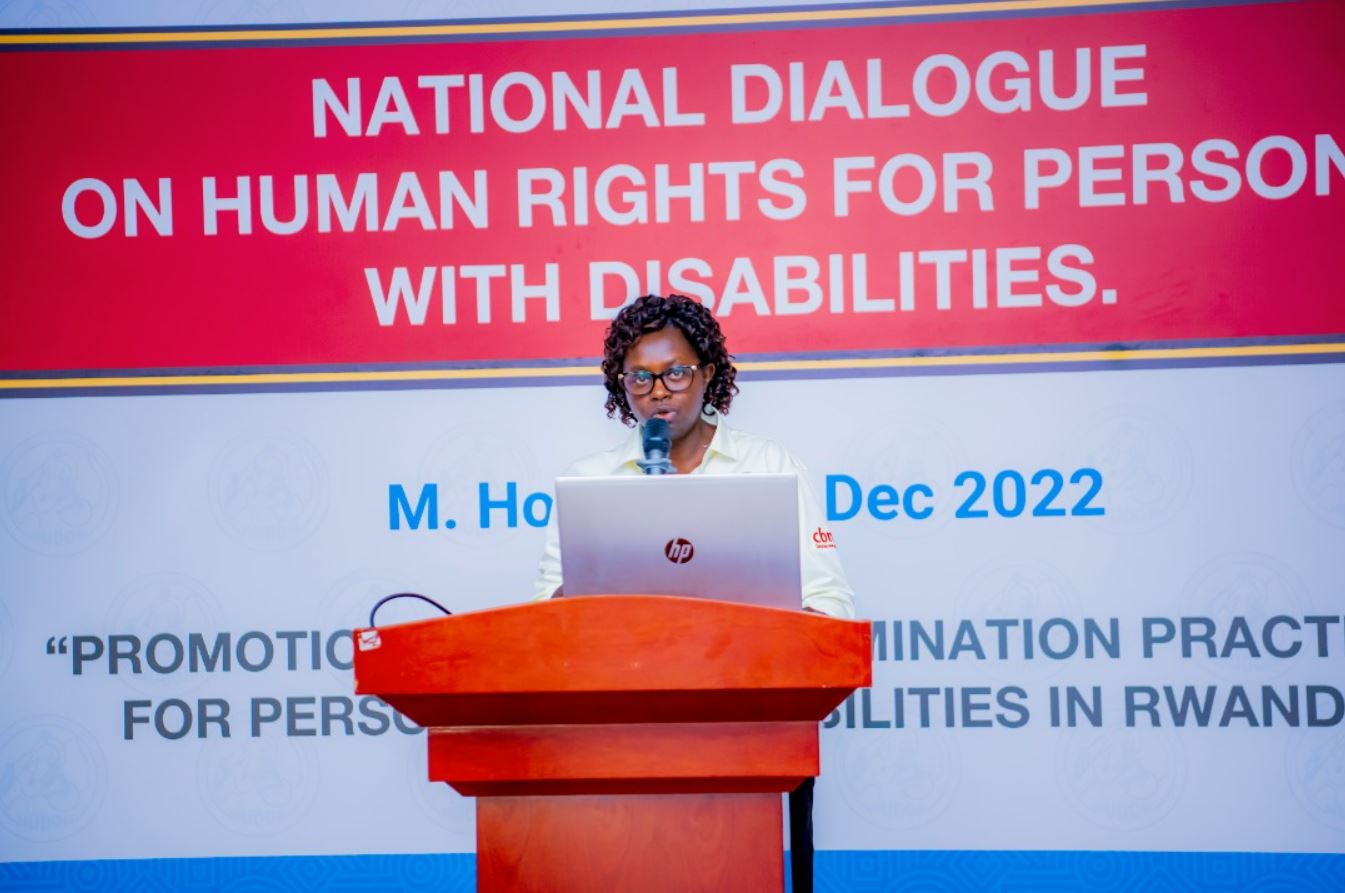
“We do this through various signed Memorandum of Understanding (MoUs), the first stakeholder is the Government of Rwanda plus key ministries, the second partners are disability organizations, NUDOR and affiliated Non-Governmental Organizations as well as the beneficiaries (PWDs). We advocate for inclusive policies and strategies from central to the local level, we give technical support, and we established inclusive disability policy to find solutions to available problems,” Nyiransabimana said.
Jean Baptiste Murema, the legal advisor in NUDOR said that among the achievements towards realizing the rights of Persons with disabilities include good policies, laws and strategies. Therefore, he cited some big gaps that are still existing.
“We see some significant achievements, policies, laws and strategies specific on disability, but there are also challenges including inaccessibility of the environment (buildings that are not inclusive). We cannot say that there is inclusive justice when only a few number/no numbers of people know sign language,” Murema said.
The issue is reiterated by William Ndengeyingoma, an official from the Ministry of Justice. He said that the justice sector prefers to release someone with hearing impairment (deaf) instead of putting him/her in jail as this person cannot speak to defend him/herself.
On another side, Aurélie Gahongayire, Commissioner at National Commission of Human Rights (NCHR) says that an improvement in respecting the rights of PWDs has been made, and it is measured through various national development initiatives, the political will and the ratification of various UN conventions on the promotion of Human Rights, specifically PWDs.
theinspirerpublications@gmail.com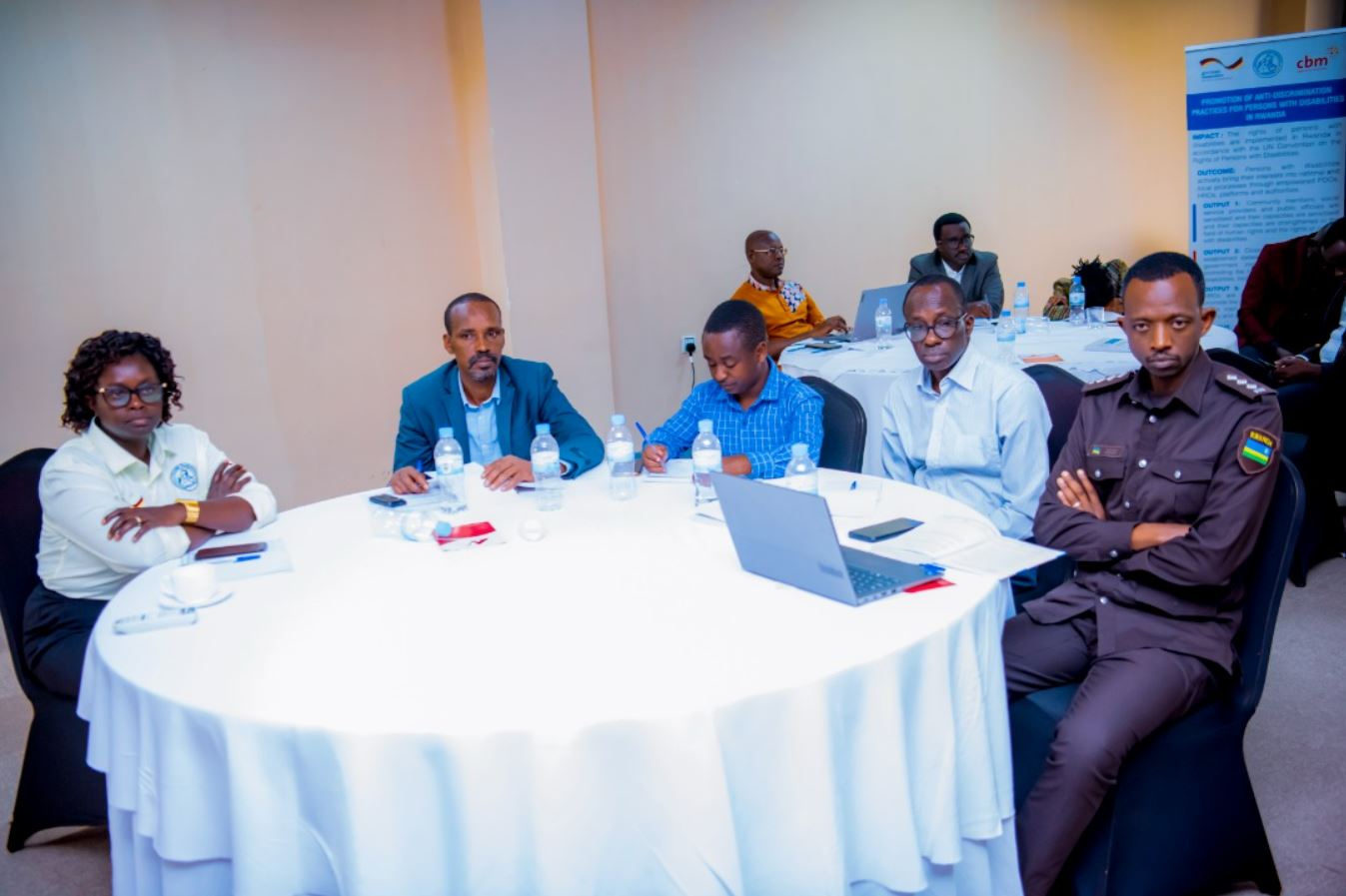
theinspirerpublications@gmail.com




Leave a Reply