

New Project ‘Ongera Amata’ to boost dairy production in Eastern Rwanda
By Elias Hakizimana.
In a bid to revolutionize the dairy industry in Rwanda’s Eastern Province, the Ongera Amata project was launched by Ripple Effect Rwanda on March 22, 2024.
This ambitious initiative targets enhancing both quality and quantity in dairy production, focusing on collaborating with over 4,800 farmers across the Gatsibo and Nyagatare districts.
The project is designed to tackle various challenges dairy farmers face, including limited knowledge of modern farming practices, unproductive cow genetics, climate change (to be addressed by agroforestry practices including fodder production), and inadequate milk hygiene and quality.
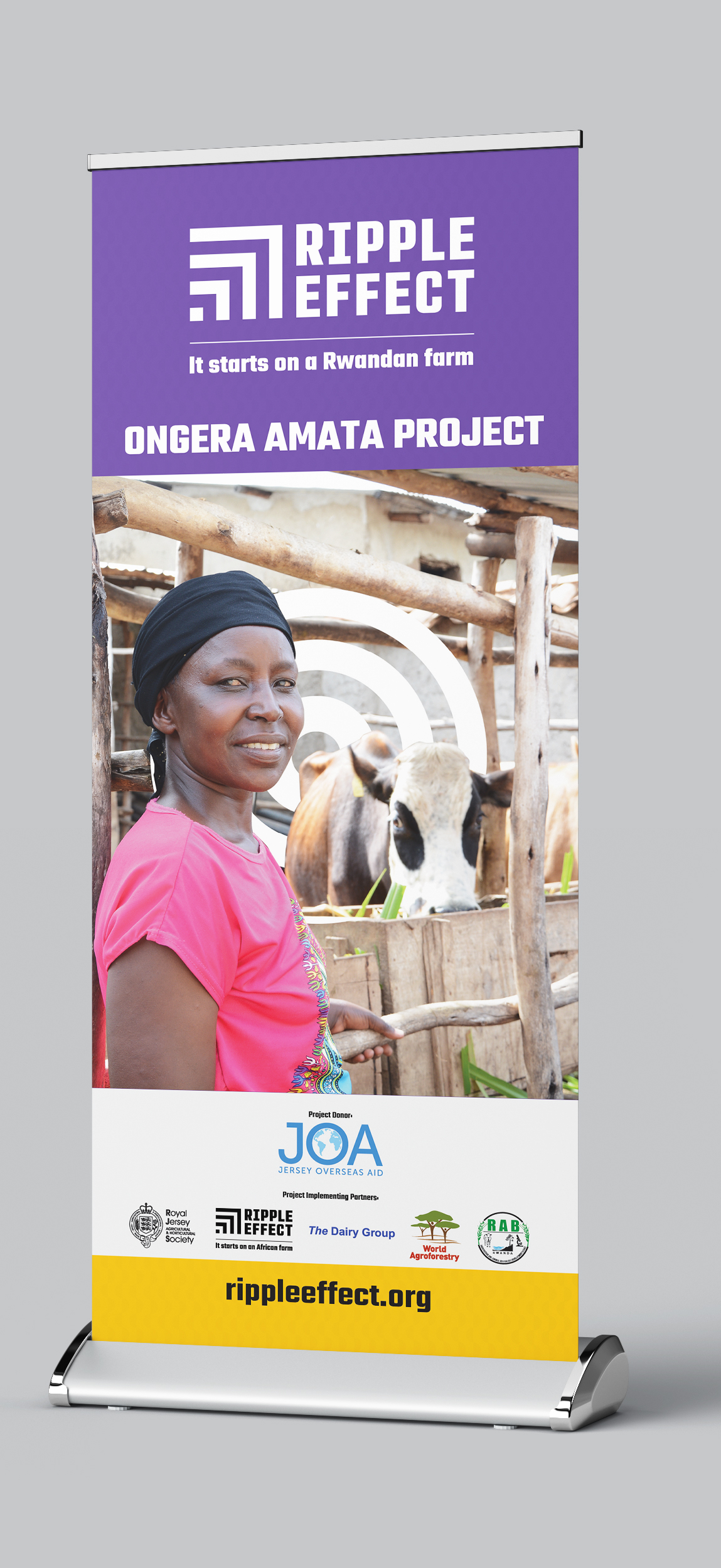
By engaging pastoral ‘SME’ dairy farmers and smallholders, the project aims to amplify production, improve performance, and promote sustainable agricultural practices such as climate-smart techniques, agroforestry, and soil quality enhancement.
According to Jean D’Amour INGABIRE, Ripple Effect Rwanda Project Manager overseeing Ongera Amata, the project’s vision aligns with a holistic approach that integrates sustainable agriculture, livestock development, gender equality and social inclusion (GESI), and enterprise development.
Notably, research indicates a significant upliftment in smallholder farmers’ livelihoods, with an impressive shift from earning $1.39 to $2.40 per day since their involvement with similar projects.
This substantial progress underscores the project’s potential to uplift communities from poverty while fostering agricultural development.
Collaborative Efforts and Strategic Interventions
The Ripple Effect Rwanda team has already undertaken similar activities in other districts of the Eastern Province, such as training veterinary technicians on artificial insemination and optimizing forage management practices. Through collaborations with Milk Collection Centers (MCCs), the project aims to minimize dairy quantity losses and ensure milk quality from farm to factory.
“Ripple Effect Rwanda also supported over 3,000 direct farmer volunteers, equipping them with the necessary knowledge to train their colleagues. This program had an indirect impact that reached nearly triple the population through its innovative knowledge transfer initiative.” INGABIRE said.

Local Perspectives and Farmer Expectations
Local farmers in Gatsibo and Nyagatare districts express optimism and high expectations for the Ongera Amata Project. They highlight challenges such as breeding improvement, forage scarcity, and hygiene knowledge gaps, underscoring the need for expert guidance and support.
Emmanuel Munyabaranga, a farmer from the Rwimbogo sector in Gatsibo district, expresses high expectations for increased dairy production due to the interventions of the Ongera Amata Project.
He mentioned that Ripple Effect Rwanda’s team approached them, and together, they discussed the existing challenges hindering dairy production advancement in the area.
“We collaborated with Ripple Effect Rwanda to identify key challenges in dairy production. Improving breeding, forage scarcity, and hygiene knowledge are crucial. We appreciate expert support and look forward to working with private veterinarians alongside public ones to enhance cow health.” Munyabaranga said.
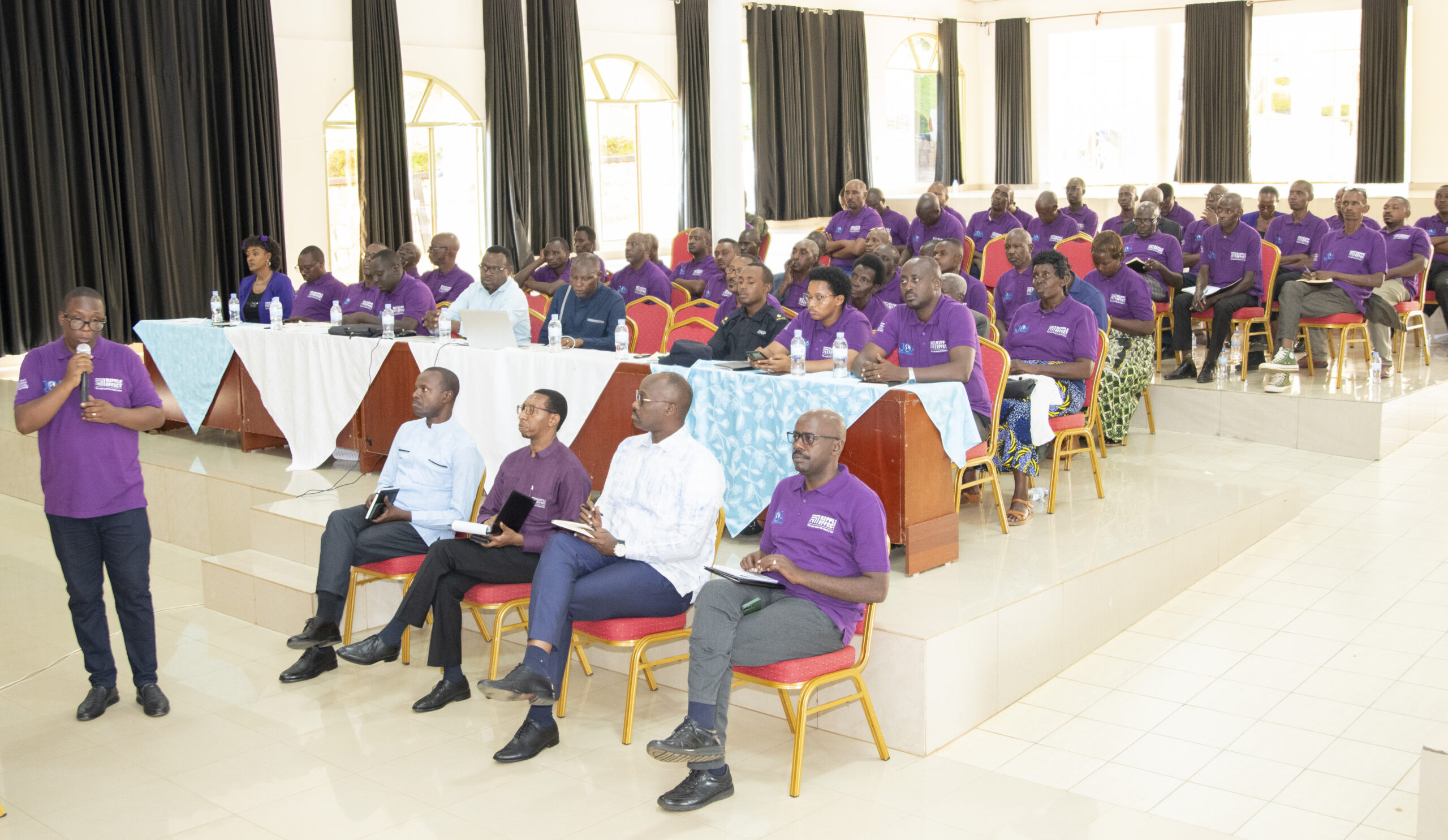
Habibu Ntigurirwa, a farmer and manager of Kiramuruzi Milk Collection Center (MUDAKOS), reiterated challenges faced in dairy production, such as forage scarcity. He praised the project’s efforts in addressing these challenges and providing sufficient forage for cows.
“A cow that feeds on a variety of forage produces enough milk. We have had challenges including a lack of enough veterinarians, and our cows were not productive enough. Additionally, we lacked equipment at our MCC, but the new project will provide us with new coolers to reduce post-harvest losses. Some milk used to be wasted, but we expect to increase dairy production from 2 liters to 5 to 10 liters and above,” Ntigurirwa said.
The project’s interventions, including access to private veterinarians and improved infrastructure at Milk Collection Centers, are poised to drive significant improvements in dairy productivity and sustainability.
Jean Claude Ndorimana, Director General in charge of Animal Resources Development in the Ministry of Agriculture and Animal Resources (MINAGRI), emphasized the importance of maintaining semen quality and highlighted ongoing efforts in artificial insemination as part of the Rwanda Dairy Development Project 2 (RDDP II) starting in July 2024.
Ndorimana mentioned that the Minister of Agriculture and Animal Resources will soon issue a ministerial order to encourage cooperation between private and public veterinarians, ensuring farmers receive timely support.
He also addressed the issue of ticks affecting dairy production, noting efforts to find effective pesticides to mitigate this challenge.
“MINAGRI partners with Ripple Effect Rwanda to implement the ‘Ongera Amata Project’ under the financial support of Jersey Overseas Aid, aiming to grow cattle in cowsheds, particularly in the Eastern Province’s Gatsibo and Nyagatare districts,” Ndorimana said.

Ndorimana advises farmers to rely on professional veterinary care and emphasizes the significance of rainwater harvesting for cows’ water supply, stressing the need for farmers to stay close to their cattle and involve veterinarians promptly when needed.
Strategic Implementation and Future Outlook
With a strategic focus on enhancing cattle breeding, improving feeding practices, and ensuring proper healthcare, the project aims to elevate dairy production standards in the Eastern Province.
Pudence Rubingisa, Governor of the Eastern Province, emphasizes the urgency of boosting dairy production in the region.
“In our province, we should not go a week without discussing dairy production together. It’s crucial for our home consumption, market supply, and dairy processing factories’ needs,” Rubingisa stated.
He further elaborated on the potential impact, saying, “In Nyagatare alone, optimizing cow populations can yield up to 600,000 liters of milk per day, highlighting the importance of strategic planning for sustainable dairy production.”
Laurent Munyankusi, Country Director of Ripple Effect Rwanda, elaborated on the project’s genesis in late 2022, a collaborative effort involving stakeholders from various sectors.
“We identified severe issues in Nyagatare and Gatsibo districts and across the Eastern Province. Despite farmers having cows and farms, dairy production remained below expectations,” Munyankusi explained, emphasizing the need to address knowledge gaps and provide essential services to improve cattle breeds.
He highlighted the project’s objective, stating, “We aim to help the new dairy factory in the Eastern province meet its daily milk demand of 650,000 liters.”
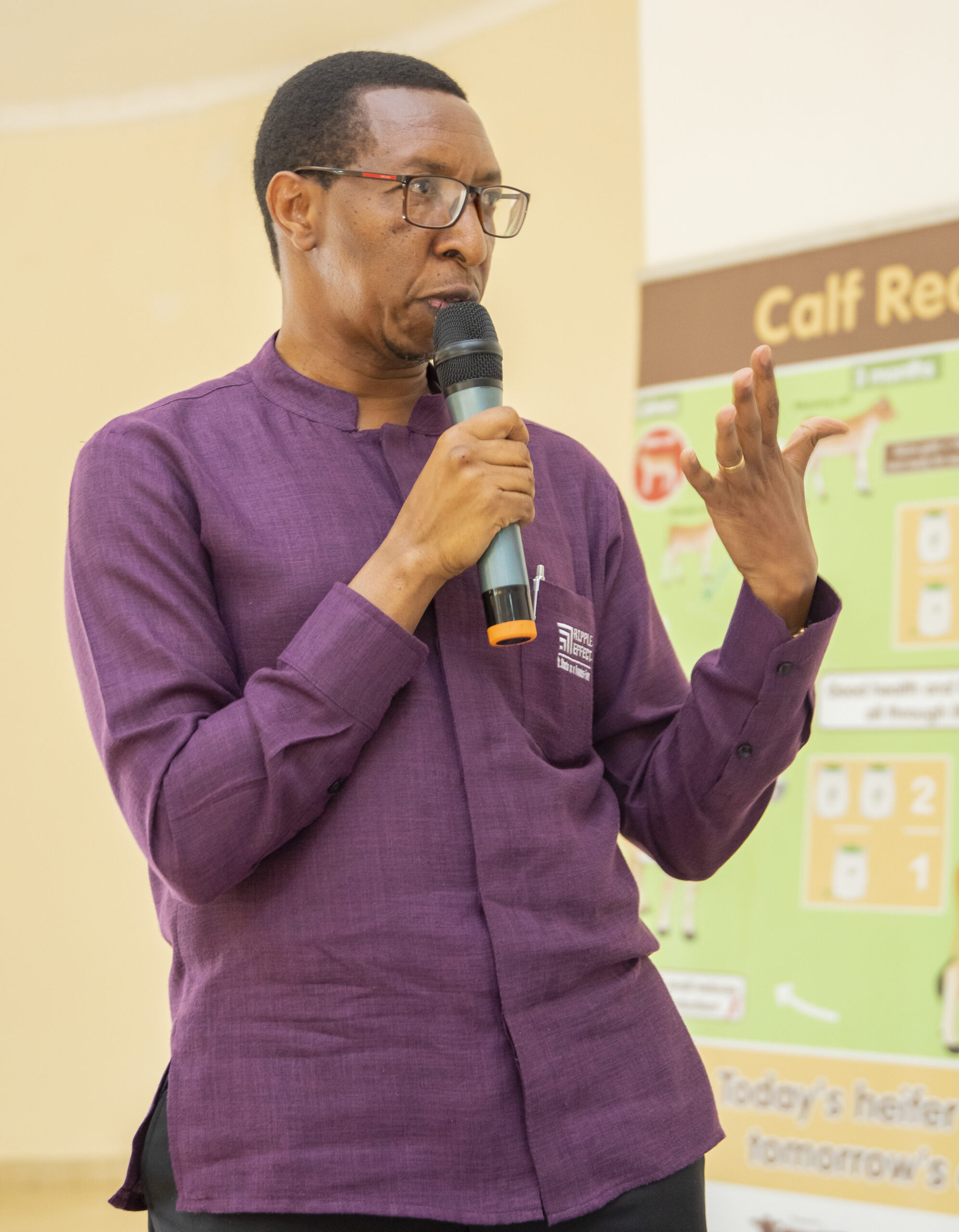
Munyankusi noted that the current dairy production in the area falls short of the factory’s phase-one capacity.
The project will encompass six sectors in the Gatsibo district, including Kiramuruzi, Kiziguro, Kabarore, Rugarama, Rwimbogo, and Ngarama, along with the Karangazi sector in Nyagatare district, running from December 2023 to November 2026 with a substantial budget infusion of Rwf1.3 billion from Ripple Effect Rwanda.
By leveraging expertise, strategic partnerships, and innovative practices, the project is poised to empower farmers, improve livelihoods, and contribute significantly to Rwanda’s agricultural growth trajectory.
theinspirerpublications@gmail.com





Leave a Reply