

Stakeholders convene in Rubavu to strengthen abortion and post-abortion care advocacy in Rwanda
By Elias HAKIZIMANA.
Stakeholders in Rwanda’s Sexual and Reproductive Health and Rights (SRHR) sector have called for stronger coordination, partnerships, and rights-based advocacy to improve access to abortion and post-abortion care services, particularly for women and girls in underserved communities.
The call was made during a two-day National Convening on Sexual and Reproductive Health and Rights organized by the Great Lakes Institute for Research and Development (THE INSTITUTE) in Rubavu District on May 28-29, 2026.
The gathering brought together civil society organizations, healthcare providers, legal practitioners, youth-led groups, researchers, and SRHR advocates to discuss challenges affecting access to abortion and post-abortion care services in Rwanda and explore collective solutions.
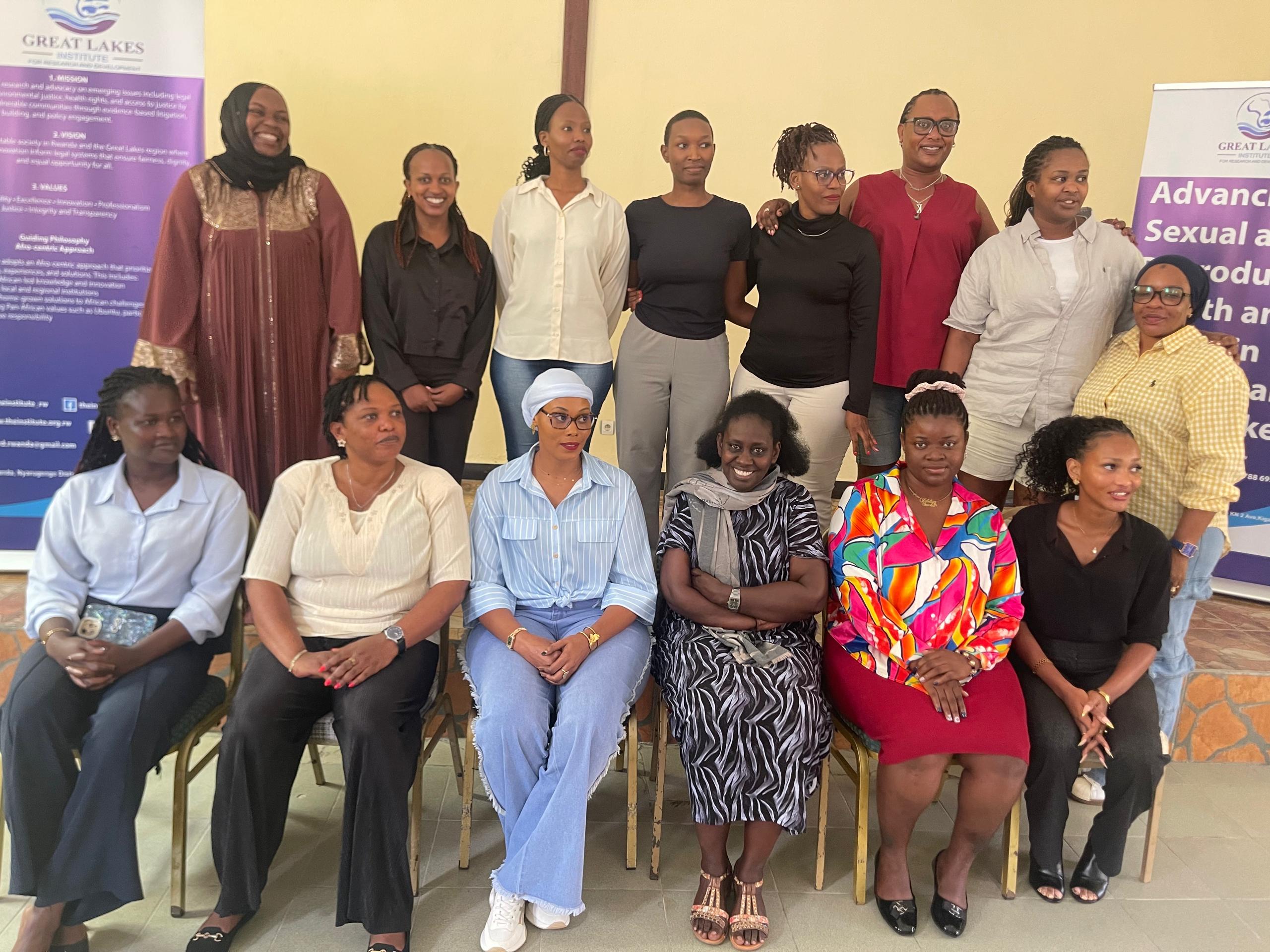
Discussions focused on strengthening collaboration among actors in the SRHR ecosystem, addressing stigma and misinformation, improving referral systems, and building a coordinated advocacy movement capable of responding to emerging challenges affecting reproductive health rights.
Speaking during the convening, Dr. Tom Mulisa, Executive Director of THE INSTITUTE , said the meeting was intended to create a shared platform where stakeholders can openly assess existing gaps and strengthen collective action.
“We cannot achieve meaningful progress on sexual and reproductive health and rights if institutions and organizations continue working in isolation. This convening is about building a coordinated and sustainable movement that places the rights and health of women and girls at the center,” he said.

Dr. Mulisa noted that while Rwanda has made important legal and policy progress in advancing reproductive health rights, many women and girls still face barriers in accessing services due to stigma, limited information, and weak coordination among service providers and advocates.
He emphasized the need for stronger partnerships between civil society organizations, healthcare institutions, legal experts, policymakers, and community actors to ensure that reproductive health services are accessible, equitable, and rights-based.
Participants also exchanged experiences and showcased different interventions, research findings, and advocacy approaches aimed at strengthening abortion and post-abortion care services across the country.
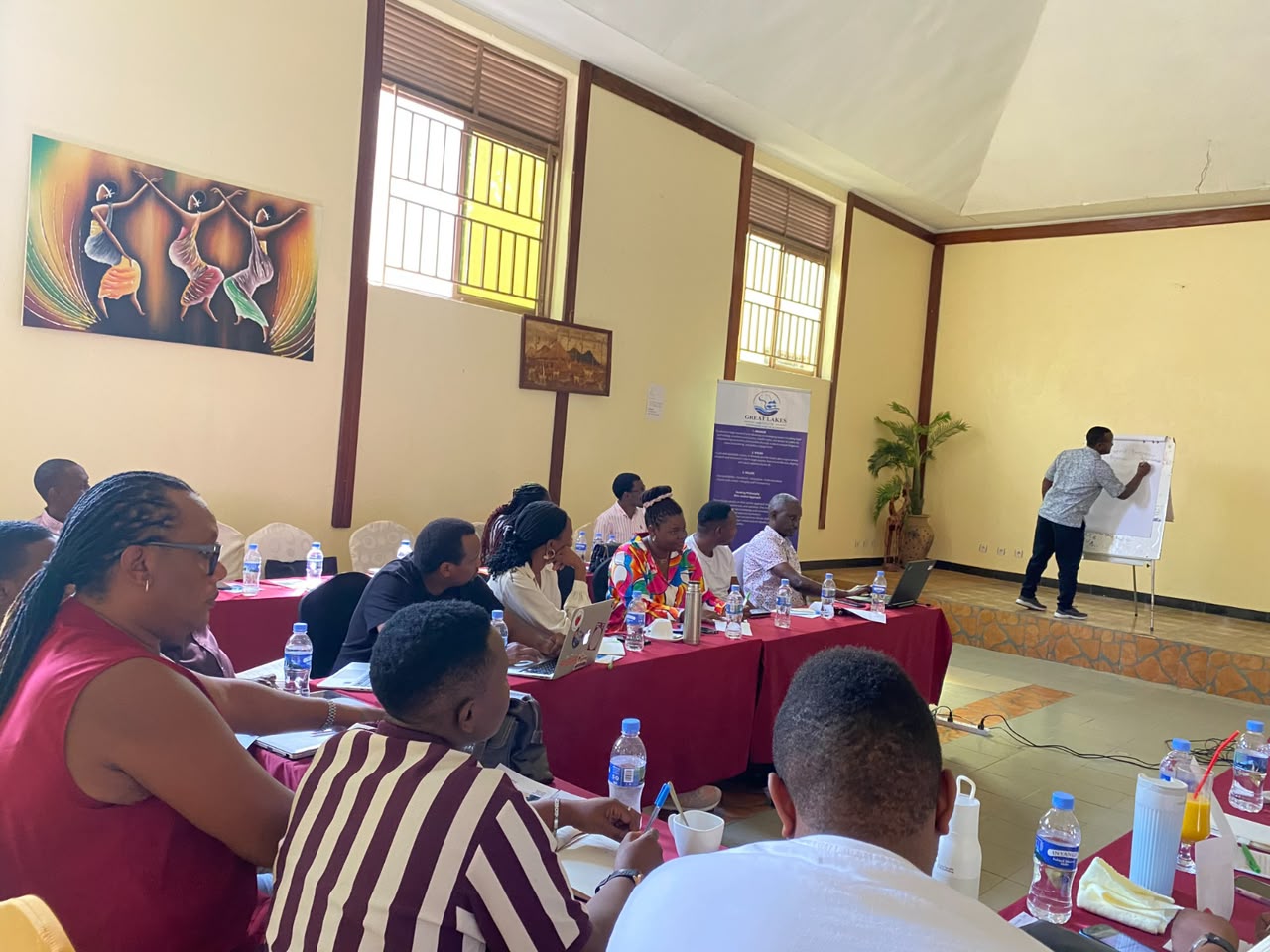
The convening further explored strategies to counter misinformation and growing opposition to sexual and reproductive health rights at national and regional levels.
According to organizers, the meeting is expected to contribute to the development of a practical coordination roadmap for Rwanda’s SRHR movement over the next 6 to 12 months, including stronger referral networks, joint advocacy priorities, and improved collaboration mechanisms.
Dr. Mulisa said THE INSTITUTE remains committed to supporting evidence-based advocacy and inclusive policy dialogue that amplifies marginalized voices and promotes health equity.
“Our objective is to ensure that no woman or girl is left behind when it comes to accessing accurate information, quality healthcare services, and justice within the reproductive health system,” he added.
The convening took place in Rubavu District and is part of broader efforts to strengthen Rwanda’s reproductive health ecosystem through research, advocacy, and multi-sector collaboration.

theinspirerpublications@gmail.com





Leave a Reply