

Rwanda marks 21st anniversary of the Maputo protocol with calls for continued progress on women’s rights
By Elias Hakizimana.
Rwanda commemorated the 21st anniversary of the adoption of the Protocol to the African Charter on Human and Peoples’ Rights on the Rights of Women in Africa, commonly known as the Maputo Protocol.
The event that has taken place in Kigali on September 27, 2024, brought together government officials, civil society organizations, development partners, and activists to reflect on the progress made in advancing women’s rights in Rwanda and across the African continent.
The Maputo Protocol, adopted by the Assembly of the African Union in 2003 and enforced in 2005, is recognized as one of the most comprehensive legal instruments for promoting and protecting women’s rights in Africa.

To date, 45 out of 55 African Union Member States have ratified the protocol, including Botswana, the most recent country to do so. Despite these advances, significant challenges remain, particularly in areas of gender inequality, discrimination, and violence against women.
Celebrating Progress, Addressing Challenges
This year’s celebration, organized by the Great Lakes Initiative for Human Rights and Development (GLIHD), focused on the strides made since the protocol’s adoption and the work still required to ensure that women and girls in Africa can fully exercise their rights.
The event was held in collaboration with various partners, including the Health Development Initiative (HDI), the Ihorere Munyarwanda Organization (IMRO), Strive Foundation Rwanda, Rwanda NGOs Forum on Healthcare Promotion and other civil society actors.
In his opening remarks, Tom Mulisa, Executive Director of GLIHD, emphasized the need for continued advocacy and collective action.
“Today is an affirmation of our collective commitment to advancing the rights of women. Over the years, we have seen positive changes in communities, with local leaders championing women’s rights. However, we must continue working together to ensure that these rights are respected and upheld at all levels,” Mulisa said.
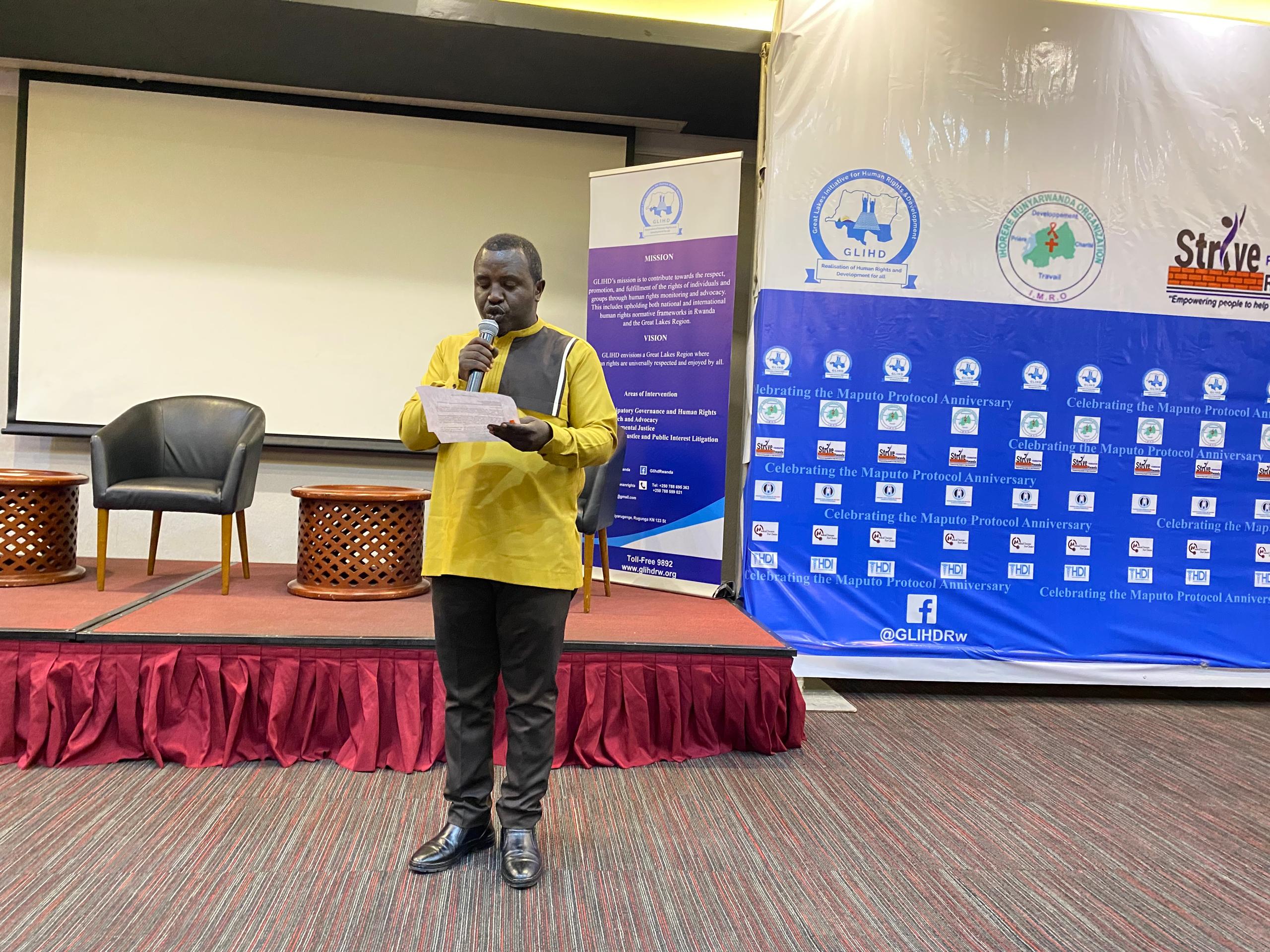
The event also highlighted the legal successes achieved in Rwanda, particularly the use of the Maputo Protocol to litigate women’s rights cases. Since 2015, GLIHD has been at the forefront of raising awareness about the protocol and supporting its implementation in Rwanda’s legal framework.
A Framework for Women’s Rights
The Maputo Protocol covers a wide range of issues affecting women, including the elimination of discrimination, violence, health and reproductive rights, and political participation. However, many state parties that have ratified the protocol have yet to fully incorporate its provisions into national laws, limiting its impact.
Dr. Aflodis Kagaba, Executive Director of Health Development Initiative (HDI), echoed these concerns, noting that while Rwanda has made significant progress, challenges remain.
“Rwanda has been a leader in advancing women’s rights, especially in areas like health and safe abortion. But there is still much work to be done to ensure that women and girls, particularly in rural areas, can fully access these rights,” Dr. Kagaba said.
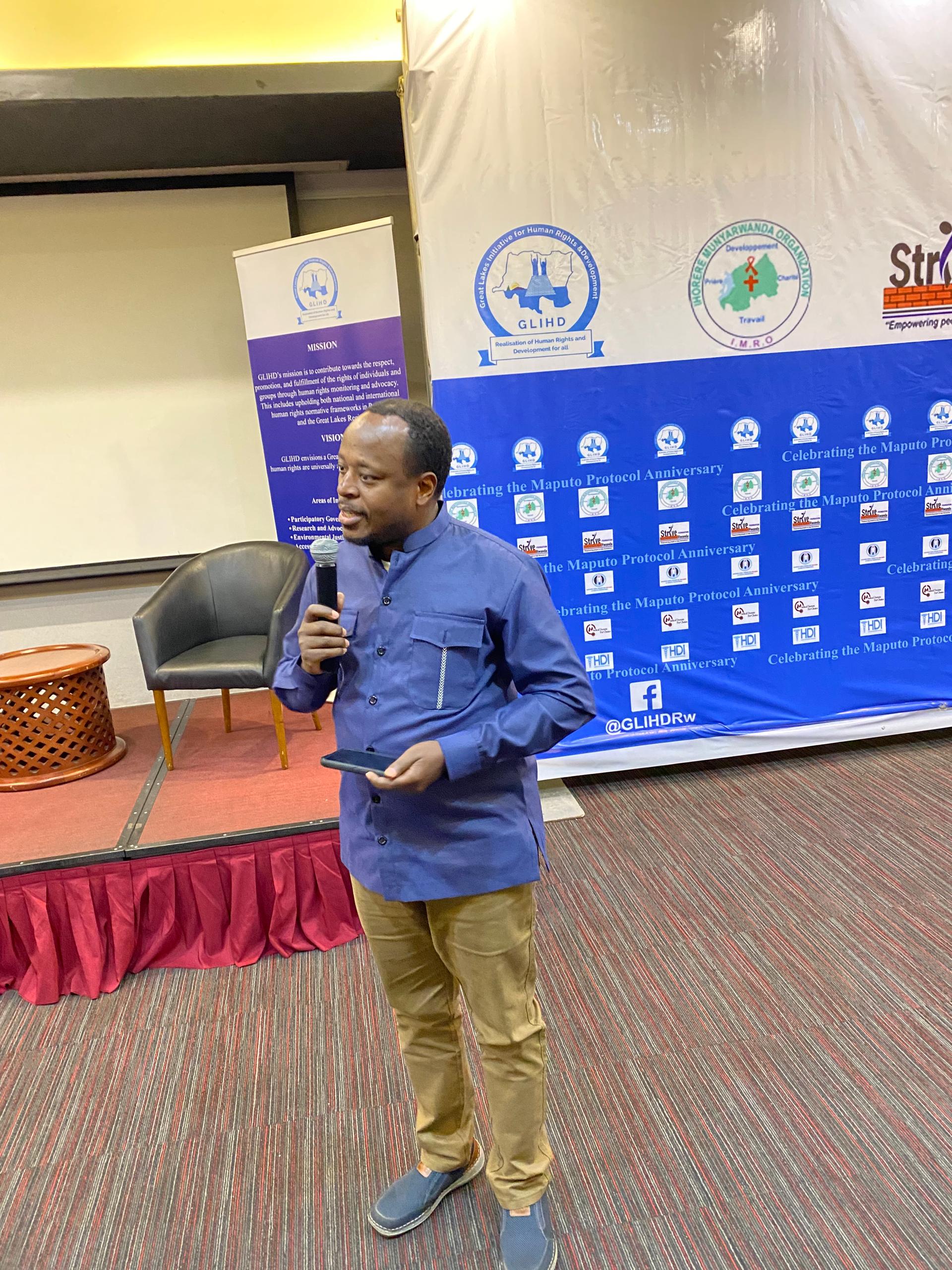
Kagaba praised the Maputo Protocol as a crucial tool for promoting women’s rights across Africa and called for continued efforts to ensure that it becomes a “living document” that drives meaningful change.
Government’s Commitment
Representing the Rwandan government, Théophile Mbonera, Permanent Secretary in the Ministry of Justice, highlighted the protocol’s profound impact on Rwanda’s legal landscape.
“The Maputo Protocol has been a beacon of hope for women and girls across Africa. In Rwanda, it has significantly shaped our legal framework, particularly in areas like gender-based violence and property rights,” Mbonera stated.
Mbonera also noted the progress made in political participation, where Rwanda boasts one of the highest levels of female representation in leadership roles globally. However, he cautioned that persistent social norms and economic disparities continue to hinder the full realization of women’s rights.

“We must strengthen our legal frameworks and create an enabling environment where women and girls can fully enjoy their rights. While we celebrate the strides made, we must also remain focused on the work ahead,” Mbonera added.
Addressing gaps in implementation
Despite the progress, challenges persist in the full implementation of the protocol.
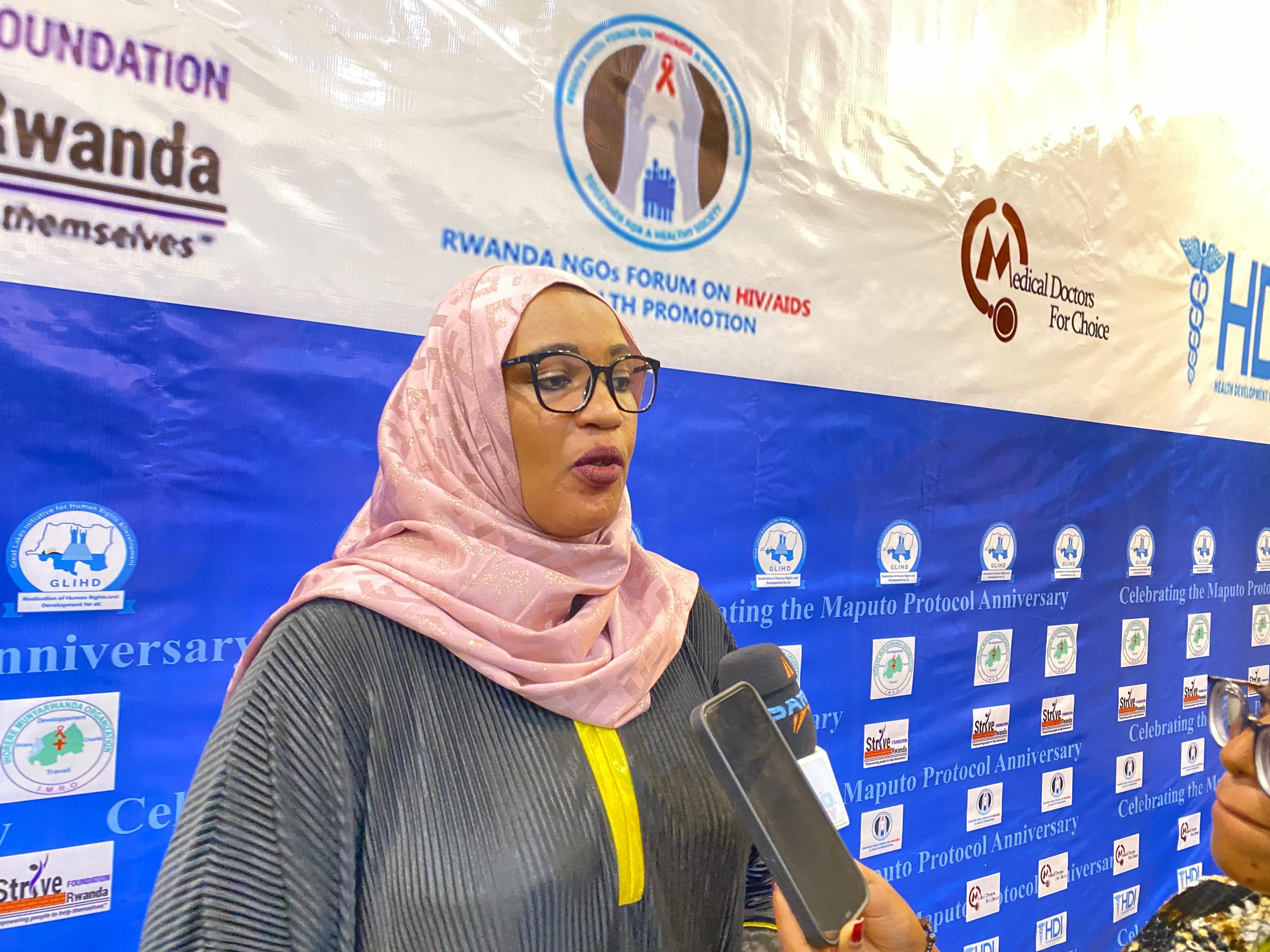
Umulisa Husna Vestine, Deputy Executive Director of GLIHD, pointed out the specific difficulties faced by persons with disabilities (PWDs) and those in rural areas.
“There are still significant gaps in access to justice for women with disabilities, particularly those who are deaf or have mobility challenges. In reproductive health, rural women and girls often struggle to access safe abortion services due to the long distances to health facilities,” Vestine explained.
She called for greater government efforts to ensure that all women, regardless of their location or disability status, can access the services and protections guaranteed under the Maputo Protocol.
Looking forward
The 21st anniversary of the Maputo Protocol served as a reminder of both the progress made and the work that remains in advancing women’s rights across Africa. As Rwanda and other African nations continue to grapple with the challenges of gender inequality, the Maputo Protocol remains a critical tool for driving change.
The event concluded with a renewed commitment from all stakeholders to work together to ensure that the rights enshrined in the protocol are realized for all women and girls in Africa. Attendees expressed optimism that with continued collaboration and advocacy, the next decade will see even greater progress in promoting gender equality and empowering women across the continent.
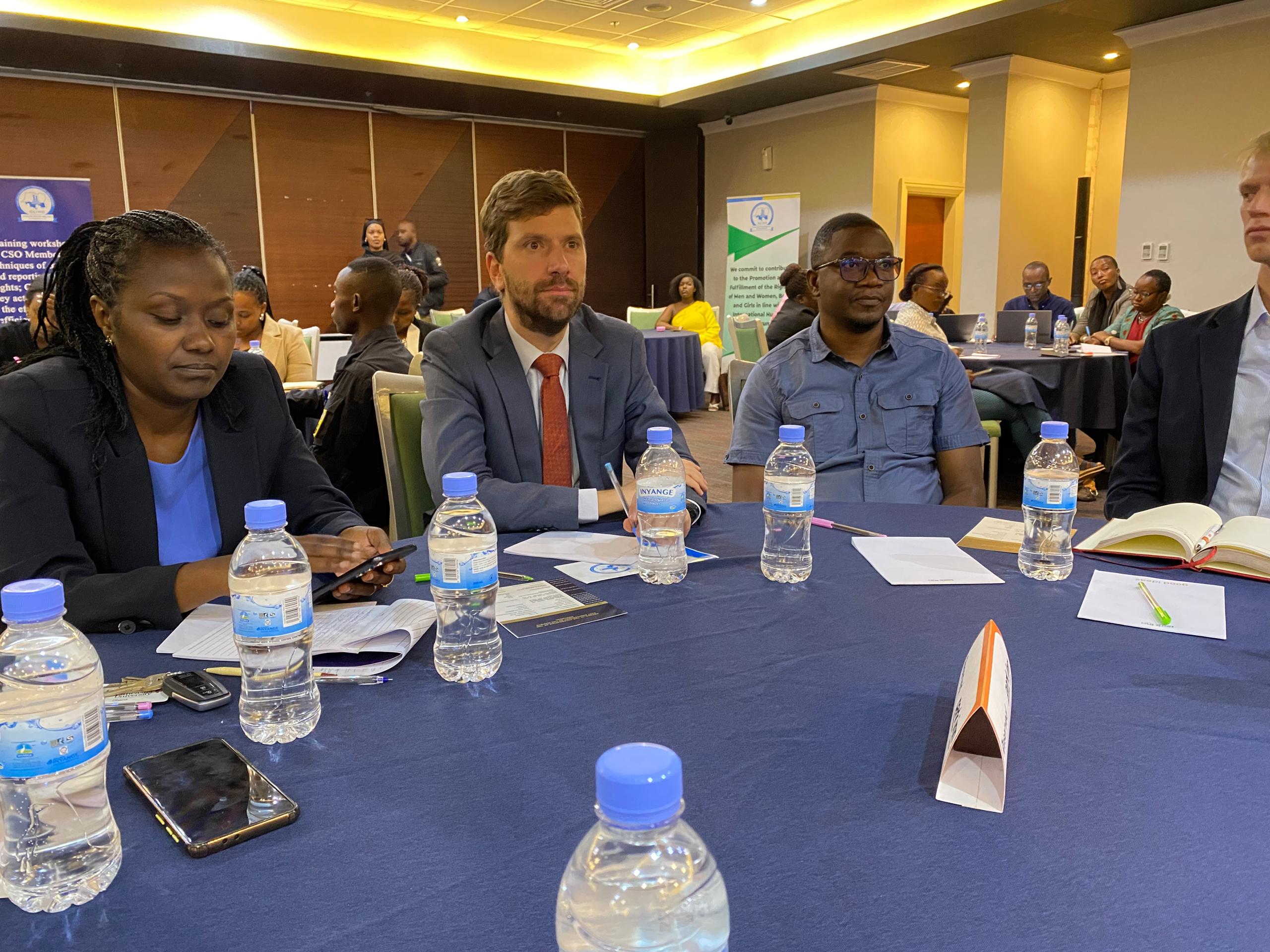
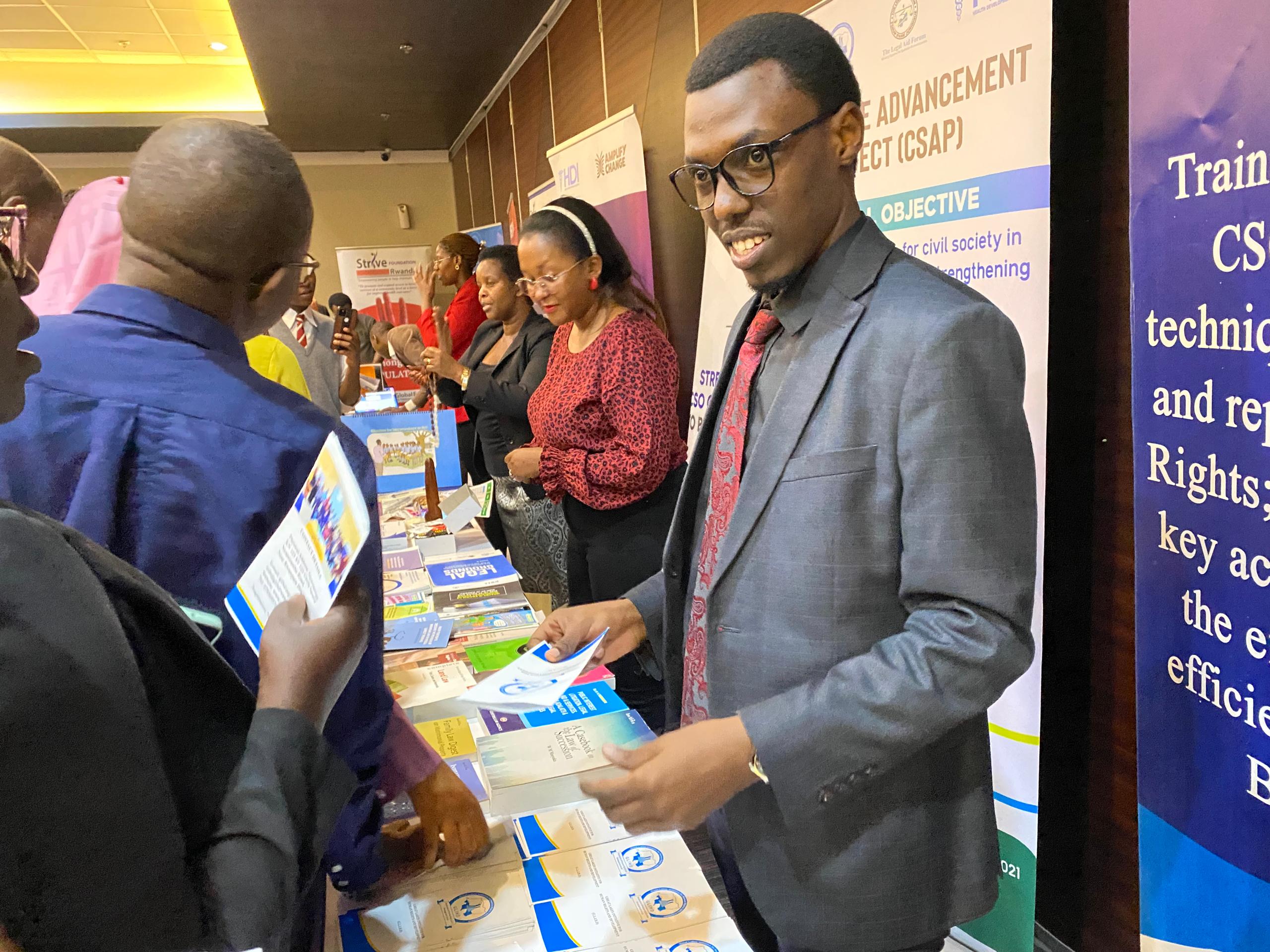 Participants at the 21st anniversary celebration touring the exhibition tables showcasing books that explain the Maputo Protocol and women’s rights, presented by local NGOs dedicated to promoting gender equality and human rights
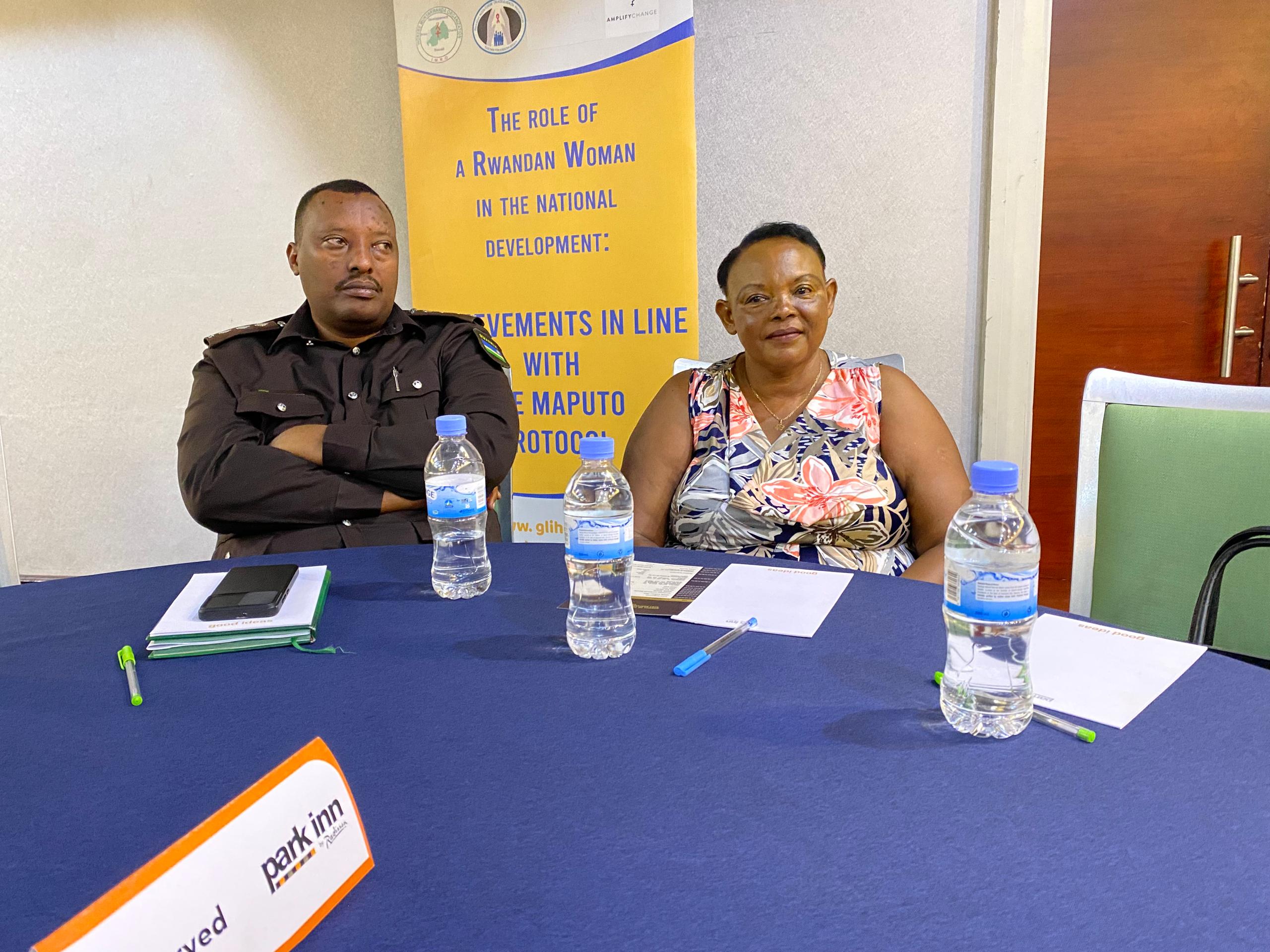
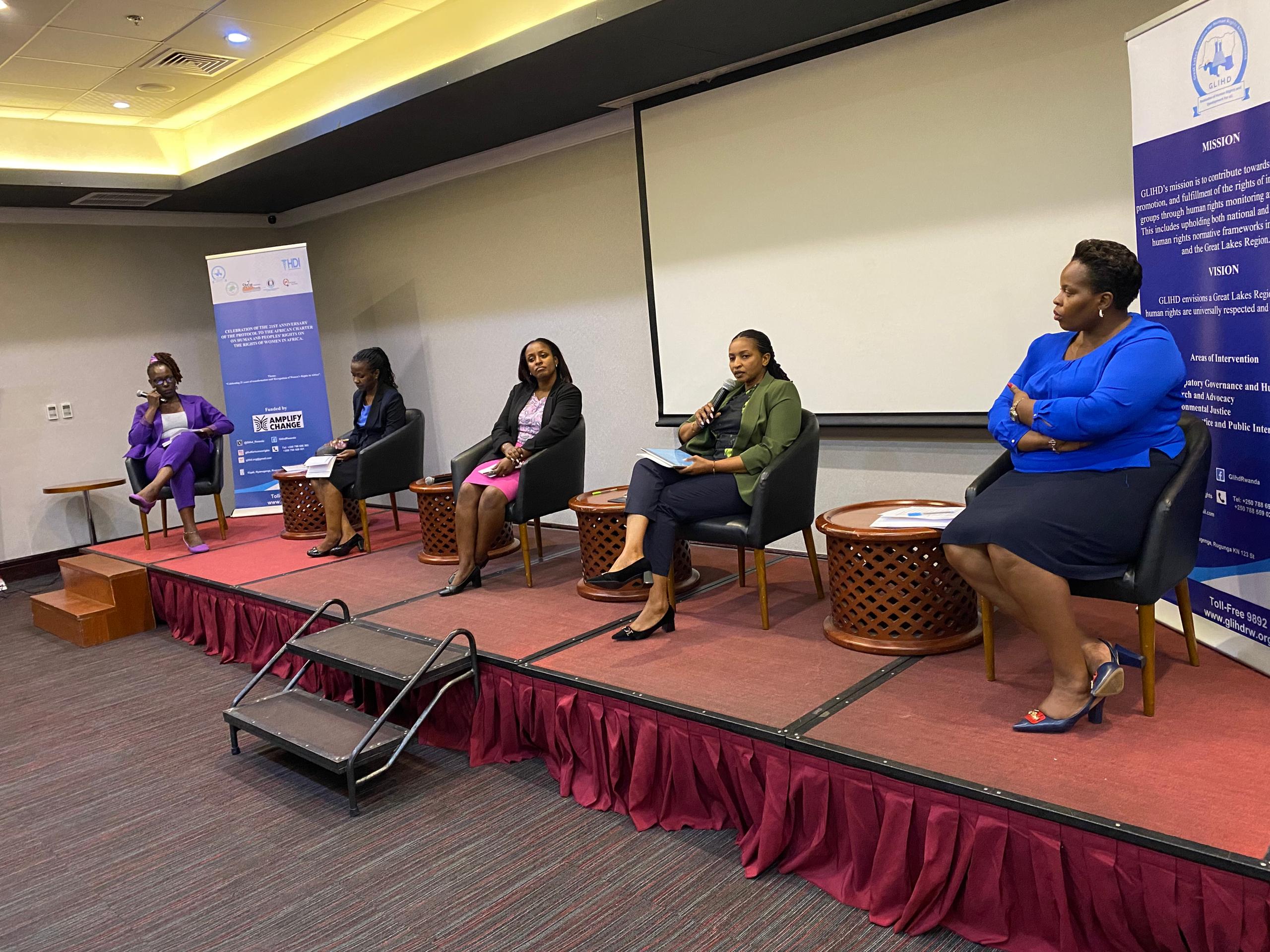 A panel discussion titled “Breathing Life into the Maputo Protocol” featuring representatives from the National Commission for Human Rights (NCHR), the Ministry of Justice (MINIJUST), civil society organizations (CSOs), and the Rwanda Bar Association (RBA), focusing on collaborative efforts to enhance the implementation and impact of the Maputo Protocol in promoting women’s rights in Rwanda.
 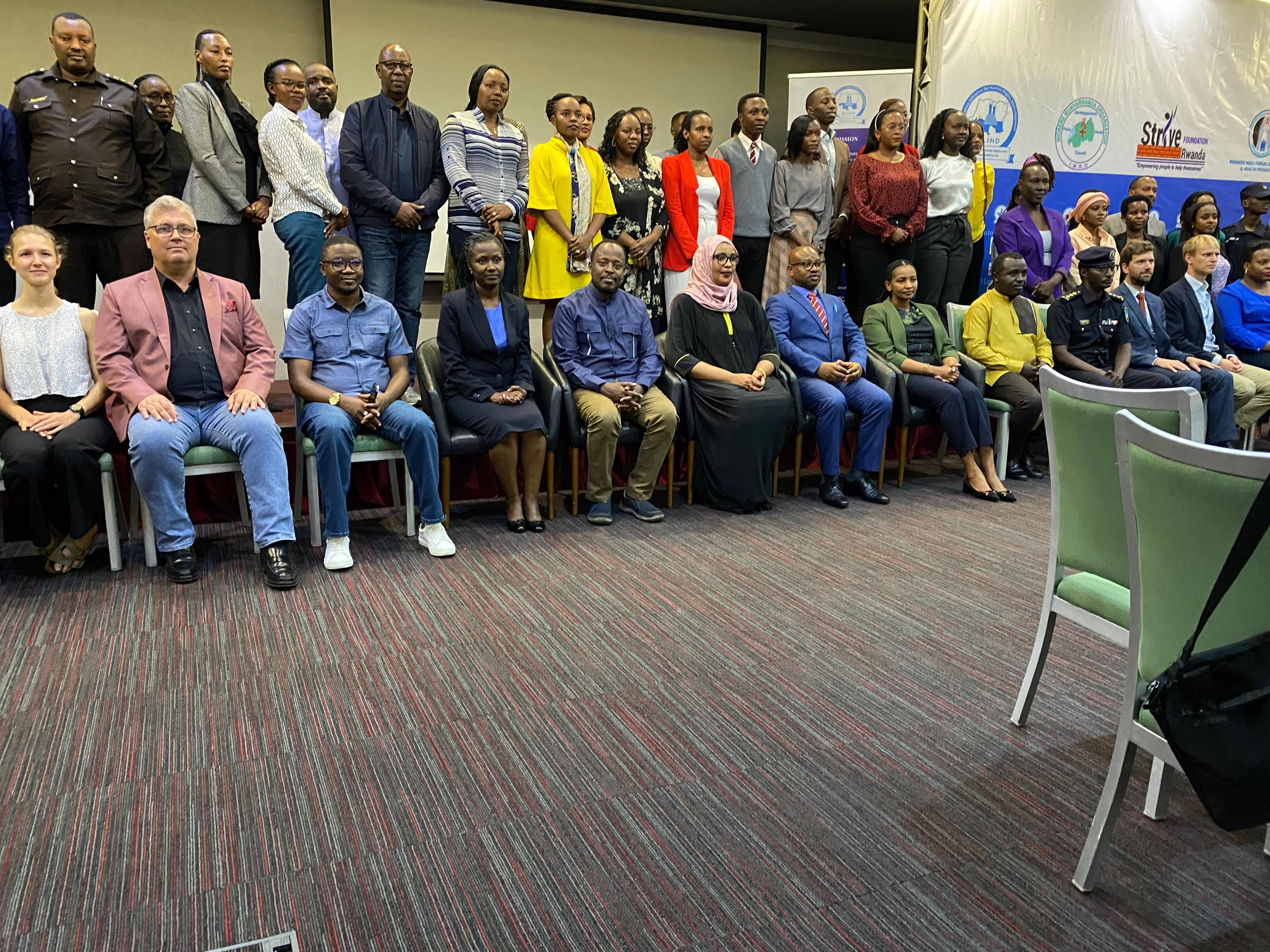 Participants of the 21st anniversary celebration of the Maputo Protocol gathered for a group photo.
theinspirerpublications@gmail.com




Leave a Reply