
Prioritizing Biomedical Care: A Wise Choice Over Traditional Healing for Snakebite Victims
By Xaverine Cyiza.
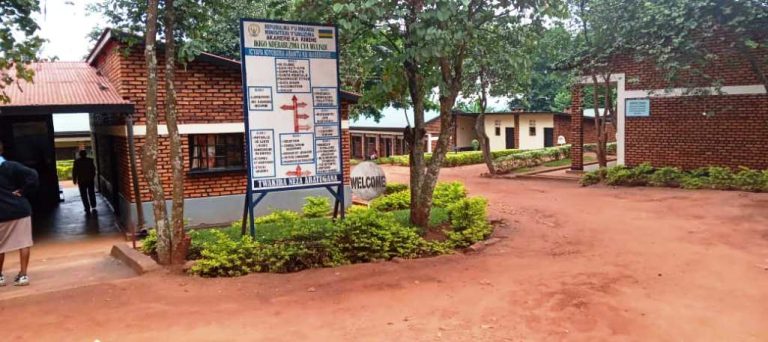
The Rwanda Biomedical Center (RBC) is urging citizens of Nasho Sector, Kirehe District, who still rely on traditional healing practices after experiencing snakebite injuries, to seek medical care at hospitals.
Despite the local belief in the efficacy of traditional healers, commonly known as ‘Abagombozi,’ some citizens argue that these healers play a crucial role in providing traditional antivenom medicine before heading to the hospital, claiming that this reduces the risks associated with snakebites.
However, individuals who have sought both traditional and biomedical care acknowledge that traditional methods often fall short, prompting them to eventually seek treatment from medical professionals.
Dorothée Mukumbayire recounts her experience of being bitten by a snake and spending nearly a year undergoing treatment.
Initially, she visited a health center, but the severity of her condition prompted a referral to Rwinkwavu District Hospital. Dorothe emphasizes the importance of timely medical intervention, stating that delays in seeking professional help can result in prolonged illness and incomplete recovery.
“The snakebite had a profound impact on my well-being, leading to nearly a year of illness. Promptly seeking medical attention, I visited the doctor, and eventually, I was cured. However, the initial delay in seeking medical help has left me with lingering discomfort. Now, even in colder weather, I sense a pervasive chill throughout my body, including the area where treatment was administered. It feels as though the symptoms are resurfacing. She narrates.
Vestine Mukabatsobe shares a similar sentiment, describing her attempt to alleviate the effects of a snakebite through traditional bathing rituals. When these proved ineffective, she sought medical attention at the health center, eventually leading to her treatment at Rwinkwavu. Vestine underscores the necessity of visiting doctors for proper and comprehensive care.
Imani Basomingera, the head of Mulindi Health Center, acknowledges the prevalent tendency among locals to turn to traditional healers instead of promptly seeking assistance at the center. He emphasizes continuous efforts to educate the community on the importance of opting for medical clinics over traditional practices for snakebite cases.
Nathan Hitiyaremye, NTDs-WASH Coordination Officer, Malaria Division in Rwanda Biomedical Centre highlights the ongoing campaign addressing neglected diseases, pollution-related illnesses, and snakebite-induced conditions.
He asserts, “Snake charmers, even if they attempt treatment, do not provide effective remedies, and their practices are illegal. This is why we strongly advocate for individuals to seek professional medical assistance. Doctors have comprehensive plans in place, ensuring all necessary measures are taken to provide proper care for snakebite victims, empowering them to take control of their health.” Hitiyaremye asserts.
In Nasho sector alone, there were 11 reported snakebite cases last year, contributing to a total of 55 snakebite cases in Kirehe district. Nationally, snakebite incidents number at least 1500 cases.
RBC aims to raise awareness and educate citizens during the six-day campaign, emphasizing the importance of seeking biomedical care for snakebite injuries.
theinspirerpublications@gmail.com




Leave a Reply