

Per-diem, the sole salary of Rwanda’s private journalists
By Elias Hakizimana.
Rwanda’s private media houses are still facing hurdles in running their activities successfully due to poverty caused by the fact that they do not get public or private advertisements.
Under this scenario, many of journalists are not paid because their employers do not get advertisements. They only starve on some allowances such as transport facilitation or communication fees that also comes temporally.
Government and private sector continue to think that journalists from private media houses must survive upon the per-diems, that is also delivered a couple of days, months or years after the events took place.
Per definition and as it is normally expected, a per-diem is an allowance or payment made for each day, but in Rwanda is not the same as it can be delivered after a week, months or stay unquenched promise.
Others, among both public and private institutions who do not know or ignore the value of media call it (per-diem) a ‘payment’ for Journalists’ works in order to deny them advertisements or other paid media contents. However, a journalistic work (a single article, audio or video production) is not a simple and easy work to produce and give to people for granted especially when it comes to advertorial articles.
Journalists from private media houses most of the times get sad when they are invited with their colleagues from public media houses who were paid advertisements.
What becomes worse is that they even end up by mising their per-diem, that officials (event organizers) promise them to help them develop their articles with internet bundles or airtime. Others call it (per-diem) as media facilitation, media transport fee but it is not delivered on time and also stays in oral endless promises.
How it ‘undermines’ the works of journalists
Before it becomes a promise, journalists can cover and produce articles as a community support but most of companies and public institutions’ public Relations officers tend to lie to journalists to come and cover to get a per-diem.
This has put many Public Relations in conflicts with the journalists.
“We shall depart at 6:00 am from our offices and we will transport you and give you communication fees to help you refine the articles you will cover,” said a public relation officer of one public institution called Rwanda Cooperative Agency (RCA) to journalists ten days ago.
What is worse is that the PR is still lying to them after his wrong promise. The journalists were expecting to go back at work with the so-called communication fees and they are still waiting endlessly.
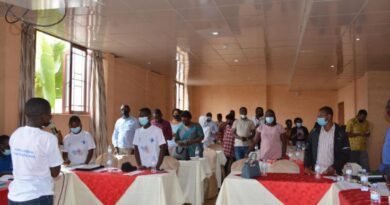
On the event’s day, the big coaster (bus) was full of journalists, meaning media houses, but only three media houses were paid advertorial, others did not even get their communication allowances ‘per-diem’.
Journalists request the government to establish another way of supplementing their works as they are good agents of change who always support government and other institutions to achieve their objectives through their articles when it comes to citizens’ mobilization for a certain campaign and other activities.
Inequality among media houses when it comes to giving money to some and deny it others is one of the biggest challenges apart from harassments by some officials on the field.
There are at least 300 media houses in Rwanda but only few of them get government’s advertisements. And, the private sector copied and pasted same strategy when it comes to paying contents of media houses, yet, both public and private media perform same jobs, contributing to the development of the country.
theinspirerpublications@gmail.com


Leave a Reply