

How Stigma could derail efforts to end HIV infection
By Elias Hakizimana.
Stigma and fear to buy condoms from public shops has become a routine among many communities in Rwanda, giving efforts to the quick spread of new HIV/AIDS infections and other Sexual Transmitted Illnesses (STIs).
Currently, the HIV/AIDS prevalence rate in the country stands at 3 percent.
The mini survey conducted by The Inspirer in Kigali city and Musanze secondary city shows that there are many people who still fear to buy condoms from shops due to the embarrassment posed to their personality when they are seen asking, receiving and paying for condoms.
Jean Daniel, second name hidden due to his privacy is a 29-year-old from Kicukiro district in Kigali city. He says that it is a shame purchasing a condom publicly as people humiliate the buyer.
“The shopkeeper himself is the first one to speak nonsense as he wants to reveal to anyone there that you are going to have sex, I cannot feel free to buy a condom from the shop, rather I can go to the pharmacy or health center where it is provided by a professional health worker who cannot reveal to everyone,” he says.

Twagirimana, a carpenter from Nyarugenge district also said that there are still challenges related to cultural bond that brings fear and stigma among Rwandans when it comes to condom purchasing.
“We are bounded to the routine of hiding our identity, to show who we really are and we do not need to show everyone that we need a condom. People tempt to call you a cursed man or a Satan when they see you buying a condom,” Twagirimana says.
He reiterates that people who sell condoms from public shops have a bad routine to demean a client who buys a condom through discussions with other people around there.
“Shopkeepers are the first ones to make us feel embarrassed when we want to protect our health. a condom buyer remains a subject of discussions inside and around the shop, which is not good.” Twagirimana adds.

Unprotected sex increases HIV/AIDs and other Sexually transmitted illnesses (STIs) among both men and women, but key populations are at high risk. Key populations are people with sex routine such as Female Sex Workers (FSWs) and Men having Sex with Men (MSM).
Married men are most affected
Bayigamba, 39, is a citizen of Muhoza sector, Musanze District who also experienced the stigma and embarrassment from the community few times back he tried to buy condoms.
“The language and behaviours of people around the shop cannot allow you to go there the second time, I decided to go in another neighborhood’s center to buy enough condoms that will last longer and next time I change the area to avoid people’s embarrassment,” he said.
The Ministry of Health provides over 32 million condoms every year among 9 condom kiosks, public health centers, private clinics and youth corners to help Rwandans prevent against new HIV and other STIs infections according to Dr. Charles Berabose, Director of Viral Hepatitis Control and other infectious diseases at Rwanda Biomedical Center (RBC).
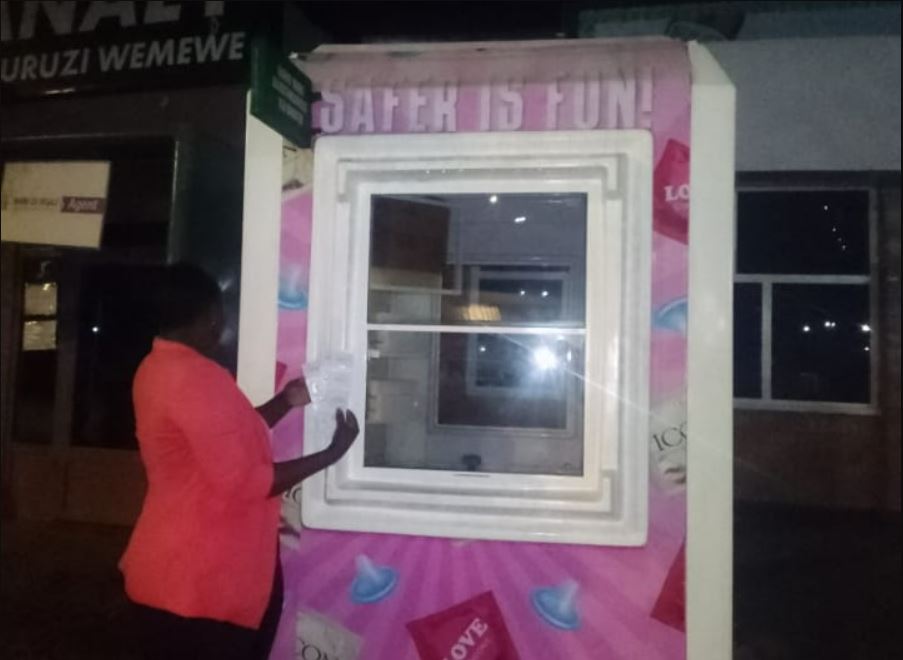
“Mobilization on condom use is ongoing and availability is at the outstanding level. If this stigma continues and that people continue to fear buying condoms in public, new infections could increase. I can tell the public that you fear to buy condoms and get contaminated with STIs,” Dr. Berabose said.
While over 210,000 people currently live with HIV in Rwanda, the prevalence is lower in the general population and higher among FSWs at 35.5 percent. The general prevalence is 3.0 percent among the general population aged between 15-64 with 3.7 percent in women and 2.0 percent in men.
theinspirerpublications@gmail.com
Follow us @theinspirerpubl





Leave a Reply