
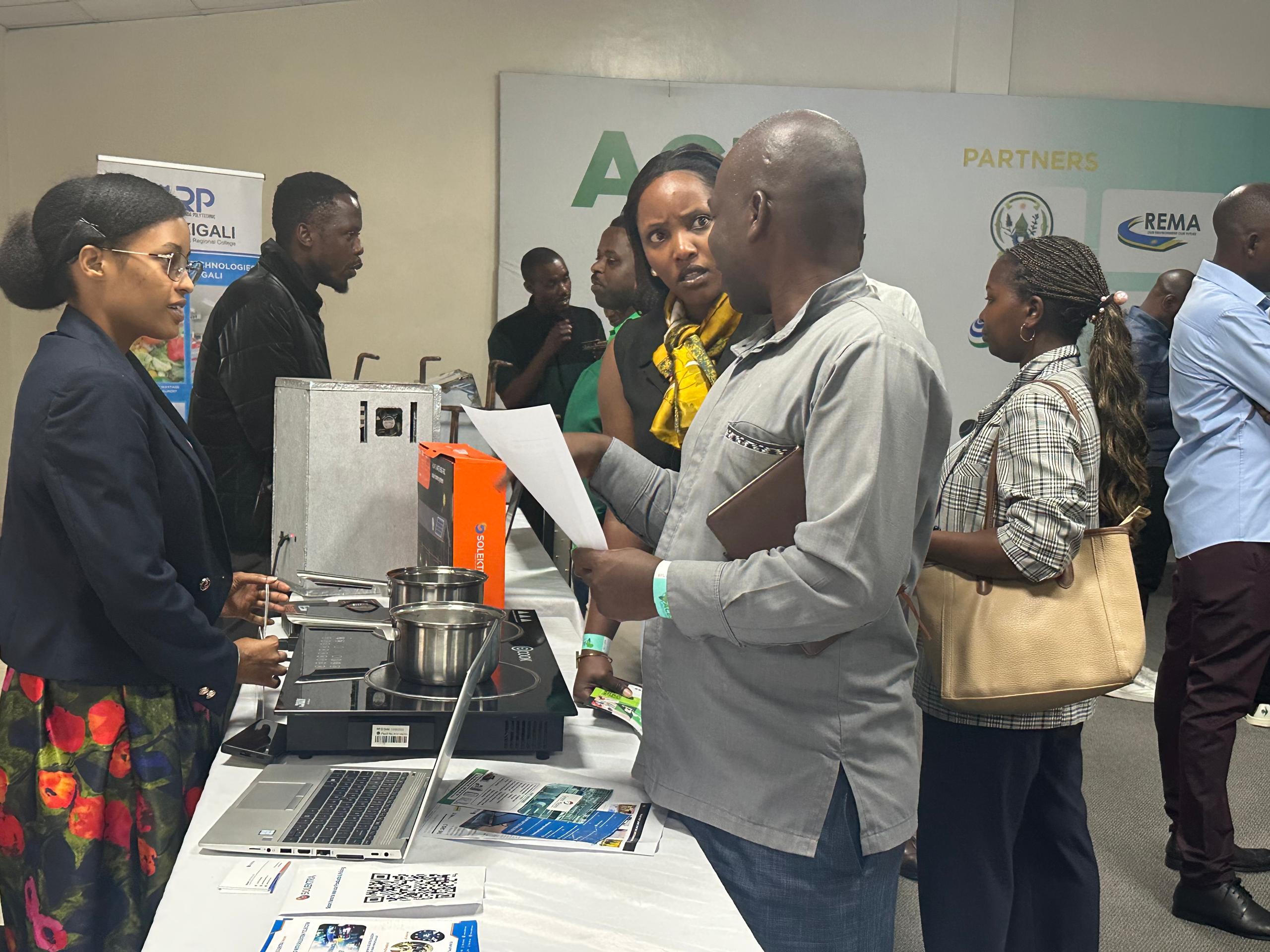
Festival of cooling highlights smart technologies for food and vaccine storage
By Elias HAKIZIMANA.
The Africa Centre of Excellence for Sustainable Cooling and Cold-Chain (ACES) kicked off the first themed session of the Festival of Cooling, shining a spotlight on the critical role of cooling technologies in Rwanda’s health and agriculture sectors.
The exhibition, being held in Kigali from October 6th-10th, 2025 draws innovators, government officials, and industry experts to showcase solutions that preserve vaccines, blood, and perishable food products.
Prof. Toby Peters, Founding Director of ACES, emphasizes that cooling is an essential yet often invisible part of modern life, powering everything from mobile data centers to food and vaccine preservation.
He says initiatives like ACES focus on raising awareness about the importance of cooling, creating a resilient, energy-efficient, and environmentally sensitive cold chain.

“The cold chain is critical infrastructure and, as important as a water pipe or electricity cable, because it moves essential products like food and vaccines from farm to market or manufacturer to arm. Cooling must be inclusive, affordable, and sustainable to protect both lives and livelihoods,” Peters adds.
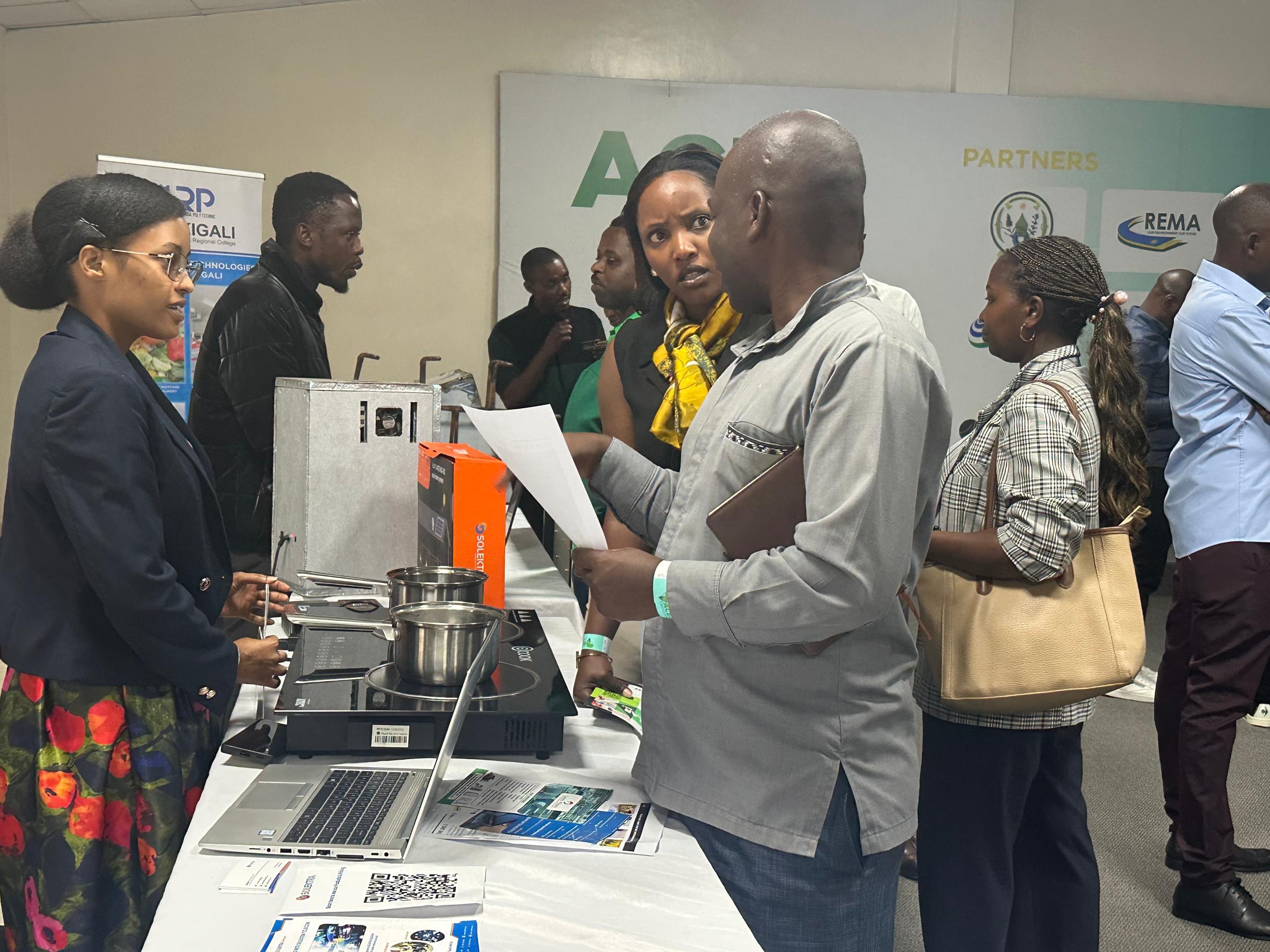
Participants explored a range of technologies, including ultra-low temperature cold storage for vaccines, drone-based delivery systems, and solar-powered solutions for food preservation.
Some of the exhibited technologies at the Festival of Cooling include innovative solutions for both health and agriculture.
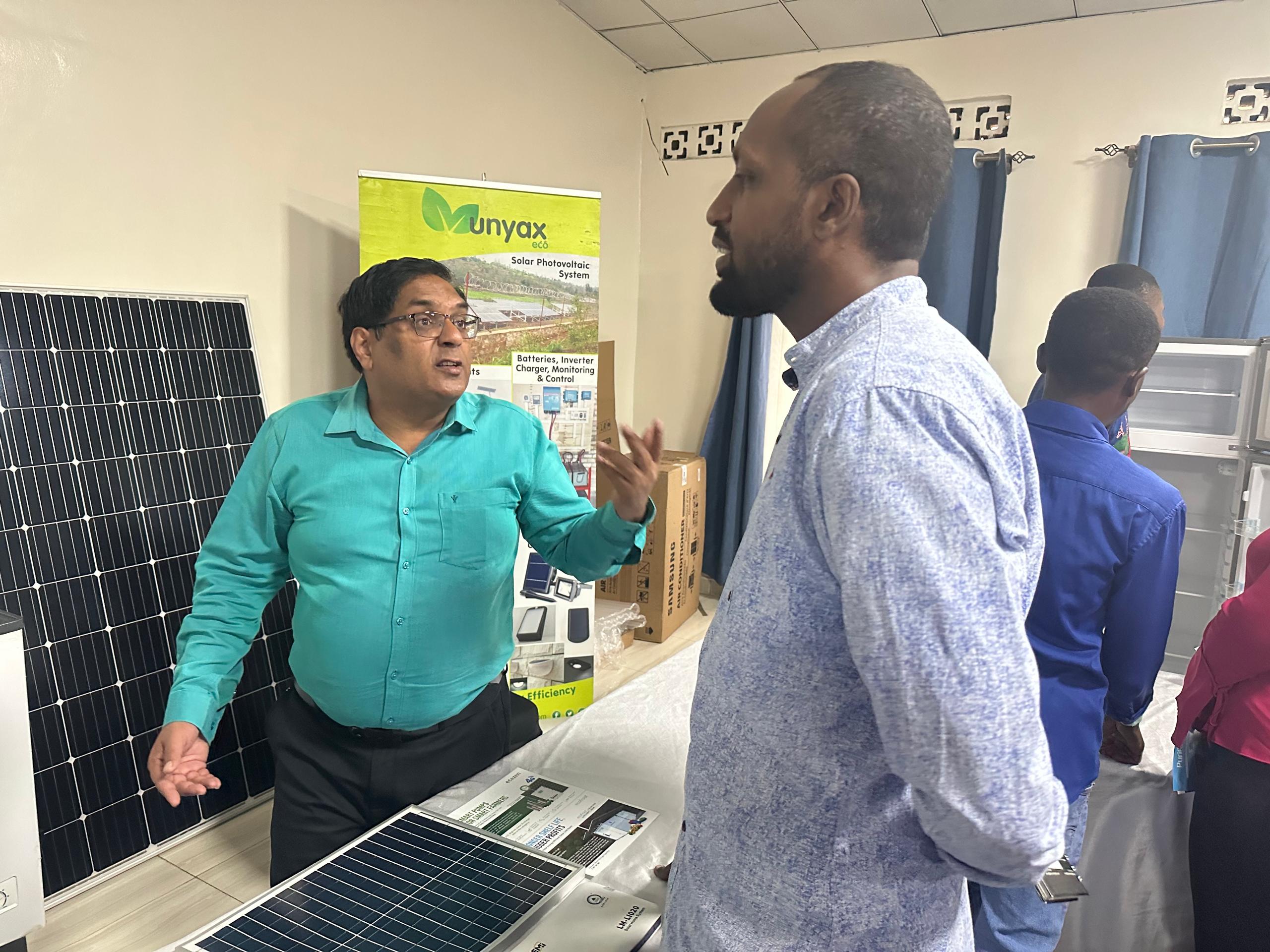
Munyax-Eco, a solar energy company founded by Francine Munyaneza, showcased its solar-powered cold rooms, freezers, water heaters, and home kits designed for areas with unreliable electricity.

“This solar cold room operates at +4°C, ideal for storing vegetables and fruits,” said Claudine Uwineza, Sales and Marketing Coordinator at Munyax-Eco.
She added that units have already been installed in Bugesera, Kamonyi, and Nyamagabe districts, helping farmers preserve their produce, reduce post-harvest losses, and improve income through sustainable, accessible cooling solutions.
ACES has partnered with organizations such as Zipline to train technicians and health workers in cold-chain management, ensuring vaccines reach remote areas without compromising efficacy.
Dr. Florence Uwamahoro, Deputy Director General at the Rwanda Agriculture and Animal Resources Development Board (RAB), emphasizes the broader impact on food systems.
“There is still much to be done to improve post-harvest handling of agricultural products, particularly fresh vegetables and fruits. The technologies showcased here can help significantly reduce losses. Our goal is to ensure that crops reach consumers in a fresh, safe, and high-quality condition. Farmers will be guided on the next steps to adopt these innovations effectively, in line with Rwanda’s PSTA 5 strategy,” Dr. Florence Uwamahoro said.

The exhibition demonstrated how innovations in cooling connect agriculture and health, with solutions designed to preserve both food and vaccines.
Among the initiatives is the Vaccine Cold-Chain and Aerial Innovation for Resilience (VACCAiR) project, currently in its pilot phase, which is exploring the potential of drones to deliver vaccines to health centers in the future.
According to Jean Pierre Musabyimana from ACES’ One Health Department, “Once fully operational, this just-in-time delivery model could reduce reliance on large cold-storage facilities, improve efficiency, and ensure equitable access to life-saving vaccines, while maintaining the strict temperature requirements needed for different types of vaccines.”
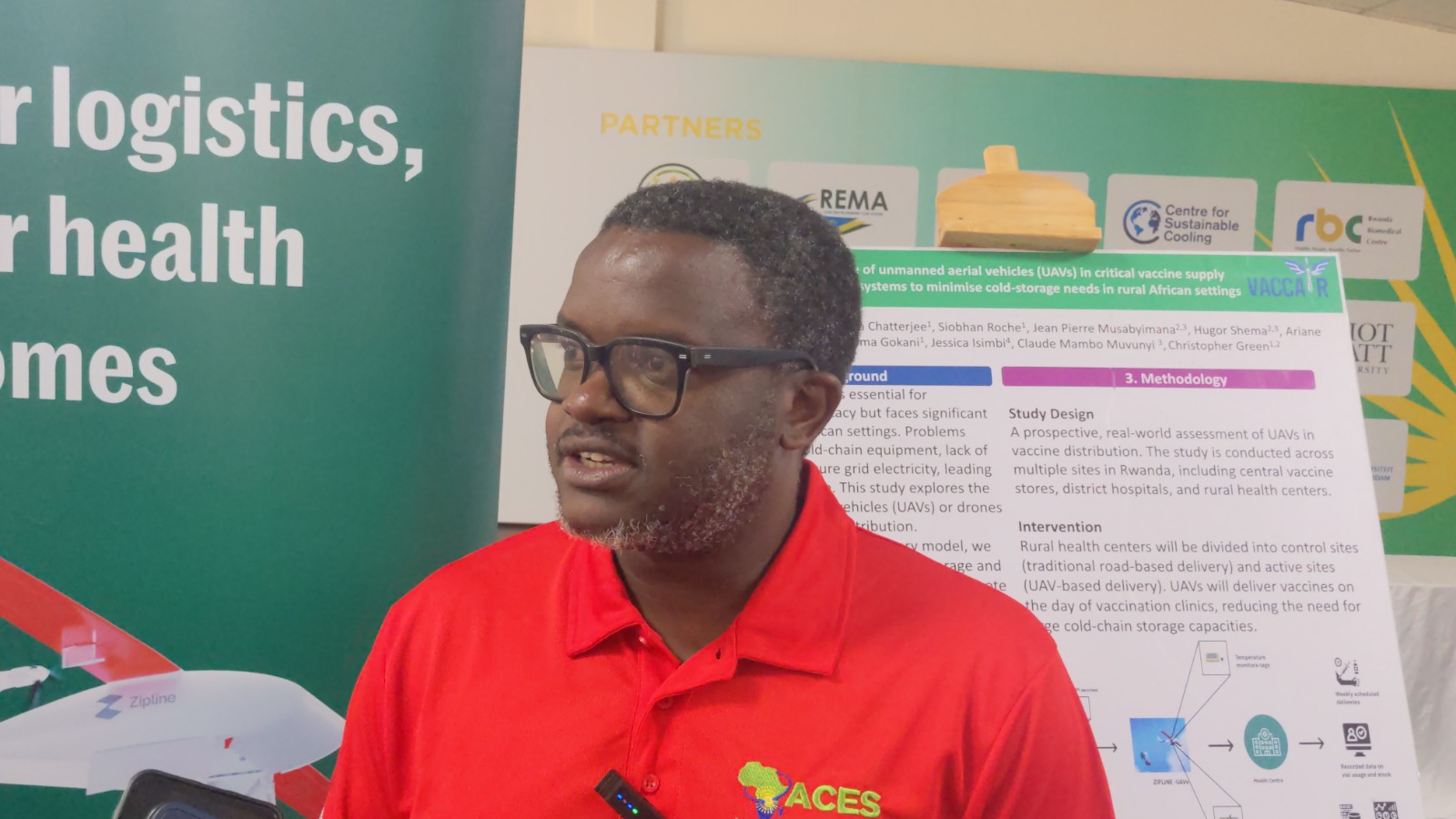
Albertine Uwajeneza, a flight and cold-chain technician at Zipline, commends the efforts and partnership with ACES in strengthening cold-chain management.
“The training we receive equips us with advanced knowledge on vaccine storage and cold-chain management. The skills extend beyond human health to animal vaccines and food supplements. Strengthening cold-chain infrastructure ultimately benefits communities across the country,” she says.
The exhibition also serves as a platform to showcase innovations for smallholder farmers and cooperatives. Sustainable cooling solutions, including solar-powered cold rooms and freezers, were on display to reduce post-harvest losses in rural areas.

Experts stress that reliable storage infrastructure is key to stabilizing markets and improving incomes.
“Cold-chain systems are critical infrastructure, as essential as water or electricity,” says Prof. Peters.
“By training engineers, supporting farmers, and developing equitable business models, we are creating a system that works for everyone. Minimizing losses in vaccines, food, and agricultural products is a direct contribution to Rwanda’s Vision 2050.” Peters adds.
RAB highlights that strengthening cold-chain capacity is key to national development priorities, particularly under the PSTA 5 plan, which focuses on improving storage efficiency and reducing post-harvest losses. Priority commodities include vegetables, fruits, and animal products such as meat, milk, and fish.
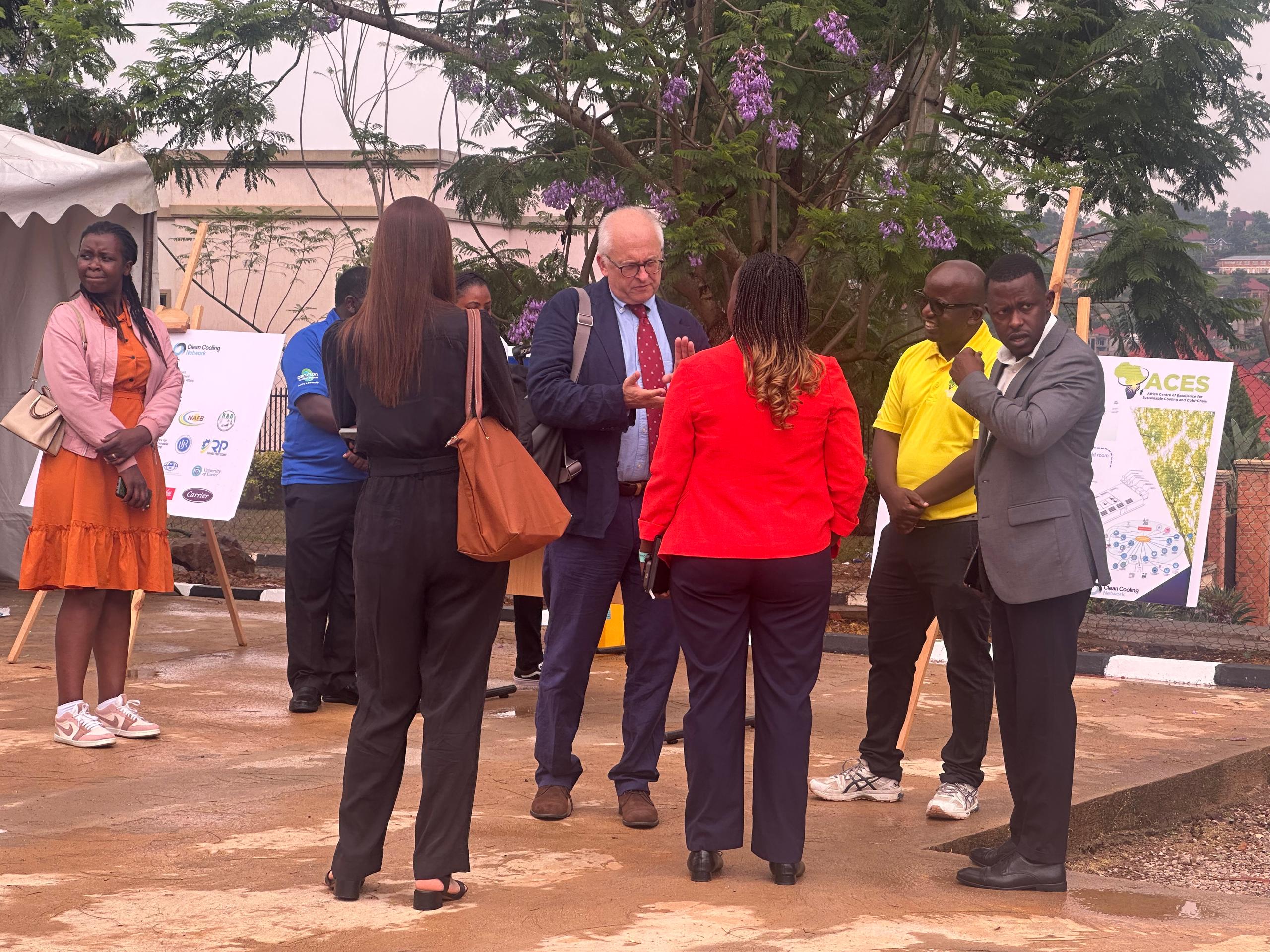
The Festival of Cooling will continue throughout the week with sessions focusing on education (October 8), innovation hubs (October 9), and engagement with farmers and policymakers (October 10).
Organizers aim to build a broader understanding of the importance of sustainable cooling across multiple sectors, demonstrating that technology, training, and collaboration are central to Rwanda’s development goals.
“The exhibition brings together government, private sector, and research institutions to address challenges in health and agriculture,” says Dr. Uwamahoro, emphasizing that it is a practical demonstration of how innovation and collaboration can strengthen food systems and healthcare delivery, particularly in remote communities.
As Rwanda advances toward Vision 2050, the Festival of Cooling highlights how ACES uses innovation and training to build sustainable, efficient, and inclusive cold-chain systems.
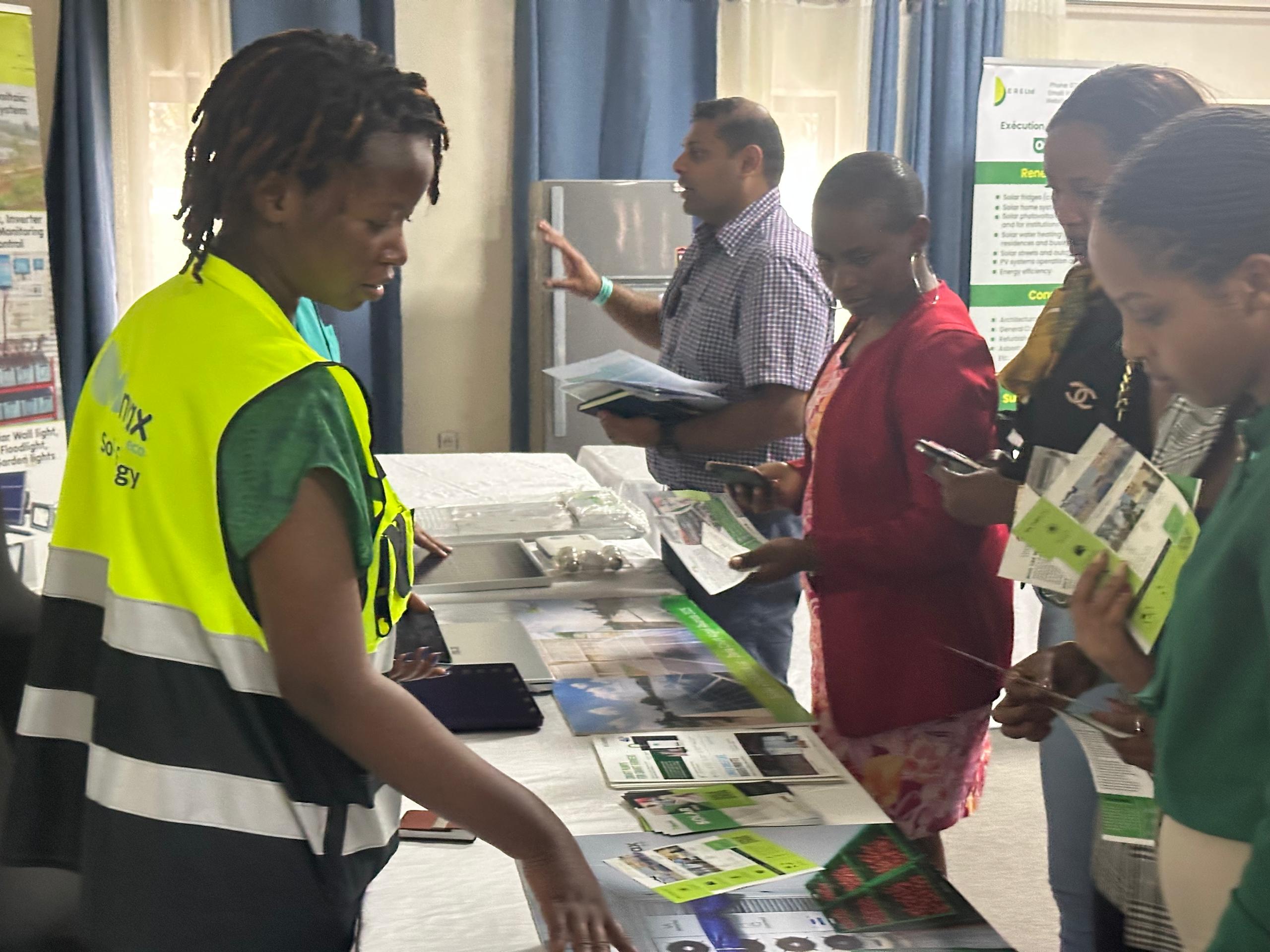 Claudine Uwineza of Munyax Eco explains solar-powered cold-room solutions to visitors at the company’s exhibition stand.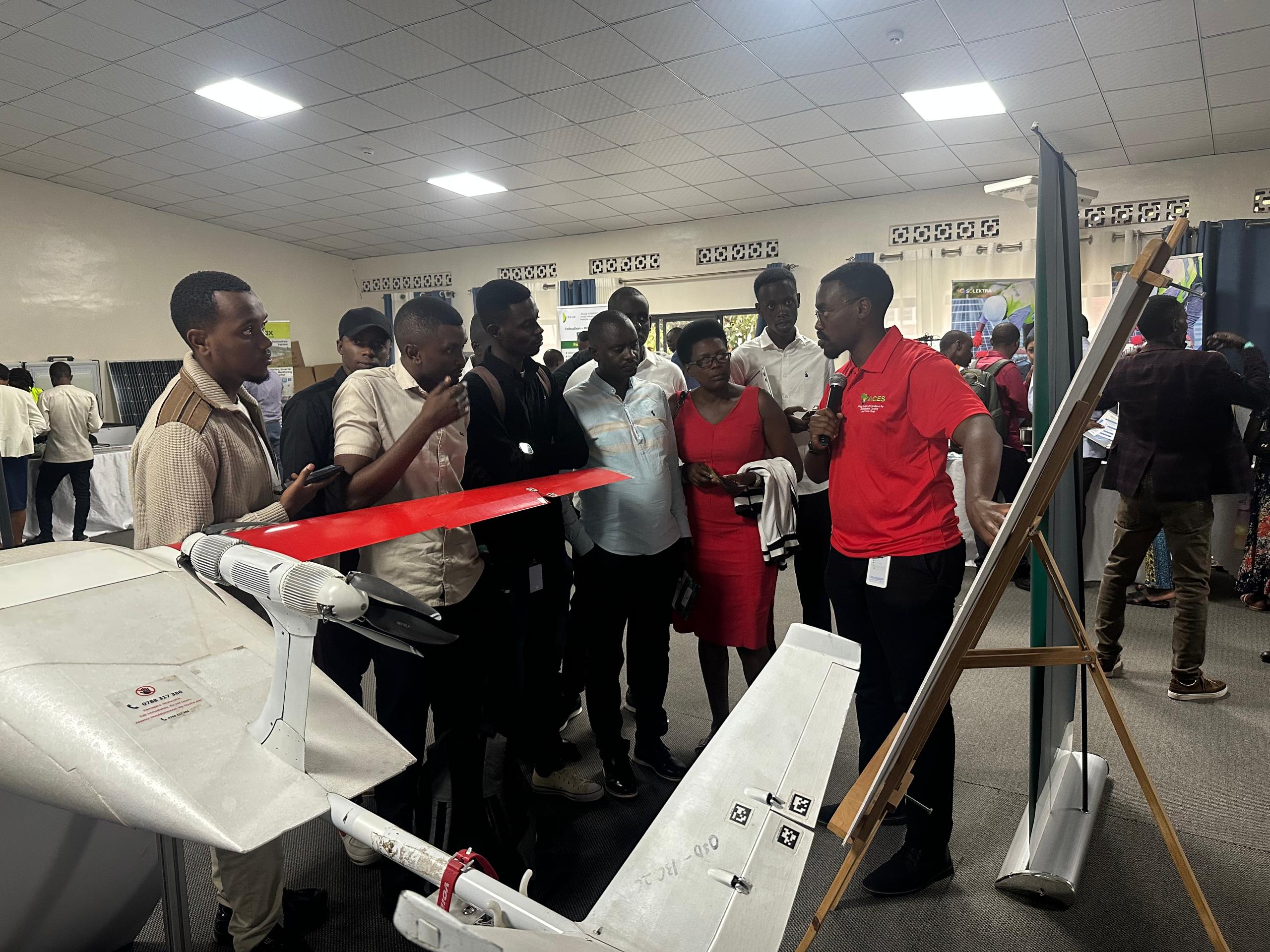


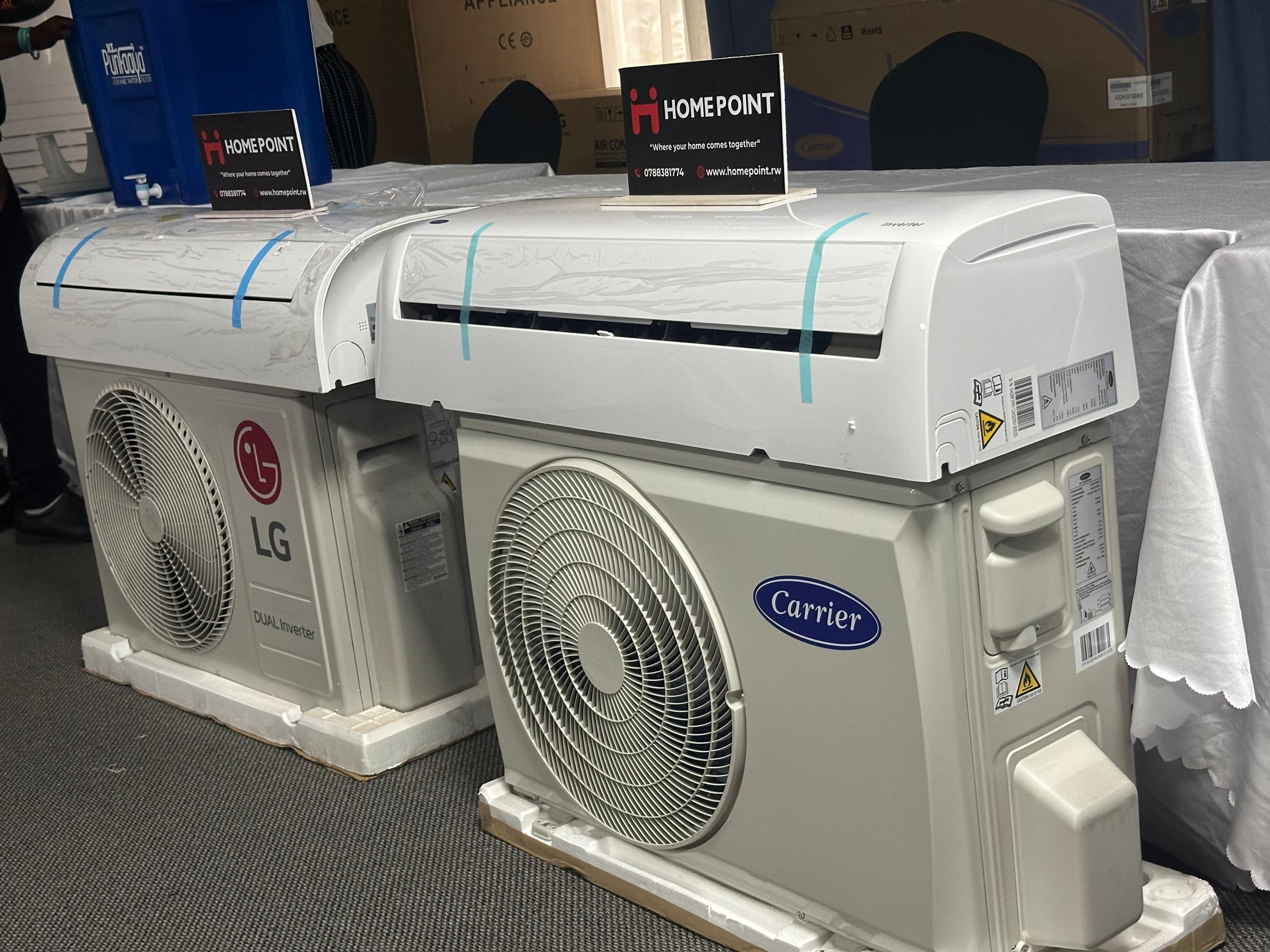
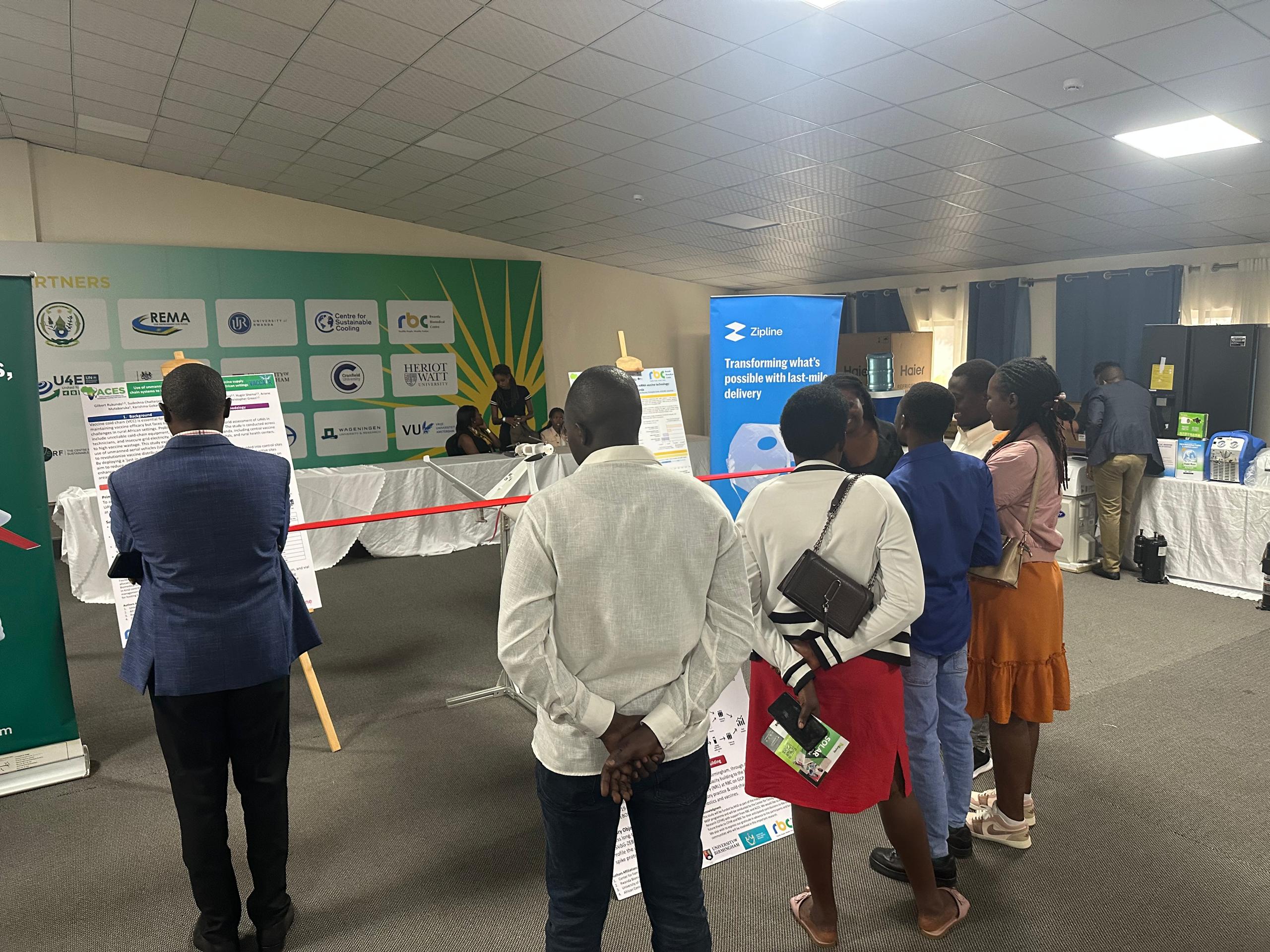
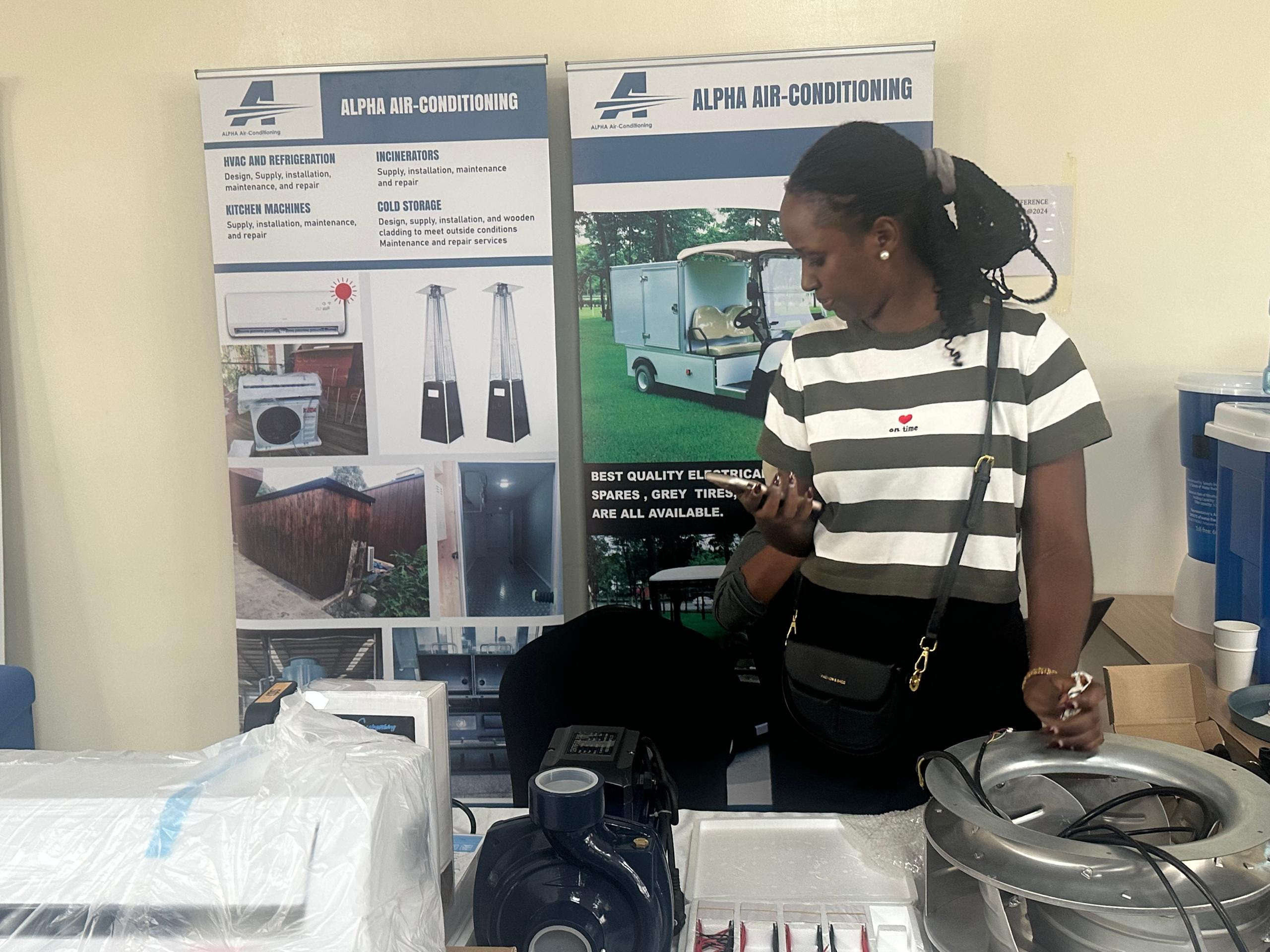 Alpha Air Conditioning Company showcases its latest cooling technologies, highlighting solutions for energy-efficient air conditioning and sustainable cold-chain systems.
theinspirerpublications@gmail.com




Leave a Reply