
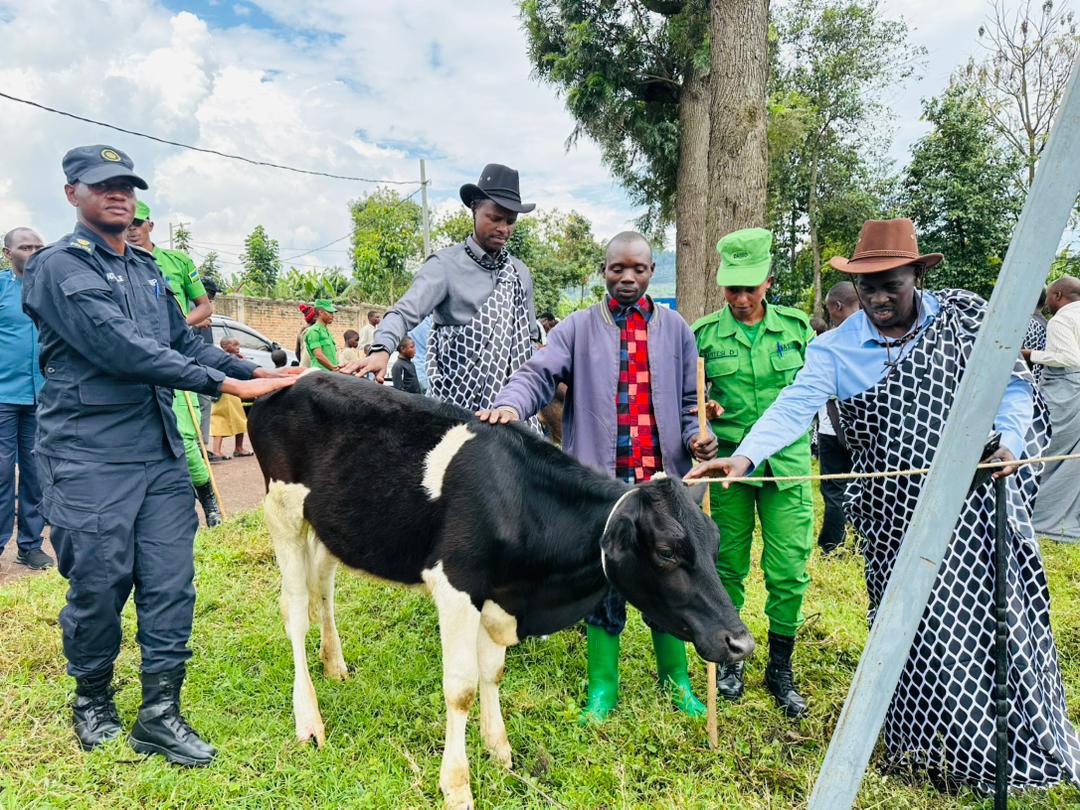
Cow Day highlights livestock transformation as farmers push for higher milk production
By Elias Hakizimana.
Farmers, local leaders, and agriculture stakeholders gathered in Rugerero Sector, Rubavu District on May 21, 2026, for Cow Day, an event aimed at promoting livestock development, improving dairy productivity, and reinforcing the cultural and economic value of cattle in Rwanda.
Originally dubbed “Umunsi w’Inka” in Kinyarwanda, the event was held under the theme: “Inka mu Nganji za Rubavu, Umurage dukomeyeho” (“Cattle at the heart of Rubavu’s heritage: A legacy we proudly uphold”).
Livestock farmers said cattle remain deeply rooted in both culture and household livelihoods, noting that milk production continues to support nutrition and traditional practices such as gucunda amata (traditional milk churning), which is still practiced in some communities.
Cow as a symbol of culture, unity and nutrition
Rugerero Sector Executive Secretary Jeannette Uwajeneza described cattle as a symbol of culture, love, and nutrition, stressing the importance of proper feeding to improve productivity.
“A cow is culture, milk, and love. As we give cows to one another, we must also ensure they are well fed with nutrient-rich fodder,” she said.
Uwajeneza noted that Rugerero Sector currently has 2,209 cows, including 463 distributed under the Girinka “One Cow per Poor Family” programme and 1,746 owned by residents.
Farmers praise Girinka, seek improved feed and veterinary services
Speaking on behalf of livestock farmers, Aimable Kadogo praised the Girinka programme initiated by President Paul Kagame, saying it has transformed livelihoods through livestock redistribution and increased dairy farming.
“We thank the leadership of His Excellency Paul Kagame for the Girinka programme, which has changed lives by giving cows to vulnerable families and helping them build sustainable livelihoods,” he said.
Kadogo also commended investments in dairy infrastructure, including Mukamira milk processing factory, which supports farmers from Rubavu, Nyabihu, Ngororero, and Rutsiro districts.
He praised livestock insurance schemes subsidized by the government, where farmers contribute 60 percent while the state covers 40 percent.
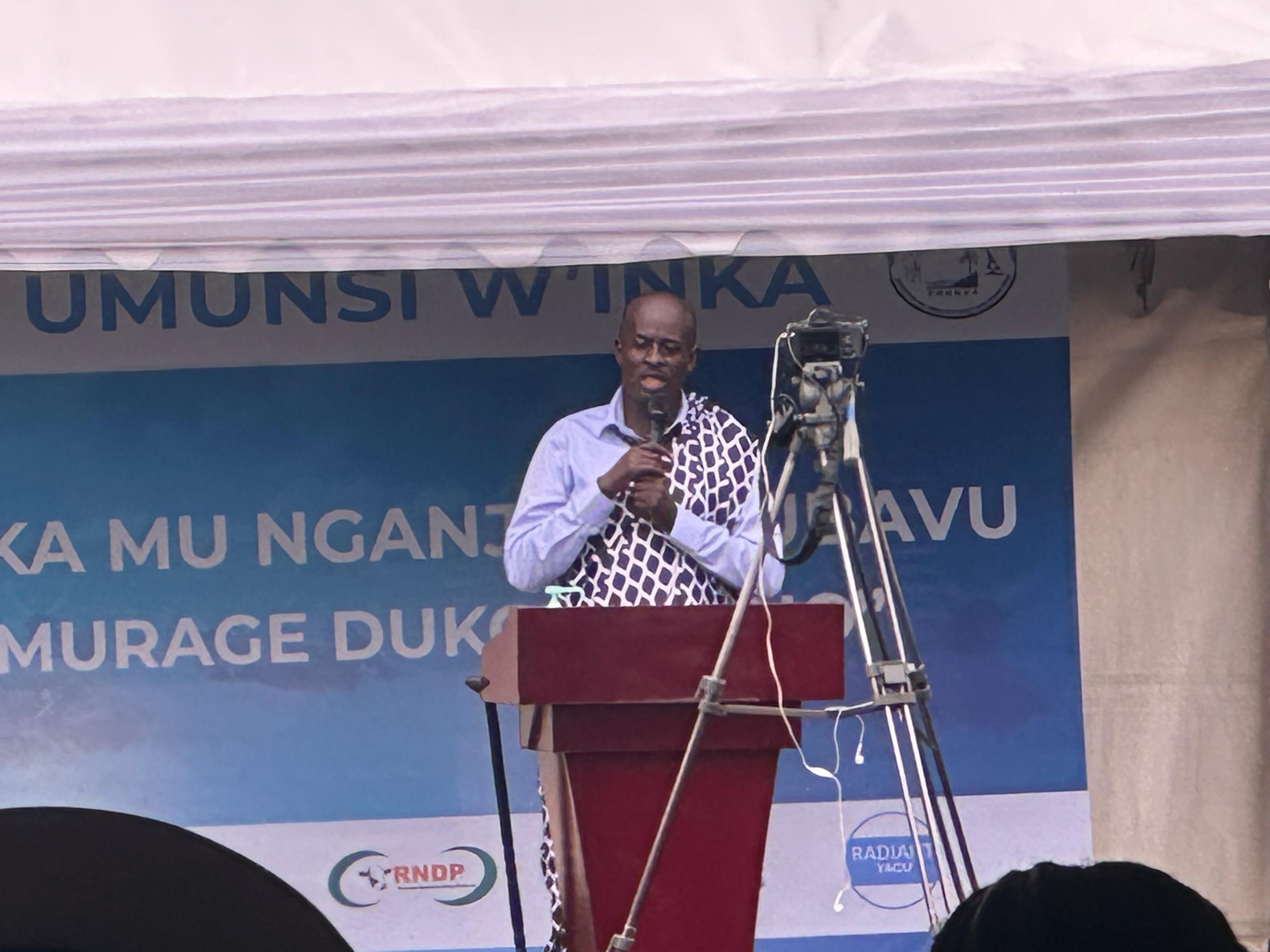
“We appreciate livestock insurance because it protects farmers from unexpected losses. It gives us confidence to invest more in dairy farming,” he said.
However, he raised concerns over shortages of animal feed in Rubavu and called for additional feed processing factories to support dairy farmers.
“We request government support in establishing animal feed factories in Rubavu. Feed shortage remains a major challenge affecting productivity,” he added.
Kadogo also cited persistent mastitis cases among cows, saying some treatments remain ineffective.
“Mastitis remains a challenge. Sometimes available medicines do not fully treat it. We need advanced laboratory support to ensure proper diagnosis and treatment,” he said.
Government targets higher milk production
Rubavu District Mayor Prosper Mulindwa described Cow Day as both a cultural and economic milestone, saying cattle remain a symbol of wealth, trust, nutrition, and Rwanda’s heritage.
“This is not only a celebration, but also an opportunity to assess progress, share knowledge, and improve livestock farming practices,” he said.
The Mayor announced that 34 cows were distributed during the event through the Girinka pass-on model to support vulnerable households.
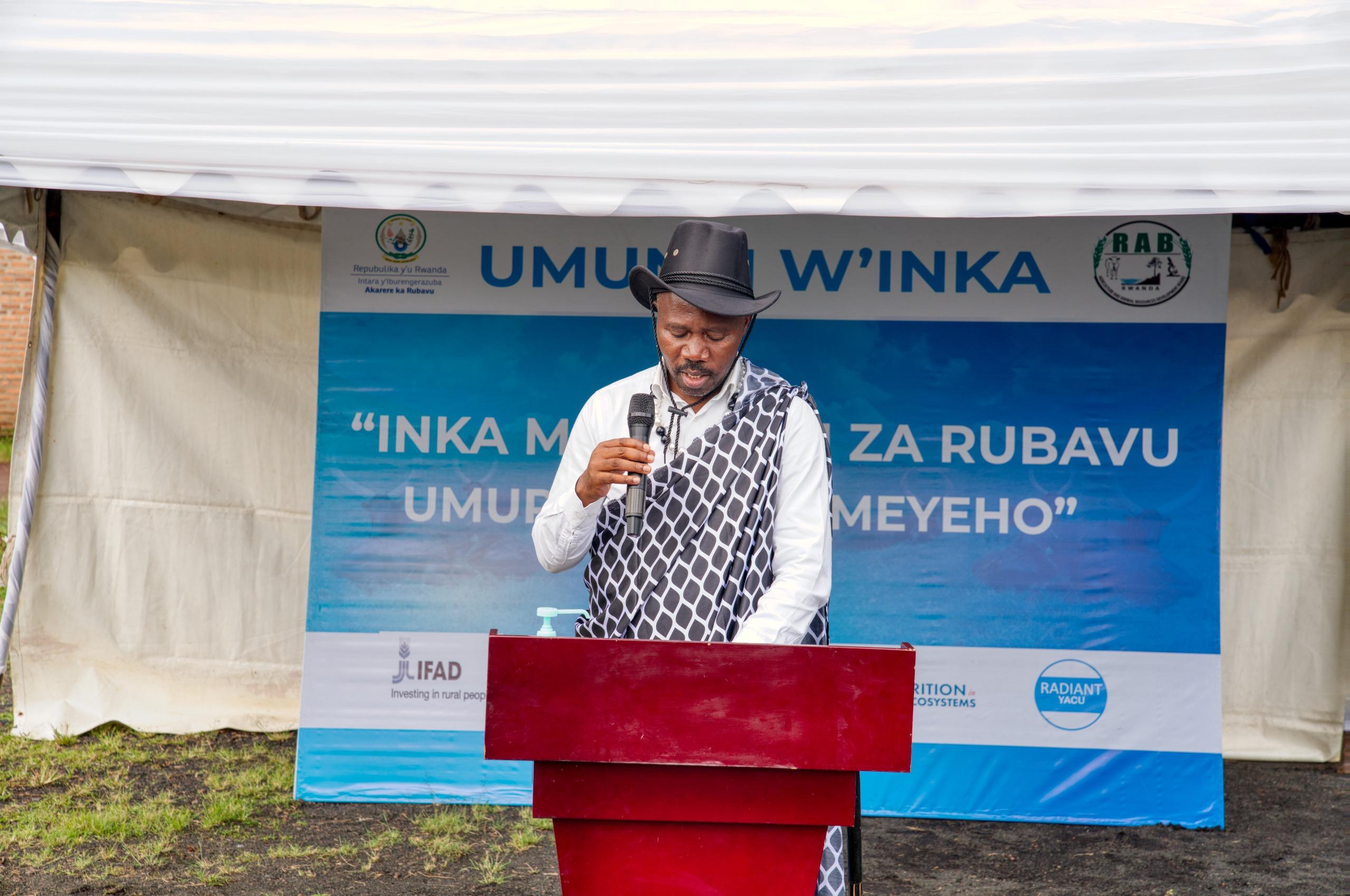
Guest of honour Jean Claude Ndorimana, Director General for Animal Resources Development at the Ministry of Agriculture and Animal Resources (MINAGRI), said Rwanda’s dairy sector has registered remarkable growth since the launch of Girinka in 2006.
“Girinka has transformed lives since 2006. We have moved from about 330,000 litres of milk per day to nearly 2.9 million litres today,” he said.
Ndorimana noted that Rwanda’s cattle population has grown to more than 1.7 million cows, with over 600,000 distributed through Girinka.
He urged farmers to improve hygiene during milking and strengthen disease prevention measures, warning that mastitis remains one of the leading causes of milk losses.
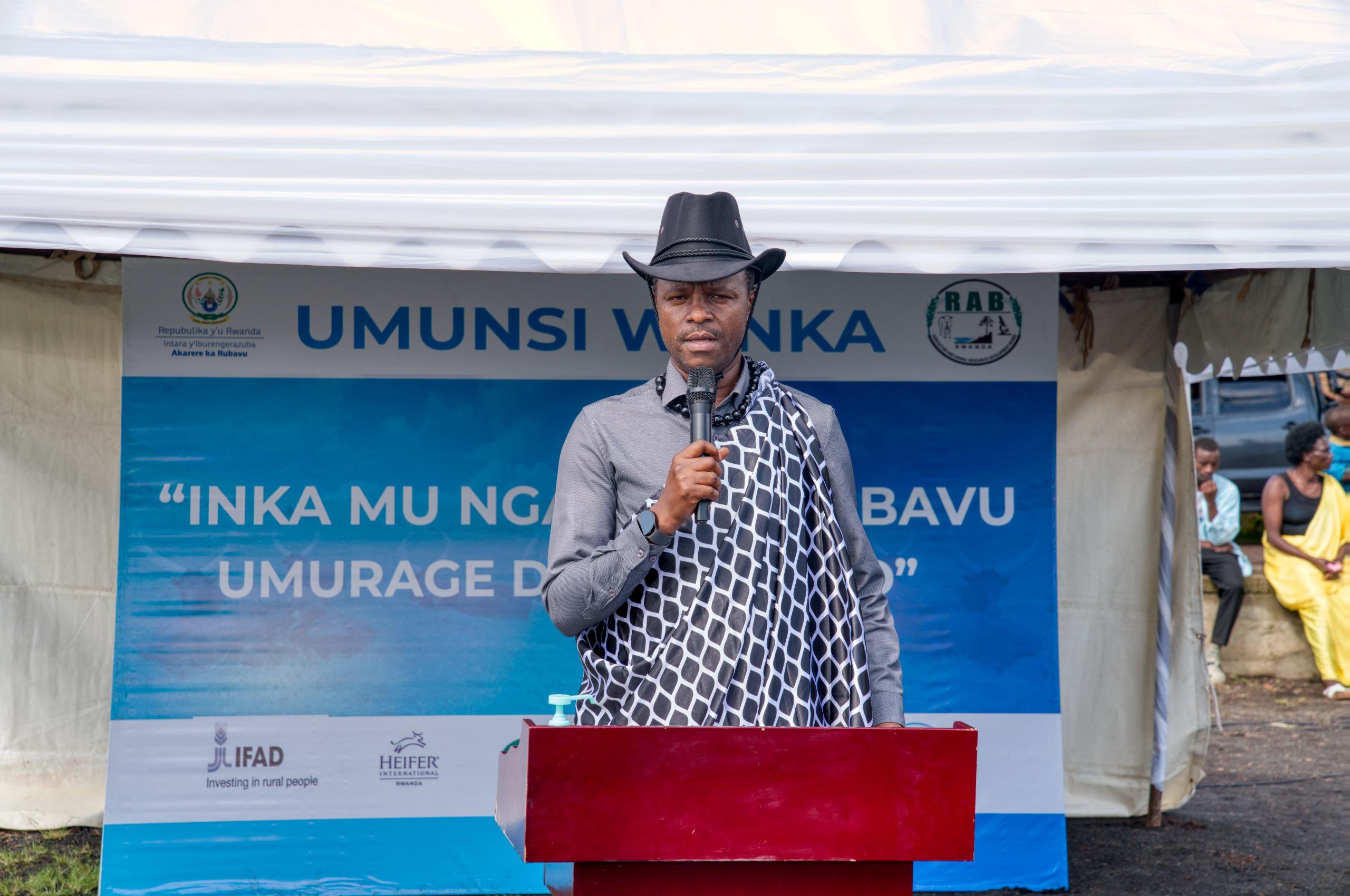
“Clean milking practices are essential. Mastitis remains one of the biggest challenges affecting milk quality and production,” he said.
Ndorimana also encouraged farmers to embrace artificial insemination, livestock insurance, and timely veterinary services, adding that a new veterinary clinic will soon be constructed in Rubavu.
Officials noted that many of the dairy development initiatives are being supported through the Rwanda Dairy Development Project Phase II (RDDP2), a joint initiative between the Government of Rwanda and the International Fund for Agricultural Development (IFAD), implemented under the Rwanda Agriculture and Animal Resources Development Board (RAB).
The project focuses on promoting dairy cattle farming, improving livestock productivity, and strengthening dairy value chains across the country.
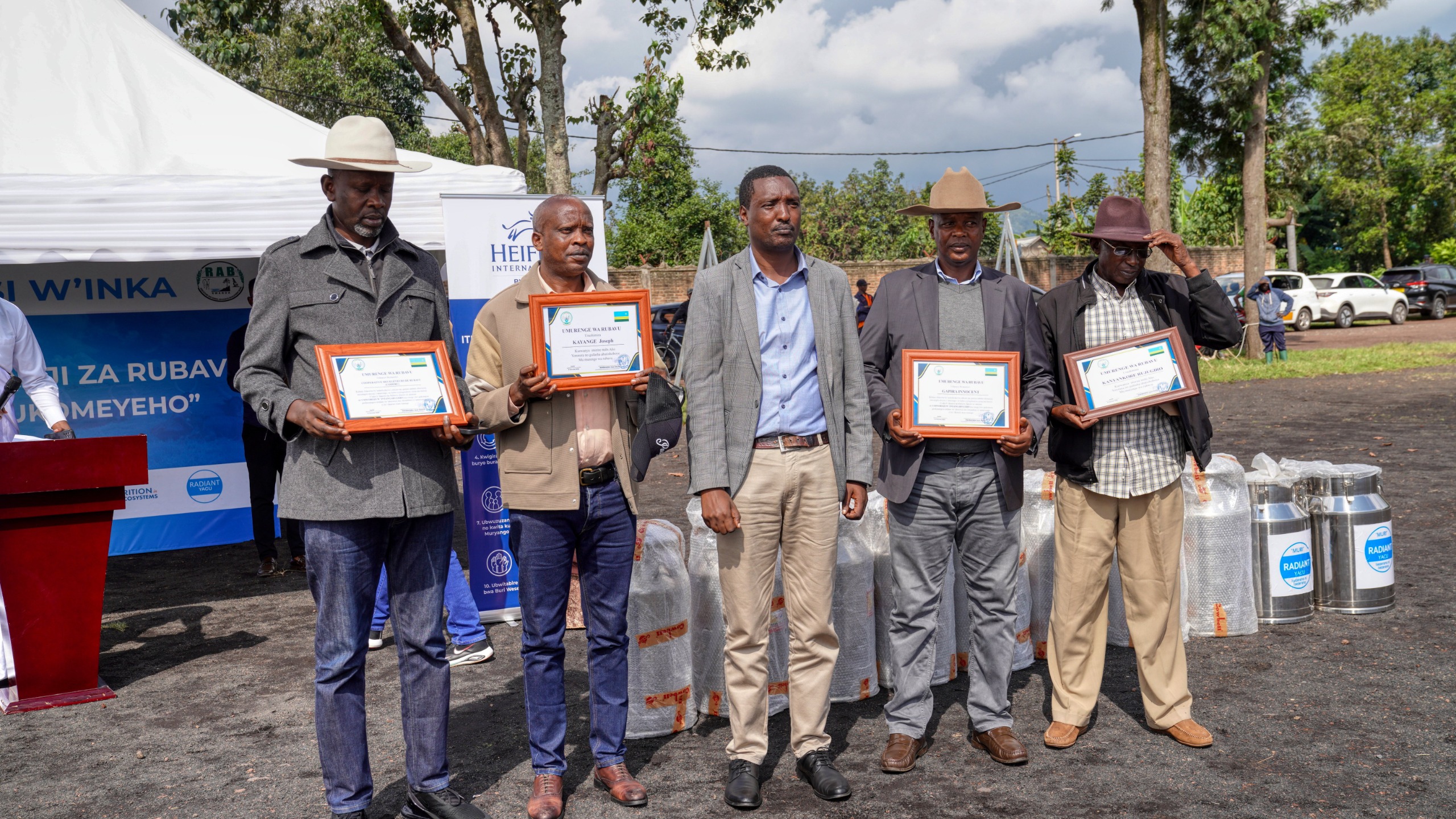
The event concluded with the recognition of model farmers, who received certificates and milk cans for demonstrating best practices in livestock farming.
theinspirerpublications@gmail.com




Leave a Reply