

Bugesera: The need for investing in combating Neglected Tropical Diseases
By Elias Hakizimana.
A time back, many citizens from Ntarama, Mayange and Ruhuha sectors in Bugesera district as well as in the other parts of the Eastern province relied on water from the swamps or lake due to shortage of clean water facilities.
Consumption and use of this contaminated water could cause a variety of health consequences for the families, including Neglected Tropical diseases (NTDs) such as intestinal worms.
Canisius Munyakayanza, 42, and his wife Gertulde Mukashyakafrom Ruhuha sector, testify how this situation put the lives of their families in danger after a long-time using and drinking the water from the swamps.
“You could not find any place having clean water in this neighborhood, I suffered from intestinal worms several times and I could guess my abdominal parts were damaged, all we could have as water was considered a life because we did not have any other choice. Every member of my family from the child to adults suffered from the crisis,” Munyakayanza said.
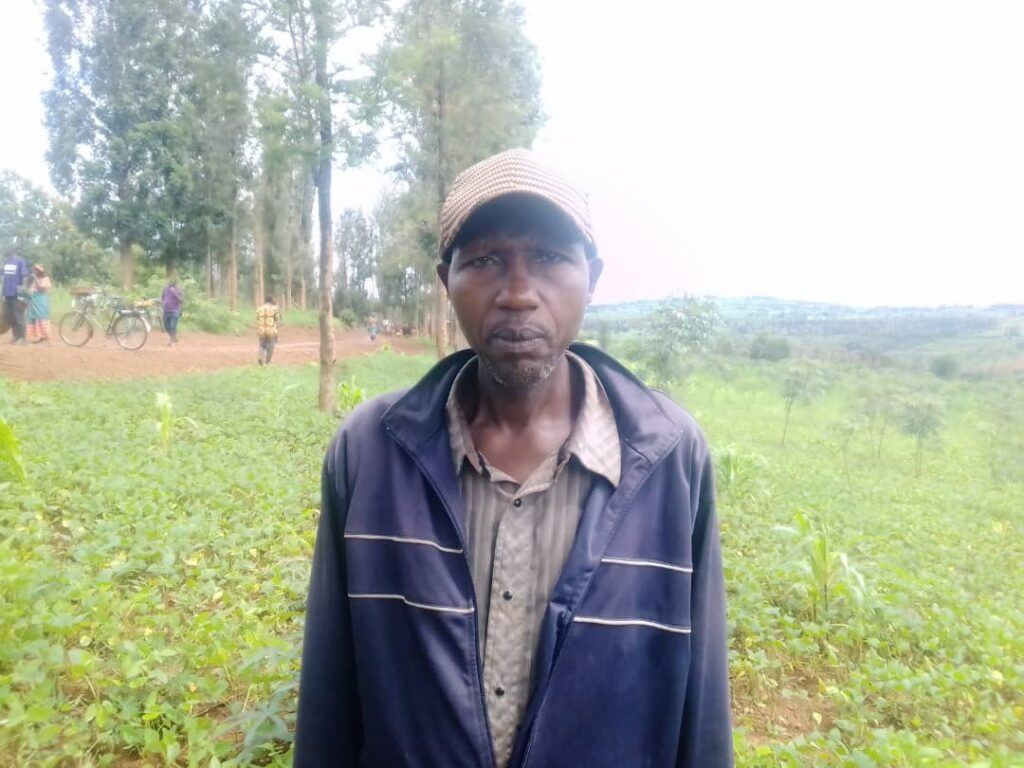
He added that they were struggling to fetch dirty water from Lake Muhazi, walking hours and hours.
This caused poor hygiene and sanitation while children usually delay to attend classes or even do not attend.
Health consequences from inaccessibility to clean water near citizens’ households are reiterated by Mukashyaka, Munyakayanza’s wife, who struggled to take children at health center when they all suffered from intestinal worms.
“A month can’t elapse without going to the health center, we tried to boil water but we could not believe it is clean a hundred percent, children could not even wait for boiled water because they are the ones to fetch it from the swamps or lake Muhazi, so they could drink it any time, everybody including myself suffered the consequences,” Mukashyaka said.
Investing in solutions
Recently, after learning from the burden of Neglected Tropical diseases (NTDs) affecting citizens, Bugesera district’s officials tried to deploy interventions to save the lives of their people.
The district built water facilities that are accessible to citizens across the district in order to beat the diseases and ensure better health outcomes.
Liberatha Mukaniyonzima, a citizen from Kanzenze cell, Ntarama sector in Bugesera district said that they used to pay Rwf200 to buy a jerry can of water after making a long journey to the valley, far from home.
She is now happy after local authorities built a new water facility near her home.
“It was not easy to get enough water to wash hands and abide by hygiene guidelines as the jerry can was Rwf200. With the new water facility, the issue has been solved,” she said.
Meanwhile the beneficiaries wish to have more water facilities so that all people get access to clean water at a short distance from their households.
Jeanne Murekatete, another woman from the Ntarama sector, who benefited from the new water facility said it helped them a lot to save time they used to spend on the street and in the valley waiting for water at the highest price.
She said that her children could adequately suffer from taeniasis and other intestinal worms because of drinking stain water.
“I am now happy that we have got clean water closer our house, my children will no longer face the impacts of drinking stained water. I remember how I used to have allergies after bathing impure water,” Murekatete said.
Private taps boosting water accessibility
Charles Habumugisha, the citizen from Cyeru Village, Kanzenze cell, Ntarama Sector in Bugesera District, installed his own private water tap inside his premises five months ago.
He said that it was a hurdle to walk up to 2 kilometers to fetch stagnant water from Nyirarukobwa valley, adding that the polluted water could cause poor hygiene related diseases such as intestinal worms.
“We could use an hour and half to go and return from the valley, about 2.5 kilometers. That polluted water which we were accustomed to using for drinking, washing and cooking could be the source of many poor hygiene-related diseases,” he said.
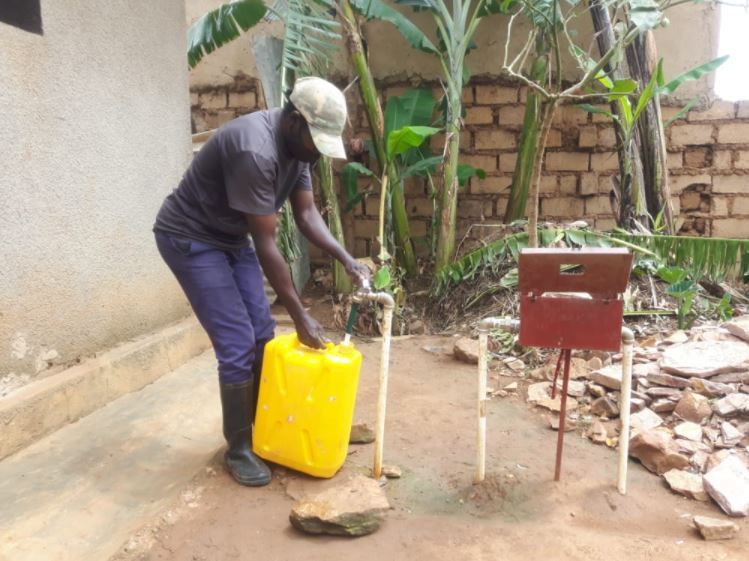
With the access to water, he said they now manage to wash, cook and irrigate the kitchen garden.
“We also arrange with our neighbors where they pay Rwf50 per jerry can,” he said.
Richard Mutabazi, Mayor of Bugesera district, said that some water facilities were established to solve health issue as many citizens could suffer NTDs.
He said that water scarcity was an issue where the district was relying on one water treatment plant of Ngenda, providing 3,200 cubic meters daily.
“Prior to the Covid-19 pandemic, we inaugurated Kanyonyomba water treatment plant located in Gashora sector, with the capacity to store 5000 cubic meters. This has complemented the one of Ngenda,” he said.
Recently, the district also launched the Kanzenze water treatment plant in Ntarama sector that provides 10,000 cubic meter every day. The solution evolved to over 18,000 cubic meters to 30,000 and 40,000 cubic meters through the Kigali Bulk Water Supply Project that was launched in Kanzenze to extract groundwater from the southern bank of River Nyabarongo. The project is expected to accelerate the government’s plans towards achieving the target of universal access to clean water by 2024.
theinspirerpublications@gmail.com




Leave a Reply