
GLIHD trains justice officers to strengthen response to sexual and reproductive rights violations
By Elias Hakizimana.
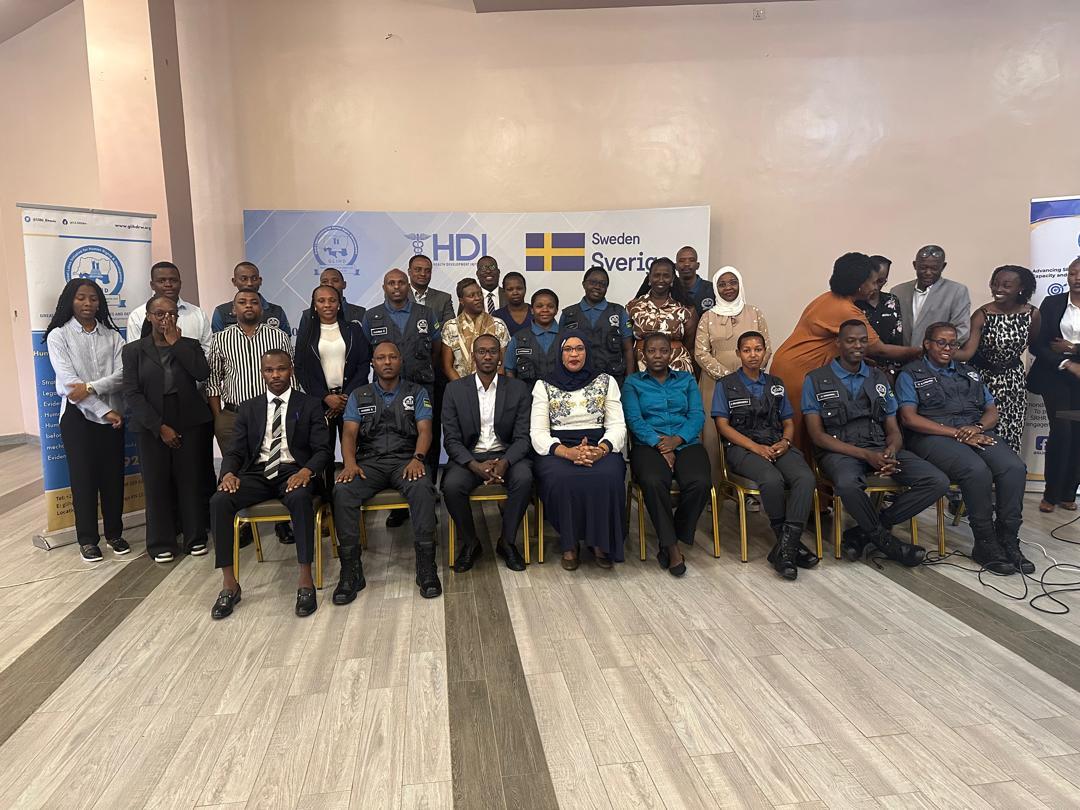
The Great Lakes Initiative for Human Rights and Development (GLIHD) has launched a two-day training in Kigali to strengthen the capacity of justice and law enforcement officers to investigate and respond to violations of sexual and reproductive health and rights (SRHR).
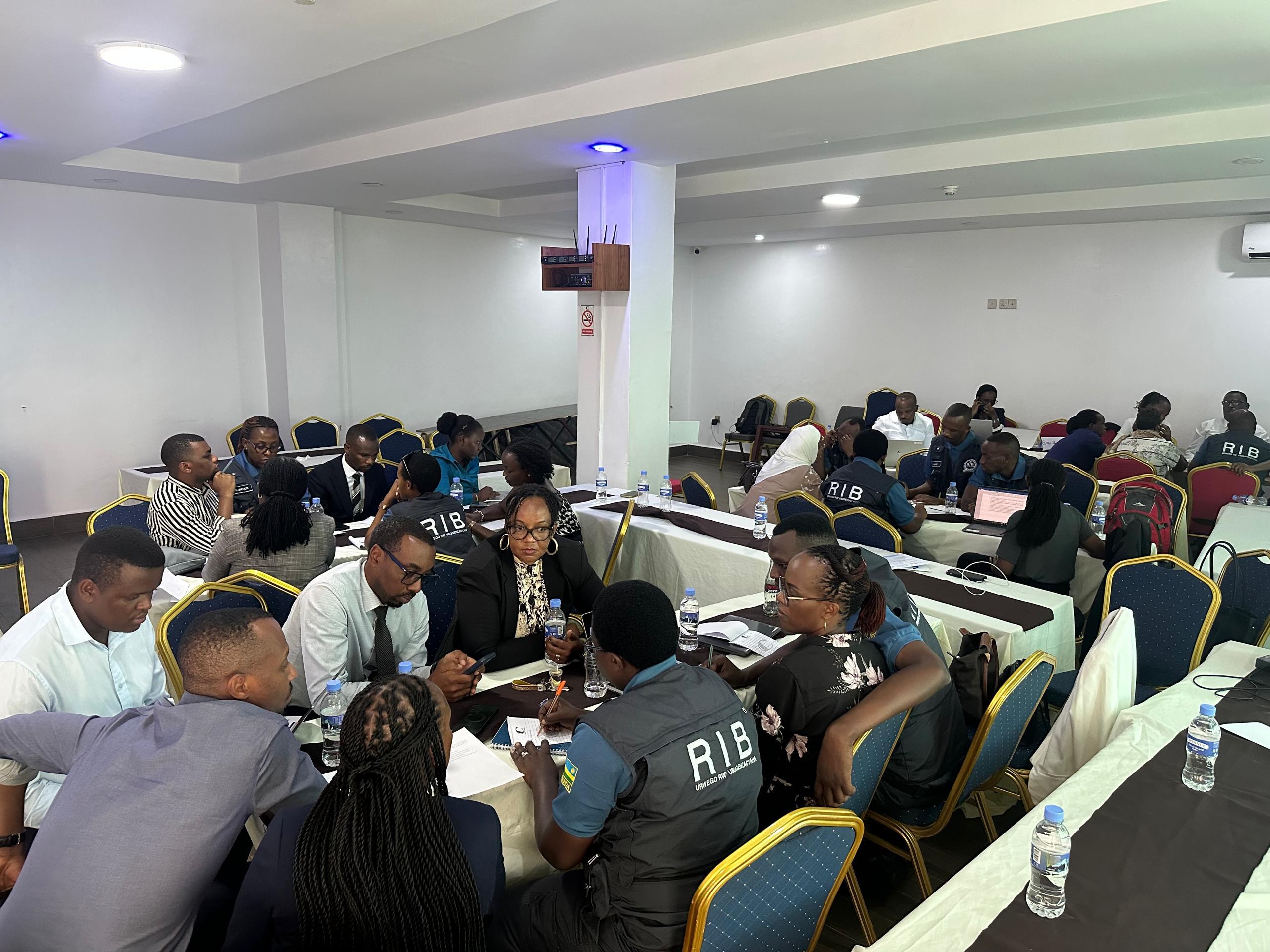
The training, running from October 15 to 16 in Kigali, brings together personnel from the Rwanda National Police, Rwanda Investigation Bureau (RIB), National Public Prosecution Authority (NPPA) and Rwanda Correctional Service.
It focuses on applying human rights standards and national laws in SRHR-related cases, including improving investigations, evidence management, prosecution and the protection of survivors.
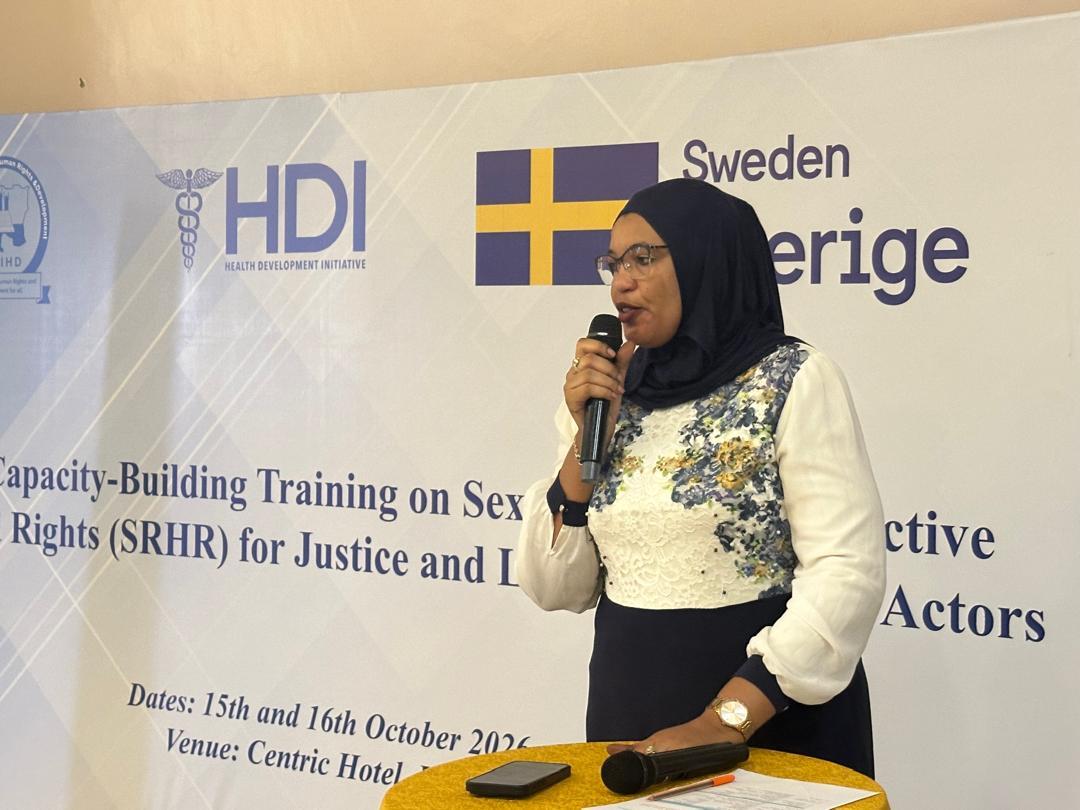
Opening the training, Vestine Umulisa, Executive Director of GLIHD, said the meeting was intended to bring stakeholders together to examine existing efforts to protect sexual and reproductive health and rights and identify areas requiring improvement.
“We wanted to discuss together what is being done and what has been done in relation to sexual and reproductive health and rights,” Umulisa said.
She referred to Rwanda’s commitments under the Protocol to the African Charter on Human and Peoples’ Rights on the Rights of Women in Africa, commonly known as the Maputo Protocol, which sets out obligations for states to promote and protect women’s rights, including sexual and reproductive health.
Umulisa said the training provided an opportunity for participants to reflect on how these commitments are being implemented and consider ways to strengthen their practical application.
Different legal thresholds raise questions about implementation
One issue that illustrates the importance of legal clarity is the relationship between different age thresholds in Rwanda’s legal framework governing sexual and reproductive health, consent and marriage.
A presentation prepared for a judiciary briefing identifies three thresholds: 15 years for access to certain sexual and reproductive health services and contraception without parental consent; 18 years for majority and sexual consent, as described in the presentation; and 21 years as the marriageable age under the cited legislation, subject to the stated authorisation procedure.
These thresholds relate to different legal questions and should not automatically be interpreted as conflicting rules. However, they raise an important question for legal practitioners: how should the relevant provisions be interpreted and applied when a case involves a young person’s access to health services, alleged sexual offences or questions of marriage?
For investigators and prosecutors, understanding the distinction between these legal frameworks is important when assessing allegations, collecting evidence and determining which laws apply. Courts must also interpret the relevant provisions in accordance with the legislation and applicable human rights standards.
The training offers an opportunity to examine how such questions should be handled in practice. The precise scope of each threshold, including the laws cited in the presentation and any applicable exceptions, should be confirmed against the original legal texts.
 A graphic highlighting three age thresholds identified in a judiciary briefing on Rwanda’s sexual and reproductive health and rights framework: 15 for specified health-service access, 18 for majority and sexual consent as described in the presentation, and 21 for marriage under the cited legislation. The legal scope and application of each threshold should be verified against the relevant laws.
Strengthening survivor-centred justice
Dr Athanase Rukundo, who works in clinical and public health governance at the Ministry of Health, highlighted communication barriers that adults in communities may encounter when seeking sexual and reproductive health services.
He called on participants to share the knowledge and messages acquired during the training with colleagues across the country, helping extend awareness beyond those directly attending the sessions.
The training comes amid continuing challenges in responding to sexual and gender-based violence, discrimination, violations of bodily autonomy and barriers to accessing sexual and reproductive health services.

GLIHD says effective responses require justice and law enforcement personnel to understand applicable legal frameworks and apply them throughout the process of identifying violations, collecting evidence, conducting investigations and prosecuting cases.
A key focus is the adoption of survivor-centred approaches that protect dignity, privacy and safety. Survivors may face stigma, fear, trauma and concerns about confidentiality, which can discourage them from reporting violations or participating in justice proceedings.
Participants are therefore expected to strengthen their understanding of confidentiality, the protection of survivors and witnesses, the prevention of further harm, and referral mechanisms available to people seeking assistance.
The programme also examines barriers to accessing justice and the importance of coordination among police officers, investigators, prosecutors and correctional institutions in handling cases.

Sessions combine presentations, facilitated discussions, case studies and practical exercises to help participants understand relevant legal standards and apply them to professional situations.
The training is being conducted under GLIHD’s project, Advancing SRHR Justice: Strengthening Legal Capacity and Public Interest Litigation in Rwanda, with financial support from the Swedish International Development Cooperation Agency (Sida) through Health Development Initiative (HDI).
The project aims to strengthen access to justice and legal protection for people affected by sexual and reproductive health and rights violations in Rwanda.
Established in 2011, GLIHD is a Rwandan human rights organisation involved in strategic litigation, social justice, research, advocacy, human rights monitoring and capacity building for civil society organisations.
The training is expected to strengthen the ability of justice and law enforcement institutions to handle SRHR-related cases in accordance with human rights standards and improve access to protection and legal remedies for affected individuals.
theinspirerpublications@gmail.com



Leave a Reply