

How Rwanda’s participation in Asia’s literary giant reveals urgent lessons for Africa’s book trade
- Chennai Book Fair: A Wake-Up Call for African Publishing
By Gasana Mutesi
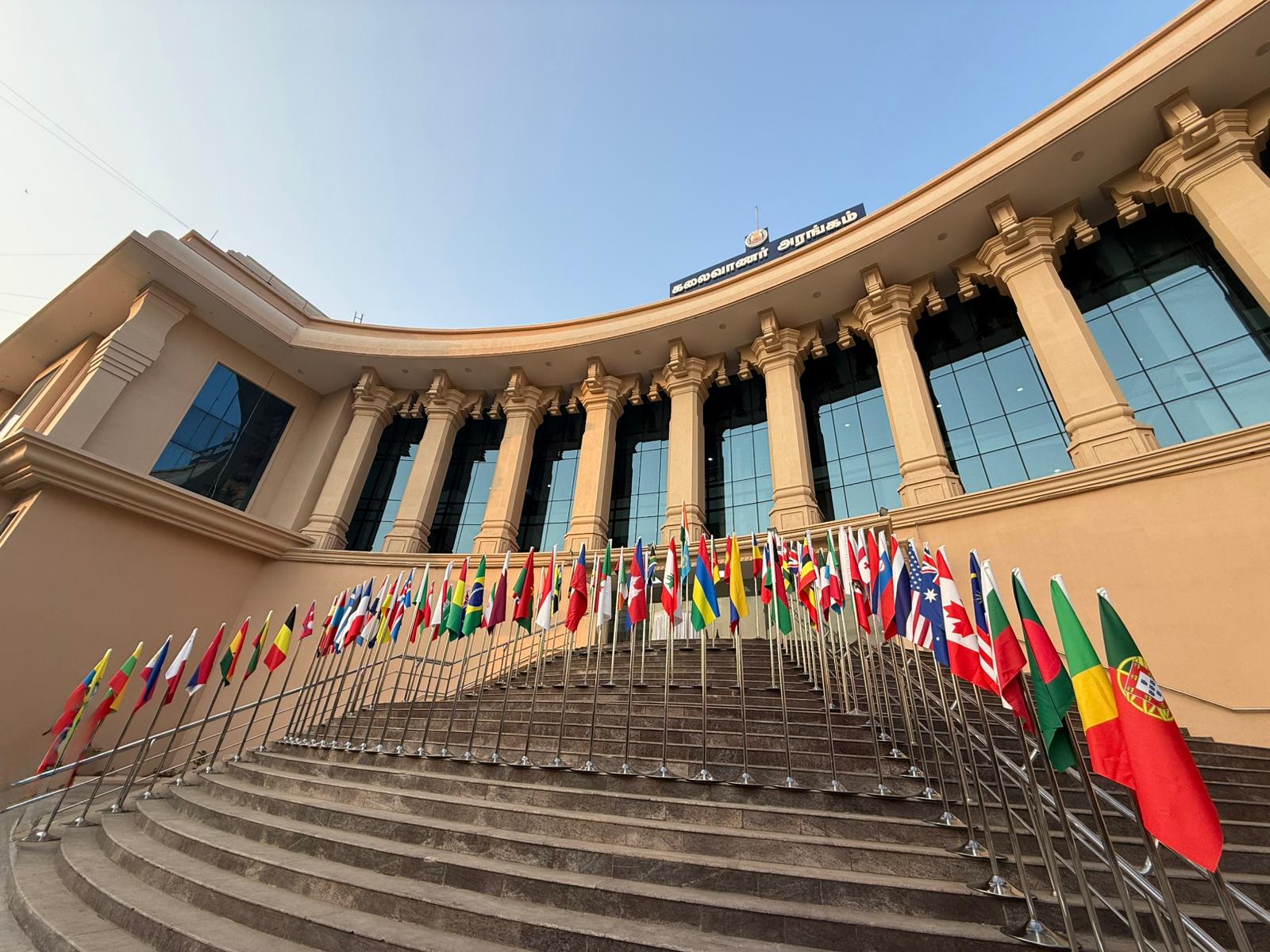
CHENNAI, India – Among 100 delegates from 100 countries converging on the sprawling Chennai International Book Fair this January, I carried a singular mission: to showcase Rwandan literature and to learn how Africa can finally claim its rightful space in the global book trade.
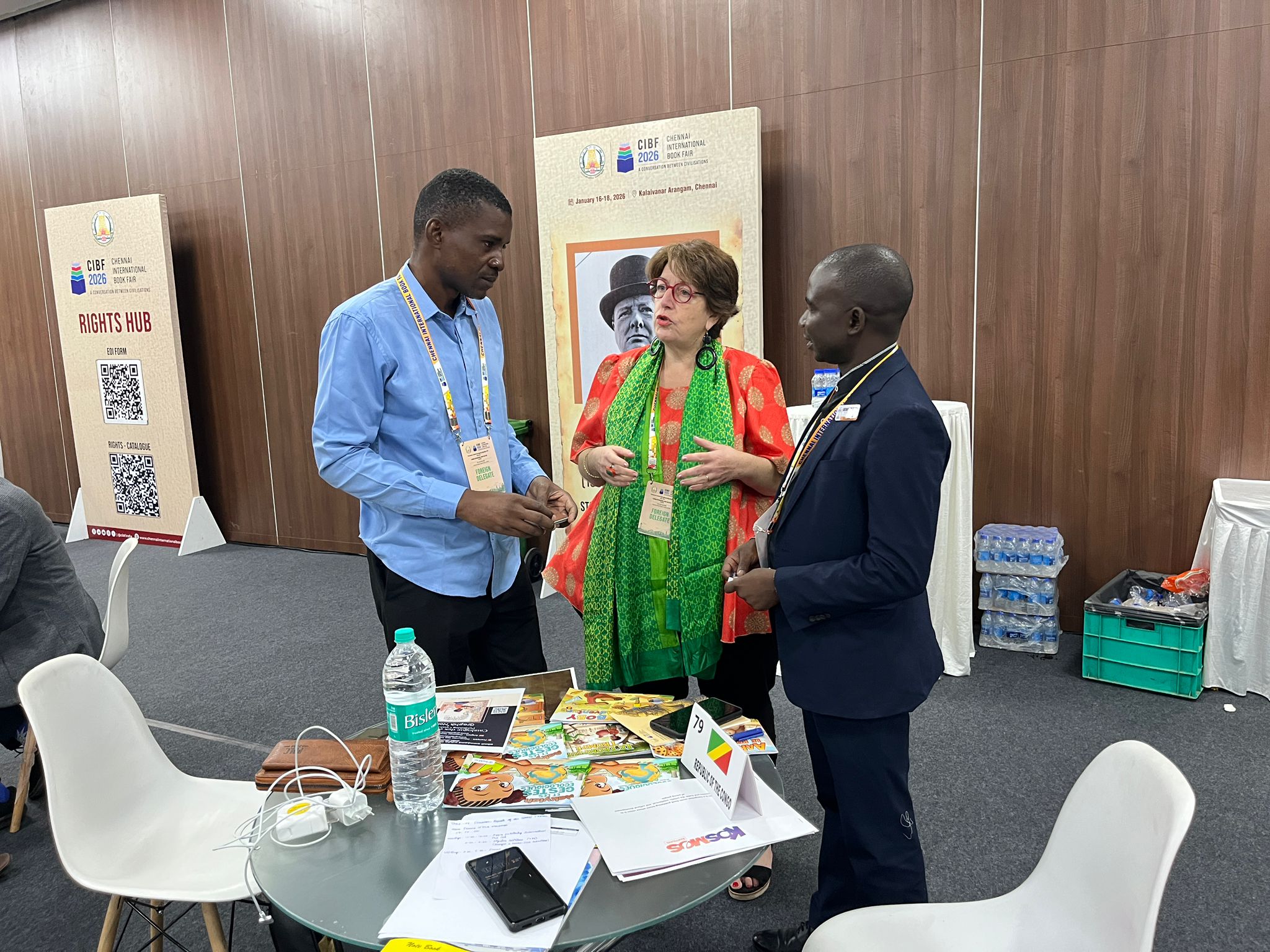
At least 19 African publishers from Francophone Africa participated in the event with the support of Agnès Debiage, a consultant in African publishing. The gathering provided a valuable platform for dialogue, networking, and the exploration of potential collaborations. Beyond showcasing Tamil culture to the world, Chennai also emerged as a global meeting point where diverse publishing communities connected and exchanged ideas.
What I witnessed was both inspiring and sobering. Tamil authors, once confined to regional readership, now command international audiences. Their books sit on shelves from London to New York, translated into dozens of languages. Meanwhile, African literature: rich, diverse, urgent, remains largely invisible beyond the continent’s borders.
The question that haunted me throughout the fair was simple: If Tamil writers can do it, why can’t we?
The Tamil Model: From Regional to Global
The success of Tamil literature didn’t happen by accident. It resulted from deliberate strategy: aggressive translation programs, diaspora engagement, government-backed publishing initiatives, and systematic participation in international book fairs. Tamil publishers didn’t wait for the world to discover them; they built the bridges themselves.
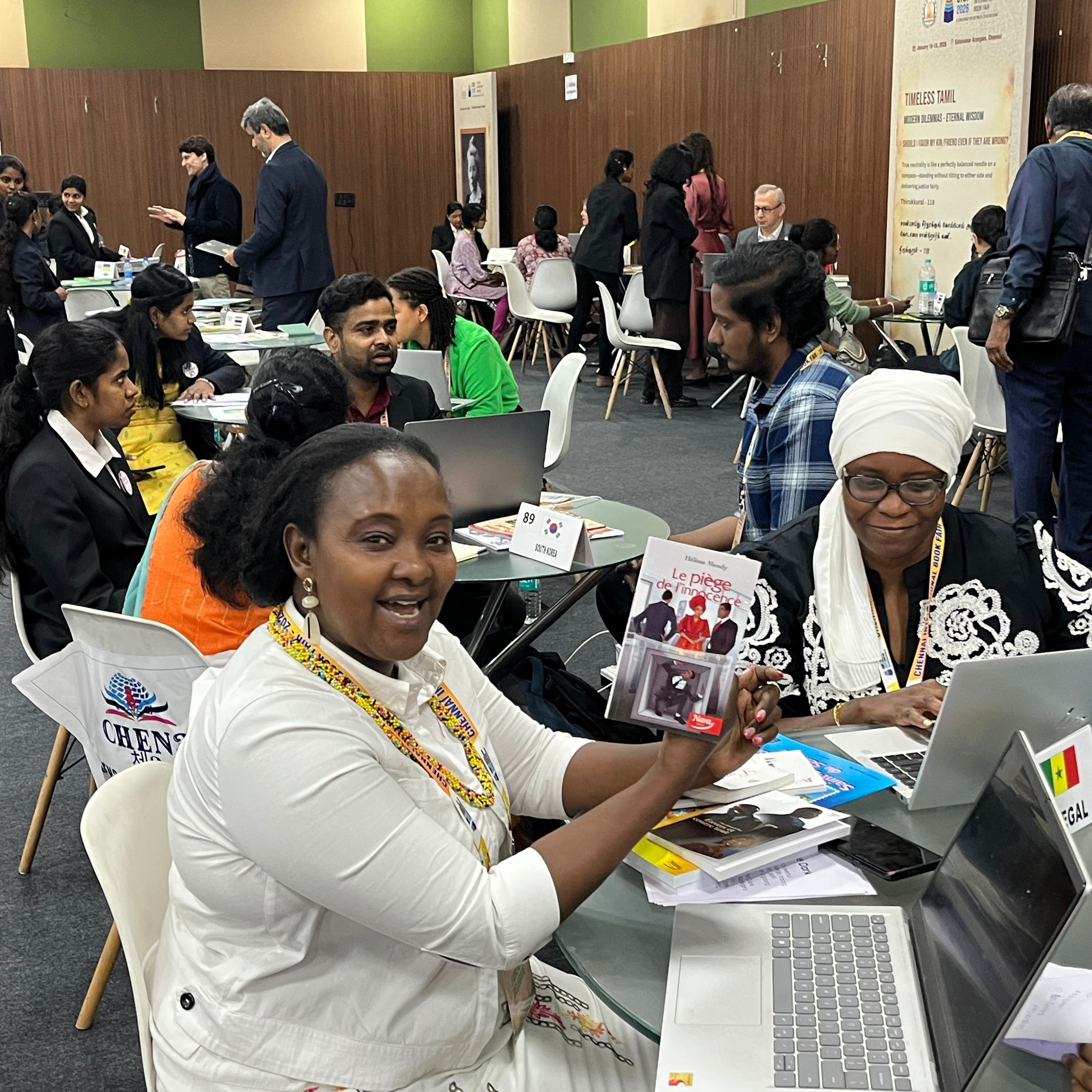
Walking through the fair’s conference, speed dating and exhibition halls, I saw what intentional literary infrastructure looks like. Publishers negotiating rights deals, Translators connecting authors across languages. Distributors mapping out global supply chains. This wasn’t just a book fair it was a marketplace where literature became commerce, and culture became currency.
For Rwanda and the broader African continent, the contrast is stark. Our stories are powerful, our voices authentic, but our infrastructure is fragile. We celebrate our authors at home but struggle to get their books into international hands.
Rights Trading: The Missing Link
The Chennai fair reinforced a critical lesson: book fairs must be transactional, not just ceremonial. They should be spaces where rights are bought and sold, where translation deals are signed, where distribution networks are forged.
Currently, African participation in international book fairs is often symbolic. We showcase our books, host panel discussions, celebrate our heritage—but we rarely close deals. We lack the publishing infrastructure, the translation funds, and the rights-trading expertise that make events like Chennai, Frankfurt, and London genuine game-changers for participating nations.
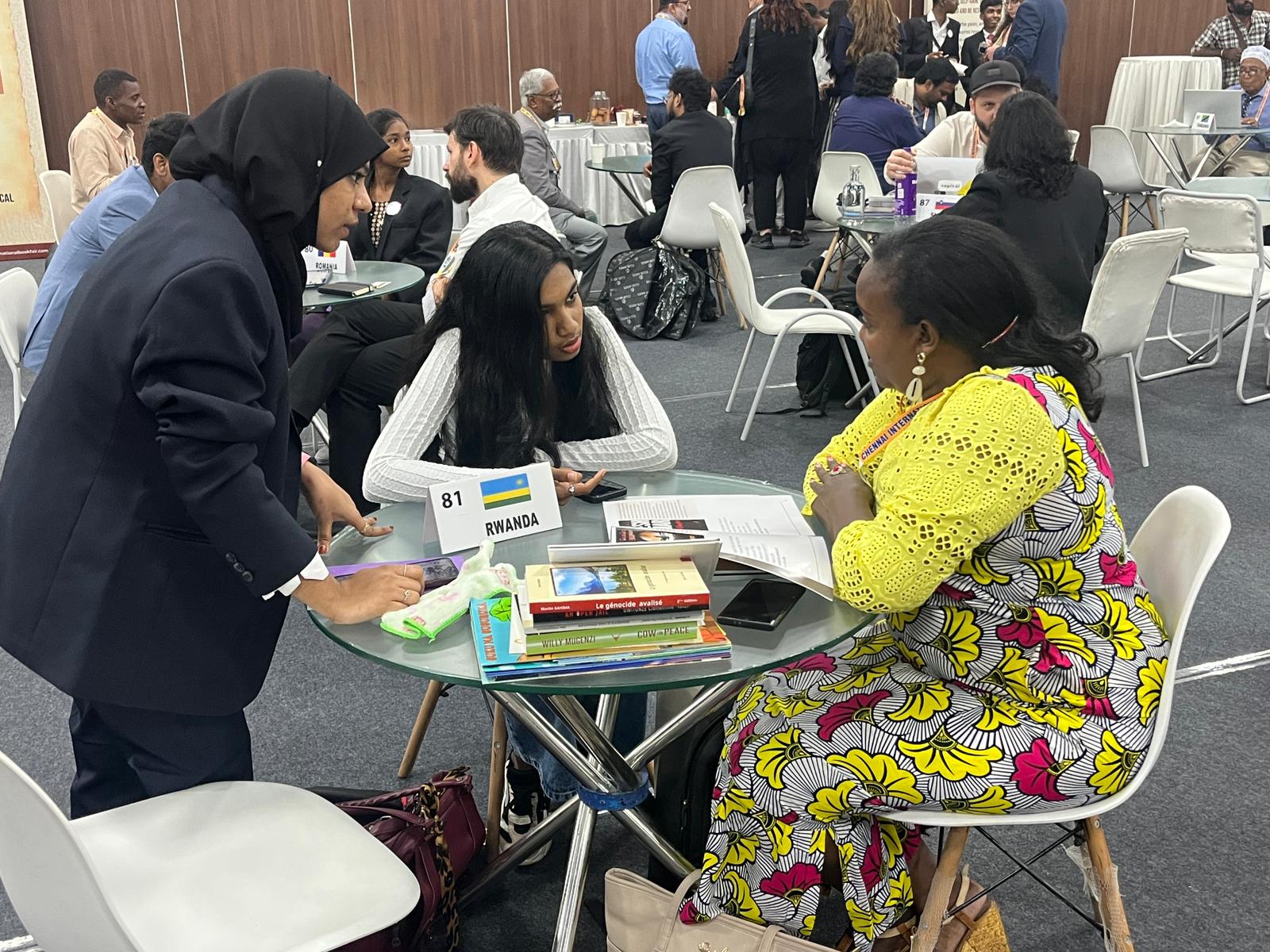
During my time at Chennai, I actively sought opportunities to acquire Tamil literature for Rwandan readers while pitching our own titles to international publishers. The interest was genuine, but the mechanisms to facilitate these exchanges remain underdeveloped. African publishers need training in rights negotiation, access to translation grants, and stronger connections to global distribution networks.
What Rwanda and AfricaMust Do
First, we must professionalize our approach to international book fairs. This means sending not just authors and cultural ambassadors, but publishers, rights managers, and translators equipped to do business.
Second, African governments must recognize literature as economic and diplomatic capital. Translation grants, export subsidies for publishers, and institutional support for rights trading should be standard policy tools just as they are in Tamil Nadu, Germany, and the UAE.
Third, we must strengthen our own platforms. Diverse International Book Fairs and Festivals have potential, but they need to evolve into genuine rights-trading hubs where international publishers come not just to observe African literature, but to buy it.
Fourth, we need African publishing consortiums that can negotiate collectively with global distributors, reducing costs and increasing bargaining power for individual publishers who cannot compete alone.
Beyond Showcasing: Building Markets
The Chennai experience taught me that visibility without accessibility is hollow. It’s not enough for African books to be displayed at international fairs if readers cannot easily buy them. We need robust distribution partnerships, competitive pricing strategies, and formats especially digital that reach global audiences.
I left Chennai with several promising contacts: Tamil publishers interested in African literature, translators willing to work on Kinyarwanda texts, distributors exploring African markets. But I also left with urgency. Every year we delay building serious literary infrastructure is another year African voices remain marginalized in global conversations.
A Call to Action
The next generation of Rwandan and African readers deserves access to world literature including the rich traditions of Tamil, Arabic, Asian, and European writing. Simultaneously, the world deserves access to African stories told by African voices.
Book fairs like Chennai offer a blueprint. They show what’s possible when governments, publishers, and cultural institutions collaborate with clear commercial objectives. They demonstrate that regional literature can become global literature when the right systems are in place.
Rwanda has the creativity, the stories, and increasingly, the ambition. What we need now is the infrastructure. The Chennai International Book Fair wasn’t just an exhibition it was a masterclass in what African publishing could become if we commit to building it.
The question is no longer whether African literature deserves a global audience. The question is: when will we build the systems to deliver it?
Gasana Mutesi is a publisher, author, and literary champion based in Kigali, Rwanda. She represented Rwanda at the 2026 Chennai International Book Fair as part of a 100-country delegation.




Leave a Reply