
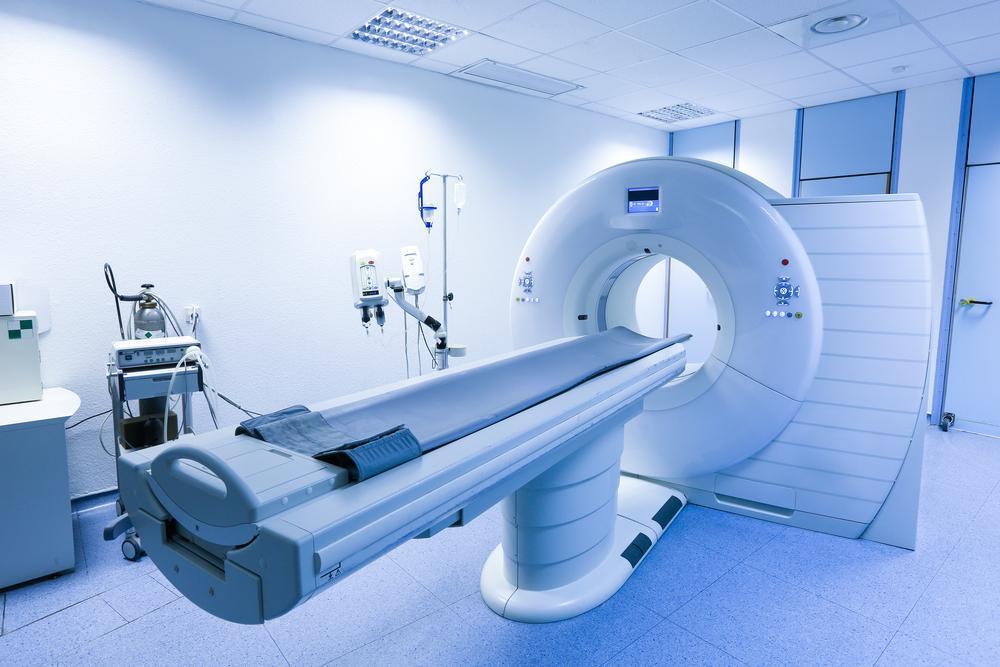
Rwanda invests Rwf 948.5 billion in health sector over two years
By The Inspirer.
Kigali – Rwanda’s health sector has received Rwf 948.5 billion in investments between the 2020/2021 and 2022/2023 fiscal years, according to the Ministry of Health (MINISANTE). The spending is part of the government’s efforts to strengthen healthcare systems and improve service delivery.
The details are contained in the Rwanda Health Resource Tracking Report, released in June 2025. The report analyzes sources of health financing, expenditure priorities, and progress toward sustainability, highlighting areas of growth and gaps that remain.
Rising Investments but Smaller Share of GDP
The report shows that Total Health Expenditure (THE) increased from Rwf 739 billion to Rwf 948.5 billion during the period under review. However, as a percentage of the Gross Domestic Product (GDP), health spending fell from 6.8% to 5.8%, a sign of improving health outcomes amid broader economic growth.
Domestic investment in health increased from 60% to 63%, while donor support declined from 40% to 37%. Household out-of-pocket spending also dropped from 5% to 4% between 2021/2022 and 2022/2023, reducing financial pressure on families.
Primary Health Care Prioritized
Primary Health Care (PHC) continued to dominate health spending, accounting for between 67% and 69.7% of the total budget, reaching Rwf 594.6 billion in 2022/2023. The government’s contribution to PHC rose from 40.5% in 2020/2021 to 45.9% in 2022/2023, while donor funding decreased to 41.2%. Private sector contributions held steady at 13%.
Infrastructure investment grew mainly due to higher donor support, which rose from 42.5% to 55.4%. Conversely, the government’s share fell from 32.5% to 18.7%. Spending on medical equipment rose to 45% of investments in 2022/2023, while infrastructure projects dropped to 43.4%.
Health Insurance and Specialized Care
Health insurance spending increased from Rwf 151.47 billion to Rwf 191.08 billion. Community-based health insurance (Mutuelle de Santé) accounted for 47% of this amount in 2022/2023, compared to 41% from primary healthcare providers. Private insurance remained stable at 12%.
Spending on maternal, child, and adolescent health rose significantly from Rwf 114.9 billion (16.9%) to Rwf 195.1 billion (22.9%). However, funding for infectious diseases fell from Rwf 72.6 billion to Rwf 63.6 billion. Non-communicable disease (NCD) investment dropped sharply by 64% to just Rwf 9.9 billion, highlighting a financing gap in tackling chronic illnesses.
Looking Ahead
The report shows preventive and promotive healthcare maintained a share of 30%–33%, while curative services increased from 23% to 29%.
The findings are based on data from the Health Management Information System (HMIS), the Integrated Financial Management Information System (IFMIS), and inputs from development partners and the private sector.
Under the second phase of the National Strategy for Transformation (NST2), the Government of Rwanda has pledged to continue prioritizing the health sector. By 2029, the country plans to quadruple its health workforce and enhance services for mothers, children, and newborns.




Leave a Reply