
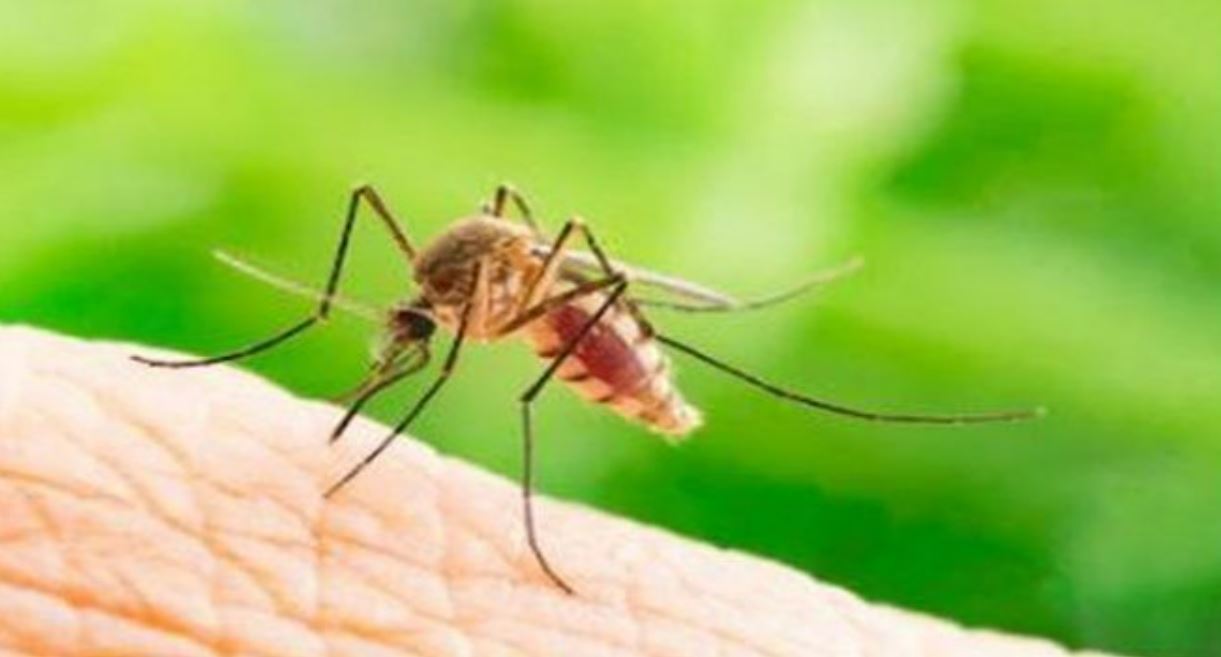
Home screenings reveal hidden malaria burden as Rwanda ramps up fight against the disease
By The Inspirer.
A pioneering home-based malaria surveillance program in Rwanda has uncovered a hidden burden of the disease, with nearly one-third of patients testing positive despite never visiting health facilities, according to the Rwanda Biomedical Centre (RBC).
The findings come amid a renewed national effort to tackle a surge in malaria infections, which have surpassed 800,000 cases since the start of 2024. In April alone, over 94,000 new cases were recorded—an alarming rise driven in part by prolonged seasonal rains.
Dr. Aimable Mbituyumuremyi, Director of the Malaria and Neglected Tropical Diseases Division at RBC, told The New Times that the new approach involves tracing confirmed malaria cases at the household level and proactively testing family members—even those without symptoms.
“Through this strategy, we discovered that 30% of people tested in their homes had malaria despite never seeking treatment or showing symptoms,” Dr. Mbituyumuremyi said. “This silent spread is what we aim to stop.”
Launched initially in Kigali, the program has since expanded to malaria-prone districts such as Gisagara, Bugesera, and Nyagatare. The intervention is helping health workers detect and treat cases early, reducing the risk of severe illness and further transmission.
In March, Gasabo District topped the national charts with over 13,000 malaria cases, followed by Gisagara (11,000) and Kicukiro (9,000). Altogether, 15 of Rwanda’s 30 districts accounted for 85% of all reported infections that month.
Despite its success in uncovering undiagnosed cases, the program faces operational hurdles. “Sometimes when we visit households, people are away at work, which delays the screening,” Dr. Mbituyumuremyi noted. This has increased the workload for community health workers, who are tasked with follow-ups and mobilizing residents for screening.
RBC is urging the public to support prevention efforts by consistently using insecticide-treated mosquito nets, eliminating stagnant water around homes, and seeking early medical attention at the first sign of illness.
“Malaria remains a preventable and treatable disease, but we must all play a role in stopping it,” Dr. Mbituyumuremyi emphasized.
As Rwanda intensifies its surveillance and community engagement strategies, health officials hope to not only curb the spread of malaria but also build resilience against future outbreaks.



Leave a Reply