
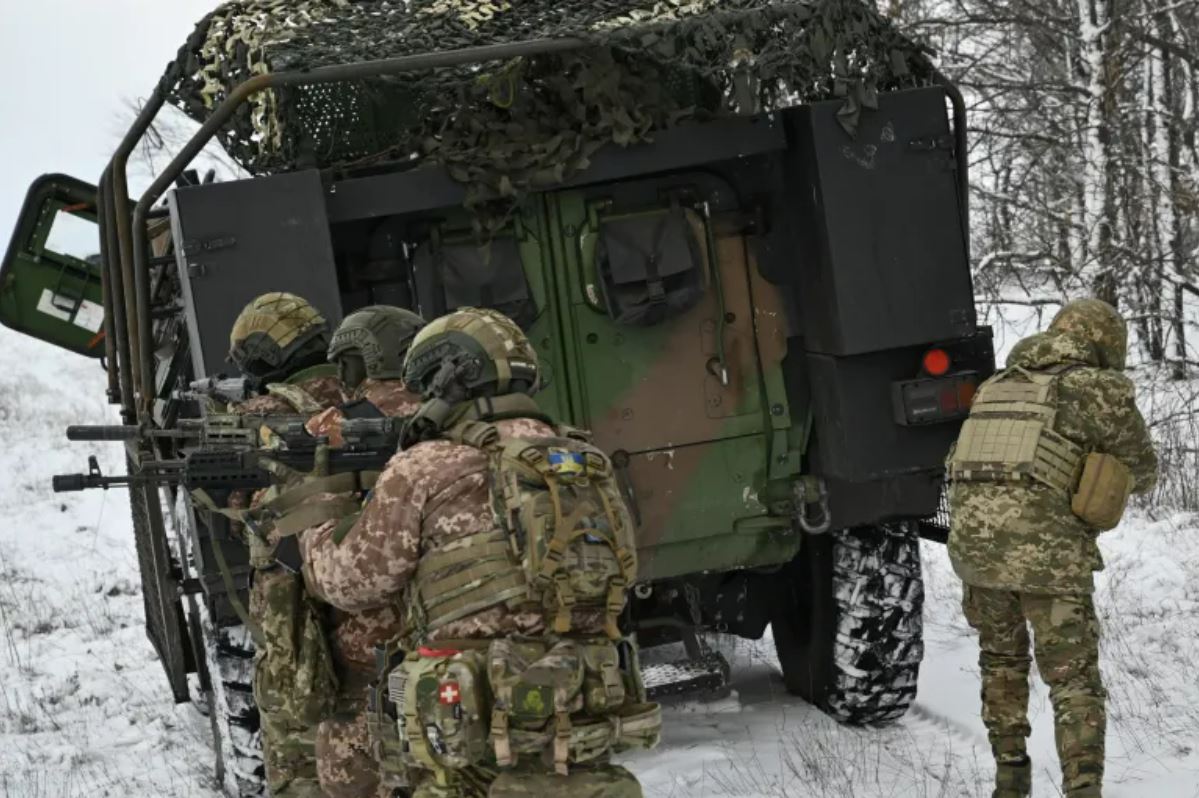
Three years of war: The global impact of Russia’s invasion of Ukraine
By Elias Hakizimana.
Today, February 24, 2025, marks the third anniversary of Russia’s full-scale invasion of Ukraine—an event that has reshaped global geopolitics, fueled instability, and had far-reaching consequences, including for Africa.
Since February 24, 2022, Russia’s continued aggression has led to thousands of civilian casualties, a humanitarian crisis, and economic turmoil worldwide. As the war enters its fourth year, the prospects for peace remain uncertain.
Despite multiple international appeals for de-escalation, Russia has refused to engage in meaningful peace negotiations. The Kremlin’s demands for territorial concessions from Ukraine, coupled with its insistence on Ukrainian neutrality and demilitarization, have prolonged the war and undermined diplomatic efforts.
The African Union and other international bodies have urged for peace talks, but Russia remains resistant to any settlement that does not align with its strategic ambitions. With newly elected U.S. President Donald Trump pushing to end the war, possibly on terms unfavorable to Ukraine, the global community faces a crucial moment in defining Ukraine’s sovereignty and territorial integrity (Atlantic Council).
African divisions on the war
The war has also created divisions among African nations. While some countries, such as Zambia and the Democratic Republic of Congo (DRC), have condemned the invasion through United Nations resolutions, others, including South Africa, have faced criticism for their perceived alignment with Russia.
Russian aggression and global instability
Russia’s invasion of Ukraine has reignited Cold War-era tensions, disrupting global security. The violation of Ukraine’s sovereignty contravenes the United Nations Charter, which prohibits the use of force against independent states (UNSDG).
The war has also influenced conflicts beyond Europe. In Africa, ongoing tensions in eastern DRC have escalated, with M23 rebels recently capturing the city of Goma. The situation has drawn comparisons to the broader challenges of territorial disputes and regional instability (Le Monde).
The human cost of these conflicts is staggering. Since the invasion, nearly 41,000 civilian casualties have been recorded in Ukraine, with over 12,500 deaths. Meanwhile, fighting in eastern DRC has claimed thousands of lives, worsening an already dire humanitarian situation.
Africa’s economic and security fallout
The consequences of Russia’s war extend far beyond Ukraine, significantly impacting Africa’s security and economy. Russia’s state-backed Wagner Group—now rebranded as Africa Corps—has been accused of destabilizing several African nations, including Mali, the Central African Republic (CAR), and Sudan, while extracting valuable resources to fund Moscow’s war efforts(Foreign Policy).
In CAR, Wagner has been linked to human rights abuses and the exploitation of gold and timber resources. Reports also suggest the recruitment of African mercenaries and students coerced into fighting in Ukraine under false promises of economic gain or visa security (AP News).
Additionally, Russia’s expansionist policies include military agreements with African governments. The recent deal to establish a Red Sea naval base in Sudan demonstrates Moscow’s intent to bolster its presence in Africa, raising concerns about long-term regional instability.
Food security and economic disruptions
The war has also exacerbated Africa’s food security crisis. Ukraine was a major supplier of grain to many African nations, and Russia’s blockade of Ukrainian grain exports has led to soaring food prices and widespread shortages. Countries like Libya, which rely heavily on Ukrainian wheat, have been hit hardest by these disruptions (World Food Programme).
Moreover, the economic impact of the war has been severe, driving inflation and worsening debt burdens in African economies. The African Development Bank has warned that the war’s ripple effects could push vulnerable economies further into crisis, compounding existing financial hardships.
A local perspective on peace and conflict
Jean Baptiste, a Rwandan commentator and senior journalist, argues that true sustainable peace remains elusive, as conflicts merely shift from one region to another.
When asked for his thoughts on global and regional conflicts, particularly the Russia-Ukraine war and the crisis in eastern DRC, he stated:

“I do not focus on the final outcome; a crisis may end in one part of the world while it escalates elsewhere. It can move from Ukraine to Gaza, to the DRC, to China, and then to Taiwan. Certain groups, notably imperialists, neocolonialists, arms producers, and terrorists, thrive on instability. History and economic disparities also play a role. Those who have always lived in security and prosperity will desire peace, while those who have been deprived of it may resort to war as a means to achieve stability. Sustainable peace will always exist for some but not for others. For example, in the DRC, the FDLR rebels are former leaders who lost power—they won’t stop fighting. Peace is a cycle where one group gains it at the expense of another.”
As the world marks three years since Russia’s invasion of Ukraine, the conflict’s consequences continue to reverberate globally. The war has intensified geopolitical divisions, triggered economic crises, and emboldened other expansionist forces, including in Africa.
With no clear resolution in sight and global powers reassessing their roles in the conflict, the coming months will be pivotal in determining Ukraine’s future and the broader implications for international security.
For Africa, the war underlines the urgent need for strategic diplomacy, economic resilience, and a unified stance against external manipulation and territorial violations.
theinspirerpublications@gmail.com




Leave a Reply