

Understanding freedom of expression, digital media use, and legal limitations: The “Do’s and Don’ts”
By Elias Hakizimana.
Article 38 of the Constitution of the Republic of Rwanda guarantees the freedom of the press, expression, and access to information. However, these freedoms come with certain limitations. The law clearly states that these rights should not prejudice public order, good morals, the protection of youth and children, the right to honor and dignity, and the protection of personal and family privacy.
In today’s digital age, social media platforms, particularly YouTube, have become powerful tools for communication. Unfortunately, many users, especially social media influencers, are often unaware of the legal frameworks governing their content creation. This ignorance leads to violations of public rights, creating insecurity and conflict within communities.
The importance of legal and policy literacy
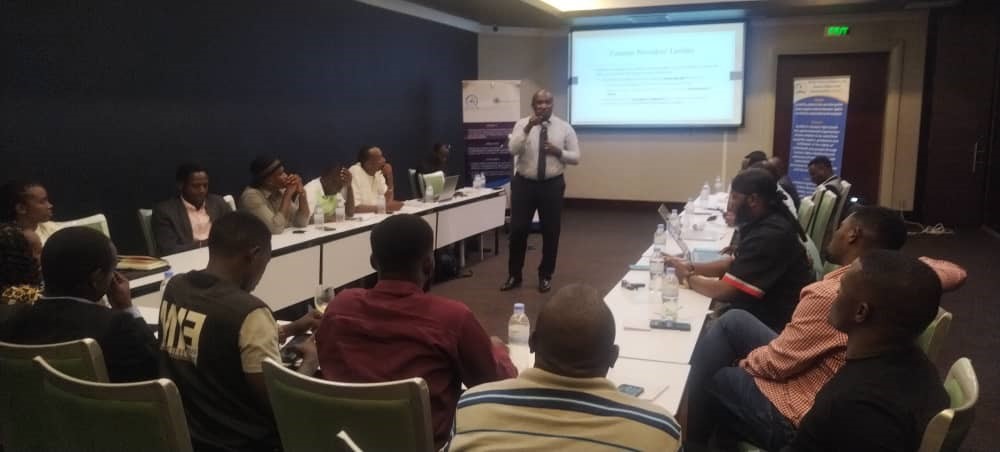
On September 9, 2024, in Kigali, the Great Lakes Initiative for Human Rights Development (GLIHD) organized a Capacity Strengthening workshop aimed at educating digital media practitioners about legal and policy frameworks. This workshop focused on ensuring that social media users understand the relevant laws as a way to prevent conflicts with the law and promote responsible journalism.
Key legal insights
During the workshop, experts stressed that media practitioners must avoid publishing or broadcasting content that could escalate conflicts or harm communities. For example, when social media channels broadcast personal stories about family conflicts or sensitive issues like childhood defilement, they may inadvertently violate the privacy rights of those involved.
Legal experts urged digital media practitioners to carefully analyze content—whether live or pre-recorded—before sharing it publicly. This ensures compliance with privacy laws and prevents the violation of individuals’ rights.
The right to freedom of expression
The right to freedom of expression is protected globally by Article 19 of the Universal Declaration of Human Rights (UDHR) and Article 19 of the International Covenant on Civil and Political Rights (ICCPR). In Rwanda, these principles are embedded in domestic laws, but with clear limitations designed to maintain order and protect individuals from harm.
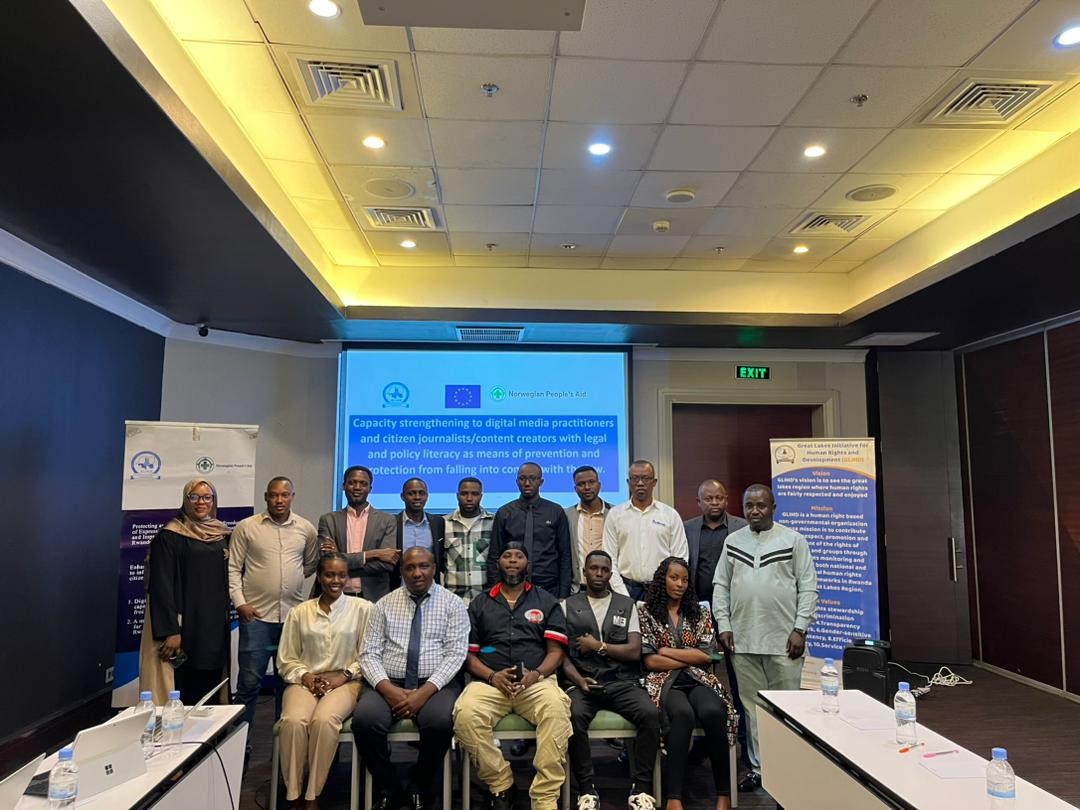
Social media platforms, particularly YouTube, are often used to host interviews or discussions on controversial topics, such as personal family disputes or criminal matters. Legal experts caution that hosts and editors must verify content to ensure it doesn’t encourage criminal behavior or infringe on individuals’ rights.
“Any careless sharing of sensitive information can lead to legal liabilities and unintended consequences.” Says a legal expert.
The core themes of the workshop
The workshop’s discussions focused on several key areas, including Legal and Policy Literacy, which covered the understanding of media laws, data protection regulations, intellectual property rights, and the right to freedom of expression.
Participants also explored Policy Literacy, highlighting the need to comprehend both platform-specific and government policies.
Ethical considerations were emphasized, particularly the responsibility of journalists and content creators to uphold ethical standards in their work. Empowerment through literacy was another key topic, encouraging informed decision-making, advocacy, and reform in the digital space.
Lastly, the workshop addressed the importance of avoiding crimes in digital spaces by educating digital content creators on how to prevent and refrain from promoting illegal activities online.

Liability and consequences of social media use
Participants in the workshop discussed the “three-part test” used to justify limitations on freedom of expression. They also learned about the potential liabilities that may arise from inappropriate social media usage.
Harassment, defamation, and invasion of privacy were recurring themes during the discussions. Posting content without consent—such as attending and filming at funerals of famous individuals—was cited as a common example of social media misuse. In many cases, these actions violate the privacy of families and could lead to legal action if taken to court.
The increasing use of social media in Rwanda presents both opportunities and challenges. While platforms like YouTube enable citizen journalists and influencers to reach broader audiences, they must operate within the confines of the law.
Workshops like the one organized by GLIHD are essential in educating media practitioners about the legal frameworks surrounding their work. Understanding and adhering to these regulations is crucial for promoting responsible digital media practices and protecting individuals’ rights in the online space.
“Freedom of speech and expression is not absolute; it has limitations,” said a trainer who is a legal expert in local and international laws.
Tom Mulisa, Executive Director of GLIHD, added that they plan to organize additional workshops to ensure that participants fully understand these limitations and their responsibilities.
theinspirerpublications@gmail.com



Leave a Reply