

New Research Highlights Alarming Rates of Teenage Pregnancies in Rwanda Due to Lack of Sexual Health Services
By The Inspirer.
Teenage pregnancy is a critical issue in Rwanda, as highlighted by the Rwanda Health and Demographic Survey Report 2019-2020, which shows that 5% of women aged 15-19 have initiated childbearing, with 4% having already given birth.
This trend poses significant threats to young mothers’ health and future prospects, as they face heightened risks of pregnancy complications and often lack appropriate medical care. The consequences extend beyond health, severely impacting the educational and socio-economic opportunities of adolescent mothers, who frequently drop out of school to care for their children. Teenage fathers encounter similar challenges, including premature paternal responsibilities and legal pressures.
Approximately 85% of adolescent pregnancies occur among school-enrolled adolescents, influenced by peer pressure and social media. This underscores the multifaceted nature of teenage pregnancies, stemming from a complex interplay of socio-cultural, economic, and personal factors, rather than just a lack of sexual and reproductive health education.
Despite Rwanda’s legal framework setting the marriage age at 21, teenage pregnancies often lead to early or forced marriages, as young mothers seek support or escape from familial neglect and potential legal repercussions. Adolescent pregnancies also result in significant psychosocial challenges, including community and school discrimination, leading to adverse outcomes such as child abandonment, early marriages, school dropouts, and involvement in child labor and prostitution.
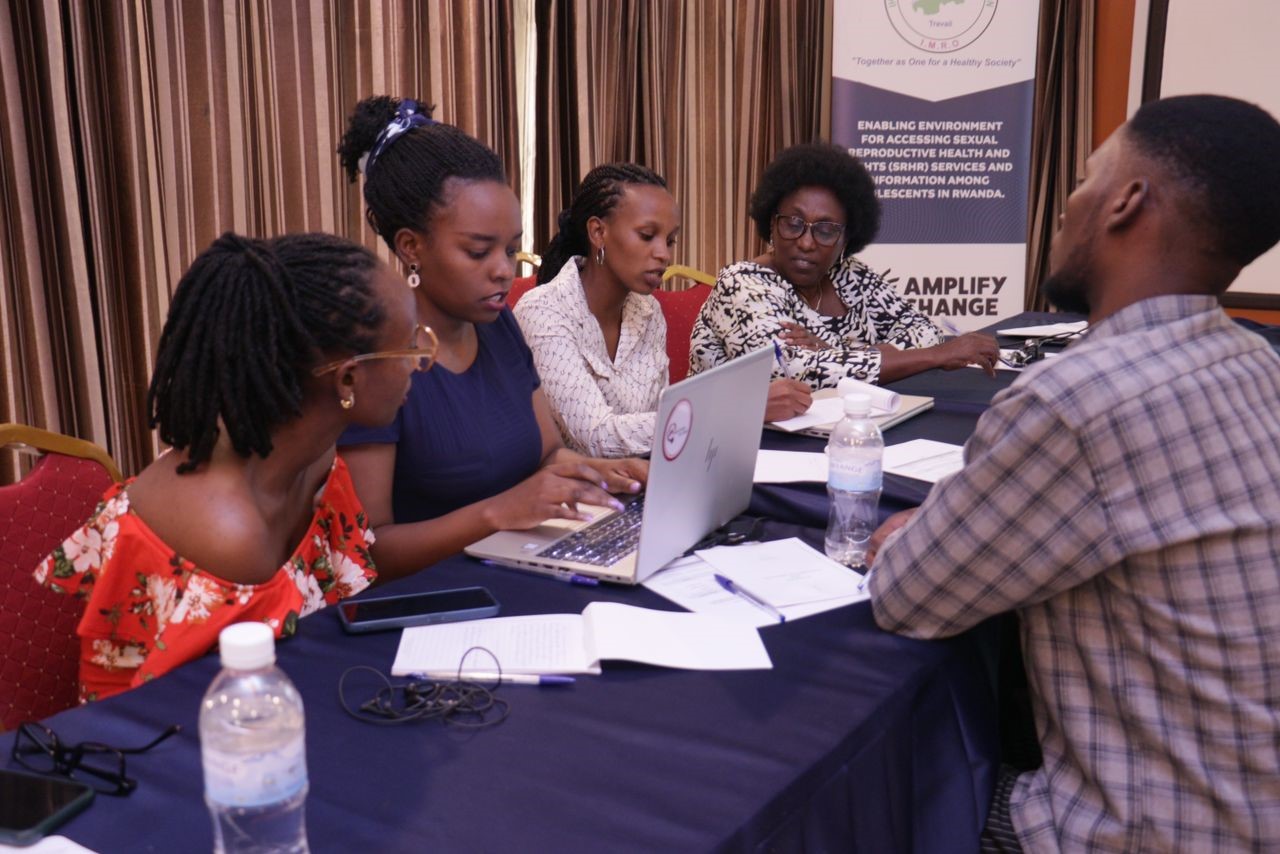
A non-governmental organization (NGO), IMRO (Ihorere Munyarwanda Organization), which advocates for human rights with a focus on reproductive health and combating AIDS, released findings from a study conducted to determine the number of teenage pregnancies or births among girls under 19 years old. The study also examined the barriers these teenagers face in accessing reproductive health services.
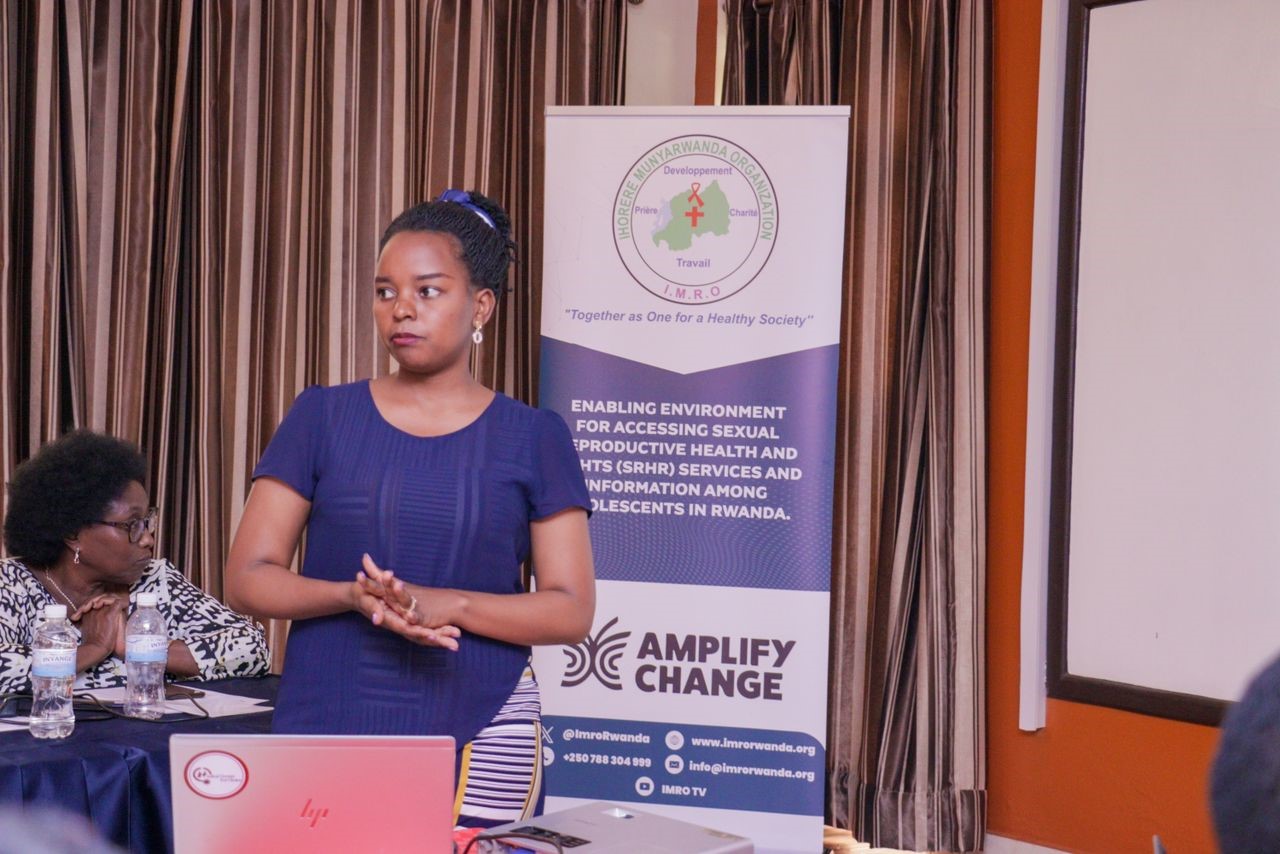
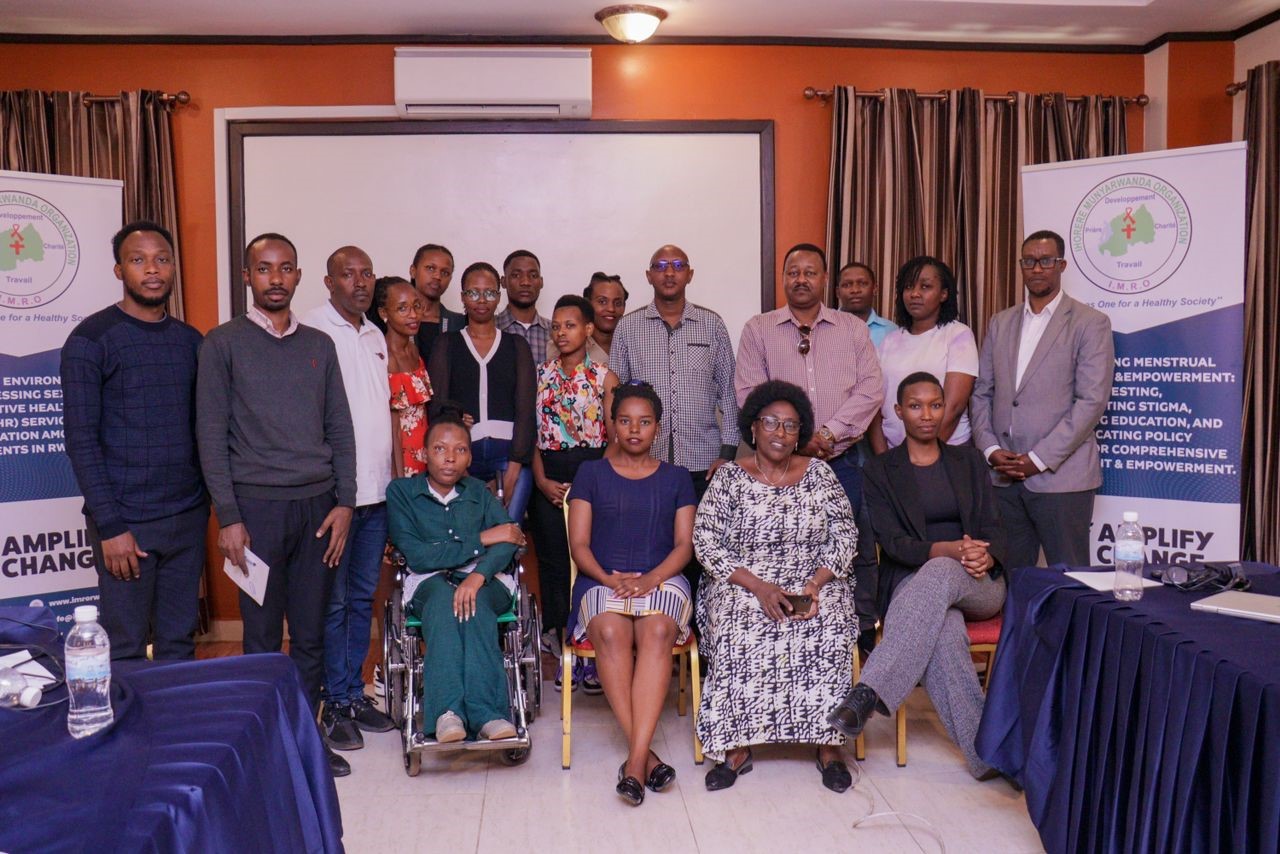
A validation workshop took place in Kigali on August 1st, 2024, to present the findings of the research and gather feedback, insights, and inputs from key stakeholders. The workshop aimed to enrich the fact-finding analysis report on the correlation between teenage pregnancy and inadequate access to SRHR services and contribute to shaping effective interventions to reduce the incidence of teenage pregnancies and improve the health, education, and socio-economic outcomes for adolescents in Rwanda.
Rosine Izabayo, who heads the IMRO Rwanda project responsible for the research, explained that the findings were presented to partners already engaged in providing reproductive health services. Sharing these findings and gathering their feedback and suggestions provides concrete information to support advocacy efforts aimed at addressing the identified issues.
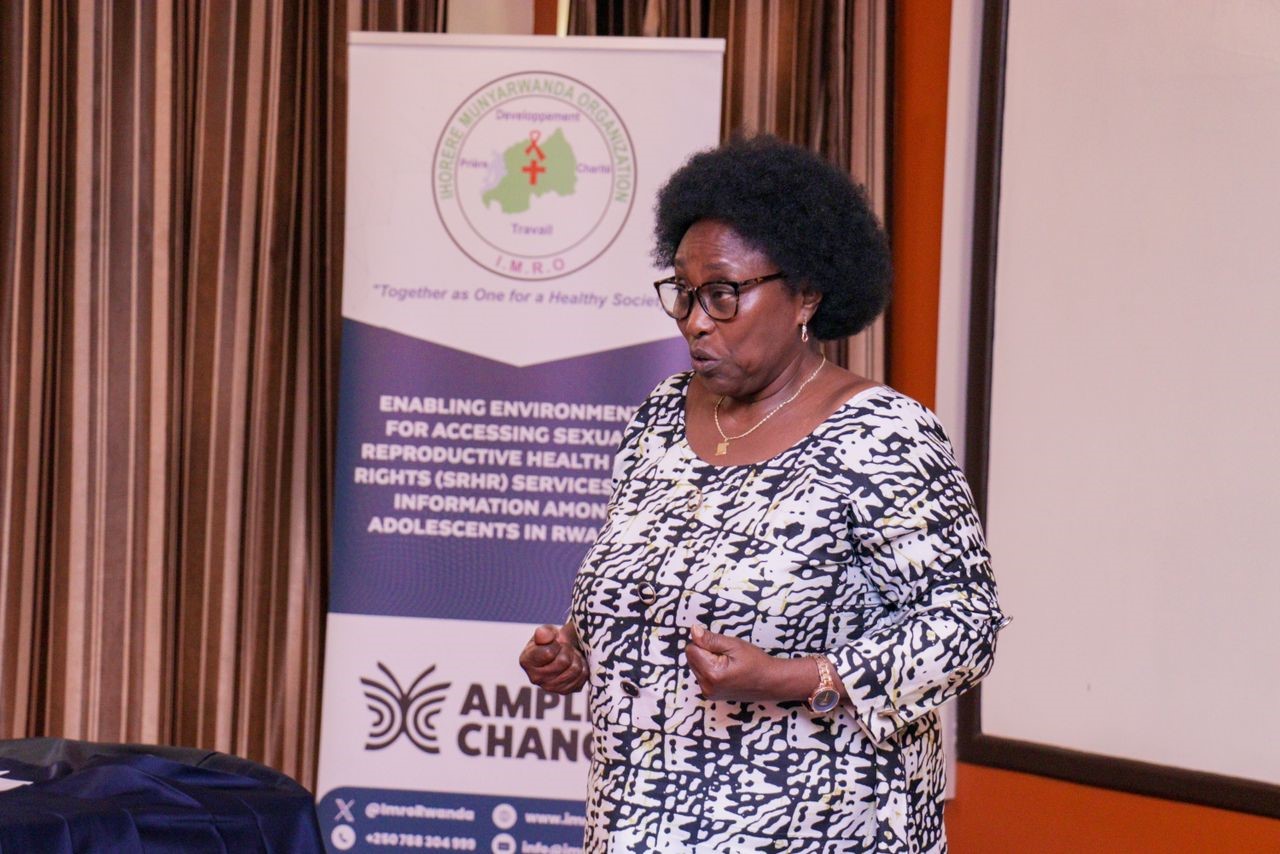
Fidele Mutoni, who led the research initiative, mentioned that the study revealed several issues needing advocacy and strategic actions to resolve them.
The research found a significant link between teenage pregnancies and inadequate access to reproductive health services. Nationally, 52% of teenagers in Rwanda have been reported to become pregnant before turning 19, placing Rwanda among the countries with the highest rates of this issue.
The researchers identified several contributing factors, including Rwanda’s high number of pregnancies among girls aged 15 to 19, based on the 2023 UNFPA Rwanda report. This report suggests a correlation between the restrictions on reproductive health services for minors and the high rate of teenage pregnancies.
The study revealed that only 30% of girls aged 15 to 19 are aware of existing contraceptive methods, while the remaining 70% lack this knowledge and do not know how to use them.
Another issue identified by the researchers is that only girls who are 18 years old, as per Rwandan law, have the right to make independent decisions about their reproductive health. This includes using birth control pills or injections without needing consent from a parent or guardian. However, those under 18 cannot access these services without parental or guardian involvement.
Marie Aimée Dukuze, working with the Organization of Women with Disabilities for Health Promotion and Development (OWDHD), commended the research for considering the issues faced by women and girls with disabilities, who are also vulnerable to teenage pregnancies. Many lack adequate knowledge and information about reproductive health and face challenges accessing these services.
Additionally, Dukuze highlighted the need for legal reforms to address the restrictions on decision-making for individuals under 18 and those with mental disabilities. She noted that while there are over 50 categories of mental disabilities, not all individuals within these categories are incapable of making their own decisions.
The fact-finding report analyzed the correlation between teenage pregnancies and inadequate access to Sexual and Reproductive Health and Rights (SRHR) information and services among young people in Rwanda. Covering five districts—Ruhango, Gicumbi, Rusizi, Gatsibo, and Nyarugenge—this study sought to provide evidence-based insights crucial for developing effective interventions.


theinspirerpublications@gmail.com




Leave a Reply