

2022 Africa Evidence Summit: Experts on why African-led research is needed
By Inspirer reporter.
The Africa Evidence Summit in Kigali is set to Inform participants’ of the latest findings from rigorous evaluations in East and West Africa, and resulting policy lessons.
The 10th Annual Africa Evidence Summit from June 29 to June 30, 2022 was organized by The Center for Effective Global Action (CEGA) which is partnering with the Network of Impact Evaluation Researchers in Africa (NIERA), the University of Rwanda (UR), and the Center for Impact, Innovation and Capacity building for Health Information Systems and Nutrition (CIIC-HIN) to showcase rigorous research relevant to East and West Africa and facilitate new linkages among researchers and policymakers across the region.
The Center for Effective Global Action (CEGA) is a hub for research on global development. Headquartered at the University of California, Berkeley, our large, interdisciplinary network–including a growing number of scholars from low and middle-income countries–identifies and tests innovations designed to reduce poverty and promote development. CEGA researchers use rigorous evaluations, tools from data science, and new measurement technologies to assess the impacts of large-scale social and economic development programs.
The Network of Impact Evaluation Researchers in Africa (NIERA) is a network of African scholars seeking to advance decision-focused impact evaluation of development programs through capacity building, evidence generation and policy outreach.
University of Rwanda is a public research university and Rwanda’s largest higher education institution.
CIIC-HIN (The Center for Impact, Innovation and Capacity building for Health Information Systems and Nutrition) is a company birthed in Rwanda motivated by a passion to develop and improve evidence-based decision making in healthcare provision and policies in the region. We aim to do this through building the capacity of health and educational professionals with relevant research skills, while also implementing robust research with and for our partners.
The summit is an annual opportunity for East and West African scholars, U.S.-based faculty, policymakers, and practitioners to hear about new research and forge new connections.
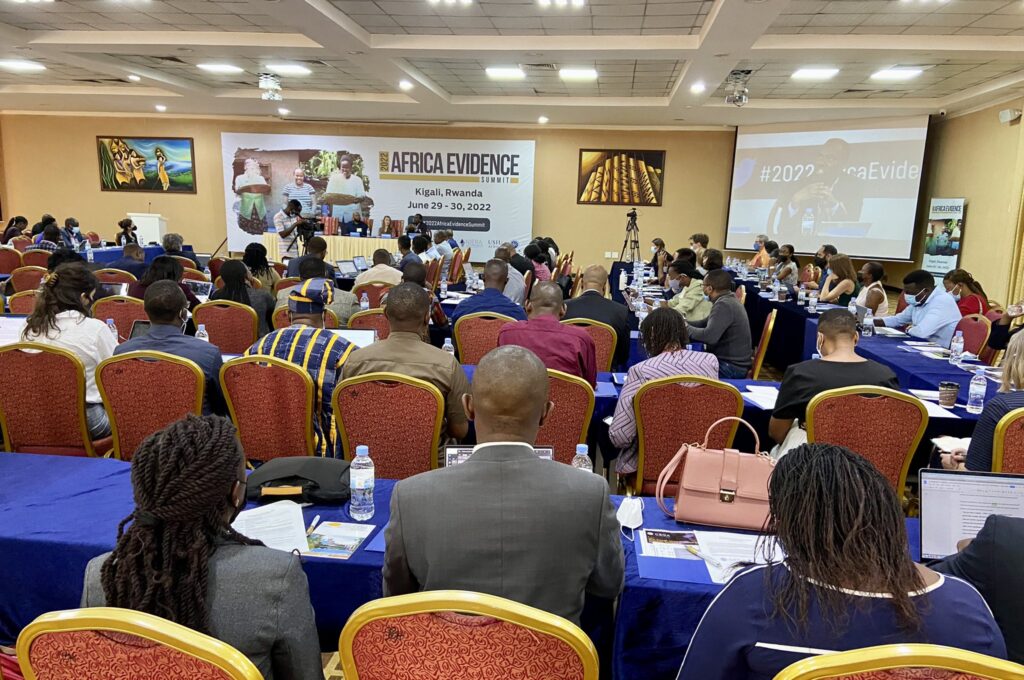
The summit has brought together about 200 researchers, NGO staff, and government officials in the region including NIERA members, top economists from the US, University of Rwanda faculty and staff, CIICH-IN staff and researchers, and other partners in the region.
It is also aimed to create stronger linkages among researchers, policymakers, and partners in the region that could lead to new research and partnerships.
The conference objectives also include engaging with the “next generation” of students and professors in Rwanda to build capacity in rigorous economics research methodologies.
It is also engaging in important discussions as a community around how to bridge academia and policy, and how to encourage African-led research.
Discussion topics
The topics discussed at the summit include evidence to Policy: Food Security in Rwanda, Spotlight on Living Standards and COVID-19: Evidence from Nine Countries, COVID-19 and Development, Health and Well-Being, Collaboration for Inclusive Development Research, Gender and Development, Interventions to Increase Agricultural Technology Adoption by Women, Gender Norms and Digital Finance, impacts of Digital Credit, Data Privacy & Digital Financial Services: Towards Responsible Innovation among others.
Food security issue
Speaking during the summit, Patrick Karangwa, The Director General of Rwanda Agricultural and Resources Development Board (RAB) said : “We need strategies to make technologies known and to disseminate them widely to benefit the citizens not only of Rwanda but the continent.”

Gracie Rosenbach , the Rwanda country program manager in IFPRI’s Development Strategy and Governance Division said:“Price crises in agriculture are happening more frequently. We must prep for them ahead of time.”
Milindi Sibomana, the Impact/R&D/Commercial Agriculture Director at One Acre Fund said that, “If you want to have sustainable production for a long time, we have to consider soil health. One success has been domestication of seed production. Most of the seed for maize and beans is produced in the country.”
He emphasized the importance of conservation agricultural technologies to promote and preserve soil health.
Funding sustainability
Anthony Mveyange, Economist and Researcher made the case for institutional capacity building, funding sustainability, and professional development for students, including training on impact evaluation for public policy.
Fiona Wanjiku Moejes , CEO at The Mawazo Institute – a Kenyan-based organization supporting the next generation of African women researchers pointed to pointed to flexible research funding, mentorship, and training to enable researchers to develop their own research agenda and develop a curiosity driven approach.
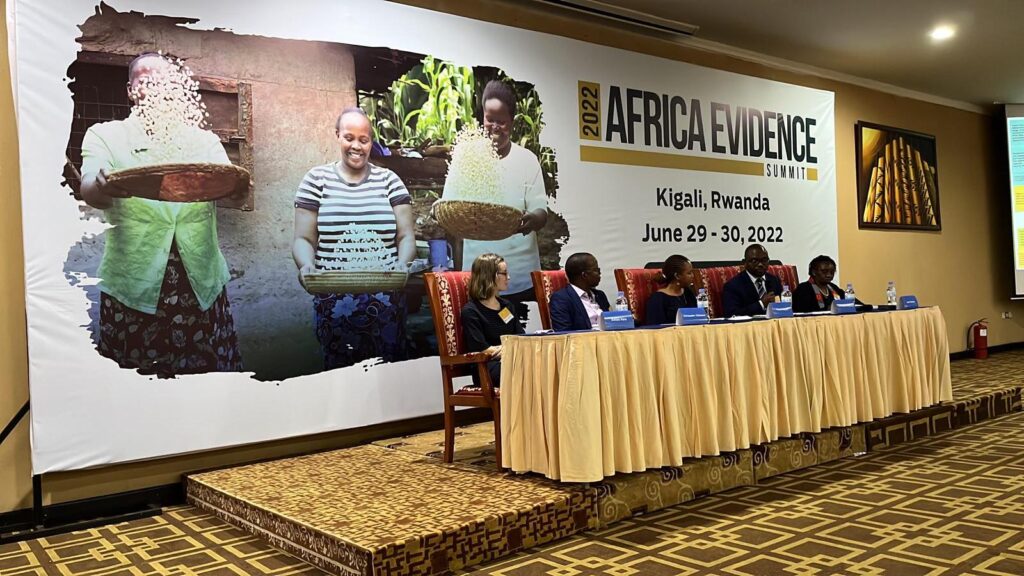
Chris Chibwana said the challenge with inclusive research is if the funding is coming from the North, the agenda has already been set.
“There is a need for African governments to invest in research. When that is not possible, non-private funding should advocate for more balanced power,” he said.
CEGA has 140 affiliated researchers, 16 universities and so far $45 million has been awarded in research funding since 2008.


Leave a Reply