
Bugesera Community Environment Volunteers Promoting Climate Smart Agriculture
By Elias Hakizimana.
Trained Community Environment Volunteers in Musenyi Sector, Bugesera District mobilized citizens to apply best environment protection practices that transformed their agriculture history. The initiative follows a tragic background of drought in the area.
In the history of its nature, Bugesera District was dry, with no vegetation and the impacts like heavy rains, floods due to climate variability could damage few crops grown into Murago wetland. From 2000, residents started to flee the area due to hunger related to the frequent droughts.
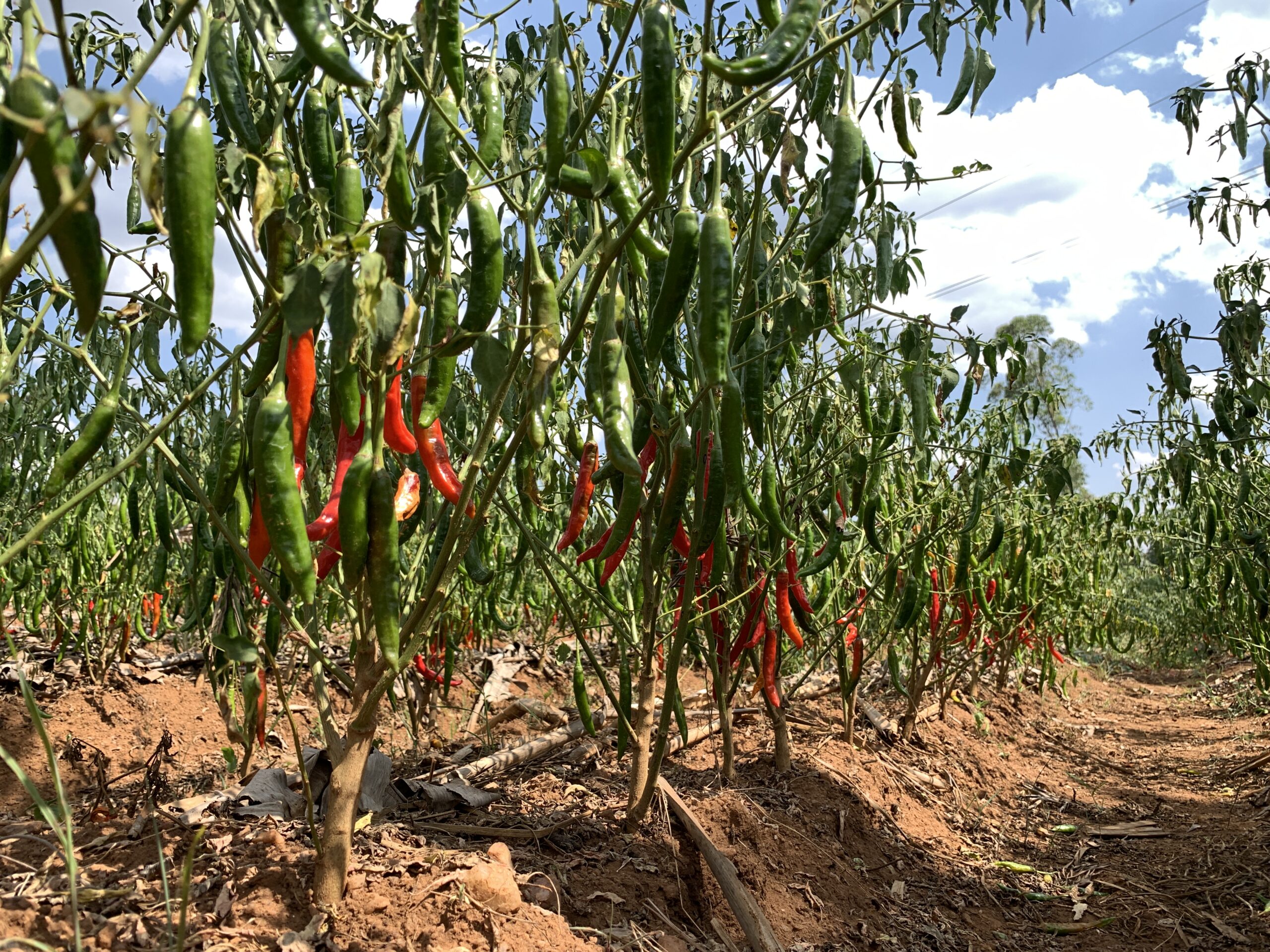
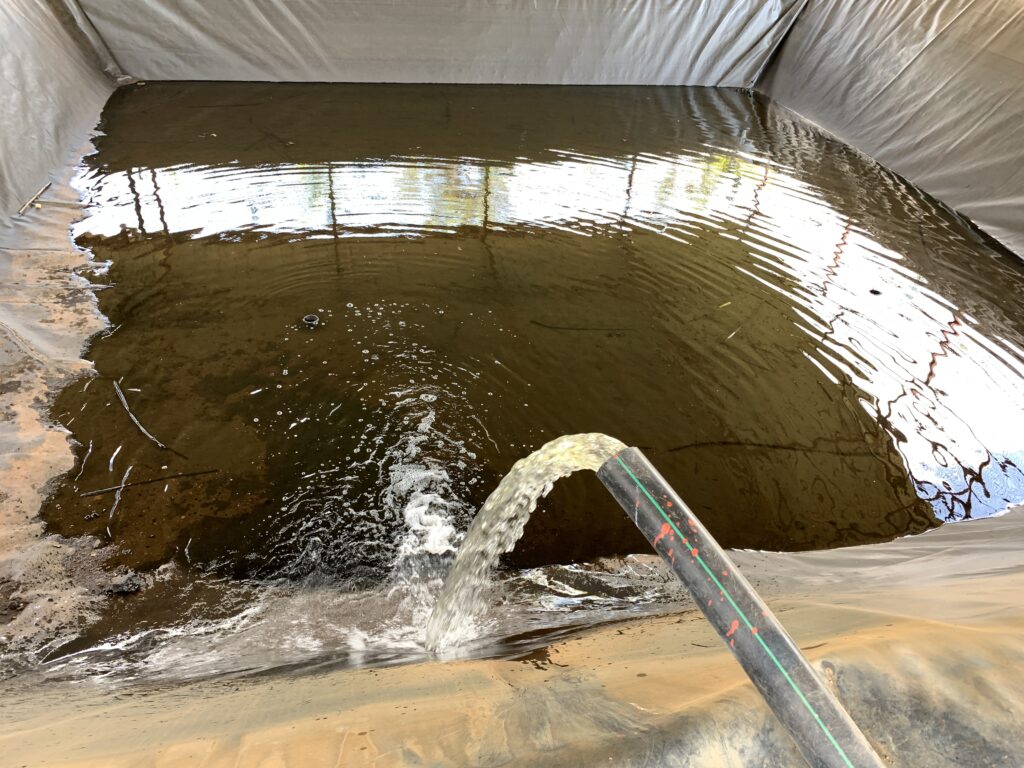
To save the wetland that is meaningful in Environment preservation, Imboni z’ibidukikije or “Community Environment Volunteers’ were mobilized and formed to warn and serve a good example to citizens who later shifted their agricultural activities from the wetland to the hillsides and use solar powered irrigation system to grow various crops including maize, fruits and vegetables like onions, eggplants, chili and cabbages on small scale.

Speaking to The Inspirer on the field, Martin Uwayezu, one of these volunteers who is also a farmer facilitator says that he planted fruits such as mangoes and Mandaline after digging the progressive terraces in his farm to tackle soil erosion, then after encouraged his peers to embrace the move.
“As we were trained by the district’s environmental experts, our first role is to have information of where environment is being vulnerable, then we inform concerned authorities. Through village councils, we sensitize citizens how they can preserve the wetland, to sort domestic wastes and to plant agro-forestry trees that contribute in soil fertilization.” Uwayezu says.
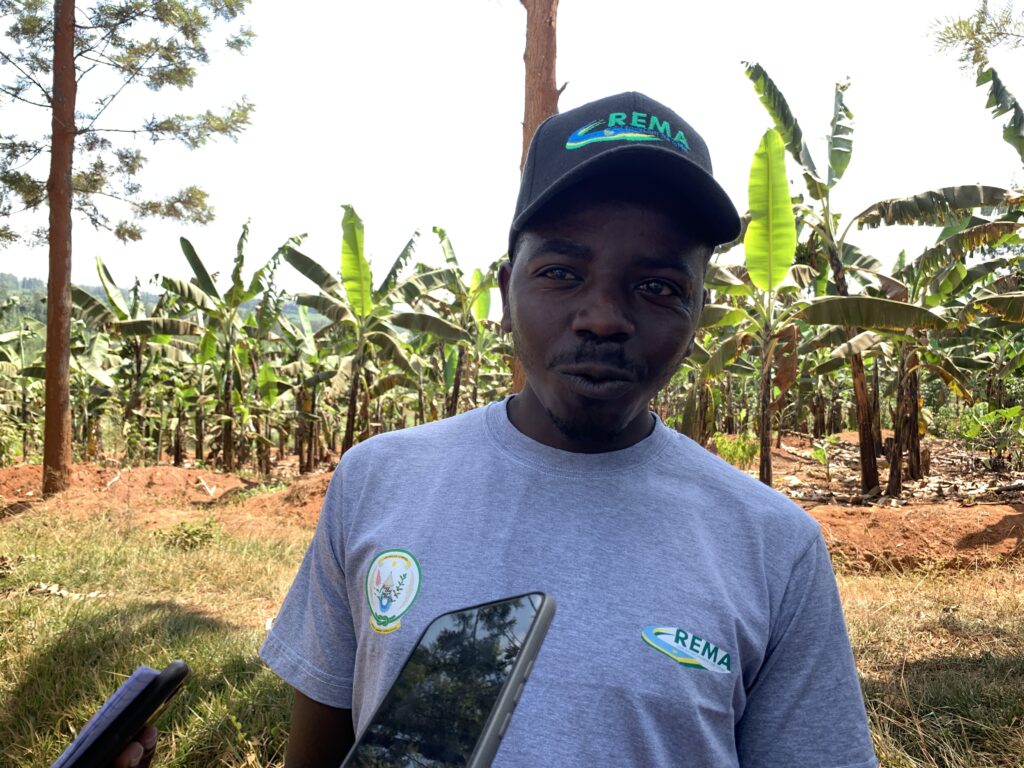
Frederic Mushumba, another community volunteer shares experience of how hardly citizens could understand the role of trees when they started to plant them at the boundaries of the farms.
“In 2000, it was a huge problem to find shed and we used to suffer from hunger. One of government partners gave us some trees to plant as source of rain but citizens could uproot them because of negative mindset. After realizing the benefits, they gradually embraced the initiative.” Mushumba says.
Improved agriculture productivity
Diogene Habihirwe, a citizen from Kiringa village in Musenyi sector says he could not harvest even 50 kilograms of beans on 40 acres of his land before he planted agriculture friendly trees.
“After being trained on good environment protection practices including agro-forestry, I translated theoretical skills into practical experience and I can testify that my produce has increased.” Habihirwe says.

Seraphine Wibabara, Agronomist of Musenyi sector says that some climate change mitigation and adaptation activities are done through organized citizens’ support (umuganda) especially in digging progressive terraces that keep the plant nutrients and water in the soil and help to improve crop productivity.
Recommended Agro-forestry trees include Grecedia, Caliandra, Recena, Bitter leaf, Spadoa, Avocado, Mangoes, and Papaya among others. Some of them are good grass of livestock while others boost the soil as organic manure inputs. These trees also reduce erosion that used to take the soil away.
Emile Mukunzi, Environmental Officer in Bugesera District says that tree planting is one of the environment restoration measures where they started mobilizing residents to plant Greveria at the boundaries of Murago wetland and Cyohoha Lake.
“Environment restoration activities brought the area back to life, and people who relocated came back and new comers continued to come to seek for residential places. We have seven (7) irrigated watersheds using solar powered system in the district, each covers 10 hectares. We encourage human activities to cope with problems caused by humans.” Mukunzi notes.
Environment protection is one of the national priorities that support the progress of the vision 2050 in terms of sustainable management of natural resources while building resilience to cope with climate change impacts.
theinspirerpublications@gmail.com




Leave a Reply