
REMA unveils Rwf43.9bn plan to increase resilience to climate change effects
By Inspirer writer
Rwanda Environment Management Authority (REMA) has unveiled a five-year plan that could cost Rwf43.9 billion so as to protect the environment and build resilience to climate change effects across the country.
Juliet Kabera, The Director General of REMA said that from 2022 to 2026, approximately $8 million is needed every year.
“The plan aims to realize improved environment management and increased resilience to climate change for sustainable development and livelihoods,” she said.
The main issues to be addressed include climate change impacts such as floods, landslides and droughts.
The five-year priorities, she said, include ecosystem restoration and biodiversity protection to cost Rwf37.6 billion , climate change resilience to cost Rwf1.6 billion, compliance with environment protection and enforcement to cost Rwf3 billion as well as environmental education, awareness and mainstreaming that could cost Rwf1.5 billion
“Much cost is allocated to ecosystem rehabilitation and biodiversity protection because our economy depends on natural resources and it is heavily degraded and sensitive to climate change impact,” she noted.
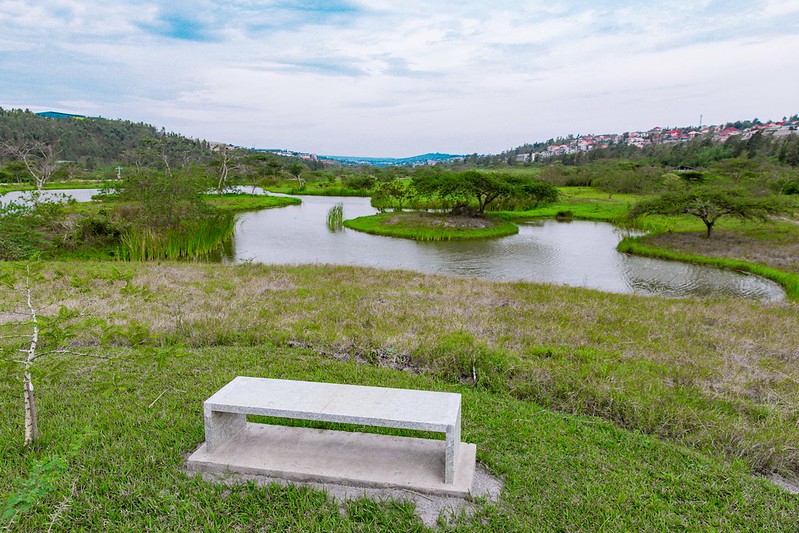
The investment in ecosystem restoration and biodiversity protection include creating new protected areas, planting of agro-forestry and woodlots, rehabilitating selected wetlands, riverbanks and watersheds, Nyabarongo River and its tributary riverbanks.
According to REMA, climate change resilience will require building capacities in greenhouse gas emissions inventory and mitigation, climate change vulnerability assessment, reducing emissions in sectors of transport, agriculture, energy and industry among others.
The activities, it says, will also crack down on illegal utilization of buffer zones of water bodies, illegal mining and other projects degrading the environment, as well as monitoring air pollution
She said that Rwanda has achieved 30.4 percent forest cover and that resources to be invested will maintain the cover.
“We have over 935 wetlands with 402 mammal species and they need to be protected,” she said.
The species to be protected in the wetlands, she said, include 1,061 bird species, 293 reptile and amphibian species as well as 5,793 high plant species.
Among the challenges to be addressed include lack of proper management of waste both solid and liquid waste in urban areas.
According to Kabera, the private sector is needed to contribute to solid waste management across the country in the next five years.
Studies show that solid waste per capita per day for urban areas is 0.56 Kilogrammes.
The challenges also include limited availability of tools and equipment to measure air and water pollution, loss of biodiversity due to anthropogenic activities and climate change, unplanned settlement leading to uncontrolled storm water and floods in urban areas among others.
She added the investment in the next five years could protect 11 percent of the territory that is at extremely high risk of soil erosion.
Kabera said that the weaknesses that still need to be addressed in building resilience to climate change include limited resources and capacity, limited skills to produce fundable green projects among others.
However, she said, the existence of Rwanda Green Fund (FONERWA) and other global funds that finance climate projects are available opportunities to address the increasing negative impact of climate change as well as limited skills of applying green technologies in manufacturing


Leave a Reply