
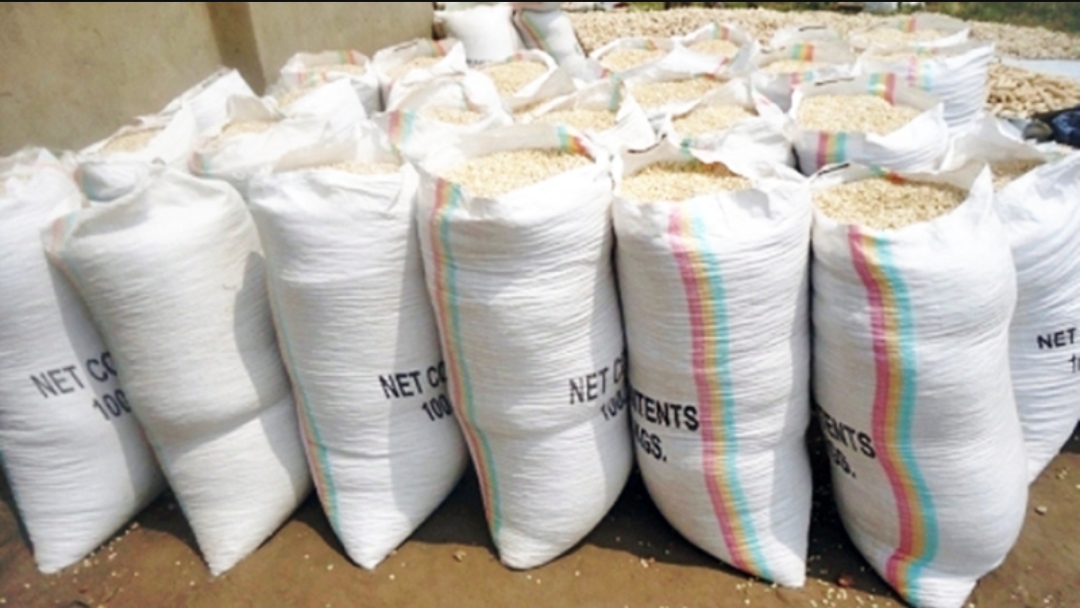
How Climate Resilient Project PASP improved maize farmer’s livelihoods in Musanze
By Elias HAKIZIMANA.
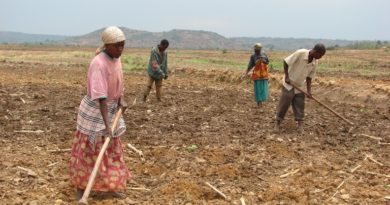
When KOPAMU Cooperative started to grow maize in Gasheke Sector, Musanze District in 2012, a half of their produce could be lost before reaching the market due to poor farming and post-harvest skills and facilities.
As he highlights the issue, Pascal Habisoni, president of the cooperative says that the entire yield could be lost due to lack of proper drying equipment.
“Our yield could be lost due to various circumstances including lack of good equipment. We used to dry our maize crop on the ground; part of the produce could be rotten, another used to be rejected by the clients while at the market.” Habisoni says.
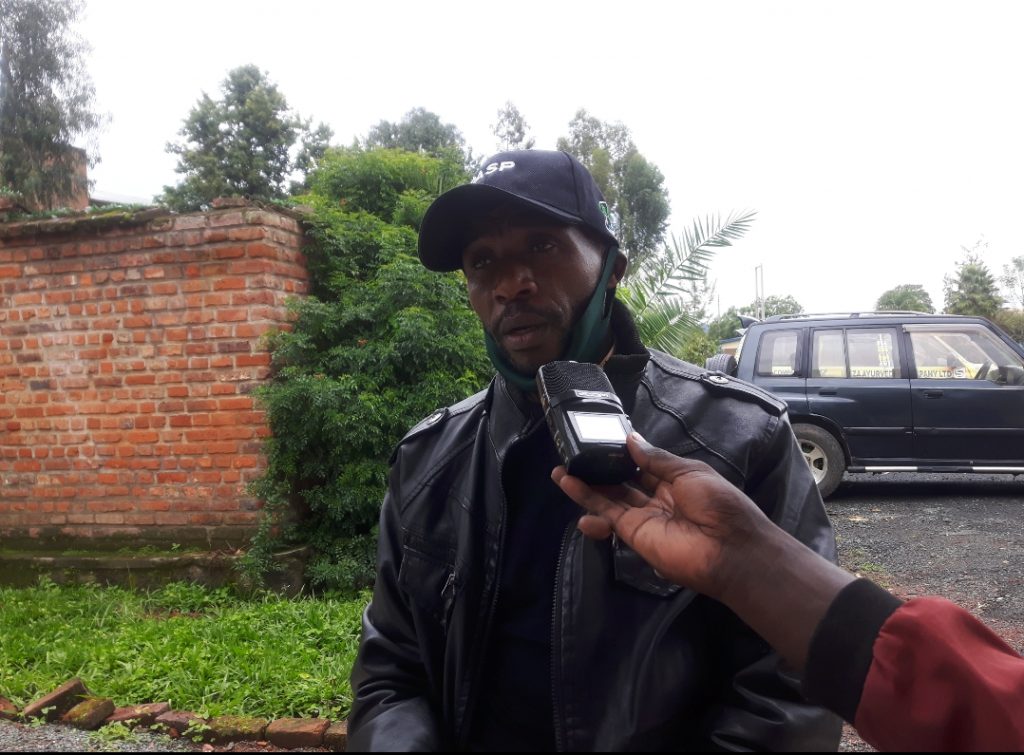
He says that they could take 50 tones to the market and 20 tones rejected blamed to have Afflotoxin.
Habisoni adds that each one of the 31 members who constitute the cooperative could lose a half of the produce.
PASP Interventions
Fortunately, Habisoni says that in early 2017, the climate resilient Post-harvest Agriculture Support Project (PASP), the IFAD-Funded initiative started to train them on how to establish and manage cooperatives.
“They also trained us on the best agricultural practices from farm to market. They gave us big dring facilities with the capacity to dry 2 tonnes in 4 hours. This helped us to reduce the loss to 1 percent at the moment as only 10 kilograms of 10 tonnes can be lost.” He notes.
“A member of our cooperative can now sell up to 400 kilograms of maize without any damage while he/she could lose a half of the produce before PASP Interventions. ” He adds.
He said that PASP supported them with over Rwf 8.5 million and added their own contribution of Rwf 3.6 million.
Habisoni explains that all this money was invested in building warehouse for maize and beans.
Fidèle Wibabara, president of ABAJYANANIGIHE Cooperative in Muko sector, Musanze District also gives testimonies of how the project helped them to reduce post-harvest losses.
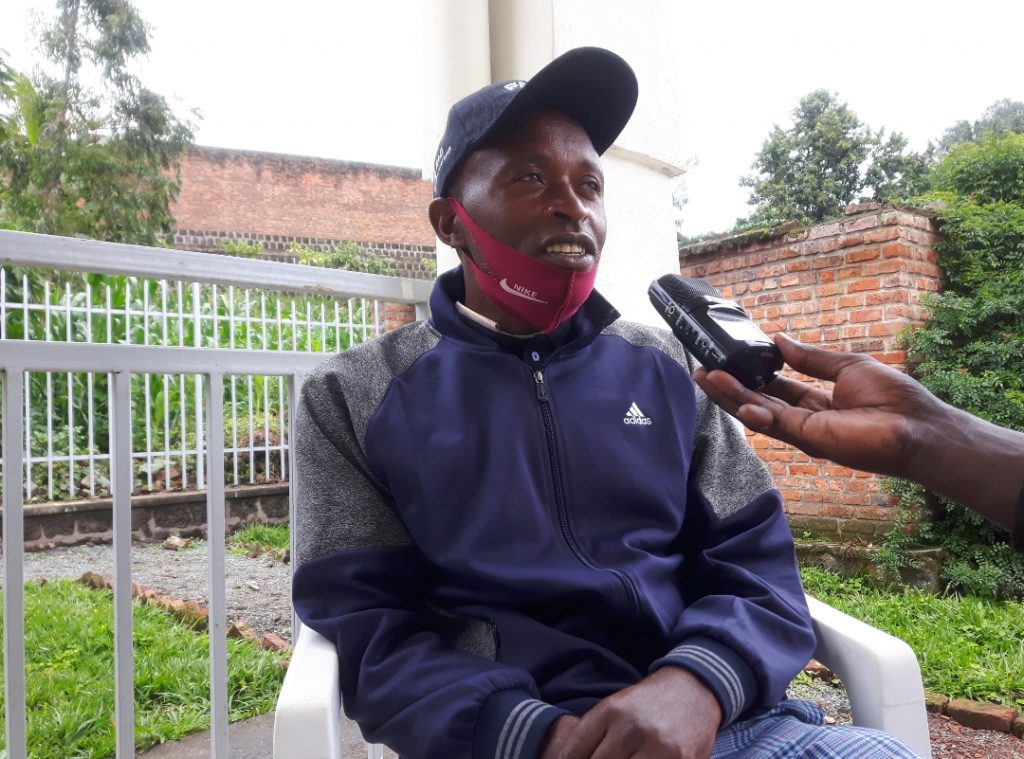
“We are 118 members, 67 women and 51 men. Before PASP Interventions we did no have a wide market of our low produce and the price was down comparing to the good maize on the market. Our price for 1 kilogram was Rwf 230 while one for quality yield was Rwf 250. Out of 10 tonnes we could lose 200 kilograms.” He says.
“Due to good agricultural practices and the support of Rwf 77 million that helped us to own modern equipment, we moved from 10 tones to 70 and 100 tones. Last year we supplied 80 tones of maize. We constructed a warehouse and maize flour processing factory and we bought a car. We can only lose 50 kilograms out of 80 or 100 tones while the majority of the produce could be damaged before.” He adds.
The same interventions secured the produce of maize of KOGUIM Cooperative in Gashaki sector, Musanze District as explained by Sylvie Uwimana, its president.
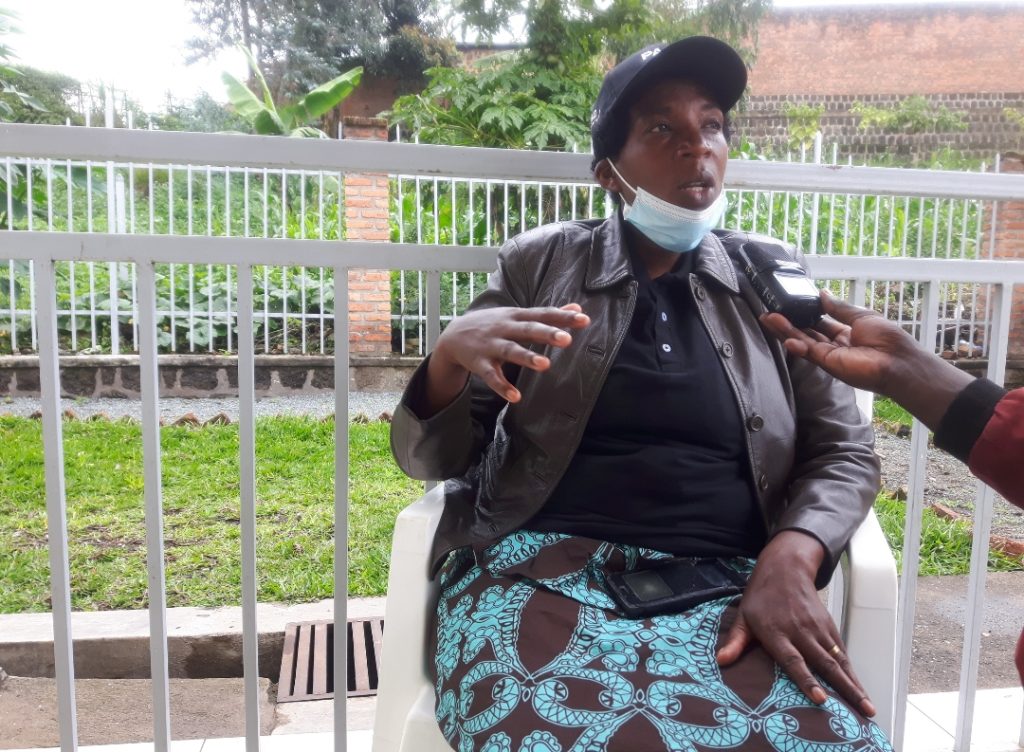
“We used to dry on the ground and 400kgs out of 3 or 4 tones could be rejected by the client because of Afflatoxin, which also affected the price. Our maize was sold at Rwf 150 or 160 while good yield at the market was Rwf 200.” She says.
Every member in those cooperatives managed to improve the livelihoods of their families as most of them constructed good residential houses. Besides, they easily pay for health insurance and school fees for their children.
The project has supported farmers through cooperatives in acquisition of post harvest drying infrastructure and equipment.
In this regard, PASP supported directly or indirectly maize/beans cooperatives with tarpaulins to achieve required level of drying while protecting grains from soil humidity and possible microbial contamination.
According to the Final Impact Assessment Study For The Climate Change Resilient Post-harvest and Agribusiness Support Project (PASP), a total of 8551 tarpaulins were distributed to 97 cooperatives in 10 districts targeting maize/beans highly production areas including eastern zone districts namely Nyagatare, Ngoma, Kayonza and Kirehe.
The project interventions prioritized farmer’s cooperatives in maize, beans, Irish potatoes, fruits and vegetables as well as Dairy farmers.
elias.theinspirer@gmai.com



Leave a Reply