
AI could improve Africa’s weather forecasts, but missing data threaten its promise
By Elias Hakizimana.
For a farmer deciding when to plant, an accurate weather forecast can mean the difference between a successful harvest and losing a season’s work. Across Africa, where many livelihoods depend on rainfall, better predictions could help farmers plan planting dates, choose suitable crop varieties and prepare for dry spells, while giving communities more time to respond to floods.
Artificial intelligence (AI) could make weather forecasts faster and less expensive to produce, but scientists warn that its benefits depend on reliable observations, adequate infrastructure and sustained investment in national meteorological services.
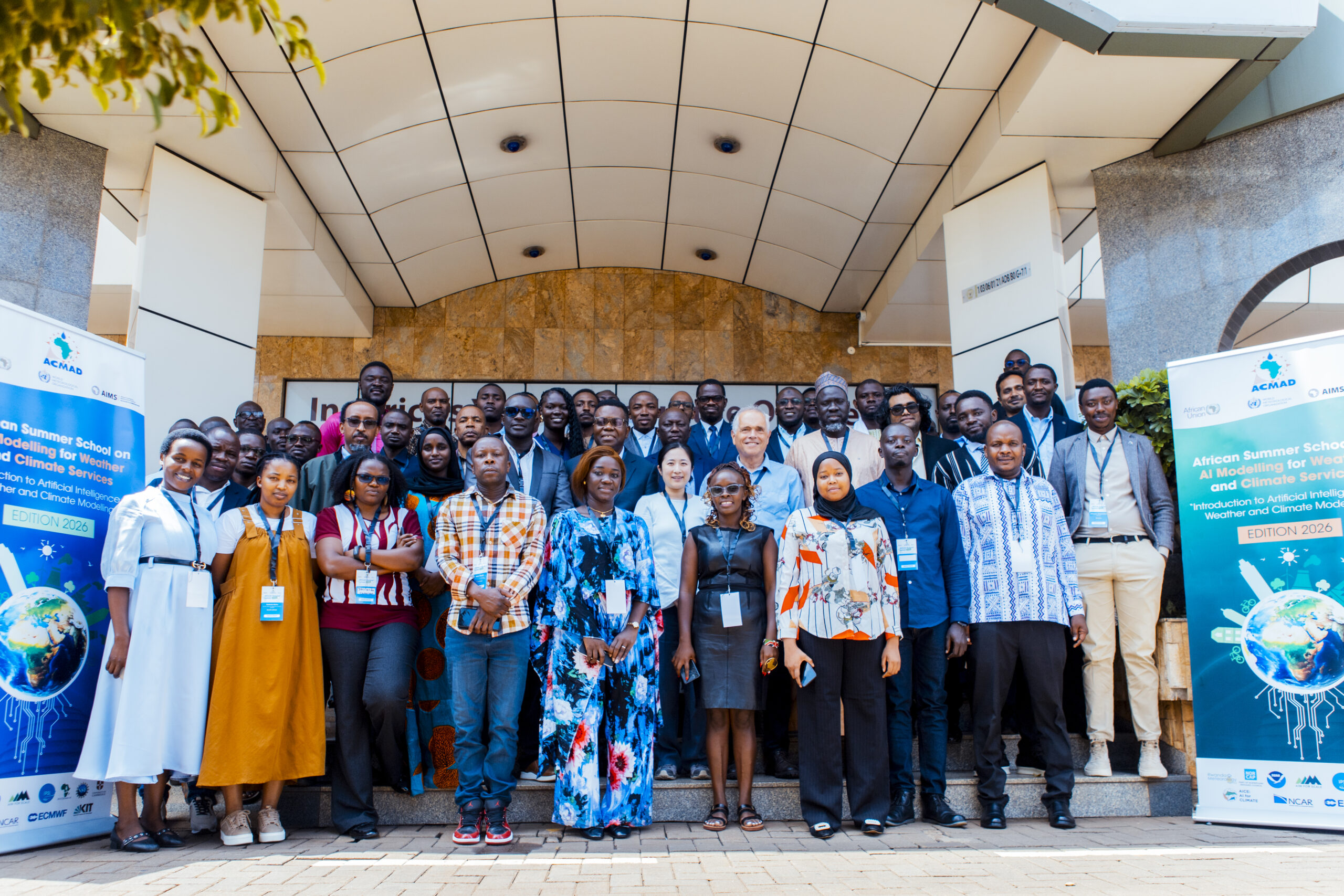
The challenge was highlighted in Kigali on October 19, 2026, at the opening of the African Summer School on Artificial Intelligence for Weather and Climate Modelling, where experts from across Africa gathered to explore how AI could improve forecasting and early warning services.
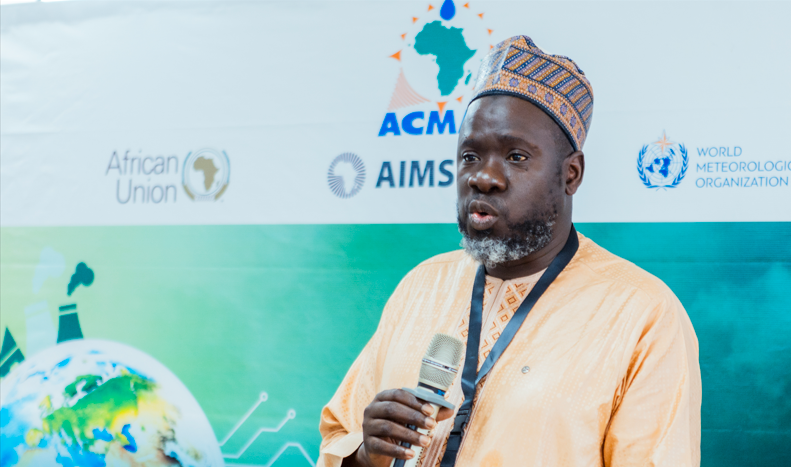
“AI is an important opportunity for Africa, but we cannot make forecasts without data. We are not doing divination,” said Dr Ousmane Ndiaye, Director General of the African Centre of Meteorological Applications for Development (ACMAD).
Ndiaye warned that some African weather stations were closing or experiencing gaps in observations because of inadequate funding. Such gaps can weaken forecasts, leaving farmers and authorities with less reliable information to guide decisions and prepare for potentially destructive weather.
AI could ease forecasting constraints
Conventional numerical weather prediction models require substantial computing power and electricity to simulate atmospheric processes, resources that are not consistently available in every African country.
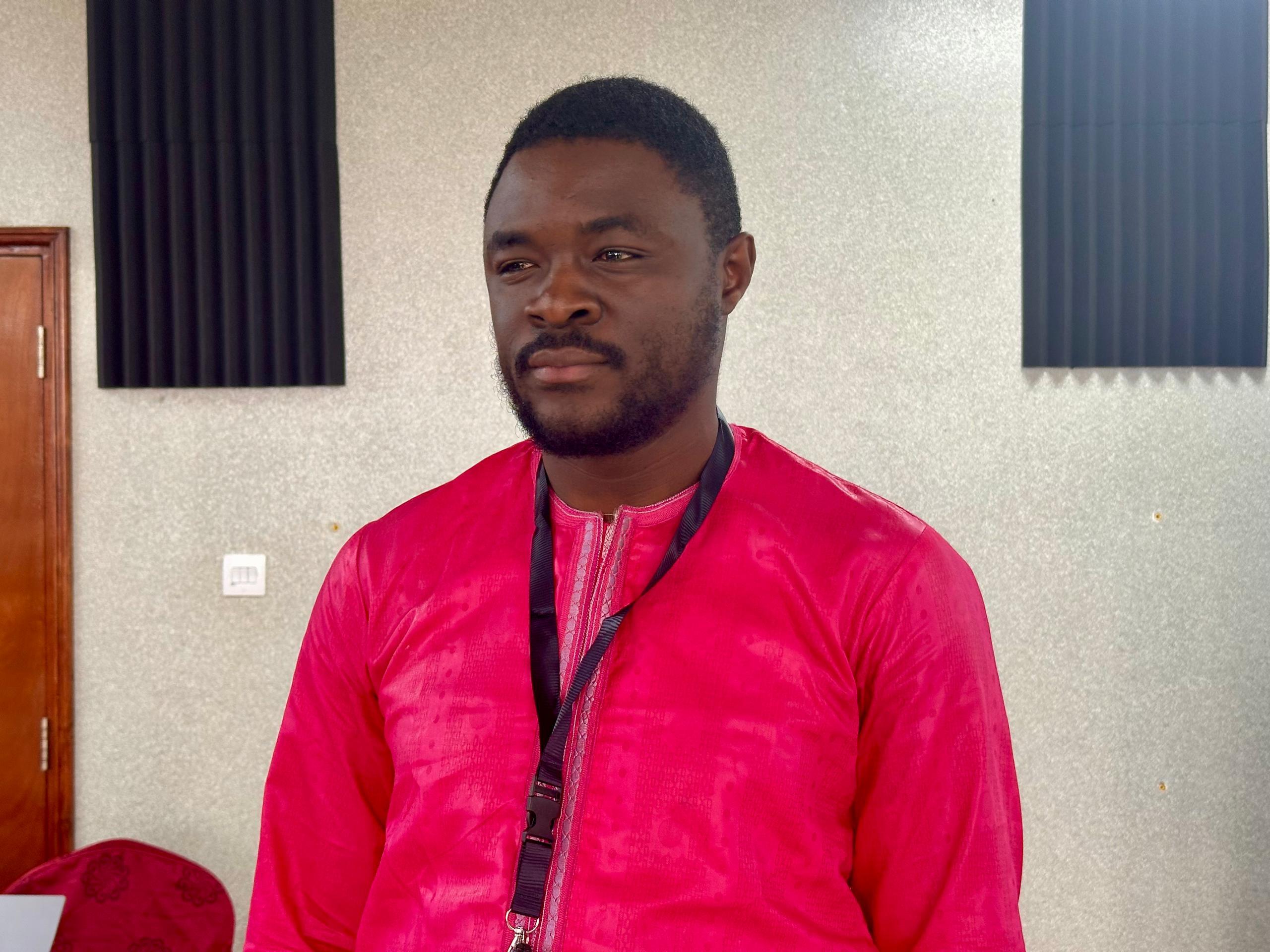
NDICHOUT MOLOU Emmanuel Lamblun, head of the Weather-Related Disaster Prevention Service at Cameroon’s Department of National Meteorology, said AI-based models learn from large datasets and identify patterns that help forecasters predict future weather conditions.
“These models do not require as much computing power or energy,” Lamblun said.
Cameroon has been installing automatic weather stations to strengthen its observation network and address gaps in historical records.
“In the past, there were gaps in our databases, but we are gradually filling them,” he said, expressing confidence that Cameroon could become a leader in weather data collection and sharing.
However, lower computing requirements do not eliminate the need for reliable observations. AI models must be trained and tested using data that accurately represent local conditions. Where observations are sparse or missing, predictions may be less reliable, limiting their usefulness to communities facing weather-related risks.
Forecasts must serve ordinary people
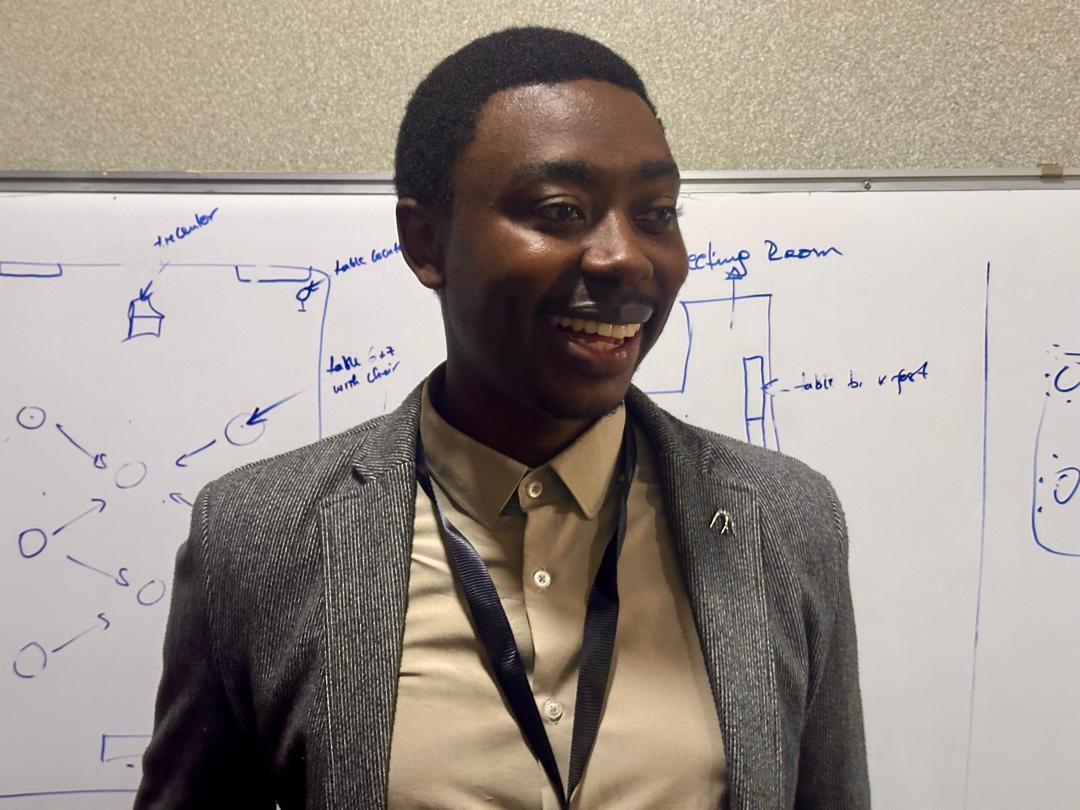
Athanase Hafashimana, a climate data scientist at the AIMS Research Innovation Centre and Jomo Kenyatta University of Agriculture and Technology, said AI could help scientists process large volumes of historical and current climate information to improve weather and seasonal forecasting.
He explained that establishing a climatological baseline generally requires at least 30 years of observations, enabling scientists to identify historical patterns and compare them with current conditions.
“AI is a big opportunity because what we have traditionally done using physical and statistical methods is no longer sufficient,” Hafashimana said, noting that AI can process data more quickly when adequate computing power is available.
Improved forecasts could benefit weather-dependent sectors such as agriculture and aviation, he said, but their ultimate value lies in helping people make better decisions.
“This serves the specific purpose of the common people,” Hafashimana said.
For farmers, seasonal forecasts could help guide planting dates and crop choices, while timely warnings of heavy rainfall could help communities prepare for flooding. Such benefits depend on forecasts arriving early enough, reflecting local conditions and reaching people in a form they can use.
Building African expertise
The five-day summer school, running from October 19 to 23, is organised by ACMAD, the World Meteorological Organization and the African Institute for Mathematical Sciences (AIMS), with partners. It brings together 44 participants from 21 countries, selected from more than 1,000 applicants, according to Ndiaye.
The programme covers AI and machine learning, climate data processing, model evaluation and applications such as rainfall prediction, climate downscaling and extreme-weather monitoring.
Basile Akpovi, Head of the Climatology Department at METEO-BENIN, representing AIMS, said African scientists must be equipped to assess AI tools and adapt them to local needs rather than simply adopt technologies developed elsewhere.
“Technology alone is not enough. Its impact depends on people who can understand these tools, evaluate their limitations, and apply them responsibly to local challenges,” Akpovi said.
Ndiaye said the initiative aims to strengthen African expertise and ensure that the continent helps shape solutions to its own weather and climate challenges.
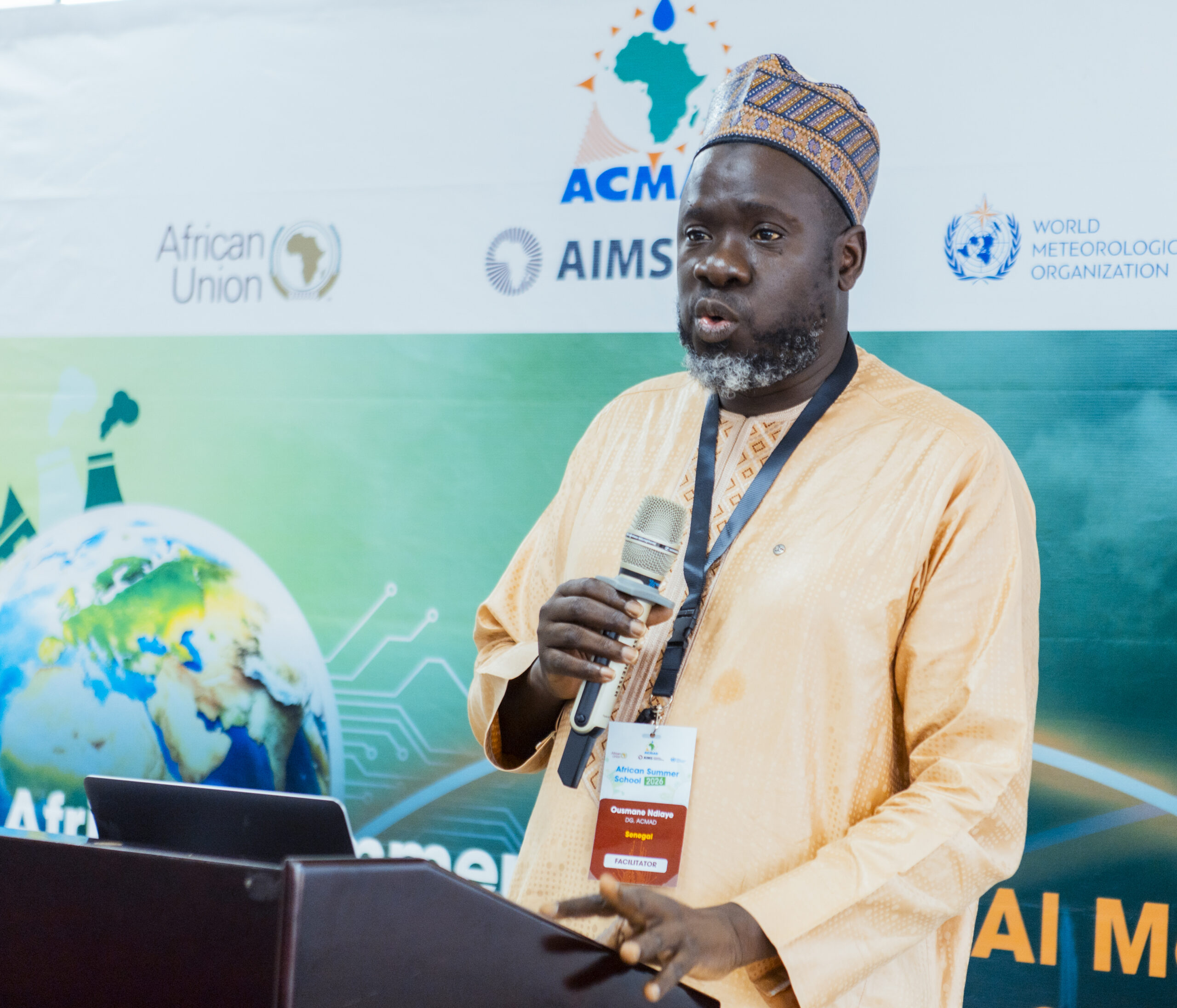
“We do not want Africans to remain behind, simply imitating others. We want them to be at the forefront, asking African questions and finding African solutions,” he said.
ACMAD intends to support continued collaboration and knowledge-sharing after the training to help build an African community of practice in AI and climate modelling.
Ultimately, training scientists must go hand in hand with investment in weather stations, reliable data collection and meteorological services. For a farmer waiting for the right moment to sow, or a family exposed to flooding, AI’s real value will be measured by whether it delivers timely, reliable information that helps protect lives and livelihoods.
theinspirerpublications@gmail.com



Leave a Reply