
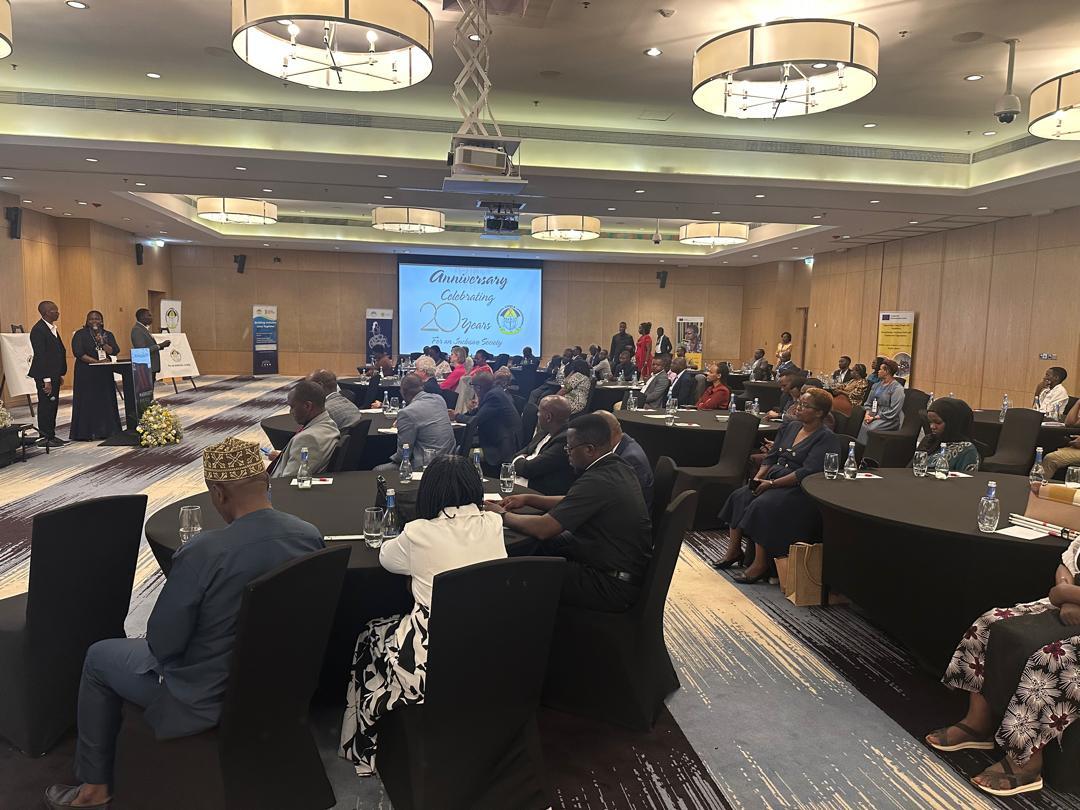
UPHLS marks 20 years of promoting disability inclusion in Rwanda
By Elias Hakizimana.
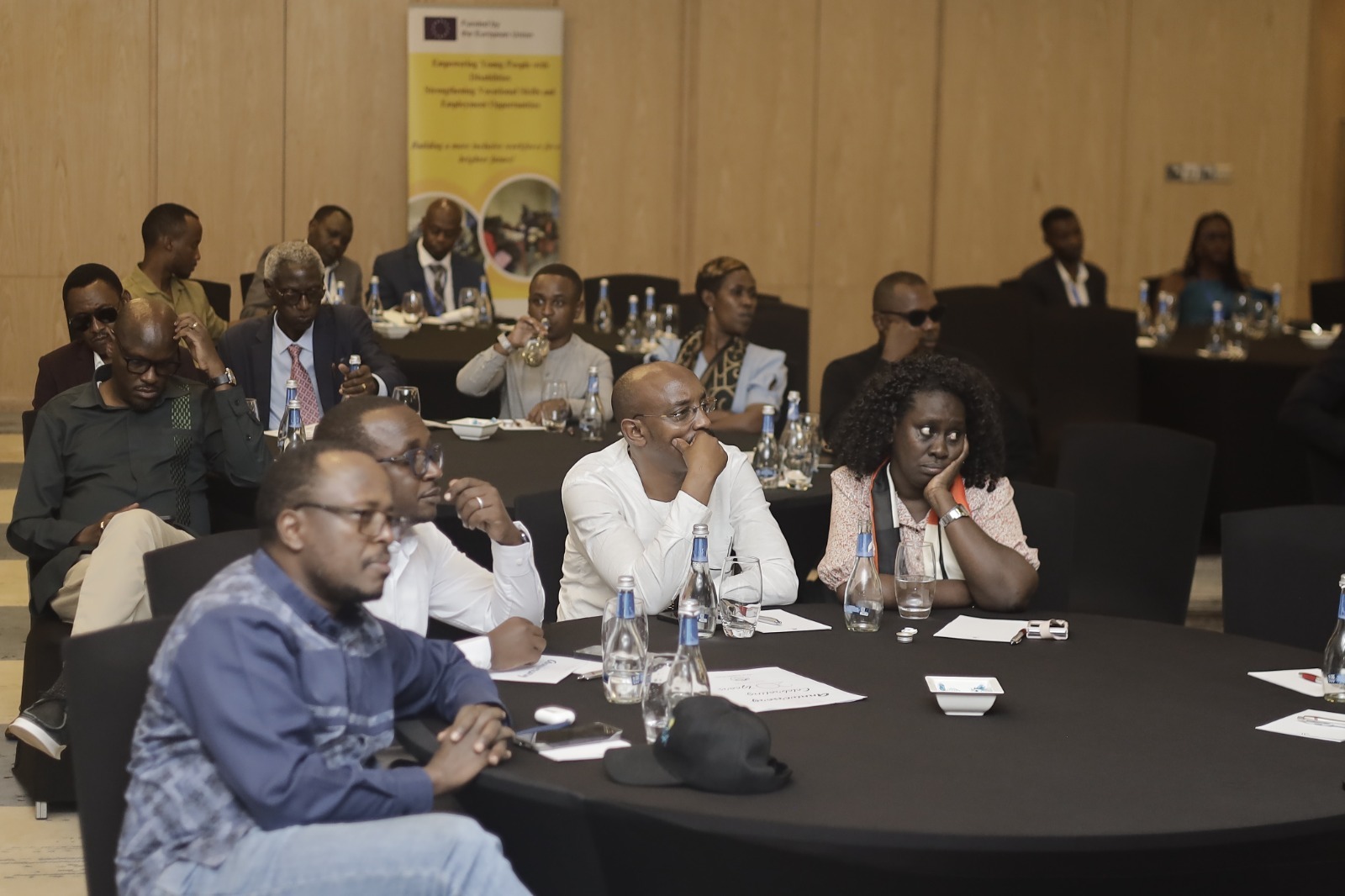
The Umbrella of Organisations of Persons with Disabilities in the Fight against HIV and AIDS and for Health Promotion (UPHLS) has marked 20 years of promoting disability inclusion in Rwanda, highlighting progress in healthcare access, vocational training and economic empowerment while calling for greater support to address persistent barriers.
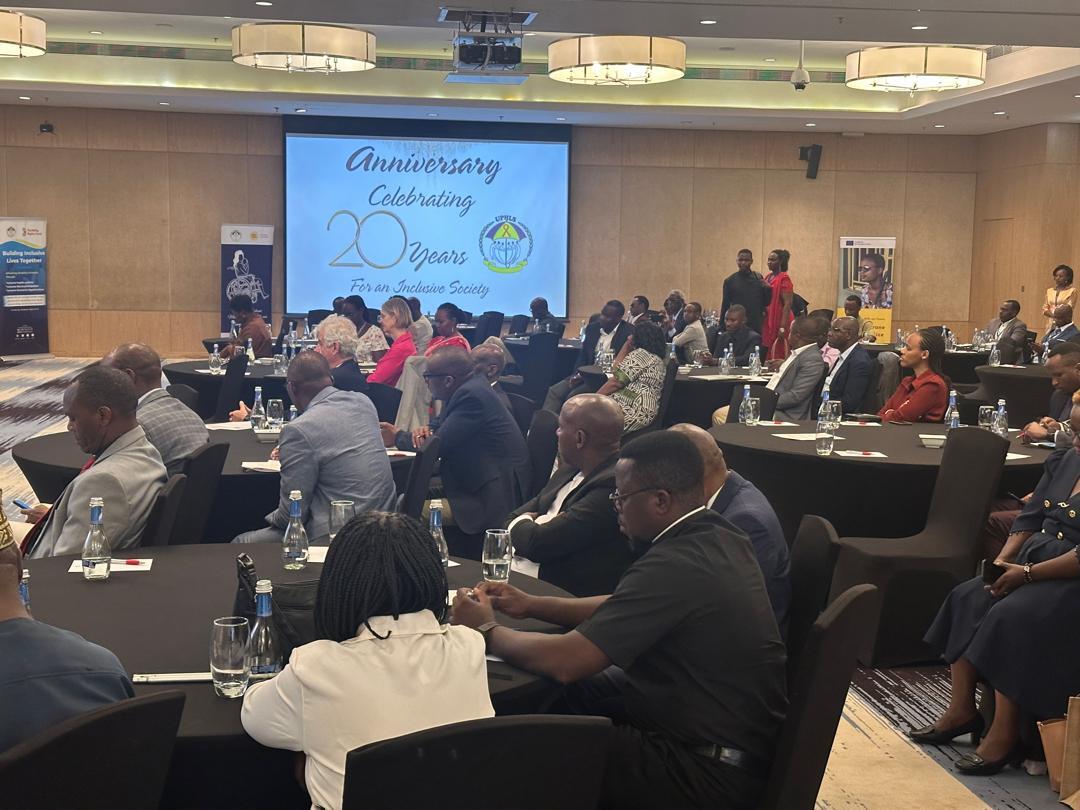
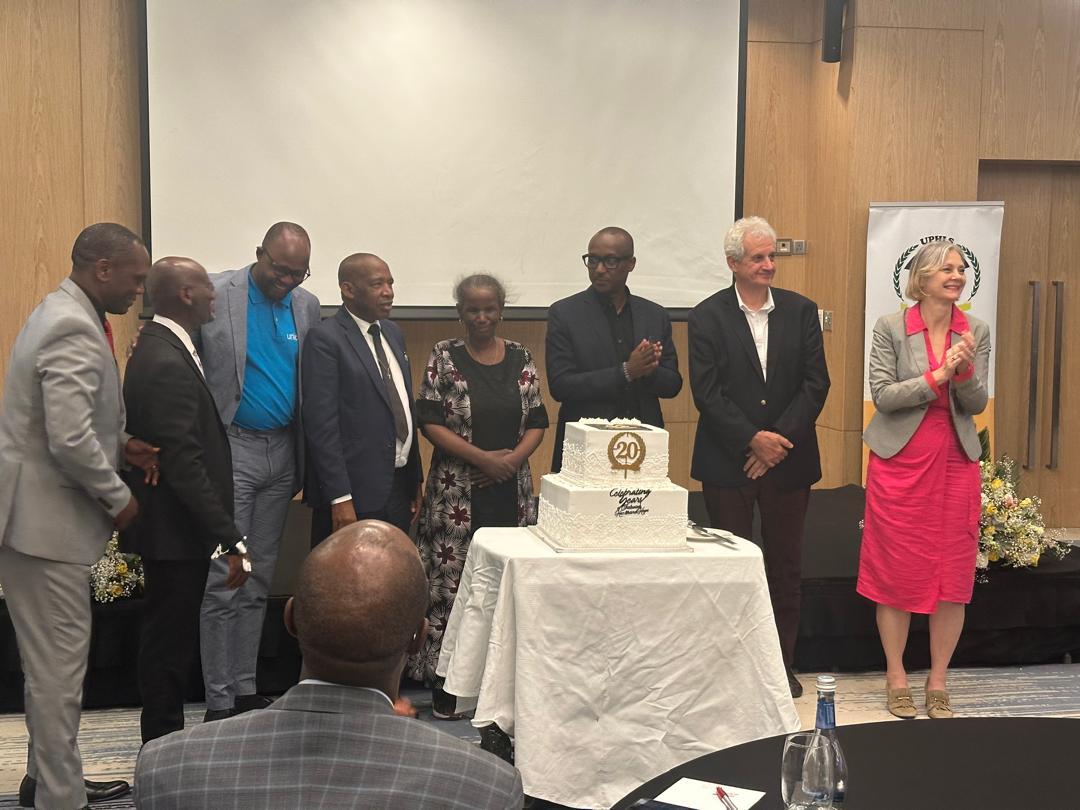
At its anniversary celebrations on Thursday evening, October 8, the organisation highlighted achievements in improving access to healthcare, providing assistive devices, equipping young people with vocational skills and training service providers to respond to the needs of persons with disabilities.
Established in 2006 through an initiative led by organisations of persons with disabilities in partnership with the Ministry of Health, UPHLS initially focused on barriers to healthcare, particularly HIV and AIDS prevention. Its work has since expanded to cover disability-inclusive healthcare, education, accessibility and livelihoods.
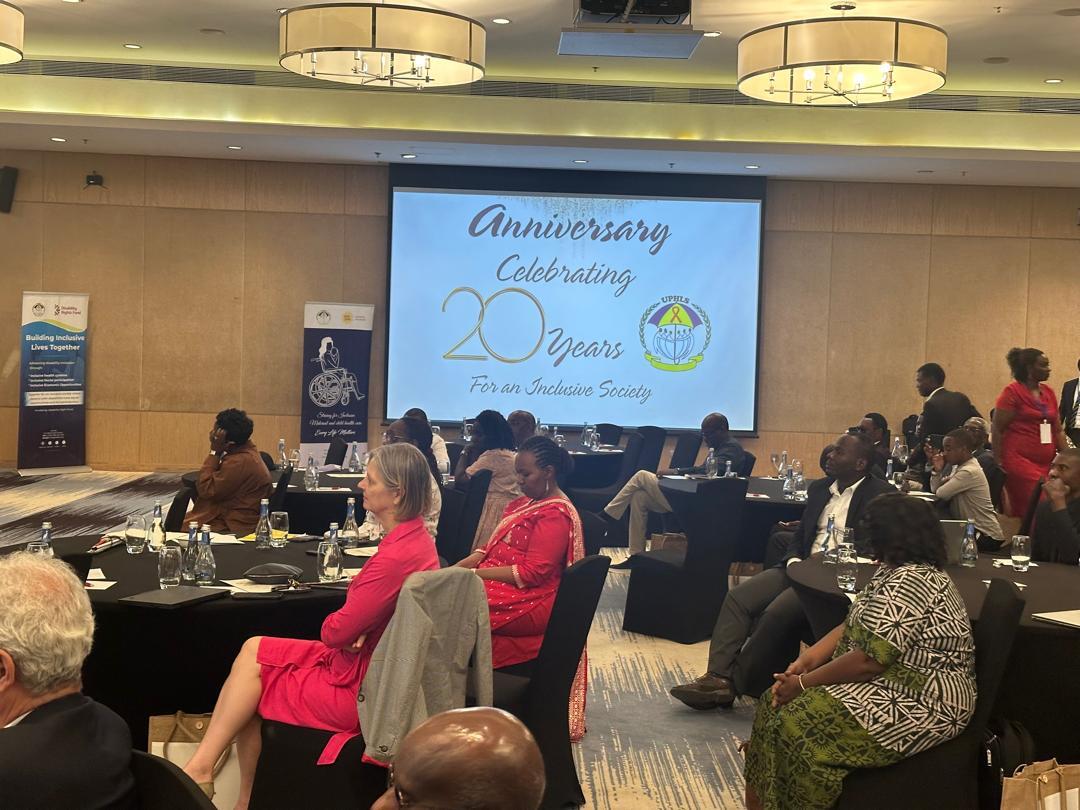
Karangwa François Xavier, UPHLS Executive Director, said the organisation had made significant progress in HIV prevention among persons with disabilities and in creating employment opportunities for young people.
“We have achieved a lot over the past 20 years, especially in HIV prevention among persons with disabilities. We have also created jobs for young people with disabilities,” he said, thanking partners for supporting the organisation’s work.
He said UPHLS would focus over the next five years on developing inclusive health services and facilities and strengthening the socio-economic wellbeing of persons with disabilities.
Dr Patrick Suubi, the organisation’s legal representative, said the progress reflected collaboration among government institutions, development partners, staff, volunteers and member organisations.
“These achievements are not the work of UPHLS alone. They have been made possible through our collaboration with partners, government institutions, organisations of persons with disabilities and our members,” Suubi said.
Over the past two decades, UPHLS has assessed more than 170 healthcare facilities and supported accessibility improvements in 39. Another 17 facilities received equipment to improve the accessibility and quality of care.
The organisation also helped 734 persons with disabilities access essential health services.
Its anniversary presentation showed that 6,997 people had been screened for assistive devices, with more than 3,500 receiving equipment such as wheelchairs, hearing aids and crutches. In total, more than 4,000 assistive devices were provided.
UPHLS has trained more than 2,000 healthcare providers in disability-inclusive care, 228 government officials in disability mainstreaming and 840 teachers and education professionals in inclusive education. Other achievements include supporting 1,164 parents and caregivers, empowering 5,472 persons with disabilities through capacity-building programmes and supporting 14 research studies.
Empowering young people and families
According to its anniversary presentation, 723 young people with disabilities received technical and vocational skills training, while 699 gained employability skills and licences to prepare them for work and entrepreneurship. A further 655 sought employment or self-employment opportunities.
For some beneficiaries, UPHLS support has also helped restore hope and improve family livelihoods.
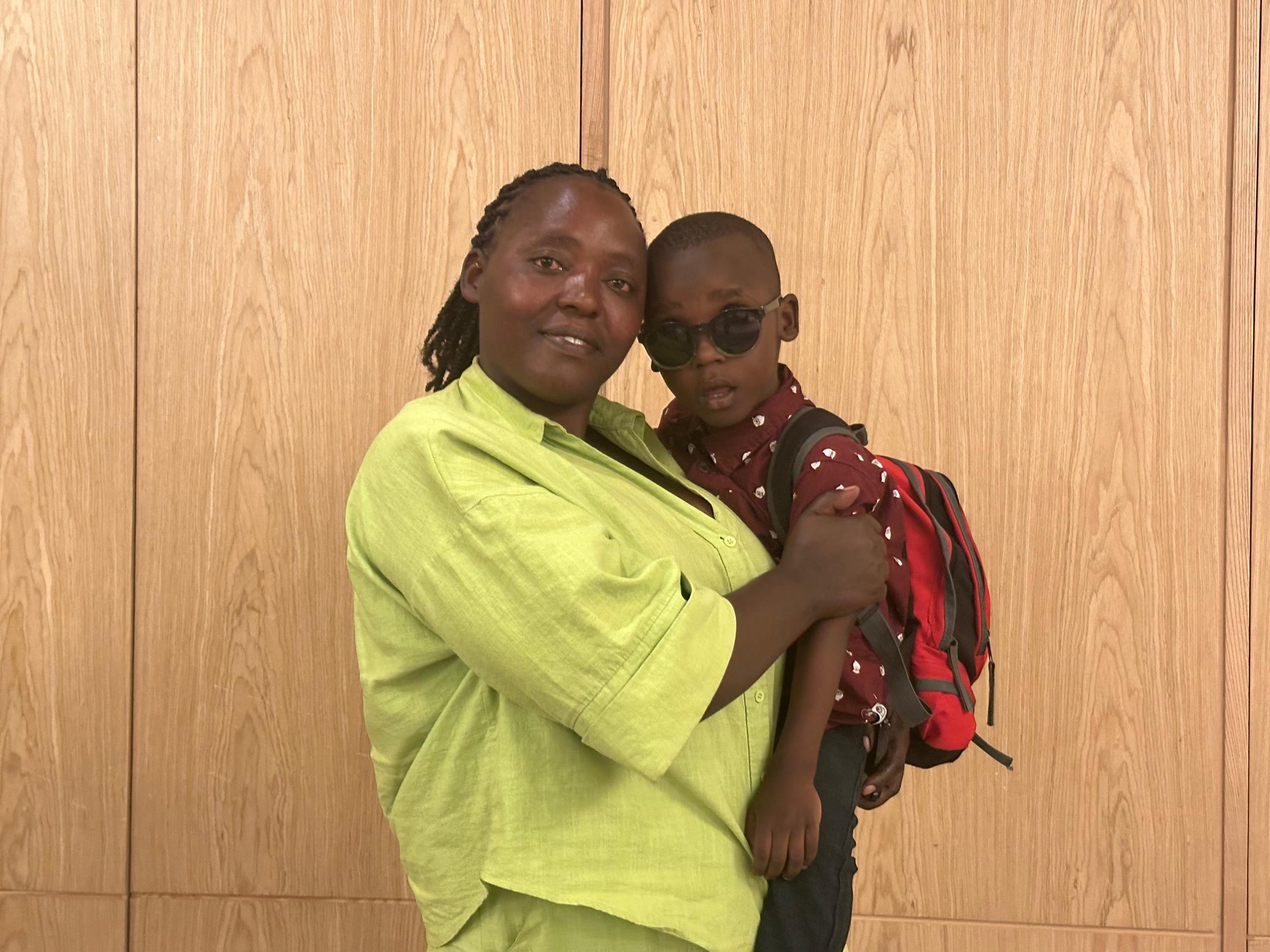
Delphine Umurutasate, from Gicumbi District, said she faced rejection from her in-laws after giving birth to a child with a visual impairment.
“When I got married, I did not find love or acceptance from my in-laws. Things became worse after I gave birth to a child with a disability. They told me they did not want a blind child,” she said.
After returning to her parents’ home, she was connected to UPHLS, which encouraged her to accept and support her child.
Through the organisation’s intervention, her child was referred to a specialised eye hospital in Bishenyi, where the child received treatment that, according to her testimony, restored their sight.
UPHLS also provided her with start-up capital for a charcoal business and supported her in establishing a poultry project.
“I later got a job, and my children are now in school. Thanks to UPHLS, my life has changed,” she said.
Calls for inclusive healthcare
A representative of the Rwanda Biomedical Centre, speaking on behalf of the Ministry of Health and RBC, urged stakeholders to ensure that persons with disabilities participate in shaping healthcare policies and services.
The representative said accessibility must go beyond physical infrastructure to include accessible information, communication support and training for healthcare workers.
“Persons with disabilities should not be seen only as beneficiaries, but as active partners in shaping health policies and services,” the representative said.
The speaker called for disability inclusion to be integrated into the design, implementation and evaluation of health programmes, alongside greater participation of persons with disabilities in leadership and decision-making.
Rehabilitation centre planned
Looking ahead, UPHLS plans to establish a comprehensive rehabilitation and clinical centre to expand access to specialised healthcare and assistive technology.
The organisation has identified a site measuring approximately 3,570 square metres for the proposed facility, which is expected to offer physiotherapy, mental health support, audiology, hearing assessments and eye care.
Plans also include an orthopaedic workshop for equipment such as wheelchairs, crutches, prostheses and orthoses, as well as services focused on early detection and prevention of impairments among children aged zero to five.
The project is being developed in consultation with the Ministry of Health, the University of Rwanda and technical experts.
UPHLS’s strategic plan, running until December 2028, prioritises disability-inclusive healthcare, economic empowerment and community mobilisation.
The organisation says sustained partnerships and financial support will be essential to expanding its programmes and ensuring that persons with disabilities can access healthcare, education and employment on an equal basis.
theinspirerpublications@gmail.com




Leave a Reply